
Have you ever wondered where kiwi birds feel right at home? Understanding the habitat of these unique, flightless birds can change the way you see nature.
Knowing where they live helps you appreciate their special place in the world—and why protecting their environment matters. Keep reading to discover what makes a kiwi bird’s habitat so important and how it shapes their life. Your curiosity will take you closer to these fascinating creatures than ever before.
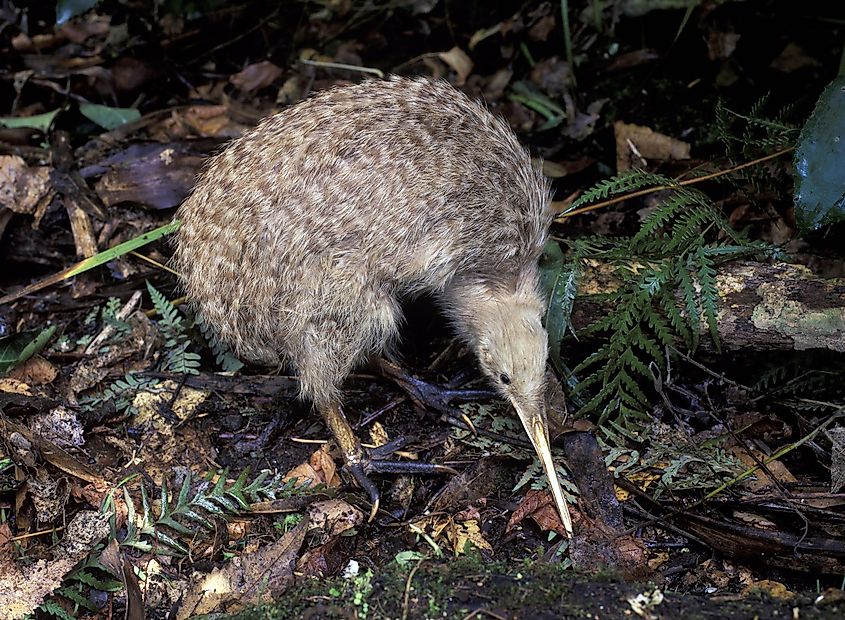
Credit: www.worldatlas.com
Kiwi Bird Habitat Basics
The kiwi bird is unique to New Zealand and lives in specific habitats. Understanding these areas helps protect the kiwi and its environment. Kiwi birds need places that provide food, shelter, and safety from predators.
Geographical Range
Kiwi birds live only in New Zealand. They are found on both the North and South Islands. Some species prefer certain islands or regions. Their range includes forests, scrublands, and grasslands. They avoid open fields and urban areas.
Preferred Climate
Kiwis thrive in mild, wet climates. They like areas with high rainfall and humidity. Forests with dense undergrowth suit them best. These conditions help keep the soil soft for digging. Cold or dry climates are less ideal for kiwi survival.

Credit: www.peckperk.com
Types Of Kiwi Habitats
Kiwi birds thrive in a variety of habitats, each offering unique resources that support their survival. Understanding these habitats helps you appreciate the delicate balance needed to protect these fascinating creatures. Let’s take a closer look at the main types of environments where kiwis make their homes.
Native Forests
Native forests provide kiwis with dense cover and abundant food sources. These forests are filled with leaf litter and fallen logs, perfect for kiwis to dig for insects and worms. Have you ever noticed how the quiet undergrowth offers the ideal hiding spots from predators?
Many kiwi species prefer mature forests with thick underbrush. The complexity of these forests supports their nocturnal lifestyle, giving them shelter during the day. If you visit such forests, you might spot signs of kiwi activity like scratching marks on the soil.
Grasslands And Scrublands
Grasslands and scrublands might seem open, but they are vital kiwi habitats too. These areas offer a mix of grasses and low shrubs, where kiwis search for invertebrates. You might be surprised how these birds use the cover of tall grass to stay hidden.
This type of habitat requires careful management to prevent overgrazing or invasive plants. Have you considered how human activity might be changing these landscapes without you realizing it? Protecting grasslands means preserving a crucial food and shelter zone for kiwis.
Wetlands And Riverbanks
Wetlands and riverbanks provide moist environments rich in worms and insects, perfect for kiwi diets. These areas often have soft soil, making it easier for kiwis to forage. Have you ever wondered why kiwis are often found near water sources?
Such habitats also offer natural barriers against some predators. However, wetland drainage and pollution threaten these safe havens. You can help by supporting wetland conservation efforts that keep these ecosystems healthy for kiwi populations.
Habitat Features For Kiwi Survival
The kiwi bird’s habitat is key to its survival. It needs specific features to live well. These features help kiwis find food, stay safe, and raise their young. Understanding these habitat needs shows why protecting their home is crucial.
Shelter And Nesting Sites
Kiwis use dense forests and thick shrubs for shelter. They hide in burrows or hollow logs. These spots protect them from weather and enemies. Kiwis build nests in quiet, hidden places. Nest safety is vital for eggs to hatch successfully.
Food Sources
Kiwis eat insects, worms, and small fruits. Their habitat must have plenty of these foods. Moist soil helps worms and bugs thrive. Leaf litter and fallen branches hold many insects. A rich food supply keeps kiwis healthy and strong.
Safety From Predators
Kiwis need areas with few predators. Native forests offer natural cover. Thick undergrowth helps them stay hidden. Predator control efforts also protect kiwis. Safe habitats lower the risk of attacks. Without protection, kiwis face great danger.
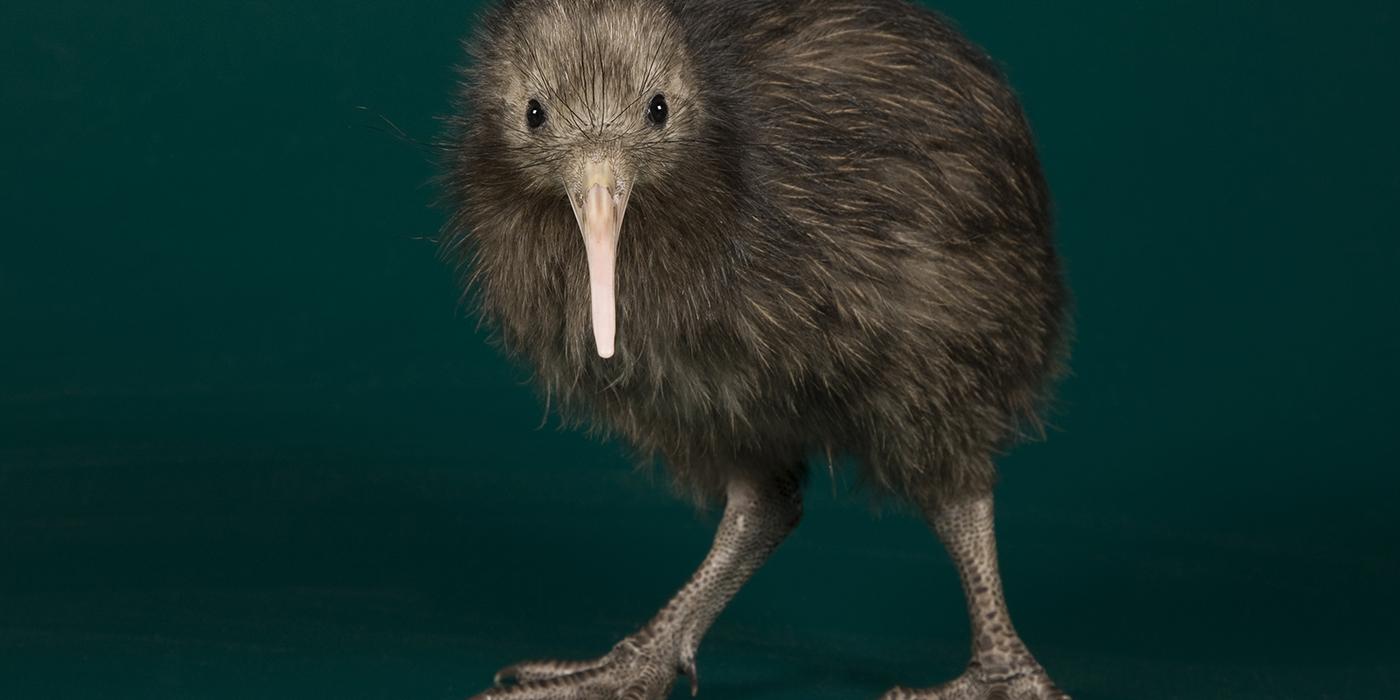
Credit: nationalzoo.si.edu
Impact Of Human Activity
The impact of human activity on the kiwi bird’s habitat is significant and complex. As humans change the landscape, these unique birds face challenges that threaten their survival. Understanding these effects can help you see why protecting kiwi habitats is crucial.
Deforestation Effects
Deforestation removes the dense forests where kiwis hide and forage. Without thick underbrush and fallen leaves, kiwis lose their natural camouflage and food sources. You might not realize it, but even small patches of cleared land can disrupt their nesting sites and expose them to danger.
Have you ever noticed how quiet a forest becomes when trees are cut down? That silence signals a loss of life and shelter for creatures like the kiwi. Protecting these forests means preserving the very environment kiwis depend on.
Introduced Predators
Humans have introduced animals like rats, stoats, and cats to New Zealand, which prey heavily on kiwi eggs and chicks. These predators are a new threat that kiwis did not evolve to escape. If you care about kiwi survival, controlling these invasive species is essential.
Think about how you would feel if your home was constantly under threat by strangers. This is the daily reality for kiwis facing introduced predators. Taking steps to reduce predator numbers can give kiwis a fighting chance.
Conservation Efforts
Conservation programs focus on restoring kiwi habitats and controlling predators. Many involve community participation, showing how your actions can directly impact kiwi survival. You can support these efforts by volunteering, donating, or spreading awareness.
- Planting native trees to rebuild forest cover
- Setting traps to reduce predator populations
- Supporting breeding and release programs
Imagine the satisfaction of knowing you helped a rare bird find safety and thrive. Your involvement can turn the tide for kiwi populations, proving that human activity can also heal, not just harm.
How Kiwi Adapt To Their Environment
Kiwi birds have unique ways to live safely in their natural habitat. They have special traits that help them survive in forests and dense bush. These traits help them find food, avoid danger, and stay hidden from predators.
Nocturnal Behavior
Kiwis are active at night. They sleep during the day to avoid heat and predators. Nighttime helps them move quietly and safely. Their eyes are adapted to low light, making it easier to see in the dark.
Camouflage And Stealth
Their feathers look like tree bark and leaves. This coloring helps kiwis blend into the forest floor. They move slowly and quietly to avoid drawing attention. Staying still also helps them stay hidden from enemies.
Foraging Techniques
Kiwis use their long beaks to find food underground. They listen and sniff to locate worms and insects. Their strong legs help them dig in soft soil. They eat small animals and plants to stay healthy.
Frequently Asked Questions
Where Do Kiwi Birds Live In The Wild?
Kiwi birds live mainly in New Zealand’s dense forests and shrublands. They prefer areas with thick undergrowth for shelter and food. These habitats provide protection and abundant insects, worms, and seeds, which make up their diet. Kiwi birds are nocturnal and use the forest floor for nesting.
What Type Of Environment Do Kiwi Birds Prefer?
Kiwi birds thrive in temperate and subtropical forests. They favor moist, dense forests with rich leaf litter and soft soil. This environment supports their foraging habits, allowing them to find insects and worms easily. Kiwi also use burrows or hollow logs for nesting and protection.
How Does Habitat Loss Affect Kiwi Birds?
Habitat loss reduces safe nesting and feeding areas for kiwi birds. Deforestation and land development shrink their natural environment, increasing exposure to predators. Loss of habitat directly threatens their survival and reproduction, making conservation efforts critical to protect and restore these unique birds’ homes.
Can Kiwi Birds Live Outside New Zealand?
Kiwi birds are native and unique to New Zealand. They cannot survive well outside their natural habitat due to specific environmental needs. Attempts to keep kiwi in captivity or outside New Zealand require controlled conditions mimicking their forest environment to ensure their health and safety.
Conclusion
Kiwi birds live in forests, grasslands, and scrub areas. They need places with plenty of food and shelter. Protecting their homes helps keep kiwi birds safe. People can help by supporting conservation efforts. These unique birds depend on healthy habitats to survive.
Understanding where kiwis live shows us how to care for them. Their homes are special and worth protecting every day.




