
Have you ever wondered where birds feel most at home? Understanding the habitats where birds live can change the way you see the world outside your window.
Whether you’re a nature lover, a curious learner, or someone who just wants to spot more birds, knowing their favorite places can help you connect with them like never before. Keep reading, and you’ll discover surprising facts about bird habitats that might make you look twice the next time a bird flies by.
Your new appreciation for these feathered friends starts here.
Credit: animal-pedia.org
Bird Habitats Around The World
Birds have adapted to live in a variety of habitats across the globe, each offering unique resources and challenges. Understanding these habitats helps you appreciate the diversity of bird life you might encounter in your own backyard or while traveling. Let’s take a closer look at some of the main environments where birds thrive and how these settings shape their behavior and survival.
Forests And Woodlands
Forests provide shelter, food, and nesting sites for many bird species. You might spot colorful songbirds flitting through the canopy or woodpeckers tapping on tree trunks. Dense foliage protects birds from predators and harsh weather, making forests a vital habitat for breeding and raising young.
Have you ever noticed how different birds prefer different layers of the forest? Some stay near the ground, while others soar high above. This vertical diversity supports a wide range of species in one area.
Wetlands And Marshes
Wetlands are rich, watery habitats that attract birds like herons, ducks, and kingfishers. These areas offer abundant food sources such as fish, insects, and plants. The mix of open water and dense vegetation makes wetlands perfect for feeding and nesting.
Many birdwatchers find wetlands fascinating because of the variety of species you can observe in a small area. What do you think makes wetlands so attractive to birds compared to drier environments?
Deserts And Arid Zones
Deserts may seem inhospitable, but some birds have adapted remarkably well to these harsh conditions. Birds like roadrunners and certain raptors survive by finding scarce water and food sources. Their behaviors and physical traits help them conserve moisture and stay cool.
Consider how these birds manage to thrive where resources are limited. What strategies might you use if you were living in a desert environment?
Grasslands And Prairies
Open grasslands and prairies support ground-nesting birds such as meadowlarks and quail. These habitats offer plenty of insects and seeds for food, but limited cover means birds must be alert to predators. The vast open spaces also encourage unique flight and mating displays.
Next time you’re in a meadow, watch carefully—you might catch a glimpse of these birds’ interesting behaviors. How does the openness of grasslands affect the way birds communicate and protect themselves?
Urban Areas And Cities
Surprisingly, cities are home to many adaptable bird species like pigeons, sparrows, and crows. Urban environments provide food scraps, nesting sites on buildings, and fewer natural predators. Birds here have learned to live alongside humans, often changing their habits to fit city life.
Have you observed how some birds seem almost comfortable around people? What can their success in cities teach us about flexibility and survival?
Nesting Sites Birds Choose
Birds pick nesting sites based on safety, food availability, and shelter. These choices help protect their eggs and young from predators and weather. Nesting sites also reflect the bird’s size, habits, and environment. Different species prefer distinct places to build nests and raise their chicks.
Tree Nests And Canopy Dwellers
Many birds build nests high in trees. The canopy offers protection from ground predators and harsh weather. Birds like robins and finches weave nests using twigs and leaves. Some, like eagles, create large platforms on strong branches. The height keeps eggs and chicks safe.
Ground Nests And Scrub Habitats
Some birds nest on the ground in open areas or dense shrubs. They rely on camouflage to hide their nests. Species like plovers and sparrows lay eggs in shallow scrapes. These sites are often near food sources like insects and seeds. Ground nests face risks but provide easy access to resources.
Cliff And Rock Nesters
Birds like falcons and gulls choose cliffs or rocky ledges for nesting. These spots offer excellent views and are hard for predators to reach. Nests can be simple scrapes or built with sticks and moss. The rugged terrain protects eggs and young from many threats.
Cavity And Hole Nesters
Cavity nesters use holes in trees, walls, or nests made by other animals. Woodpeckers and owls often create or find these spaces. These nests provide shelter from wind and rain. They also keep young birds hidden from predators.
Floating And Water Nests
Some birds build nests on water or floating vegetation. Ducks and grebes often use this method. Floating nests move with water, helping avoid some predators. These nests require materials that float and stay together. Water nests keep birds close to food and safe from land predators.
Adaptations To Different Environments
Birds live in many types of habitats. They have special traits that help them survive in their homes. These changes are called adaptations. Adaptations help birds find food, stay safe, and live through different weather. These traits make birds very good at living in places like forests, deserts, wetlands, and cities.
Camouflage And Coloration
Many birds use colors to blend into their environment. This helps them hide from predators. Some birds have dull colors to match tree bark or leaves. Others have bright colors to warn enemies or attract mates. Color patterns also help birds stay cool or warm.
Feeding And Foraging Strategies
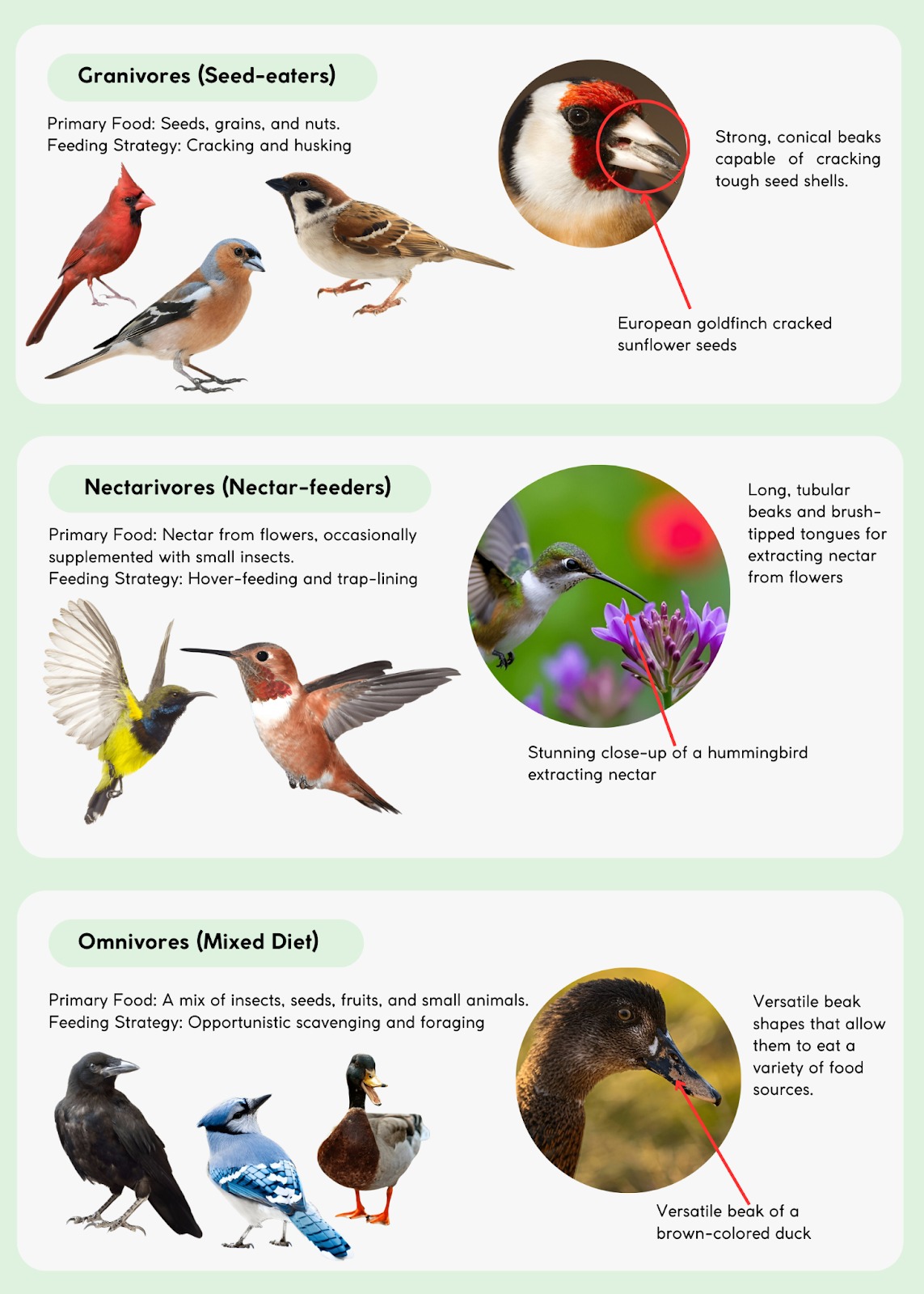
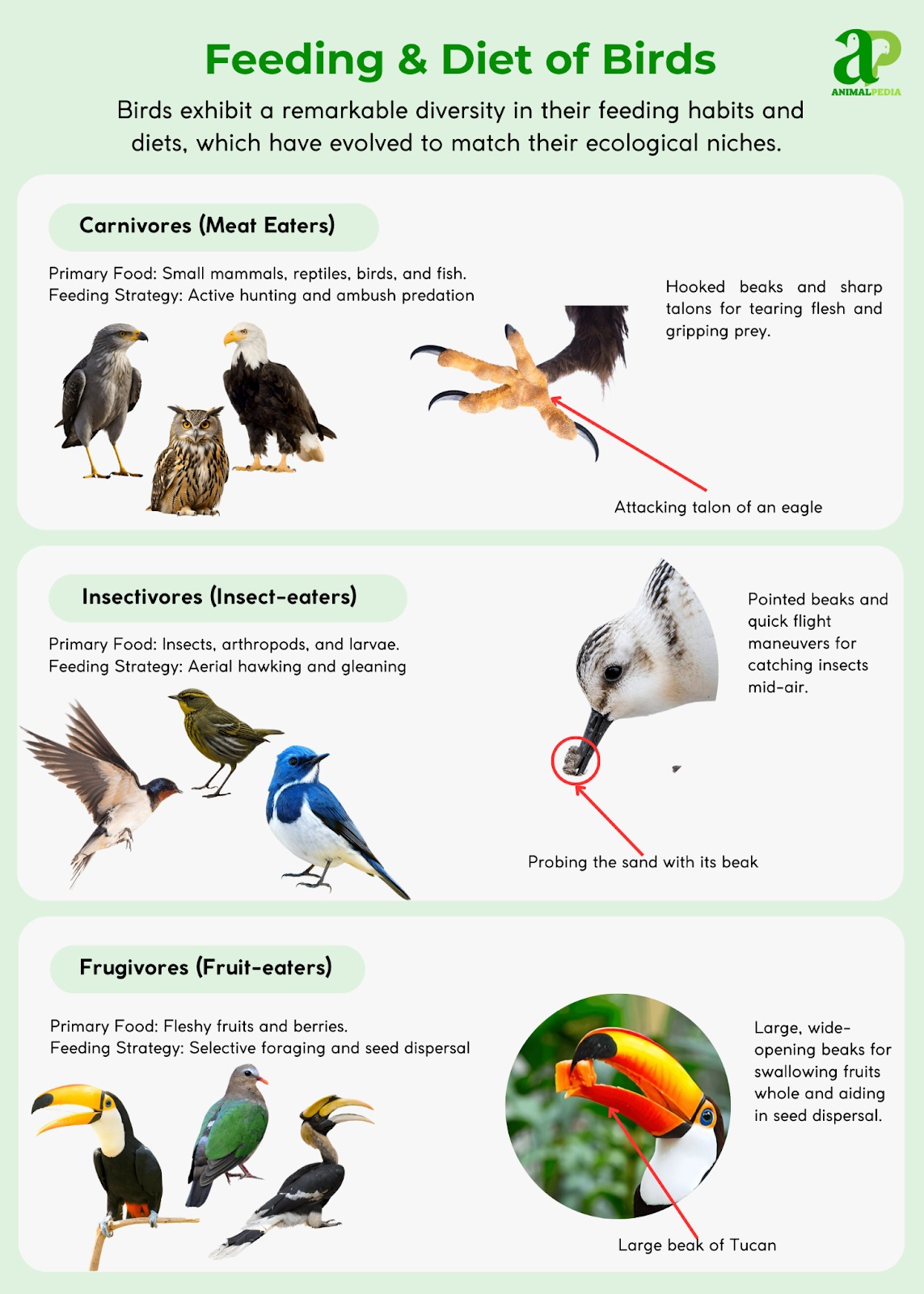
Birds have different beaks and feet for getting food. Seed eaters have strong, thick beaks. Insect eaters have thin, sharp beaks. Some birds catch fish with hooked beaks. Others pick insects from tree bark or flowers. Their feeding habits fit the food available in their habitat.
Migration And Seasonal Moves
Some birds fly long distances to find better homes during seasons. They move to warmer places in winter and return in summer. Migration helps them find food and avoid cold weather. Not all birds migrate. Those in warm places often stay year-round.
Behavioral Adjustments
Birds change their behavior to survive. Some are active during day, others at night. They build nests in safe spots. Many birds form groups for protection. Singing helps birds mark territory and attract mates. These behaviors match their environment’s needs.
Credit: animal-pedia.org
Threats To Bird Habitats
Bird habitats face many threats that put their survival at risk. These dangers affect the places birds live, breed, and find food. Protecting bird habitats is vital for keeping bird populations healthy. Understanding these threats helps us act to save their homes.
Deforestation And Habitat Loss
Trees and forests provide shelter for many bird species. Cutting down forests removes these safe places. Birds lose nesting sites and food sources. Large clearings also make birds vulnerable to predators. Habitat loss forces birds to move or face extinction.
Pollution And Climate Change
Pollution harms birds directly and damages their habitats. Chemicals can poison water and soil. Climate change alters weather patterns and seasons. Birds may struggle to find food or suitable nesting areas. Rising temperatures can push birds out of their usual homes.
Urban Expansion
Growing cities take over natural lands. Roads, buildings, and noise disturb bird life. Many birds cannot adapt to urban environments. Loss of green spaces means fewer places to live. Light pollution also disrupts bird migration and sleep cycles.
Invasive Species
Non-native animals and plants can harm bird habitats. Invasive predators eat eggs and young birds. Some plants change the habitat structure and reduce food. These species compete with native birds for resources. Invasives upset the balance and reduce bird populations.
Protecting Bird Homes
Birds rely on safe and stable homes to survive. Protecting these habitats keeps bird populations healthy. Urban growth and climate change threaten many bird environments. Steps to protect these homes support nature and biodiversity.
Conservation Efforts
Conservation work helps preserve natural bird habitats. Protected areas give birds a place to live and breed. Laws and policies stop harmful activities in key habitats. Scientists study birds to understand their needs better.
Creating Bird-friendly Spaces
Gardens and yards can become safe havens for birds. Planting native trees and shrubs offers food and shelter. Avoiding pesticides keeps birds healthy. Adding bird feeders and baths attracts different species.
Supporting Wildlife Organizations
Many groups work to save bird habitats and species. Donations help fund research and habitat restoration. Volunteering time supports local bird protection projects. These organizations spread awareness about bird conservation.
Community Involvement
Communities can protect birds by working together. Local cleanups remove trash from natural areas. Schools can teach children about bird safety. Reporting illegal hunting or habitat damage helps enforcement.
Credit: freerangeparrots.org
Frequently Asked Questions
What Types Of Habitats Do Birds Commonly Live In?
Birds live in diverse habitats like forests, wetlands, grasslands, deserts, and urban areas. Each habitat offers unique food and shelter. These environments support different bird species adapted to specific conditions.
How Do Habitats Affect Bird Behavior And Survival?
Habitats influence birds’ feeding, nesting, and migration patterns. Suitable habitats provide food, protection, and breeding sites. Birds adapt behaviorally and physically to survive and reproduce in their environments.
Why Are Wetlands Important Bird Habitats?
Wetlands offer abundant food, nesting sites, and water. They support many migratory and resident bird species. Wetlands also help maintain biodiversity and ecological balance for birds.
Can Birds Live In Urban Habitats?
Yes, many birds thrive in cities. Urban areas provide food sources and nesting places like parks and buildings. Some species adapt well to human presence and changing environments.
Conclusion
Birds live in many different habitats. Forests, wetlands, deserts, and cities all provide homes. Each bird species adapts to its environment. Habitats offer food, shelter, and safety. Protecting these places helps birds survive. We can learn a lot by watching birds.
Their habitats teach us about nature’s balance. Caring for the environment means caring for birds too. Every small effort counts. Nature depends on healthy habitats for birds and us.




