
Have you ever stopped to wonder where birds choose to live? Their homes are as diverse as their songs, ranging from tall trees to rocky cliffs, and even bustling cities.
Understanding where birds live can open your eyes to the amazing ways they adapt and survive. You’ll discover the different types of habitats birds call home and why these places matter to their lives. Keep reading, and you’ll see the world through a bird’s eyes, unlocking secrets that will change how you notice nature around you.
Credit: www.allaboutbirds.org
Bird Habitats Around The World
Birds adapt to a wide range of environments across the globe. Their habitats influence their behavior, diet, and even appearance. Understanding where birds live helps you appreciate the diversity of species and the ecosystems they rely on.
Forests And Woodlands
Forests provide shelter, food, and nesting sites for many bird species. Trees offer protection from predators and harsh weather. You might find woodpeckers tapping on trunks or owls resting quietly in the branches.
Have you ever noticed how different bird calls echo through the forest? This is because dense woodlands create unique soundscapes that birds use to communicate.
Wetlands And Marshes
Wetlands are rich in insects, fish, and plants, attracting a variety of water-loving birds. Ducks, herons, and kingfishers thrive in these environments. These areas also act as crucial breeding grounds and stopover points for migratory birds.
If you visit a marsh, watch quietly—you might see birds fishing or building nests just above the waterline. Wetlands are fragile habitats, so your respect helps keep them healthy for birds.
Grasslands And Savannas
Open spaces with tall grasses support ground-nesting birds like quails and larks. These habitats offer wide views to spot predators early. You’ll often hear bird songs carried by the wind across these vast areas.
Consider how birds here depend on the balance between open land and scattered trees. Too much farming or development can disrupt their homes, so protecting grasslands benefits many species.
Deserts And Arid Regions
Despite harsh conditions, deserts host birds adapted to extreme heat and scarce water. Species like roadrunners and sandgrouse have special habits to survive. They often rely on early mornings or evenings for activity.
Have you ever wondered how birds find water in dry places? Some travel miles between watering spots, showing incredible endurance and navigation skills.
Urban And Suburban Areas
Cities and towns might seem unlikely bird habitats, but many species thrive there. Pigeons, sparrows, and crows have learned to live alongside humans, using buildings and parks as shelter. You can attract birds to your backyard with feeders and native plants.
Next time you walk through a city, listen carefully—you might hear a mix of natural bird songs and urban noise. How do these birds adapt to such busy environments? Your observations can reveal surprising answers.
Credit: freerangeparrots.org
Unique Bird Homes
Birds create homes in many surprising places. These homes protect their eggs and chicks from dangers. Each bird species chooses a habitat that suits its needs. Some build high above the ground, while others stay hidden below. The diversity of bird homes shows nature’s creativity and adaptation.
Tree Nests And Canopy Dwellings
Many birds build nests in trees. They use twigs, leaves, and mud to make these nests. Some nests sit on branches, while others hang from leaves. The canopy provides shelter from rain and predators. Birds like robins and eagles often live in these tree homes.
Burrows And Ground Nests
Some birds dig burrows underground for safety. These homes keep eggs warm and hidden. Ground nests are often simple scrapes in soil or sand. Birds like puffins and quails use burrows or ground nests. These homes blend well with the environment.
Cliff And Rock Nesting Sites
Birds such as gulls and falcons nest on cliffs or rocky ledges. These spots are hard for predators to reach. Nests here are made from small stones and plants. Cliff nesting offers wide views to spot danger early. This habitat suits strong flyers and fearless birds.
Cavity Nests In Trees And Structures
Some birds live in holes inside trees or buildings. Woodpeckers often create these cavities themselves. Other birds use old holes left by animals or natural decay. These nests provide good shelter from weather and predators. Humans can help by putting up birdhouses for cavity nesters.
Floating And Water-based Nests
Certain birds build nests on water or floating plants. These nests rise and fall with water levels. Birds like grebes and jacanas use this style. Water nests reduce risk of land predators. These homes require strong materials to stay intact.
Adaptations To Habitat
Birds have unique ways to live well in their habitats. They change their bodies and behaviors to fit the places they live. These changes help them find food, stay safe, and raise their young. Adaptations to habitat are key to their survival and success.
Camouflage And Nest Design
Birds use colors and patterns to blend into their surroundings. This camouflage hides them from predators and helps them sneak up on prey. Nest design also matches the environment. Some birds build nests high in trees, while others hide them in bushes or on the ground. The materials used, like twigs, leaves, or mud, depend on what is available nearby.
Seasonal Habitat Changes
Birds adjust their homes based on the seasons. In cold months, some move to warmer areas. Others change their nesting sites to protect eggs from harsh weather. These changes keep birds safe and help their young survive. Seasonal shifts in habitat use show how birds respond to nature’s rhythms.
Migration And Habitat Use
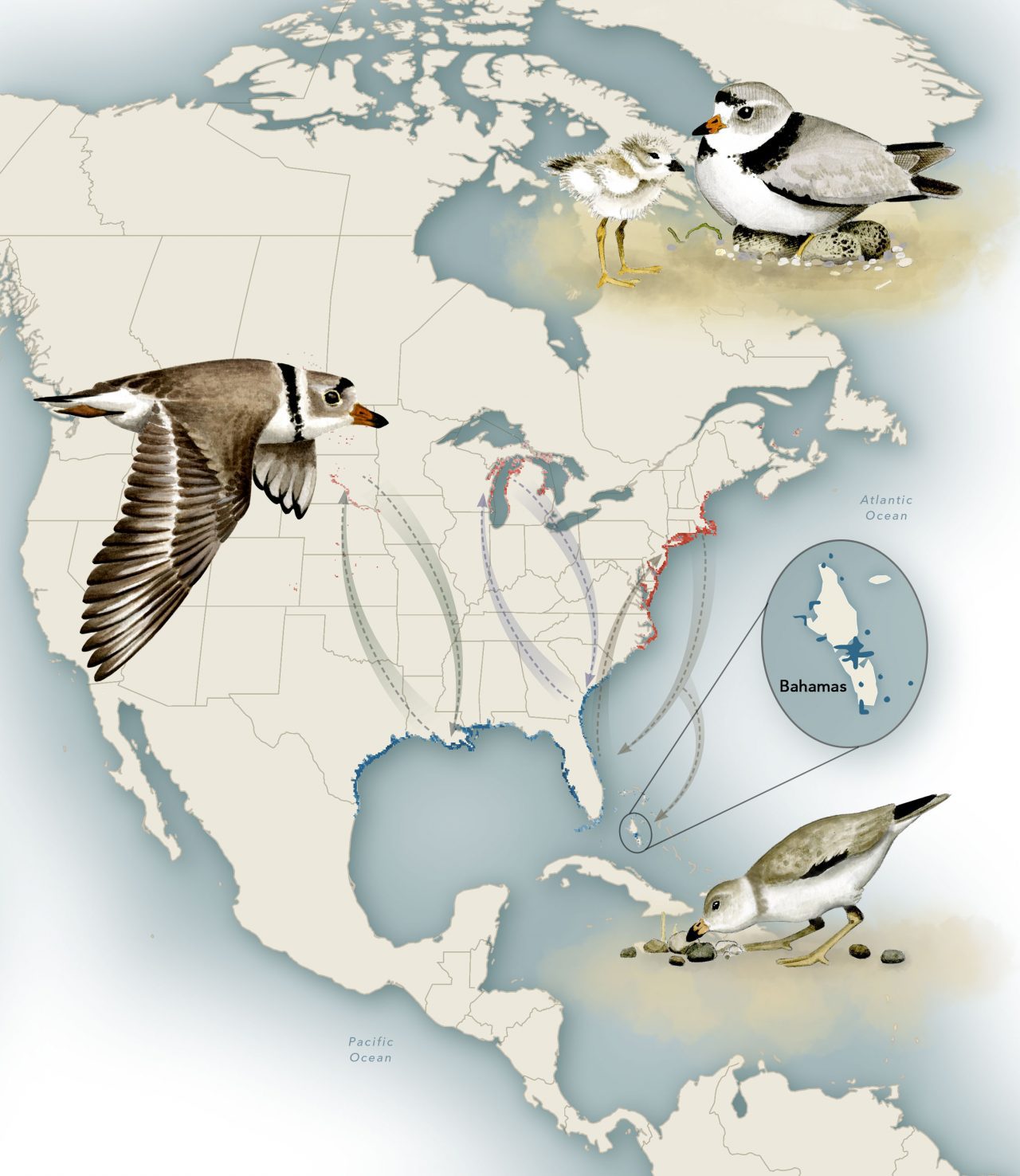
Many birds migrate to find better habitats. They travel long distances to places with more food or milder weather. Migration allows birds to avoid tough conditions and breed in safe spots. During migration, birds use stopover sites to rest and refuel before continuing their journey.
Impact Of Climate On Bird Homes
Climate changes affect where birds live and build nests. Warmer temperatures can shift habitats north or to higher places. Changes in rainfall affect food supply and water availability. Birds must adapt quickly or move to survive these changes. Climate impacts force birds to find new homes and adjust their behaviors.
Threats To Bird Habitats
Bird habitats face many dangers that threaten their survival. Birds rely on safe and stable environments. These habitats provide food, shelter, and places to breed. Damage to these areas can cause bird populations to drop sharply. Understanding the threats helps us protect birds better.
Deforestation And Habitat Loss
Cutting down forests removes homes for many birds. Trees offer shelter and food sources. Loss of forests leads to fewer nesting spots. Birds must move to new places or face danger. Habitat loss often results in smaller bird populations.
Pollution And Environmental Changes
Pollution poisons water, air, and soil. Chemicals and waste harm birds directly or affect their food supply. Environmental changes like climate shifts alter habitats quickly. Birds may not adapt fast enough to survive. Pollution reduces the quality of bird habitats greatly.
Urbanization Effects
Expanding cities take over natural lands. Buildings and roads break up bird habitats. Noise and lights disturb birds’ natural behaviors. Urban areas have fewer trees and plants. Birds find it harder to find food and safe nesting places.
Conservation Efforts And Protected Areas
Protected parks and reserves help save bird habitats. Laws limit destruction and control pollution in these areas. Conservation groups restore damaged environments. Planting trees and cleaning rivers improve habitats. These actions give birds a chance to thrive again.
Top Birdwatching Destinations
Birdwatching becomes truly exciting when you visit places where birds thrive in their natural habitats. These top birdwatching destinations offer you a chance to see a wide variety of species, many of which you might not encounter elsewhere. Whether you prefer dense forests, watery wetlands, high mountain peaks, or isolated islands, these habitats provide rich experiences for every bird lover.
Tropical Rainforests
Tropical rainforests are bursting with color and life. The dense canopy shelters countless bird species, including vibrant parrots, toucans, and elusive trogons. Walking through trails in places like the Amazon or Borneo, you’ll hear a symphony of bird calls that make it impossible to stay still.
If you want to see rare birds, rainforests are a perfect choice. Have you ever wondered how birds adapt to such thick vegetation? Watching them navigate the layers of leaves will give you a new appreciation of their agility.
Coastal Wetlands
Coastal wetlands are prime spots for birdwatchers who love waders, herons, and migratory shorebirds. The mix of saltwater and freshwater environments attracts thousands of birds, especially during migration seasons. Places like the Florida Everglades or the Wadden Sea offer easy access and impressive bird diversity.
Bring your binoculars early in the morning when birds are most active. You might spot species like the roseate spoonbill or the rare spoon-billed sandpiper. How often do you get to see birds feeding right at the water’s edge?
Mountainous Regions
Mountains challenge birds with their rugged terrain and changing climates. Yet, these regions host unique birds like eagles, vultures, and mountain finches. The Himalayas and the Rockies are famous for birdwatchers seeking species adapted to high altitudes.
Watching a bird soar against a backdrop of snow-capped peaks is breathtaking. Do you know which birds thrive in cold, thin air? Mountain birdwatching teaches you about survival in extreme conditions.
Island Ecosystems
Islands create isolated habitats where some birds evolve into species found nowhere else. The Galápagos Islands and Hawaii are hotspots for such endemics. Visiting these islands feels like stepping into a birdwatcher’s dream, with strange and beautiful birds around every corner.
Islands also highlight the fragility of bird habitats. You’ll often find conservation efforts here aimed at protecting unique species. Have you thought about how island life shapes bird behavior and appearance?
Credit: www.birdspot.co.uk
Frequently Asked Questions
Where Do Most Birds Build Their Nests?
Most birds build nests in trees, shrubs, or on the ground. They choose safe, sheltered spots to protect their eggs and chicks. Some species prefer cliffs or man-made structures. Nest location depends on the bird’s species, habitat, and available resources.
What Types Of Habitats Do Birds Prefer?
Birds prefer diverse habitats like forests, wetlands, grasslands, and urban areas. Each species has unique habitat needs based on food, shelter, and breeding requirements. Healthy habitats support bird populations by providing nesting sites and abundant food sources.
How Do Urban Environments Affect Bird Habitats?
Urban environments offer new nesting sites but also challenges like noise and pollution. Some birds adapt well to cities, using buildings and parks. Others may struggle due to habitat loss. Creating green spaces helps maintain urban bird habitats.
Can Birds Live In Extreme Habitats?
Yes, birds live in extreme habitats like deserts, tundras, and high mountains. They have special adaptations to survive harsh climates. For example, some desert birds conserve water, while mountain birds have thick feathers for cold.
Conclusion
Birds live in many different places around the world. Some choose forests, others like wetlands or deserts. Their homes depend on food, safety, and weather. Each habitat offers unique benefits and challenges. Protecting these places helps birds survive and thrive.
Watching birds in their habitats teaches us about nature. Remember, every bird’s home is important. Understanding where birds live connects us to the natural world. It encourages respect and care for the environment. Caring for habitats ensures birds will stay with us for years.




