
Are you wondering if you can place your hummingbird feeder close to your regular bird feeders? It’s a common question for anyone who loves watching different types of birds in their garden.
You want to attract as many feathered friends as possible without causing problems. Finding the right spot for your feeders can make a big difference in how often you see hummingbirds and other birds visit. Keep reading, and you’ll discover smart tips to set up your feeders so they work perfectly together.
This way, you’ll enjoy a lively and colorful backyard full of happy birds.
Hummingbird And Bird Feeder Basics
Understanding the basics of hummingbird and bird feeders is key to creating a welcoming space for various feathered friends. Knowing what types of feeders to use and how they attract different birds can help you decide if placing hummingbird feeders close to bird feeders works for your garden. Let’s break down the essentials to guide your setup for a lively backyard bird scene.
Types Of Feeders
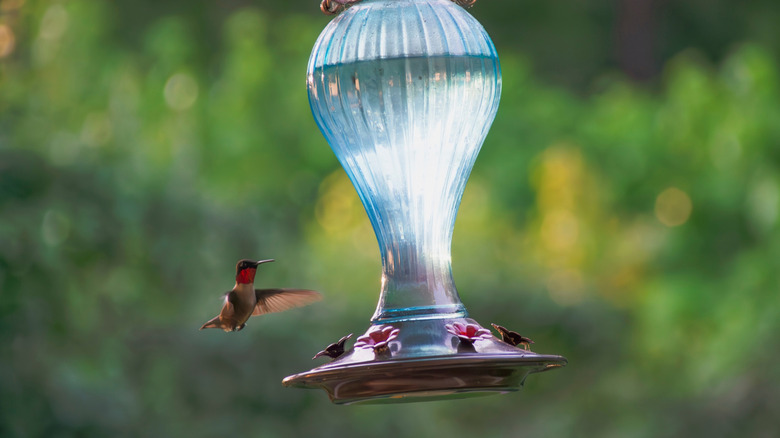
There are several feeder styles designed for different bird species. Hummingbird feeders usually have bright red parts and small feeding ports to hold sugar water.
- Hummingbird Feeders:Typically glass or plastic with red accents to attract hummingbirds.
- Seed Feeders:Designed for finches, sparrows, and cardinals; they come in tube, hopper, or platform styles.
- Suet Feeders:Great for woodpeckers and nuthatches, holding high-fat suet cakes.
Choosing the right feeder helps ensure the birds you want actually visit your yard.
Attracting Different Birds
Different birds prefer different foods and feeder types, so your setup can influence which species show up. Hummingbirds seek nectar feeders, while most songbirds prefer seeds or suet.
Have you noticed how hummingbirds zoom past seed feeders without stopping? That’s because they’re after nectar, not seeds. Meanwhile, finches and sparrows ignore nectar feeders entirely.
Placing feeders too close together can sometimes lead to competition or stress among birds. But with thoughtful spacing and feeder types, you can attract a variety of birds without conflict. What’s your experience with mixing feeders—have you found a good distance that keeps everyone happy?
Placement Tips For Feeders
Placing hummingbird feeders near regular bird feeders can be tricky. You want to enjoy visits from both without causing stress or scaring them away. Thoughtful placement helps create a peaceful feeding zone where all birds feel safe and welcome.
Ideal Distance Between Feeders
Keep hummingbird feeders at least 10 to 15 feet away from traditional bird feeders. This distance reduces competition and prevents larger birds from dominating the area. It also helps hummingbirds feel secure, as they prefer quieter spots without constant activity nearby.
Try placing the hummingbird feeder near flowers or shrubs they like. This natural cover gives them a quick escape route if threatened. Meanwhile, the regular feeder can be closer to open spaces where bigger birds feel comfortable.
Avoiding Territorial Conflicts
Hummingbirds can be very territorial. If their feeder is too close to others, they might chase away smaller birds or get stressed themselves. Watch for aggressive behavior and adjust feeder positions if you notice constant fighting.
Use separate perching spots near each feeder to reduce tension. Adding multiple feeding stations for different species helps too. Have you noticed how some birds prefer feeders with certain colors or shapes? Offering variety can keep peace in your backyard.
Feeder Maintenance And Hygiene
Keeping your hummingbird and regular bird feeders clean is essential for the health of the birds visiting your yard. Proper feeder maintenance and hygiene prevent the spread of diseases and keep the nectar and seeds fresh. Even if you place feeders close together, hygiene should never be compromised.
Cleaning Frequency
How often you clean your feeders depends on the weather and usage. During hot weather, nectar can spoil in just a few days, so cleaning every 2-3 days is best. In cooler seasons, once a week usually works well.
Pay attention to signs of dirt, mold, or leftover food. If you see any, clean the feeder immediately. Sticking to a regular schedule helps you avoid harmful buildup.
Preventing Mold And Bacteria
Mold and bacteria grow quickly in moist environments like hummingbird feeders. To stop this, rinse the feeder thoroughly with hot water and a mild soap. Avoid harsh chemicals—they can harm the birds.
Allow feeders to dry completely before refilling. You can also soak parts in a solution of one part white vinegar to four parts water to kill germs. Rinse well afterward to remove any vinegar taste.
Have you ever noticed birds avoiding a feeder? It’s often a sign the feeder needs cleaning. Keeping feeders spotless ensures your feathered friends come back again and again.

Credit: www.birdwatchingdaily.com
Feeding Schedules And Nectar Choices
Feeding hummingbirds alongside other bird species can be a rewarding experience, but understanding their unique feeding schedules and nectar preferences is key. Hummingbirds have specific dietary needs and habits that differ from common backyard birds. Knowing what nectar to offer and when to refresh it can help you attract these tiny visitors without deterring your feathered friends.
Best Nectar Recipes
Hummingbirds prefer a simple sugar-water mix that mimics natural flower nectar. The most effective recipe uses one part white granulated sugar to four parts water. Avoid honey, artificial sweeteners, or red dye, as these can harm the birds or reduce nectar quality.
Boil the water first to dissolve the sugar fully and kill any bacteria. Let it cool before filling your feeder. This basic nectar keeps hummingbirds coming back without attracting unwanted insects or encouraging mold growth.
Timing For Refills
Timing your refills impacts how often hummingbirds visit and how safe the nectar remains. Warm weather speeds up fermentation and spoilage, so check and refill your feeders every 2 to 3 daysduring hot months.
In cooler weather, you can stretch this to about a week. Watch for cloudy or fermented nectar—this means it’s time for a refill. Have you noticed how quickly your feeders empty in the morning? That’s a good sign your schedule matches their feeding habits.
Safety Considerations
Safety considerations play a key role when placing hummingbird feeders close to regular bird feeders. You want to create a welcoming space for all birds without putting any at risk. Balancing proximity with safety helps keep your feathered visitors happy and healthy.
Protecting Feeders From Predators
Predators like cats and hawks can turn your feeders into hunting zones. Position hummingbird feeders at least 10 feet away from places where predators can hide, such as thick bushes or tall trees.
Use feeder guards or baffles to block climbing animals from reaching the feeders. You might have noticed how a simple squirrel baffle keeps pesky squirrels away—similar tools work for predators too.
Does your feeder location give birds a clear escape route? Birds need quick exits to avoid danger, so keep feeders in open spaces but near some cover.
Weather And Environment Factors
Strong winds and direct sunlight can affect nectar quality and feeder stability. Place feeders where they get morning sun but are shielded from harsh afternoon heat to prevent nectar from spoiling quickly.
Rain can dilute nectar or cause mold growth. Consider hanging feeders under eaves or tree branches to protect them from heavy rain.
Think about how weather changes during the year—can you easily move feeders to better spots as seasons shift? Flexibility in placement can save you time and keep feeders safe.
Credit: www.outdoorguide.com

Credit: www.hummingbirdsociety.org
Frequently Asked Questions
Can Hummingbird Feeders Be Placed Near Regular Bird Feeders?
Yes, hummingbird feeders can be close to regular feeders. Keep some space to reduce competition and avoid crowding. This setup attracts various birds and allows you to enjoy different species in one area.
How Close Should Hummingbird And Bird Feeders Be?
Place hummingbird and bird feeders at least 10 to 15 feet apart. This distance minimizes territorial disputes and keeps hummingbirds comfortable while feeding.
Will Hummingbirds Avoid Feeders Near Other Bird Feeders?
Hummingbirds may avoid feeders placed too close to larger bird feeders. They prefer quieter, less crowded feeding spots. Proper spacing encourages hummingbirds to visit regularly.
Does Proximity Of Feeders Affect Hummingbird Behavior?
Yes, proximity can affect hummingbird behavior. Closely placed feeders may cause stress or aggression. Spacing feeders properly promotes peaceful feeding and better bird-watching experiences.
Conclusion
Hummingbird feeders can sit near regular bird feeders. Keep them a few feet apart to avoid crowding. This helps hummingbirds feed without stress. Both types of feeders attract different birds, adding variety to your yard. Clean feeders often to keep birds healthy.
Watching these beautiful creatures close by brings joy and calm. Simple steps make your garden a bird-friendly place. Enjoy the mix of colors and sounds hummingbirds and other birds bring.




