
If you love watching birds flutter and sing in your yard, attracting them to a feeder can bring endless joy right outside your window. But how do you make sure your feeder becomes a favorite spot for a variety of birds?
You might be surprised how small changes can make a big difference. You’ll discover simple and effective tips to turn your feeder into a lively bird magnet. Get ready to enjoy more colorful visitors and peaceful moments in your own backyard!
Choosing The Right Feeder
Choosing the right bird feeder is key to attracting birds to your yard. The feeder type affects which birds visit and how often. A good feeder also keeps food safe and clean. Think about the birds you want to attract and your outdoor space. The feeder material and where you place it matter a lot. Each feeder style suits different birds and feeding habits.
Types Of Bird Feeders
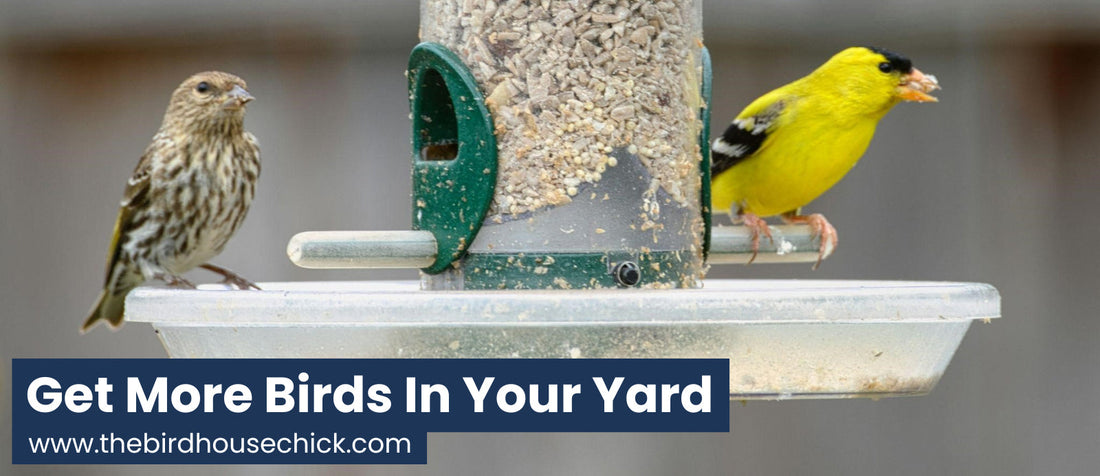
- Tube Feeders:Great for small songbirds like finches and chickadees. They have small holes for tiny seeds.
- Hopper Feeders:Hold large amounts of seed. Attracts many bird types, including cardinals and grosbeaks.
- Platform Feeders:Open trays that suit many birds. Ideal for ground-feeding species like doves and juncos.
- Nectar Feeders:Designed for hummingbirds. Hold sugar water and have small feeding ports.
- Suet Feeders:Attract woodpeckers and nuthatches. Hold blocks of suet or fat mixed with seeds.
Material And Durability
Choose feeders made from weather-resistant materials. Metal feeders last long and resist squirrels. Plastic feeders are lightweight and affordable. Wood feeders blend with nature but need sealing. Check for rust-proof parts and sturdy construction. A durable feeder saves money and reduces waste.
Placement Tips
Place feeders near trees or shrubs for cover. Birds feel safer with nearby shelter. Avoid spots too close to windows to prevent collisions. Keep feeders away from predators like cats. Position feeders at least 5 feet off the ground. This height reduces risks and attracts more birds.

Credit: www.youtube.com
Selecting Bird-friendly Food
Choosing the right food for your bird feeder is crucial to attract a variety of birds and keep them coming back. Different birds prefer different seeds and treats, so understanding what to offer can make your feeder a hotspot for feathered visitors. Your goal should be to provide food that is both nutritious and appealing to local birds.
Popular Seeds And Mixes
Black oil sunflower seeds are a favorite among many bird species because of their high fat content and thin shells. Millet is another popular choice, especially for ground-feeding birds like sparrows and doves. You can also offer a mixed seed blend that includes cracked corn, safflower, and Nyjer seeds to attract finches, cardinals, and chickadees.
Have you noticed how some birds ignore certain seeds? Observing which seeds your local birds prefer can help you customize your mix. Avoid mixes with a lot of filler seeds like wheat or oats, as many birds tend to discard these on the ground.
Seasonal Food Choices
Different seasons call for different foods. In colder months, high-energy seeds like sunflower and peanuts help birds stay warm. During spring and summer, offering fruits and suet can attract insect-eating birds and those feeding their young.
Think about your local climate and bird species. Are you feeding birds through winter? Adding suet or peanut butter can supply extra calories they need. In warmer months, fresh fruits like berries or chopped apples can add variety and nutrition.
Avoiding Harmful Foods
Not all foods are safe for birds. Bread, for example, offers little nutritional value and can harm their health. Avoid salted or flavored seeds and nuts, which can be toxic to birds.
Have you ever wondered why some birds avoid certain feeders? Sometimes, harmful or low-quality food is the cause. Stick to natural, untreated seeds and keep your feeder clean to prevent mold and bacteria buildup.
Creating A Welcoming Environment
Creating a welcoming environment is key to attracting birds to your feeder. Birds need more than food. They seek water, shelter, and safe places to rest. A thoughtful setup invites them to visit often and stay longer. Small changes in your garden can make a big difference. It helps birds feel safe and comfortable around your feeder.
Providing Water Sources
Birds need fresh water for drinking and bathing. A clean birdbath is perfect for this. Keep the water shallow and change it regularly. Moving water, like a small fountain, attracts more birds. It also helps keep the water fresh and clean. Place the water source near the feeder but with some open space. Birds like to see around them while drinking.
Adding Shelter And Perches
Birds look for places to hide from predators and bad weather. Shrubs, trees, and bushes offer good shelter. Dense plants near feeders give birds quick escape spots. Adding perches around the feeder helps birds rest between feeding. Use branches, small poles, or specially made perches. Perches also allow birds to watch for danger. Provide different heights and distances from the feeder for variety.
Using Native Plants
Native plants support local birds better than exotic ones. They provide natural food like seeds, berries, and insects. Native plants also offer shelter and nesting spots. Choose plants that bloom at different times of the year. This ensures food and cover all seasons. Native plants attract more birds naturally and keep them healthy. Planting a mix of trees, shrubs, and flowers creates a bird-friendly habitat.

Credit: happygardens.com
Maintaining Your Feeder
Clean feeders invite more birds by staying free of mold and old seeds. Regular washing keeps feeders safe and fresh for visiting birds. Refill often to maintain a steady food supply.
Attracting a vibrant array of birds to your feeder is a rewarding experience, but maintaining your feeder is crucial for ensuring their safety and well-being. A well-maintained feeder not only keeps birds coming back but also prevents the spread of disease and keeps pests at bay. Let’s dive into some practical tips for maintaining your bird feeder effectively.Cleaning Frequency
Regular cleaning is essential for a healthy bird environment. Aim to clean your feeder every two weeks, or more often if it appears dirty. Use a mild soap and warm water to scrub away dirt and residue, and rinse thoroughly to remove any soap traces.Preventing Mold And Pests
Mold and pests can deter birds and even harm them. Ensure your feeder is in a well-ventilated area to prevent moisture build-up, which can lead to mold. For pests, consider using feeders with built-in pest deterrents or adding a bit of cayenne pepper to the birdseed—birds can’t taste it, but pests will stay away.Safe Refilling Practices
When refilling your feeder, ensure your hands are clean to avoid transferring oils or contaminants. Use fresh birdseed and avoid overfilling to prevent spillage. Consider using a funnel to minimize waste and maintain a tidy feeding area. Maintaining your feeder isn’t just about keeping it clean—it’s about creating a welcoming and safe environment for your feathered visitors. How often do you inspect your feeder for wear and tear? Maybe it’s time to make it a routine part of your birdwatching habit.Attracting Specific Bird Species
Attracting specific bird species requires understanding their preferences. Different birds enjoy different types of food and feeders. Matching the right feeder with the right bird increases your chances of visits. Observing local birds helps choose the best feeder type for your area.
Birds For Seed Feeders
Seed feeders attract many common backyard birds. Black oil sunflower seeds suit most species. These seeds are small, easy to eat, and high in energy.
- Finches love nyjer seeds in mesh feeders.
- Cardinals prefer sunflower seeds on platform feeders.
- Chickadees and sparrows enjoy mixed seed blends.
Use tube feeders for small birds. Platform feeders work well for larger birds. Keep feeders clean to avoid disease.
Birds For Nectar Feeders
Nectar feeders attract hummingbirds and orioles. Use a sugar-water mix to mimic flower nectar. The recipe is four parts water to one part sugar.
- Hummingbirds prefer red or brightly colored feeders.
- Orioles like orange jelly feeders and nectar.
Change nectar every few days to prevent mold. Place feeders near flowers to increase visits. Avoid using honey or artificial sweeteners.
Birds For Suet Feeders
Suet feeders attract insect-eating birds, especially in cold weather. Suet is a high-energy food made from animal fat.
- Woodpeckers love suet cakes with nuts and seeds.
- Nuthatches and wrens are frequent suet visitors.
- Chickadees also enjoy suet during winter months.
Hang suet feeders on trees or poles away from predators. Keep suet fresh by storing it in a cool place. Rotate flavors to attract different species.
Credit: www.thebirdhousechick.com
Enhancing Birdwatching Experience
Birdwatching becomes more enjoyable with simple steps that enhance the experience. Observing birds at your feeder lets you connect with nature. Small efforts improve your chances to see different species clearly. Tools and timing play key roles to make birdwatching fun and rewarding.
Best Times To Watch
Early morning and late afternoon are ideal times for birdwatching. Birds are most active during these hours. Cooler temperatures encourage them to visit feeders more often. Avoid midday when birds rest and hide in shade. Weekdays may be quieter, giving a calm environment to observe.
Using Binoculars And Cameras
Binoculars bring distant birds closer, revealing fine details. Choose lightweight binoculars with good magnification for comfort. Cameras with zoom lenses capture clear photos without disturbing birds. Practice keeping devices steady to avoid blurry images. Patience is key; sudden moves can scare birds away.
Keeping A Bird Journal
Writing down your birdwatching notes helps track species and behaviors. Record dates, times, and types of birds seen at your feeder. Note any unusual bird activity or new visitors. This habit sharpens observation skills and builds a personal bird database. Over time, the journal shows patterns in bird visits.
Frequently Asked Questions
What Types Of Bird Feeders Attract The Most Birds?
Tube feeders attract small songbirds, while platform feeders attract larger birds. Hopper feeders are versatile, attracting various species with mixed seeds.
Which Seeds Are Best For Attracting Birds To Feeders?
Black oil sunflower seeds are popular and attract many birds. Nyjer seeds attract finches, while millet is favored by ground-feeders.
How Can I Keep My Bird Feeder Clean And Safe?
Clean feeders every two weeks with warm, soapy water. Rinse well to prevent mold and bacteria that harm birds.
Where Should I Place Bird Feeders For Best Results?
Place feeders near natural cover like shrubs or trees. This provides birds safety and encourages frequent visits.
Conclusion
Attracting birds to your feeder brings joy and life to your yard. Choose the right seeds and place feeders in safe spots. Keep feeders clean and refill them regularly. Patience helps as birds learn about new feeding places. Watching birds up close creates a peaceful, happy feeling.
Small steps make a big difference in bird visits. Enjoy the beauty and sounds that come with it. Keep trying and your feeder will soon welcome many feathered friends.




