
If you love watching hummingbirds visit your garden, you want to make sure your feeders are placed just right. But how far should hummingbird feeders be from other bird feeders?
Getting this distance right can mean the difference between a crowded feeder and a peaceful spot where hummingbirds feel safe. You’ll discover simple tips to attract more hummingbirds while keeping all your feathered friends happy. Keep reading to find out how the right placement can transform your backyard into a hummingbird haven.
Ideal Distance Between Feeders
Placing hummingbird feeders at the right distance from other bird feeders is important. It helps reduce competition and keeps hummingbirds safe. Proper spacing lets different birds enjoy their food without stress or fights. Finding the ideal distance supports peaceful feeding and attracts more visitors to your yard.
Factors Affecting Feeder Placement
Several elements influence where to place hummingbird feeders. Consider the types of birds visiting your yard. Some birds may be more aggressive and chase others away. The size of your yard also matters for spacing. Weather conditions like wind can move feeders, so sturdy placement helps. Finally, think about visibility and ease of access for hummingbirds.
Minimum And Maximum Distance Guidelines
- Keep hummingbird feeders at least 10 feet from other feeders.
- This distance helps prevent hummingbirds from being disturbed.
- Spacing feeders about 15 to 20 feet apart is ideal for calm feeding.
- Too close may cause fights and stress among birds.
- Too far apart can make it hard for hummingbirds to find food.
These guidelines create a balance between safety and convenience. Adjust distances based on your yard’s layout and bird activity.
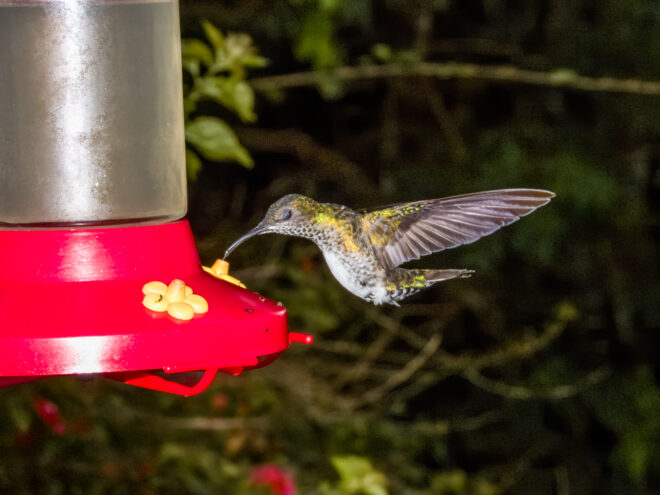
Credit: www.birdwatchingdaily.com
Behavior Of Hummingbirds Near Feeders
Hummingbirds show unique behaviors around feeders. Understanding their actions helps place feeders effectively. They react strongly to nearby feeders and other birds. Observing these behaviors improves your chances of attracting and keeping hummingbirds happy.
Territorial Nature
Hummingbirds are very protective of feeding areas. Males often guard feeders to keep others away. This behavior helps secure enough food in one spot. They dive and chase intruders quickly. Small size but big attitude. They may visit the same feeder for long periods. Placing feeders too close can cause fights. Give enough space to reduce aggression. A distance of at least 10 feet between feeders works well.
Feeding Patterns
Hummingbirds feed frequently and in short bursts. They hover and sip nectar quickly. Many prefer feeders placed in quiet, safe spots. They often visit feeders during early morning and late afternoon. Multiple feeders spaced properly encourage more visits. Different feeders attract different hummingbirds. Some feeders suit territorial birds; others attract shy ones. Providing varied feeder styles and locations helps support their natural habits.
Types Of Bird Feeders And Their Impact
Different types of bird feeders attract different species and influence how birds interact around your feeding area. Understanding these feeders helps you decide the best placement for your hummingbird feeder. The type of feeder nearby can affect hummingbirds’ comfort and feeding habits more than you might expect.
Hummingbird Feeders
Hummingbird feeders are designed to hold nectar, their primary food source. They usually have bright red parts to attract hummingbirds and small feeding ports to prevent other birds from drinking. Keeping these feeders away from seed feeders reduces competition and stress for hummingbirds, letting them feed peacefully.
Have you noticed hummingbirds avoiding feeders near larger birds? This is common because hummingbirds feel threatened by bigger birds that visit seed or suet feeders. Placing hummingbird feeders at least 10 to 15 feet away from other feeders can create a safe zone for them.
Seed Feeders
Seed feeders attract a wide range of birds like finches, sparrows, and cardinals. These birds are often larger and more aggressive than hummingbirds. Their presence near hummingbird feeders can scare off the smaller, more delicate hummingbirds.
Consider placing seed feeders lower or in a different part of your yard. This separation minimizes encounters between hummingbirds and seed-eating birds. Have you tried observing how hummingbirds behave when seed feeders are too close? Their hesitation or avoidance is a clear sign to increase the distance.
Suet And Nectar Feeders
Suet feeders attract woodpeckers, nuthatches, and other insect-eating birds. Nectar feeders, besides hummingbirds, sometimes attract bees and wasps. Both types can create competition or distractions near hummingbird feeders.
Position suet feeders well away from hummingbird feeders to prevent territorial disputes. Nectar feeders that are not specifically for hummingbirds can cause confusion and reduce the hummingbirds’ feeding efficiency. Have you noticed bees swarming around your hummingbird feeder? This might mean you need to relocate the feeder to a less crowded spot.

Credit: www.birdwatchingdaily.com
Tips To Attract Hummingbirds Safely
Attracting hummingbirds to your garden is a rewarding experience, but it requires more than just hanging a feeder. You want these tiny birds to visit often and stay safe while they do. Understanding how to place feeders properly, keep them clean, and offer the right nectar can make a big difference in their health and your enjoyment.
Feeder Placement Strategies
Hummingbird feeders should be placed at least 10 to 15 feet away from other bird feeders. This distance helps reduce competition and aggressive behavior from larger birds. It also gives hummingbirds a clear flight path and a calm feeding spot.
Choose a location with some shade to prevent nectar from spoiling quickly. Placing feeders near flowers or shrubs can attract more hummingbirds by providing natural perches. Have you noticed how they prefer spots where they can rest between sips?
Maintaining Cleanliness
Clean feeders regularly—about once a week or more in hot weather. Old nectar can ferment and harm hummingbirds. Use warm water and a mild soap, avoiding harsh chemicals that might leave harmful residues.
Rinse thoroughly and let feeders dry completely before refilling. Keeping feeders spotless prevents mold and bacteria growth, protecting hummingbirds from illness. Have you ever seen a hummingbird avoid a dirty feeder? It’s a clear sign they notice cleanliness.
Choosing The Right Nectar
Make your own nectar by mixing 1 part white granulated sugar with 4 parts water. Boil the mixture briefly, then cool it before filling the feeder. Avoid using honey, artificial sweeteners, or red dye, which can be harmful.
Fresh nectar attracts hummingbirds and keeps them healthy. Change the nectar every few days, especially in warm weather. How often do you refresh your feeders? Frequent changes can mean more visits from these energetic birds.
Common Mistakes To Avoid
Setting up hummingbird feeders near other bird feeders can be tricky. Many people make simple mistakes that scare away hummingbirds or reduce feeder use. Avoiding these errors helps keep hummingbirds happy and coming back often. Below are common mistakes to watch out for when placing hummingbird feeders.
Placing Feeders Too Close
Placing hummingbird feeders too close to other bird feeders causes problems. Hummingbirds feel threatened by larger birds nearby. They may avoid feeders that are crowded or noisy. Give at least 10 feet between hummingbird feeders and other feeders. This distance creates a safer space for hummingbirds to feed calmly. It also reduces fights between different bird species.
Ignoring Feeder Maintenance
Dirty feeders harm hummingbirds and reduce visits. Old nectar grows moldy fast, which can make birds sick. Clean hummingbird feeders every few days with hot water and mild soap. Rinse well to remove any soap residue. Always refill feeders with fresh nectar. Regular cleaning prevents disease and keeps birds healthy.
Wrong Feeder Types Together
Using the wrong feeder types near hummingbird feeders can cause confusion. Feeders designed for larger birds attract unwanted visitors to the area. These visitors scare hummingbirds away from their feeders. Use feeders specifically made for hummingbirds with small feeding ports. Keep these feeders separate from those for finches, cardinals, or other birds.
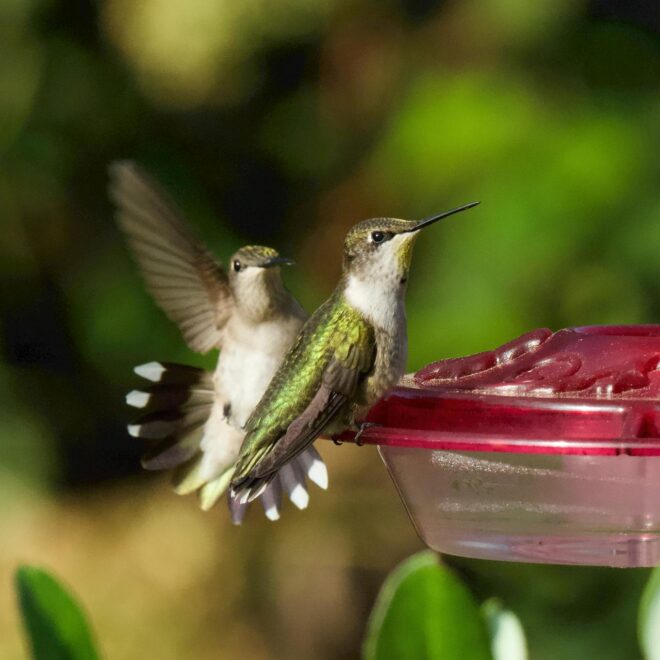
Credit: www.birdwatchingdaily.com
Seasonal Considerations For Feeder Placement
Placing hummingbird feeders strategically involves understanding the seasonal shifts in bird behavior. As the seasons change, so do the needs and habits of our feathered visitors. By adjusting your feeder placement with these considerations, you can create a welcoming environment for hummingbirds and other birds alike.
Migratory Patterns
Hummingbirds are known for their incredible migratory journeys. During migration seasons, they need quick and easy access to food sources to fuel their long flights. Consider placing hummingbird feeders closer to areas where these tiny travelers can easily spot them, like near flowering plants or along their flight paths.
Meanwhile, other birds might not travel as far, so keeping their feeders in familiar spots can help them maintain their routine. Understanding the migratory patterns of both hummingbirds and other local birds can guide you in arranging your feeders effectively. Are you prepared to adjust your feeders as the seasons change?
Weather Impact
Weather changes can significantly affect where and how you place your feeders. In colder months, birds need more energy, so placing feeders in sheltered areas can protect them from harsh winds and make feeding more comfortable.
During the hot summer, ensure feeders are in shady spots to prevent nectar from spoiling quickly. Weather considerations not only ensure the well-being of the birds but also enhance the longevity and effectiveness of your feeders. Have you considered how weather shifts might impact your feeder placements?
Frequently Asked Questions
How Far Should Hummingbird Feeders Be From Other Feeders?
Hummingbird feeders should be at least 10 to 15 feet away from other bird feeders. This distance prevents territorial disputes and reduces competition for food, ensuring hummingbirds feed comfortably without disturbance.
Why Keep Hummingbird Feeders Separate From Seed Feeders?
Hummingbirds prefer nectar and can be stressed by larger birds near seed feeders. Separating feeders helps reduce aggressive behavior and attracts more hummingbirds to your yard.
Can Placing Feeders Too Close Affect Hummingbird Behavior?
Yes, placing feeders too close causes territorial fights among hummingbirds. It may also discourage them from visiting your feeders, impacting their feeding patterns and your chances of watching them.
What Is The Best Placement For Hummingbird Feeders?
Place hummingbird feeders in open areas with some shade, away from busy feeders. This location offers safety, clear flight paths, and attracts hummingbirds by mimicking natural flower spots.
Conclusion
Placing hummingbird feeders at least 10 feet from other feeders helps birds stay calm. This distance reduces competition and keeps hummingbirds safe. It also lets them enjoy their food without stress. Watching these tiny birds up close becomes more fun this way.
Remember, spacing feeders properly supports healthy bird visits. Keep it simple and enjoy nature’s little wonders right in your yard.




