
If you’ve ever hung a hummingbird feeder in your yard, you might have wondered: are hummingbirds the only visitors? What birds like hummingbird feeders besides the tiny, colorful hummers?
Knowing which feathered friends are attracted to your feeder can make your backyard even more exciting and lively. You’ll discover surprising visitors that love hummingbird feeders and learn how to make your garden a hotspot for a variety of beautiful birds.
Ready to attract more winged wonders to your outdoor space? Let’s dive in!
Common Visitors To Hummingbird Feeders
Hummingbird feeders attract a variety of birds beyond just hummingbirds. These feeders offer sweet nectar that many birds find irresistible. Watching the different visitors can be a delightful experience. Some species come regularly, while others visit occasionally. Understanding common visitors helps in setting up feeders that appeal to more birds.
Hummingbird Species That Frequent Feeders
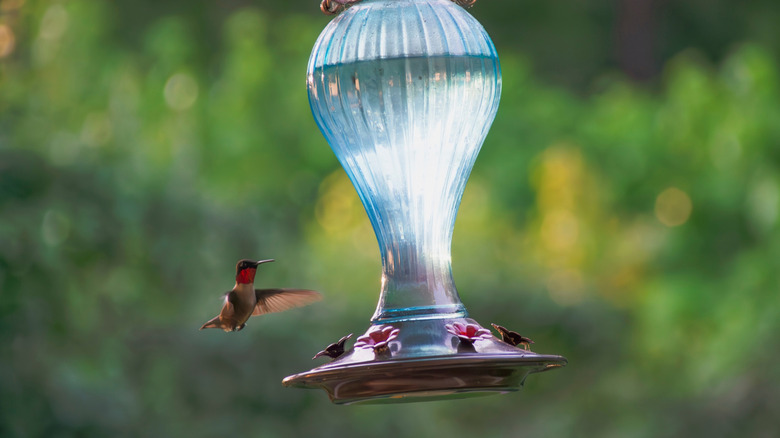
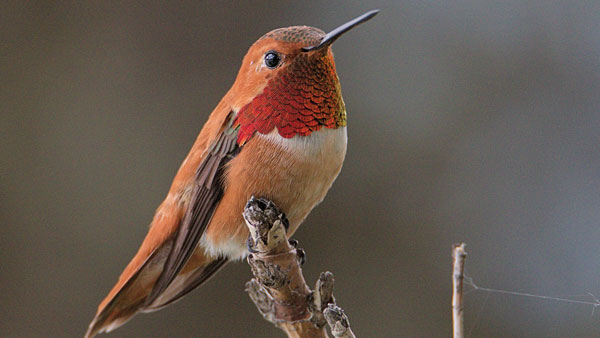
Several hummingbird species are known for visiting feeders. The Ruby-throated Hummingbird is the most common in eastern North America. Anna’s Hummingbird often visits feeders on the west coast. Black-chinned Hummingbirds are frequent guests in the southwestern U.S. Broad-tailed and Rufous Hummingbirds also enjoy nectar feeders during migration. These species rely on feeders especially when natural flowers are scarce.
Other Nectar-feeding Birds
Other birds also visit hummingbird feeders for nectar. Orioles are attracted to sweet liquids and bright colors. Bananaquits, found in tropical areas, feed on nectar and sometimes insects. Some species of warblers and tanagers may sip nectar occasionally. These birds add diversity to the feeder visitors and increase backyard birdwatching fun.
Credit: www.outdoorguide.com
Unexpected Guests At Feeders
Setting up a hummingbird feeder often draws more than just hummingbirds. You might notice some unexpected visitors stopping by, adding surprise and delight to your backyard watch. These guests can range from tiny insects to curious small birds, each with its own reason for checking out the nectar.
Insects And Butterflies
Hummingbird feeders attract more than birds—they also bring in insects and butterflies. Bees and wasps are frequent visitors, drawn by the sweet nectar. While they can be a nuisance, they play a role in pollination, making your garden healthier.
Butterflies, such as monarchs and swallowtails, often hover near feeders. They sip nectar from the feeder ports or nearby flowers. If you want to encourage these colorful guests, consider adding shallow dishes with sugar water or planting butterfly-friendly flowers close to your feeder.
Small Birds That Try The Feeders
Besides hummingbirds, small birds like finches, chickadees, and even titmice may investigate your feeder. These birds are curious and might peck at the feeder ports or hang around waiting for a turn. Some finches even enjoy the sugar water, although it’s not their primary food source.
Watching these small birds interact with your feeder can be fascinating. You might notice a finch sharing the space with a hummingbird or a chickadee cautiously approaching. Have you ever spotted a bird you didn’t expect at your feeder? Their unexpected visits add a new layer of joy to birdwatching right at home.
Factors Attracting Various Birds
Attracting a variety of birds to your hummingbird feeder depends on several key factors. These elements influence not only which species visit but also how often they return. Understanding these factors can help you create a welcoming environment for different birds, turning your garden into a lively birdwatching spot.
Feeder Design And Color
The design of your feeder plays a big role in attracting certain birds. Hummingbirds prefer feeders with bright red parts because they associate red with nectar-rich flowers. However, other birds like orioles and woodpeckers might be drawn to feeders with orange or yellow accents.
Feeder shape matters too. Some birds are more comfortable with feeders that have perches, while hummingbirds often prefer feeders without perches to avoid competition. Have you noticed how a simple change in feeder style can change the types of birds visiting your yard?
Location And Placement
Where you put your feeder affects which birds find it. Placing feeders near trees or shrubs offers birds a quick escape route from predators, making them feel safer. Open spaces might attract more aggressive or bold species, but shy birds tend to avoid these areas.
Height matters as well. Hummingbirds usually visit feeders placed at eye level or slightly higher, while ground-feeding birds prefer lower feeders. Think about the natural habits of the birds you want to attract when choosing a spot for your feeder.
Seasonal Influences
Bird activity around feeders changes with the seasons. In spring and summer, hummingbirds are more active due to breeding and feeding their young. During fall and winter, other species like chickadees or nuthatches may visit more frequently as natural food sources become scarce.
Adjusting your feeder maintenance and nectar supply according to the season can keep different birds coming back. Have you tried varying your feeder routine to match seasonal changes and noticed new visitors?

Credit: www.birdwatchingdaily.com
Tips To Encourage Diverse Visitors
Encouraging a variety of birds to visit your hummingbird feeders can turn your garden into a lively hotspot. You don’t just attract hummingbirds; other nectar-loving birds may show up too. Small changes in your feeder setup can make a big difference in the types of visitors you get.
Choosing The Right Feeders
Not all feeders are created equal. Some designs attract only hummingbirds, while others invite orioles, butterflies, and even bees. Look for feeders with multiple feeding ports and perches to accommodate different bird species.
Clear glass feeders often blend into the surroundings, making shy birds feel safer. Bright red feeders work well for hummingbirds but may deter others. Consider placing several feeders with different shapes and colors around your yard to see which birds respond best.
Selecting Nectar Recipes
The standard nectar mix is four parts water to one part sugar. However, tweaking this ratio can invite a wider range of birds. Orioles prefer a slightly stronger mix, around three parts water to one part sugar, while butterflies are attracted to diluted nectar.
Avoid using honey or artificial sweeteners; they can harm birds. Adding a few drops of lemon juice can help preserve the nectar, but too much might discourage some visitors. Have you noticed which birds come to your feeders after changing the nectar recipe?
Maintaining Feeder Cleanliness
Clean feeders are essential to keep birds healthy and coming back. Moldy or fermenting nectar can spread diseases and drive birds away. Wash feeders thoroughly with hot water every few days, especially in warm weather.
Using a mild bleach solution once a week can kill harmful bacteria. Rinse well to remove any residue. Keeping the feeder area tidy also reduces pests like ants and wasps, which can scare off your feathered guests.
Common Challenges With Non-hummingbird Visitors
Non-hummingbird visitors often come to hummingbird feeders. They bring challenges that can affect the feeder’s purpose. These visitors may include larger birds and insects. They can scare away hummingbirds or damage the feeder. Managing these visitors keeps the feeder hummingbird-friendly and clean.
Dealing With Aggressive Birds
Some birds, like starlings and grackles, can be very aggressive. They may chase hummingbirds away from the feeder. These birds are bigger and more persistent. Their presence makes it hard for hummingbirds to feed.
To reduce aggressive birds:
- Use feeders with smaller feeding ports.
- Place feeders in open areas to avoid hiding spots.
- Remove feeders temporarily if aggressive birds dominate.
- Offer alternative feeding stations away from hummingbird feeders.
Preventing Insect Overpopulation
Insects like ants, bees, and wasps love the sweet nectar. They can swarm feeders and block hummingbirds from feeding. Insects also spoil the nectar quickly.
To control insect problems:
- Use ant moats filled with water above feeders.
- Choose feeders with bee guards on feeding ports.
- Clean feeders regularly to avoid nectar buildup.
- Move feeders away from flowering plants that attract insects.
Credit: www.calgary.ca
Frequently Asked Questions
What Birds Are Attracted To Hummingbird Feeders?
Besides hummingbirds, orioles, woodpeckers, and butterflies often visit hummingbird feeders. These feeders offer sweet nectar that attracts various nectar-feeding and insect-eating birds.
Can Orioles Use Hummingbird Feeders?
Yes, orioles enjoy nectar and will use hummingbird feeders, especially those with larger feeding ports. Offering orange slices alongside nectar attracts them more.
Do Woodpeckers Feed From Hummingbird Feeders?
Woodpeckers sometimes visit hummingbird feeders for nectar, especially during scarce food times. They prefer feeders with sturdy perches that support their weight.
Are There Other Wildlife Visitors To Hummingbird Feeders?
Yes, butterflies and bees are common visitors to hummingbird feeders, attracted by the sugary nectar. Use feeders with bee guards to limit non-bird access.
Conclusion
Hummingbird feeders attract more than just hummingbirds. Orioles, bees, and butterflies enjoy the sweet nectar too. Different birds visit depending on your feeder’s design and location. Keep feeders clean and filled to invite them back. Watching these visitors brings joy and brightens your garden.
Try various feeders to see which birds appear. Feeders create a lively space for many creatures. Nature’s small wonders come closer than you think. Enjoy the colorful visits and peaceful moments they bring.




