
Do you want to bring more life and color to your garden? Attracting birds to your bird feeders is easier than you think, and it can turn your outdoor space into a lively haven full of beautiful sights and cheerful sounds.
Imagine watching vibrant birds visit your feeder every day, creating moments of peace and joy right outside your window. You’ll discover simple, effective tips that will help you invite a variety of birds to your feeders. Keep reading to learn how to make your garden the favorite spot for feathered friends!

Credit: happygardens.com
Choosing The Right Feeder
Choosing the right bird feeder is key to attracting various birds to your garden. The feeder type influences which birds visit. The material affects its durability and ease of cleaning. Placement also matters for bird safety and visibility. Each factor helps create a welcoming space for birds.
Types Of Bird Feeders
Feeders come in many shapes. Tube feeders hold seeds and attract small songbirds. Hopper feeders store more food and suit larger birds. Platform feeders are open and allow many birds to feed at once. Suet feeders offer high-energy food, perfect for woodpeckers and nuthatches. Choose a feeder that fits the birds you want to attract.
Material And Durability
Feeders made of metal last longer than plastic. Metal resists weather and chewing by squirrels. Plastic feeders are lighter and often cheaper. Wood feeders look natural but may need more care to avoid rot. Pick a feeder that handles your local weather well and stays safe for birds.
Placement Tips
- Place feeders where birds feel safe, near trees or shrubs.
- Avoid spots too close to windows to prevent bird collisions.
- Keep feeders away from areas where cats or predators lurk.
- Mount feeders at least five feet off the ground.
- Ensure easy access for refilling and cleaning.

Credit: www.youtube.com
Selecting Bird-friendly Seeds
Choosing the right seeds is key to attracting birds to your feeders. Birds prefer certain seeds based on their diet and habits. Using bird-friendly seeds helps keep them healthy and encourages regular visits. Seeds that are fresh and suitable for local birds increase your feeder’s appeal.
Popular Seed Varieties
- Black-oil sunflower seeds: Loved by many birds for their high oil content and thin shells.
- Nyjer (thistle) seeds: Small seeds perfect for finches and other tiny birds.
- Millet: White proso millet attracts sparrows, juncos, and doves.
- Safflower seeds: Preferred by cardinals and grosbeaks, less favored by squirrels.
- Cracked corn: Attracts ground-feeding birds like doves and jays.
Attracting Specific Bird Species
Different birds have unique seed preferences. Match seed types to the birds you want to see.
| Bird Species | Preferred Seeds |
|---|---|
| Finches | Nyjer, small sunflower seeds |
| Cardinals | Safflower, black-oil sunflower |
| Sparrows | Millet, cracked corn |
| Chickadees | Black-oil sunflower, peanuts |
| Doves | Millet, cracked corn |
Avoiding Spoiled Seeds
Always use fresh seeds to keep birds safe and healthy. Spoiled seeds can cause illness or repel birds. Store seeds in a cool, dry place. Check feeders regularly and remove wet or moldy seeds. Clean feeders often to prevent disease spread.
Creating A Safe Feeding Environment
Creating a safe feeding environment is crucial to attract birds consistently to your feeders. Birds need to feel secure from threats while they eat. By making your feeding area a safe haven, you invite more visitors and enjoy watching a wider variety of birds.
Predator Protection
Predators like cats and hawks can scare away birds quickly. Position your feeders where birds have clear sightlines to spot danger early. Avoid placing feeders too close to dense bushes where cats can hide.
Adding baffles or cages around feeders can prevent squirrels and larger animals from intimidating the birds. Have you noticed how birds hesitate before landing when they feel exposed? Providing safe perches nearby allows them to survey the area confidently before feeding.
Cleanliness And Maintenance
Dirty feeders can spread diseases that harm birds and discourage them from returning. Regularly clean your feeders with a mild bleach solution and rinse thoroughly. Make it a habit to check for moldy or wet seeds and replace them promptly.
Think about how much you avoid eating from a dirty plate—birds feel the same way. Keeping your feeding area tidy not only attracts more birds but also keeps them healthy and safe in your backyard.
Providing Shelter Nearby
Birds seek shelter to escape bad weather and predators. Planting native shrubs or placing brush piles near feeders offers quick cover. This nearby refuge encourages hesitant birds to visit your feeder more often.
Adding a small birdhouse or nesting box close to the feeding spot can also provide safety. Have you considered how the presence of shelter influences the species variety you see? Creating a balance between open feeding space and nearby cover can make your feeder a bird magnet.
Enhancing Your Yard For Birds
Creating a bird-friendly yard invites birds to visit often and stay longer. Birds seek safe places with food, water, and shelter. Enhancing your yard helps meet these needs naturally. Small changes can make a big difference for your feathered friends.
Planting Native Flora
Native plants attract local birds by providing familiar food and shelter. These plants produce seeds, berries, and nectar birds love. They also support insects that many birds eat. Choose a mix of trees, shrubs, and flowers to create layers of cover. This variety offers places for birds to hide, nest, and rest.
Water Sources
Birds need fresh water for drinking and bathing. A clean birdbath or shallow water dish works well. Change the water often to keep it fresh and safe. Moving water, like a fountain, can attract more birds. Place water sources near feeders and plants for easy access.
Avoiding Chemicals
Chemicals in gardens harm birds and their food sources. Pesticides and herbicides reduce insects and poison birds directly. Choose natural pest control methods instead. Organic gardening keeps your yard safe and healthy for wildlife. A chemical-free yard supports a thriving bird population year-round.
Timing And Patience
Timing and patience are key to attracting birds to your feeders. Birds need time to find new food sources and feel safe. Patience allows you to observe and adjust your approach. Success comes with quiet waiting and careful attention.
Seasonal Considerations
Bird activity changes with the seasons. Spring and fall bring more birds during migration. Winter can be a challenge but also a good time to help birds find food. Summer birds may prefer insects, so feeders with seeds might attract fewer visitors. Adjust feeding based on the time of year.
Observing Bird Behavior
Watch how birds use your feeder. Note the types of birds and their visit times. Some birds prefer feeding early morning or late afternoon. Pay attention to the feeder’s location and how safe birds feel. Observing helps you understand what works and what does not.
Adjusting Strategies
Change your feeding plan based on your observations. Try different seeds or feeder types. Move feeders to quieter or more sheltered spots. Keep the area clean to avoid pests. Be patient as birds learn to trust your feeder. Small changes can bring better results over time.
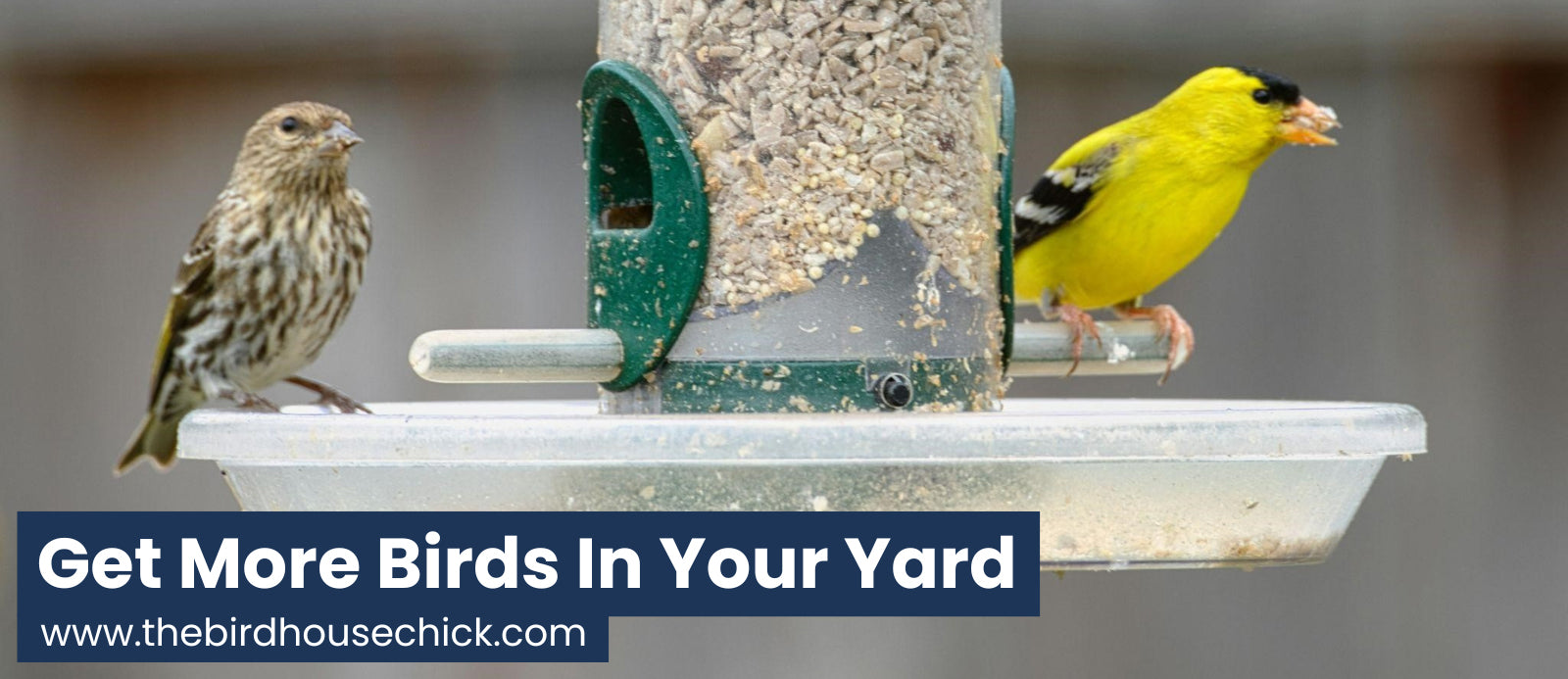
Credit: www.thebirdhousechick.com
Frequently Asked Questions
What Types Of Bird Feeders Attract Most Birds?
Tube feeders attract small songbirds, while platform feeders attract larger birds. Suet feeders are great for woodpeckers. Choose feeders based on the bird species in your area for best results.
Which Bird Seeds Are Best For Feeding Wild Birds?
Black oil sunflower seeds attract many bird species due to their high fat content. Nyjer seeds are ideal for finches. Avoid cheap mixed seeds with fillers to attract more birds.
How Often Should I Clean Bird Feeders?
Clean feeders every two weeks to prevent mold and disease. Use warm water and mild soap. Rinse thoroughly and dry before refilling to keep birds healthy.
Where Is The Best Place To Hang Bird Feeders?
Place feeders near trees or shrubs for cover and safety. Avoid areas with heavy foot traffic or predators. Ensure feeders are visible but safe for birds to approach.
Conclusion
Attracting birds to your feeders brings joy and nature close. Choose the right seeds and keep feeders clean. Place feeders in safe, quiet spots with some cover nearby. Watch different birds visit throughout the day. Patience helps; birds take time to discover new feeders.
Enjoy the peaceful moments and the beauty of wild birds. Small efforts create a lively, colorful garden. Start today and see your yard come alive with birds.




