
Are you wondering if placing your hummingbird feeder near other bird feeders is a good idea? You want to attract those tiny, colorful visitors without scaring them away or causing a feeding frenzy.
The placement of your feeders can make a big difference in how many hummingbirds you see and how peacefully they feed. Keep reading to discover the simple tricks that can help you create the perfect feeding spot for your hummingbirds and other feathered friends.
Your garden will thank you!
Hummingbird Feeding Habits
Understanding hummingbird feeding habits can help you decide whether to place their feeders near other bird feeders. These tiny birds have unique behaviors that affect how they interact with food sources around them. Knowing these habits lets you create a feeding setup that attracts hummingbirds without causing stress or competition.
Feeding Preferences
Hummingbirds prefer feeders filled with a simple sugar-water mix, usually four parts water to one part sugar. They are attracted to bright red colors, which mimic the flowers they naturally feed from.
Unlike many other birds, hummingbirds feed frequently throughout the day in short bursts. You might notice they like hanging on the feeder rather than perching nearby. This means your feeder should be easy to access and kept clean to encourage regular visits.
Territorial Behavior
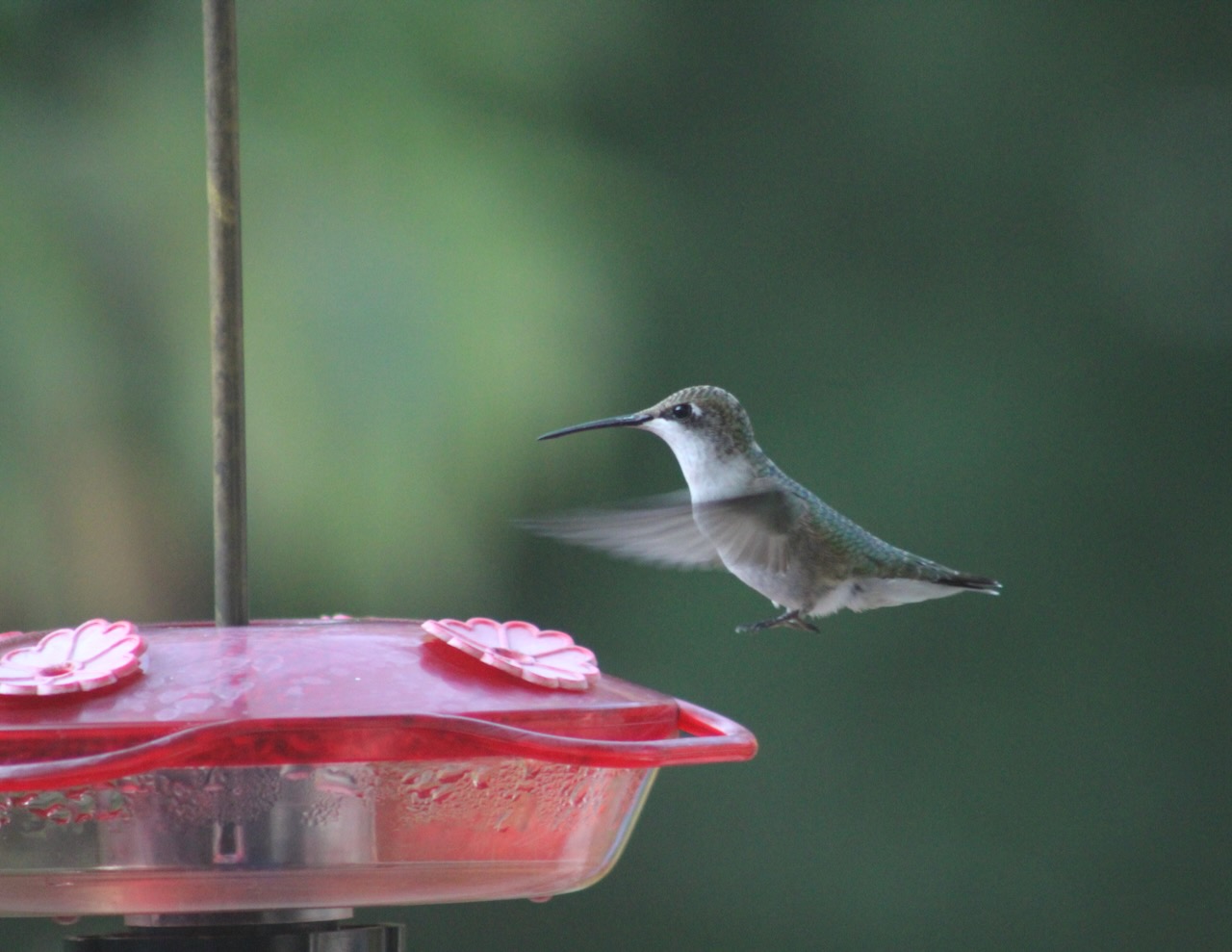
Hummingbirds are known to be territorial, especially males. They often defend their feeding spots aggressively against other hummingbirds and sometimes even other birds.
This territorial nature means placing a hummingbird feeder too close to other feeders can cause conflict. You may see chasing and squabbling, which can stress the birds and reduce feeding time. To help your hummingbirds feel safe, try spacing feeders apart or placing the hummingbird feeder in a quieter area.
Credit: findingourwayhome.blog
Types Of Bird Feeders
Bird feeders come in many shapes and sizes. Each type attracts different birds and serves a unique purpose. Choosing the right feeder helps create a welcoming space for your feathered visitors. Understanding the types of feeders can guide where to place them, especially near hummingbird feeders.
Hummingbird Feeders
Hummingbird feeders are small and designed to hold sweet nectar. They often have bright red parts to catch the hummingbirds’ attention. These feeders have tiny feeding ports to fit the hummingbird’s thin beak. Some models include perches, while others do not, as hummingbirds can hover while feeding.
Cleaning hummingbird feeders regularly is key. Nectar can spoil quickly and harm the birds. These feeders are usually hung in shaded areas to keep the nectar fresh longer. Positioning away from strong wind or direct sun helps maintain the nectar quality.
Feeders For Other Birds
Feeders for other birds vary more widely. Common types include:
- Tube feeders:Hold seeds and have small holes for birds to eat through.
- Platform feeders:Flat surfaces that attract many bird species.
- Squirrel-proof feeders:Designed to keep squirrels away from bird food.
- Suet feeders:Hold suet cakes that attract woodpeckers and nuthatches.
These feeders often require placement at different heights and spots to suit the birds’ feeding habits. They may attract larger or more aggressive birds, which can affect nearby hummingbird feeders. Proper spacing helps all birds feed comfortably without stress.
Benefits Of Placing Feeders Together
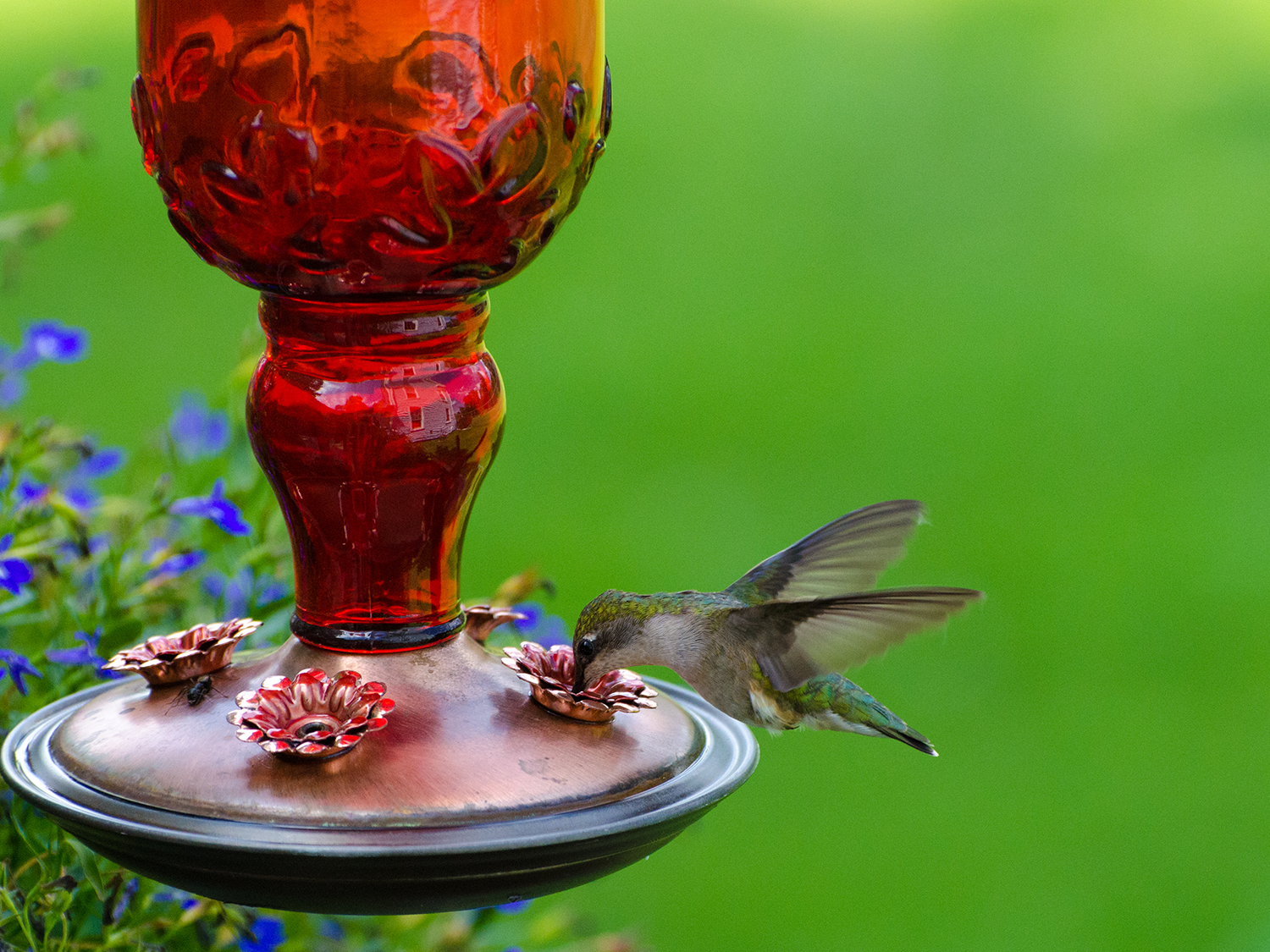
Placing hummingbird feeders near other bird feeders can create a lively and dynamic feeding station in your yard. This setup not only benefits the hummingbirds but also invites a variety of birds to visit your garden. Understanding these benefits can help you decide how to position your feeders for the best experience.
Attracting Diverse Bird Species
When you place hummingbird feeders close to other types of bird feeders, you encourage a mix of bird species to gather in one spot. This diversity adds vibrant activity to your outdoor space. You might see colorful finches, bold woodpeckers, or curious chickadees alongside the hummingbirds.
Different birds have different feeding preferences, so offering multiple feeder types satisfies a wider range of tastes. Have you noticed how some birds prefer seeds while others go for nectar? Combining feeders makes your garden a hotspot for all kinds of birds.
Ease Of Maintenance
Having your feeders grouped together makes cleaning and refilling easier and faster. Instead of moving around your yard, you can check all feeders in one visit. This saves you time and ensures that your feathered visitors always have fresh food.
Regular maintenance is crucial to prevent mold and bacteria, especially in hummingbird feeders. Keeping them close means you’re more likely to stay on top of cleaning tasks. Have you ever missed cleaning one feeder only to find it contaminated? Grouping feeders helps avoid that problem.
Credit: www.tomsguide.com
Potential Drawbacks
Placing hummingbird feeders close to other bird feeders has some potential drawbacks. These issues can affect the hummingbirds’ behavior and health. Understanding these risks helps in setting up feeders wisely.
Aggression And Competition
Hummingbirds are very territorial. They may act aggressively to protect their feeding spot. When feeders are near each other, fights can happen more often. This stress can scare hummingbirds away. Other birds at nearby feeders might also compete for space. This creates a noisy, tense environment. The hummingbirds may avoid feeding altogether.
Risk Of Disease Transmission
Close feeders can increase the spread of diseases. Sick birds can pass germs through shared perches or feeders. Hummingbirds may catch infections from other species. Dirty feeders worsen the risk. Contamination happens quickly if feeders are crowded. Regular cleaning becomes very important. Keeping feeders apart lowers chances of illness spreading.
Ideal Placement Strategies
Choosing the right spot for your hummingbird feeder can make a big difference in attracting these tiny wonders while keeping the feeding area peaceful. Placing feeders near other bird feeders requires careful thought to avoid conflicts and ensure all birds feel safe. Let’s look at some ideal placement strategies to help you create a welcoming feeding zone for hummingbirds.
Distance Between Feeders
Keeping a good distance between hummingbird feeders and other bird feeders is crucial. Hummingbirds are territorial and can become aggressive if other feeders are too close. A gap of at least 10 to 15 feet helps reduce competition and stress.
Imagine placing a hummingbird feeder right next to a noisy feeder full of larger birds; the hummingbirds might avoid it altogether. By spacing feeders apart, you create separate zones where different species can feed comfortably without overlap.
Location And Environment
Think about where you place your feeders in relation to shelter and sunlight. Hummingbirds prefer feeders near flowers or shrubs that provide natural cover and perching spots. This gives them a safe place to rest and watch for predators.
Sunlight also matters. A spot with morning sun and afternoon shade works well to keep nectar fresh longer. Avoid placing feeders in windy or exposed areas, as this can make hummingbirds less likely to visit.
Have you noticed how some feeders attract more birds simply because of their surroundings? Your choice of location can be just as important as the feeder itself.
Expert Recommendations
Bird enthusiasts often wonder if placing hummingbird feeders near other bird feeders is a good idea. Experts have weighed in on this common question, offering valuable insights for creating a harmonious feeding environment. By understanding expert recommendations, you can make informed decisions about your feeder setup, ensuring all birds thrive without conflict.
Monitoring Bird Behavior
Watching how birds interact around your feeders is crucial. Some birds can be territorial, and placing feeders too close might lead to conflicts. Pay attention to the dynamics between hummingbirds and other species.
If you notice aggressive behavior, consider spacing your feeders further apart. Observing these interactions will help you gauge whether adjustments are necessary to maintain peace among your feathered friends.
Adjusting Feeder Setup
Experimentation is key to finding the optimal feeder arrangement. Start by placing hummingbird feeders a few feet away from other bird feeders. This distance can help minimize competition and aggression.
If issues persist, try increasing the separation. You might also consider using natural barriers like shrubs or small trees to create visual separation, reducing potential conflicts. Have you tried moving feeders around your yard to see what works best?
By being attentive and flexible with your setup, you can ensure a welcoming space for all birds to enjoy. Remember, it’s about creating a balance that caters to the needs of different species.
Cleaning And Maintenance Tips
Placing hummingbird feeders away from other bird feeders helps reduce competition and keeps hummingbirds safe. Clean feeders often to prevent mold and bacteria growth that can harm these delicate birds. Regular maintenance ensures fresh nectar and healthy visits.
Ensuring the cleanliness and maintenance of hummingbird feeders is essential for the health of these delicate creatures. When placing a hummingbird feeder near other bird feeders, you might wonder about the best practices to keep them in top condition. Clean feeders not only attract more birds but also prevent the spread of disease. Let’s dive into some practical tips for maintaining your hummingbird feeders effectively.Frequency Of Cleaning
You should clean your hummingbird feeders frequently. Aim to clean them at least once a week. In warmer weather, consider increasing this to every few days, as sugar water can ferment quickly. Regular cleaning prevents mold and bacteria buildup, ensuring your feathered friends have a safe feeding environment. It might seem like a chore, but think of it as a small commitment that yields joyful returns.Safe Cleaning Practices
When cleaning feeders, avoid using harsh chemicals. Simple soap and warm water usually do the trick. You can also use a mixture of vinegar and water for a more natural approach. Use a bottle brush to reach all nooks and crannies. Rinse thoroughly to ensure no soap or vinegar residue remains. This simple routine can make a world of difference in keeping your feeders safe. Have you ever noticed hummingbirds avoiding your feeder? Dirty feeders might be the culprit. A clean feeder is like a welcome mat for these tiny visitors.
Credit: www.reddit.com
Frequently Asked Questions
Should Hummingbird Feeders Be Placed Near Other Bird Feeders?
Placing hummingbird feeders near other bird feeders is possible but requires caution. Hummingbirds prefer less competition and disturbances. Keep feeders at least 10 feet apart to reduce territorial conflicts and stress. This spacing helps both hummingbirds and other birds feed comfortably without interference.
Do Hummingbirds Get Stressed By Nearby Feeders?
Yes, hummingbirds can get stressed if other feeders are too close. They are territorial and may perceive nearby feeders as threats. Proper spacing ensures hummingbirds feel safe while feeding, reducing aggressive behavior and encouraging regular visits to your garden.
How Far Should Hummingbird Feeders Be From Other Feeders?
A distance of 10 to 15 feet between hummingbird and other bird feeders is ideal. This spacing minimizes competition and territorial disputes. It also allows hummingbirds to feed peacefully while other birds access their preferred feeders without conflict.
Can Placing Feeders Together Attract More Birds?
Placing feeders too close can cause competition and stress among birds. While it might attract more species, it can reduce feeding efficiency and comfort. Separate feeders by a reasonable distance to create a harmonious environment for hummingbirds and other birds alike.
Conclusion
Placing hummingbird feeders near other bird feeders can work well. It helps attract more birds to your yard. But keep feeders spaced enough to avoid fights. Hummingbirds like space to feed quietly. Watch how birds behave and adjust feeder spots.
Clean feeders often to keep birds healthy. Enjoy the bright colors and lively visits. This simple setup can bring joy and nature closer. Experiment a bit to find what suits your garden best. Your hummingbird guests will thank you with their charm.




