
Have you ever wondered what happens to birds when the forests and fields they travel through get broken up into smaller pieces? Habitat fragmentation can change the way migrating birds live, find food, and stay safe.
This isn’t just about nature—it affects the balance of our environment and the beauty we see in the skies. If you care about protecting these incredible travelers and want to understand how your actions might help or harm them, keep reading.
You’ll discover the surprising ways habitat fragmentation impacts migrating bird populations and what can be done to make a difference.
Credit: climate.sustainability-directory.com
Causes Of Habitat Fragmentation
Habitat fragmentation happens when large, continuous natural areas break into smaller, isolated patches. This change disrupts the spaces migrating birds rely on for rest, food, and shelter. Understanding what causes this fragmentation helps you see why bird populations face new challenges during their journeys.
Urban Expansion
City growth is one of the biggest drivers of habitat fragmentation. As towns and cities spread, natural areas get replaced by buildings, roads, and parking lots.
This leaves fewer safe places for migrating birds to stop and refuel. Have you noticed fewer birds around busy neighborhoods compared to parks or forests?
Agricultural Development
Farming transforms wild landscapes into fields and pastures. While agriculture is essential for food production, it often leads to clearing trees and shrubs that birds need.
Large farms create open spaces with little cover, forcing birds to fly longer distances without rest. Do you think farms could include more bird-friendly features?
Infrastructure Projects
Roads, highways, and railways cut through habitats, creating barriers for migrating birds. These structures not only reduce habitat size but also increase risks of collisions.
Power lines and wind turbines add another layer of danger. What if planners designed infrastructure with bird safety as a priority?
Effects On Migration Routes
Migration routes are the highways in the sky for countless bird species. Habitat fragmentation creates roadblocks along these routes, forcing birds to change their paths or face increased risks. Understanding these effects helps you see why preserving continuous habitats matters for migratory birds.
Disrupted Flight Paths
Fragmented habitats break the natural corridors birds use during migration. Birds often rely on familiar landmarks and uninterrupted stretches of habitat to navigate. When these are lost or broken up, birds must detour, which can drain their energy and delay arrival.
Imagine flying cross-country and suddenly finding your usual highway closed. You would need to find alternative routes, possibly less safe or longer. Migrating birds experience the same challenge, increasing their chances of exhaustion or predation.
Reduced Stopover Sites
Stopover sites provide essential rest and refueling spots for birds during long migrations. Habitat fragmentation shrinks these critical areas, leaving fewer places for birds to pause safely. Without adequate stopovers, birds may struggle to complete their journey.
Consider how you feel if you can’t find a place to rest and eat on a long trip. Migrating birds face this reality when fragmentation removes wetlands, forests, or fields they depend on. Protecting and restoring stopover sites directly supports your feathered travelers’ survival.
Impact On Bird Behavior
Habitat fragmentation changes how migrating birds behave. It breaks large natural areas into smaller patches. Birds face new challenges during their migration. These challenges affect their ability to find food, rest, and navigate. Changes in behavior can reduce their survival chances.
Altered Navigation
Birds use landmarks and natural cues to navigate. Fragmented habitats disturb these cues. Birds may get lost or take longer routes. They might avoid crossing open areas between patches. This causes delays and confusion during migration.
Some species rely on forest edges or continuous tree cover. Breaking these areas forces birds to find new paths. Young and inexperienced birds struggle more. This increases the risk of exhaustion or predation.
Increased Energy Expenditure
Flying longer distances requires more energy. Fragmented habitats force birds to fly extra miles. They must search harder for food and safe resting spots. This leads to faster energy loss during migration.
Less food availability in small patches makes feeding harder. Birds spend more time foraging and less time resting. This imbalance weakens their bodies and reduces migration success.
Consequences For Population Dynamics
Habitat fragmentation changes how bird populations grow and survive during migration. It breaks large habitats into smaller patches. This separation affects birds’ ability to find food, shelter, and mates. The result is a shift in population numbers and health over time. These changes can lead to serious problems for migrating birds.
Decreased Reproductive Success
Smaller habitat patches limit safe nesting sites for birds. Predators find nests more easily near edges of fragments. Food sources may become scarce, affecting the energy birds need to reproduce. Birds may lay fewer eggs or abandon nests due to stress. The overall number of chicks that survive to adulthood drops.
Higher Mortality Rates
Fragmented habitats expose birds to more dangers during migration. They must cross open areas, increasing risks from predators and weather. Limited food slows birds, making them weaker and less able to survive. Collisions with human structures rise in fragmented landscapes. These factors cause more birds to die before reaching breeding grounds.
Changes In Genetic Diversity
Changes in genetic diversity have a profound impact on migrating bird populations facing habitat fragmentation. Genetic diversity is crucial for a species’ ability to adapt to new challenges like diseases or environmental changes. When habitats break into smaller patches, the genetic pool of bird populations can shrink, affecting their survival and evolution.
Isolation Of Populations
Habitat fragmentation often isolates bird groups from each other. This isolation means birds have fewer opportunities to mate with individuals outside their small area. Over time, this can lead to inbreeding, where related birds breed more frequently, reducing genetic variety.
Imagine a forest divided by roads or urban areas. Birds trapped in one patch may lose contact with others. This separation limits new genetic material from entering their population, making them more vulnerable to diseases and environmental stress.
Reduced Gene Flow
Gene flow is the movement of genes between populations, usually through migration and breeding. Fragmented habitats reduce this flow because birds find it harder to travel between isolated patches. The result? Each population becomes genetically distinct and less resilient.
You might wonder how this impacts your local birdwatching experience. Smaller, genetically uniform populations can decline faster and may disappear from your area. Protecting corridors that connect habitats helps maintain gene flow and keeps bird populations healthier.
Role Of Habitat Quality
Habitat quality plays a vital role in supporting migrating birds. Birds rely on these areas for rest, food, and safety. As habitats fragment, the quality often declines. This affects bird populations significantly. Let’s explore some key aspects of this issue.
Loss Of Food Resources
Fragmented habitats often lack diverse food sources. Birds need a variety of insects, seeds, and plants. These provide essential nutrients. In poor-quality habitats, food becomes scarce. Birds struggle to find enough to eat. This affects their health and migration success.
Increased Predation Risks
Smaller habitats can lead to higher predation risks. Birds find fewer hiding spots and safe resting areas. Predators like cats and larger birds pose a big threat. This increases stress and decreases survival rates. Healthy habitats offer better protection for migrating birds.
Conservation Strategies
Conservation strategies play a crucial role in supporting migrating bird populations. Habitat fragmentation poses a significant threat to these birds. Effective strategies can help mitigate the impact. Here, we explore key approaches to conserve and support these vital populations.
Creating Wildlife Corridors
Wildlife corridors connect isolated habitats, allowing birds to move freely. These pathways help birds avoid dangers like roads and urban areas. By linking habitats, corridors support genetic diversity. They also offer birds safe passage during their long migrations.
Protecting Key Stopover Sites
Stopover sites are essential for migrating birds. Birds rest and refuel at these locations. Protecting these sites ensures birds have the resources they need. Conservation efforts should focus on preserving these critical areas. This ensures birds can complete their journeys successfully.
Restoring Fragmented Habitats
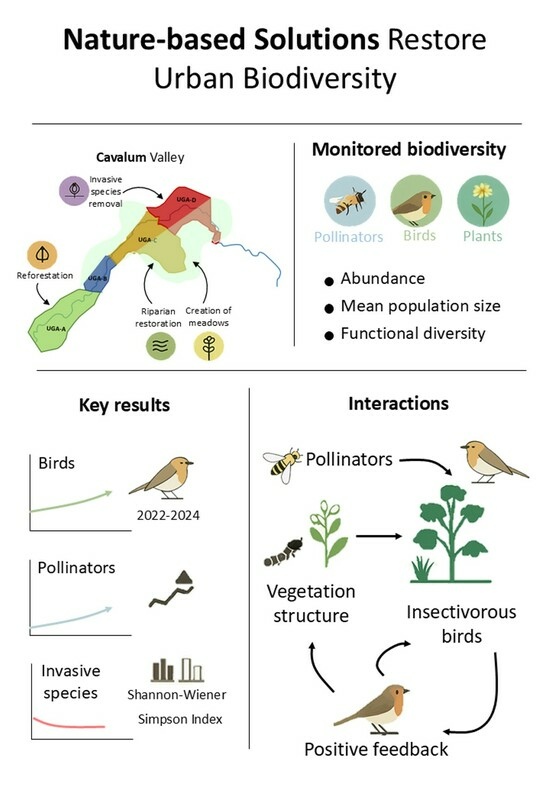
Restoring fragmented habitats can make a big difference. Replanting native vegetation helps recreate lost environments. These efforts provide birds with food and shelter. Restored habitats can reduce the negative impact of fragmentation. They also offer a safer haven for birds during migration.

Credit: www.sciencedirect.com
Future Research Directions
Future research will deepen our understanding of habitat fragmentation’s impact on migrating birds. Scientists need better tools and data to track changes over time. This will help protect vulnerable species and guide conservation efforts.
Tracking Migration Patterns
Advanced tracking technology can reveal how birds navigate fragmented habitats. Small GPS devices and sensors provide detailed migration routes. Data collected helps identify key stopover sites and barriers caused by habitat loss.
Researchers can compare migration paths over years. This shows shifts in routes or timing due to changing environments. Such insights help to design protected corridors and restore critical habitats.
Assessing Long-term Population Trends
Monitoring bird populations over decades uncovers the effects of habitat fragmentation. Long-term studies reveal declines or recoveries in numbers. They also show changes in species diversity and breeding success.
Combining population data with habitat maps pinpoints areas needing urgent protection. This approach supports targeted conservation strategies. It ensures resources focus on the most threatened bird populations.
Credit: www.mdpi.com
Frequently Asked Questions
What Is Habitat Fragmentation In Bird Migration?
Habitat fragmentation occurs when large natural areas break into smaller patches. This disrupts bird migration by reducing continuous habitats and food sources. Migratory birds face difficulties finding safe routes, nesting sites, and adequate resources during their journey.
How Does Fragmentation Affect Bird Survival Rates?
Fragmentation increases predation risks and reduces shelter availability. Birds struggle to find food and safe resting spots, lowering their survival chances. This can lead to population declines, especially for species reliant on specific habitats.
Why Is Habitat Connectivity Vital For Migrating Birds?
Connectivity allows birds to move freely between habitats during migration. It ensures access to stopover sites and breeding grounds. Without it, birds face increased energy expenditure and higher mortality rates, impacting overall population health.
Can Habitat Fragmentation Cause Changes In Migration Patterns?
Yes, birds may alter routes or timing due to fragmented habitats. They might skip traditional stopover sites or delay migration. These changes can affect breeding success and long-term species survival.
Conclusion
Habitat fragmentation breaks up bird homes and travel paths. Birds find it hard to find food and rest stops. This makes their long journeys more dangerous and tiring. Many bird species may struggle to survive or reproduce. Protecting large, connected habitats helps birds migrate safely.
Saving these areas supports healthy bird populations worldwide. Small actions can make a big difference for migrating birds. Let’s work together to keep their routes clear and safe.




