
Have you ever wished to see colorful birds visit your garden every day? Creating a bird habitat right outside your door is easier than you think.
By making a few simple changes, you can attract a variety of birds and enjoy their beauty and songs. Imagine waking up to the cheerful chirping of birds and watching them build nests in your yard. You’ll discover easy steps to create a welcoming space for birds.
Keep reading to learn how your garden can become a safe and lively home for feathered friends.
Credit: extension.msstate.edu
Choosing The Right Location
Choosing the right location for creating a bird habitat is a crucial step that often determines how successful your efforts will be. Birds are particular about where they settle, so understanding the features of your space can help you attract a variety of feathered visitors. Let’s look at how to evaluate your backyard and select an ideal spot that meets the needs of different bird species.
Assessing Your Backyard Space
Start by observing the size and layout of your backyard. Is there a mix of open areas and dense vegetation? Birds prefer spaces that offer a balance between open ground for feeding and sheltered spots for nesting.
Take note of existing trees, shrubs, and plants. These natural elements can provide immediate shelter and food sources. If your yard feels too bare, consider adding native plants known to attract birds in your region.
Considering Sunlight And Shelter
Birds need sunlight to stay warm and active, but too much exposure can be stressful. Aim for a location that gets morning sun and afternoon shade. This setup helps birds warm up early and cool down during the hottest part of the day.
Also, think about shelter from wind and rain. Position your habitat near dense bushes or trees that block harsh weather. This protection encourages birds to linger and feel safe.
Avoiding Predators And Hazards
Safety is key when choosing where to place your bird habitat. Avoid areas near busy roads or places frequented by pets like cats and dogs. Predators can scare birds away or cause harm.
Check for hazards such as reflective windows or toxic plants. Birds often collide with glass or get poisoned by certain garden plants. Placing feeders and nests away from these dangers increases the chances of your habitat thriving.
Selecting Native Plants
Selecting native plants is a crucial part of creating a thriving bird habitat. Native plants have evolved alongside local wildlife, making them the perfect source of food and shelter for birds. Choosing the right plants can transform your outdoor space into a lively sanctuary where birds feel safe and well-fed.
Attracting Local Bird Species
Native plants are magnets for the birds that live in your area. They offer familiar food sources like seeds, berries, and nectar that local birds rely on. When you plant species that are native to your region, you help support the natural food chain.
Have you noticed how certain birds only visit specific areas? That’s because they seek out the plants they know best. For example, planting elderberry or serviceberry can attract robins and thrushes, species common in many parts of North America.
Providing Food And Shelter
Birds need more than just food; they need shelter to hide from predators and harsh weather. Native trees and shrubs provide the perfect cover. Dense bushes like witch hazel or oak trees offer safe spots for nesting and resting.
Don’t forget that different birds prefer different types of shelter. Some like thick, low bushes, while others seek tall trees. Including a variety of plant heights and densities ensures you cater to many bird species.
Seasonal Plant Choices
Think about how your garden looks throughout the year. Some plants provide food in spring, while others shine in fall. By mixing early-blooming native wildflowers with late-season berry bushes, you keep your habitat inviting year-round.
Consider plants like coneflowers and goldenrod for summer nectar, and dogwood or sumac for autumn berries. This approach keeps birds coming back, no matter the season.
Providing Water Sources
Providing water sources is essential for attracting and supporting birds in your habitat. Birds need water not only to drink but also to bathe, which helps them keep their feathers in good condition. Offering clean, accessible water can make your garden a popular spot for a variety of bird species.
Birdbaths And Ponds
Simple birdbaths are an easy way to offer water. Choose a shallow basin with a rough surface so birds can grip safely. Place the birdbath near shrubs or trees to give birds a quick escape if they sense danger.
Ponds can attract a wider range of birds, including ducks and herons. If you add a pond, keep the edges gentle and include some plants to provide cover. Even a small pond can become a lively gathering place for birds.
Maintaining Clean Water
Dirty water can harm birds and deter them from returning. Clean your birdbaths and ponds regularly—at least once a week—to prevent algae and bacteria buildup. Change the water frequently, especially during hot weather.
Using a scrub brush to remove slime and debris helps keep the water fresh. Avoid chemicals that could harm wildlife. Do you monitor your water sources as closely as you do other parts of your garden?
Creating Moving Water Features
Birds are often attracted to the sound and sight of moving water. Adding a dripper, fountain, or small waterfall can increase visits from different species. Moving water also discourages mosquitoes from breeding, keeping the habitat healthier.
Even a gentle drip or bubbling feature can make a big difference. Consider solar-powered pumps for an eco-friendly option. How could you use moving water to make your bird habitat more inviting today?
Building Nesting Sites
Building nesting sites is a key part of creating a bird habitat. Birds need safe, comfortable places to raise their young. Providing these sites helps attract more birds to your garden or backyard. Nesting sites also protect birds from predators and harsh weather. Simple actions can make a big difference.
Installing Birdhouses
Choose birdhouses that match the types of birds in your area. Use untreated wood for a natural feel. Avoid painted or treated surfaces inside the house. Mount birdhouses at the right height, usually 5 to 10 feet above ground. Place them in quiet spots, away from heavy foot traffic. Face the entrance away from prevailing winds. Clean birdhouses yearly to prevent parasites.
Natural Nesting Materials
Offer natural materials for birds to build nests. Twigs, dry grass, leaves, and feathers work well. Avoid synthetic or sharp materials. Scatter these materials in a sheltered spot or place them in a mesh bag. Birds enjoy collecting soft fibers like cotton or wool. Keep these materials dry and free from chemicals. Providing natural materials encourages birds to stay close.
Safe Nesting Practices
Keep nesting areas safe from predators like cats and squirrels. Use metal guards around poles to block climbing animals. Avoid placing nests near bird feeders to reduce risk. Do not disturb nests once birds start using them. Limit human activity near nesting sites. Avoid pesticides and harmful chemicals around nesting zones. Safety ensures birds raise their young successfully.
Offering Food Options
Offering food is a key step in creating a welcoming bird habitat. Birds need energy to stay healthy and active. Providing food helps attract many species to your yard. Different birds prefer different types of food. Providing a variety of options encourages diverse bird visits. Food sources also support birds during tough weather and breeding seasons.
Using Feeders Effectively
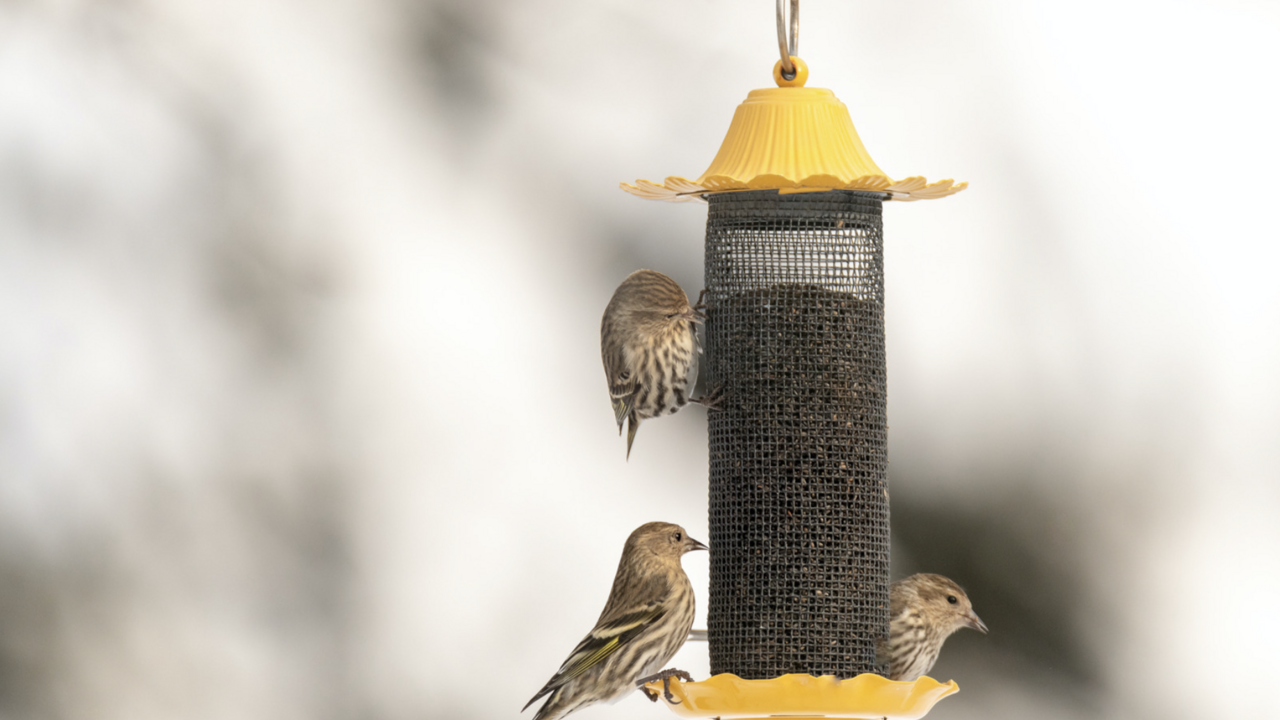
Place feeders where birds feel safe from predators. Near bushes or trees works well. Keep feeders clean to prevent disease. Use different feeder types to attract various birds:
- Tube feeders for small songbirds
- Platform feeders for larger birds
- Suet feeders for woodpeckers and nuthatches
Fill feeders regularly to keep food fresh. Avoid overfilling to reduce waste and pests.
Choosing Seeds And Suet
Pick seeds based on the birds you want to attract. Black oil sunflower seeds suit many species. Nyjer seeds attract finches. Mixed seeds bring a variety of birds but watch for fillers. Suet blocks provide high energy in cold weather. Use suet with nuts or berries for extra nutrition. Avoid seeds with artificial additives or fillers.
Seasonal Feeding Tips
Adjust feeding based on seasons to support birds year-round. In winter, offer high-fat foods like suet and sunflower seeds. Spring and summer need protein-rich foods for growing chicks. Offer mealworms and chopped nuts for extra protein. Reduce feeding in fall as natural food becomes abundant. Clean feeders more often in warm months to prevent mold.

Credit: www.green-feathers.co.uk
Maintaining A Bird-friendly Environment
Creating safe spaces with native plants and clean water helps birds thrive. Providing shelter and food supports their daily needs and encourages visits.
Creating a haven for birds in your backyard is a rewarding endeavor. However, maintaining a bird-friendly environment requires ongoing care and attention. By making thoughtful choices about how you manage your garden, you can ensure that birds continue to visit and thrive. Here are some essential practices to keep in mind.Avoiding Pesticides And Chemicals
Using pesticides and chemicals can be detrimental to birds. These substances can contaminate the insects and plants that birds rely on for food. Instead, opt for natural pest control methods such as introducing beneficial insects like ladybugs or using homemade remedies like neem oil. Consider how your choices impact the entire ecosystem. A chemical-free garden not only benefits birds but also supports healthier soil and plant life. Making small changes in how you manage pests can lead to a more vibrant and safe environment for all creatures.Encouraging Biodiversity
A diverse garden attracts a wider variety of bird species. Include a range of native plants that offer different types of seeds, berries, and nectar. This variety provides food and shelter for birds throughout the year. Think about the layers in your garden. Incorporate trees, shrubs, and ground cover to create different habitats. Each layer can support different bird species, encouraging a lively and dynamic ecosystem.Regular Habitat Upkeep
Consistent maintenance is key to keeping your bird habitat healthy. Regularly check birdhouses and feeders for cleanliness to prevent disease. Trim plants thoughtfully to maintain shelter while allowing for new growth. Ask yourself, how often do you evaluate your garden’s condition? Setting a schedule for routine checks can help you catch issues early. A little effort goes a long way in maintaining a welcoming space for your feathered friends. Engaging with your garden isn’t just about the work involved—it’s about creating a space where birds can flourish. By avoiding harmful chemicals, encouraging plant diversity, and committing to regular upkeep, you’re making a meaningful impact on your local bird population.Observing And Enjoying Birds
Observing and enjoying birds in their natural habitat is rewarding. It offers peace and connects you to nature. Creating a bird-friendly environment can bring various species to your yard. Here’s how to set up the perfect bird-watching experience.
Setting Up Viewing Areas
Create comfortable spots to watch birds. Place chairs near windows or in the garden. Use binoculars for a closer view. Install bird feeders where you can easily see them. Make sure feeders are at different heights. This attracts diverse bird species. Consider adding a birdbath nearby. Water sources attract even more birds. Ensure your viewing area is cozy and inviting. Enjoy watching birds from the comfort of your space.
Recording Bird Visits
Keeping track of bird visits is fun and educational. Use a notebook or digital app. Note the species and time of visit. Include any special behaviors observed. Take photos to document unique moments. Share your findings with local bird groups. This can enhance your learning experience. Recording visits helps understand bird patterns and preferences.
Respecting Wildlife Space
While observing, ensure birds feel safe. Keep a respectful distance. Avoid loud noises or sudden movements. Do not touch or handle birds or nests. Protect their habitat and food sources. Encourage natural feeding habits. Respecting their space helps maintain a healthy environment. It ensures birds will keep returning to your garden.
Credit: magickidslearning.com
Frequently Asked Questions
What Are The Best Plants For A Bird Habitat?
Native plants are ideal as they provide natural food and shelter. Choose a mix of trees, shrubs, and flowers to attract various bird species. Avoid invasive plants to maintain ecological balance. Native plants support insects that are also essential bird food.
How Can I Provide Water For Birds Safely?
Use shallow birdbaths with clean, fresh water. Change the water regularly to prevent mosquito breeding. Place the bath in a shaded area to keep water cool. Adding a small fountain or dripper can attract more birds by creating sound.
What Types Of Shelter Do Birds Need?
Birds need dense shrubs, trees, and brush piles for protection. Nesting boxes help cavity-nesting birds. Avoid using pesticides near shelters to keep birds safe. Providing varied shelter supports different bird species throughout the year.
How To Attract Birds With Feeders?
Use feeders filled with seeds like sunflower, millet, or nyjer. Place feeders in quiet, safe locations near shelter. Clean feeders regularly to prevent disease spread. Vary food types seasonally to attract diverse bird species.
Conclusion
Creating a bird habitat helps nature and brings life to your space. Small changes make a big difference for birds. Plant native flowers, provide water, and add shelter spots. Birds will visit and stay longer. Enjoy watching their colors and songs every day.
This effort supports local wildlife and makes your garden more lively. Start simple and see how birds respond. A peaceful, natural place grows from your care. Keep learning and adjusting to help birds thrive. Your garden becomes a safe home for many creatures.




