
Are you worried about bird flu and how it might affect you or your loved ones? You’re not alone.
With the increasing number of cases, understanding how to treat bird flu in humans is crucial. The good news is, there’s hope and effective treatments available. You’ll discover practical steps to manage bird flu symptoms and safeguard your health. Imagine having the peace of mind knowing you can tackle this virus confidently and protect your family.
Ready to learn how? Let’s dive into the essentials of bird flu treatment and empower you with the knowledge you need.

Credit: epi.utah.gov
Symptoms Of Bird Flu
Bird flu is a viral infection that can spread from birds to humans. It is important to know the symptoms early to get proper treatment.
Symptoms can range from mild to severe. Knowing what to look for helps in seeking medical care quickly.
Early Signs To Watch
Early symptoms of bird flu are similar to regular flu. They usually appear within a few days after infection.
People should watch for these signs to act fast and reduce complications.
- Fever over 100.4°F (38°C)
- Cough and sore throat
- Runny or stuffy nose
- Muscle aches and body pain
- Headache and chills
- Fatigue or weakness
Severe Symptoms
Severe symptoms mean the infection is worse and needs urgent care. These signs show the virus is affecting the lungs or other organs.
Watch for these serious symptoms and seek medical help right away.
- Difficulty breathing or shortness of breath
- Chest pain or tightness
- Persistent high fever
- Confusion or loss of alertness
- Severe muscle pain
- Blue lips or face
When To Seek Medical Help
Bird flu can cause serious illness in humans. Knowing when to get medical help is very important.
Early care can improve recovery and prevent the spread of the infection.
Emergency Warning Signs
Some symptoms mean you should get emergency medical care right away.
- High fever over 102°F (39°C) that does not go down
- Severe difficulty breathing or shortness of breath
- Chest pain or pressure
- Persistent vomiting or diarrhea
- Confusion or sudden dizziness
- Blue lips or face
Consulting Healthcare Professionals
See a doctor if you have flu symptoms after contact with birds or sick people.
| Reason to Visit Doctor | What to Expect |
| Fever with cough and body aches | Physical exam and flu test |
| Exposure to infected birds | Advice on prevention and treatment |
| Worsening symptoms | Possible antiviral medication |
Medical Treatments Available
Treating bird flu in humans requires timely medical care. Doctors use medicines and supportive methods to help patients recover.
Early treatment can reduce the severity of the illness and lower the risk of complications.
Antiviral Medications
Antiviral drugs are key to fighting bird flu viruses. They stop the virus from spreading inside the body.
- Oseltamivir is commonly prescribed for bird flu.
- Zanamivir is another antiviral option.
- These drugs work best when taken early after symptoms start.
- Doctors decide the dose and length of treatment based on illness severity.
Supportive Care Options
Supportive care helps ease symptoms and supports the body’s fight against the virus. It is important in all cases.
| Supportive Care | Purpose |
| Rest | Helps the body heal and regain strength |
| Fluids | Prevents dehydration and supports organs |
| Oxygen therapy | Aids breathing if lungs are affected |
| Fever reducers | Lower high temperatures and ease discomfort |
| Hospital care | Needed in severe cases for close monitoring |
Home Care Tips
Bird flu in humans can cause flu-like symptoms. Proper home care helps recovery and comfort.
Follow simple care steps to support your body’s fight against the virus at home.
Rest And Hydration
Rest is important to help your body heal. Avoid physical activities and get plenty of sleep.
Drink lots of fluids to stay hydrated. Water, herbal teas, and clear soups work well.
- Sleep at least 8 hours daily
- Drink 8 to 10 glasses of fluids each day
- Use a humidifier to keep air moist
- Stay in a quiet, comfortable room
Managing Fever And Pain
Fever and body pain are common with bird flu. Use over-the-counter medicine to reduce discomfort.
Follow the medicine instructions carefully. If symptoms get worse, contact a healthcare provider.
- Take acetaminophen or ibuprofen for fever and pain
- Rest after taking medicine to help it work
- Check your temperature twice daily
- Do not share medicine with others
Preventing Complications
Bird flu can cause serious health issues if not treated well. Taking steps early helps avoid these problems.
Careful attention to symptoms and preventing other infections is key to staying healthy during bird flu.
Monitoring Symptoms
Watch your symptoms closely to catch any changes fast. Early action helps prevent severe illness.
- Check your temperature daily for fever.
- Note any new cough, breath trouble, or chest pain.
- Look for weakness, confusion, or fast heartbeat.
- Tell your doctor about any worsening signs immediately.
Avoiding Secondary Infections
Bird flu weakens the body. This raises the risk of other infections. Preventing these helps recovery.
| Tip | How to Do It |
| Keep hands clean | Wash with soap often, especially before eating. |
| Use clean tissues | Cover mouth and nose when coughing or sneezing. |
| Avoid crowded places | Stay away from groups to reduce infection risk. |
| Follow doctor’s advice | Take all medicines as prescribed to fight infections. |
Recovery And Follow-up
Bird flu in humans can be serious but with proper care, recovery is possible. Follow-up care helps ensure full healing and prevents complications.
Doctors monitor patients closely during recovery. They check if symptoms improve and if the virus clears from the body.
Signs Of Improvement
Signs of improvement show that treatment is working. Patients feel better as symptoms lessen.
Common signs include lower fever, easier breathing, and less coughing. Energy levels also start to rise.
- Fever drops below 100.4°F (38°C)
- Breathing becomes less difficult
- Coughing decreases in frequency
- Fatigue and weakness reduce
- Appetite returns to normal
Post-recovery Care
After recovery, patients need follow-up visits. Doctors check lung health and overall wellness.
Rest is important to regain full strength. Healthy eating and hydration support the immune system.
- Attend scheduled medical check-ups
- Report any new or returning symptoms
- Get enough sleep and avoid stress
- Eat balanced meals with fruits and vegetables
- Stay hydrated with water and fluids
Preventing Bird Flu Infection
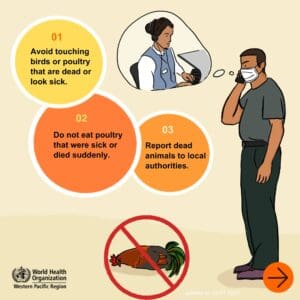
Bird flu can spread to humans through contact with infected birds. Preventing infection is very important to stay healthy.
Simple actions can reduce the risk of catching bird flu. Learn about hygiene and avoiding risky places.
Hygiene Practices
Good hygiene helps stop the virus from spreading. Wash your hands often and keep surfaces clean.
- Wash hands with soap and water for at least 20 seconds
- Use hand sanitizer if soap is not available
- Clean and disinfect surfaces regularly
- Avoid touching your face with unwashed hands
- Wear gloves when handling birds or bird droppings
Avoiding High-risk Areas
Stay away from places where bird flu spreads easily. These areas include live bird markets and farms with sick birds.
| High-Risk Area | Reason to Avoid |
| Live bird markets | Many birds in close contact spread the virus |
| Poultry farms with sick birds | Direct contact with infected birds raises risk |
| Areas with bird droppings | The virus can live in droppings for days |
| Wild bird habitats | Wild birds can carry and spread bird flu |
Credit: birdsandexotics.com

Credit: www.youtube.com
Frequently Asked Questions
What Are The Symptoms Of Bird Flu In Humans?
Bird flu symptoms in humans include fever, cough, sore throat, muscle aches, and sometimes difficulty breathing. Early detection is key to effective treatment.
How Is Bird Flu Diagnosed In Humans?
Doctors diagnose bird flu through clinical evaluation and lab tests, including nasal swabs and blood tests, to confirm the presence of the virus.
What Treatments Are Available For Bird Flu?
Antiviral medications like oseltamivir are commonly used to treat bird flu. Supportive care such as hydration and rest is also important.
Can Bird Flu Be Prevented In Humans?
Prevention includes avoiding contact with infected birds, practicing good hygiene, and getting vaccinated if recommended by health authorities.
Conclusion
Treating bird flu in humans requires quick action and proper care. Early medical help can prevent serious problems. Taking prescribed medicines and resting well helps the body heal. Avoid contact with others to stop the virus from spreading. Stay informed about bird flu updates from trusted sources.
Protect yourself by practicing good hygiene and avoiding sick birds. Remember, simple steps can save lives and keep everyone safe. Stay cautious, act fast, and prioritize your health always.




