
When your bird isn’t feeling well, it can be scary and confusing. You want to help, but you might not know where to start.
How do you recognize the signs of illness? What steps should you take to make your feathered friend feel better quickly? This guide will walk you through simple, effective ways to care for your sick bird. By the end, you’ll feel confident in spotting problems early and taking the right action to keep your pet healthy and happy.
Keep reading—you owe it to your bird to give them the best care possible.
Signs Of A Sick Bird
Birds often hide their illnesses well. Watching for signs helps catch sickness early. Noticing changes can save your bird’s life.
Knowing what to look for is important. This guide covers behavioral changes, physical symptoms, and common illness indicators.
Behavioral Changes
Sick birds act differently. They may lose interest in food and toys. They might sit quietly or avoid socializing.
- Less active or sleepy more than usual
- Hiding or staying in one spot
- Loss of appetite or drinking less water
- Unusual aggression or fearfulness
- Change in vocal sounds or silence
Physical Symptoms
Look for physical signs your bird is sick. These often show on feathers, eyes, and beak. Early spotting helps early care.
| Symptom | Description |
|---|---|
| Fluffed-up feathers | Bird looks puffed up to keep warm |
| Discharge | Clear or colored fluid from eyes, nose, or beak |
| Swelling | Raised areas on body or face |
| Weight loss | Bird appears thinner or bones show |
| Labored breathing | Open-mouth breathing or wheezing sounds |
Common Illness Indicators
Some signs clearly indicate illness. Knowing these helps you act fast and get help for your bird.
- Diarrhea or strange droppings
- Frequent sneezing or coughing
- Unsteady on feet or falling
- Sudden changes in behavior or appearance

Credit: birdsupplies.com
Immediate Care Steps
When a bird gets sick, quick action can help it recover. You need to act calmly and carefully. Follow these steps to give your bird the best care right away.
These steps focus on making your bird safe and comfortable. You will learn how to isolate the bird, create a good environment, and keep the right temperature.
Isolate The Bird
Place the sick bird in a quiet, separate space away from other pets. This stops germs from spreading and reduces stress. Use a small cage or box with good ventilation but no drafts.
- Keep the bird away from healthy birds.
- Use clean bedding or paper towels.
- Clean the area daily to remove waste.
- Wash your hands before and after handling.
Create A Comfortable Environment
Make sure the bird feels safe and calm. A quiet place helps reduce fear and stress. Soft lighting and limited noise create a peaceful setting for healing.
| Comfort Factor | Tips |
|---|---|
| Lighting | Use dim lights or cover the cage partially |
| Noise | Keep away from loud sounds and heavy traffic |
| Bedding | Use soft, clean materials like paper towels or cloth |
| Food and Water | Place fresh food and water close to the bird |
Maintain Proper Temperature
Sick birds need warmth to fight illness. Keep the temperature steady and comfortable. Avoid cold drafts or overheating to prevent stress or shock.
Temperature Tips:
- Keep room temperature between 75°F and 85°F (24°C to 29°C).
- Use a heating pad under half of the cage for optional warmth.
- Check the bird often for signs of overheating or chilling.
- Avoid direct heat sources like lamps or heaters near the bird.
Nutrition And Hydration
Taking care of a sick bird means giving it the right food and water. Good nutrition and hydration help birds heal faster.
Proper feeding supports their immune system and keeps energy levels up. Always watch your bird closely for changes.
Providing Fresh Water
Fresh water is very important for a sick bird. Clean water helps remove toxins and keeps the bird hydrated.
Change the water at least twice a day. Use a clean container to avoid bacteria growth.
- Use room temperature water to encourage drinking
- Check water bowl for dirt or droppings daily
- Offer water in small amounts if the bird drinks less
Feeding Nutritious Foods
Healthy food gives birds energy to fight illness. Feed soft, easy-to-digest foods when they feel weak.
Offer foods rich in vitamins and minerals. Avoid giving fatty or sugary treats during sickness.
- Cooked vegetables like carrots and peas
- Soft fruits such as banana or apple pieces
- Bird-safe grains like cooked rice or oats
- Pellets made for your bird’s species
Supplements And Vitamins
Supplements help fill nutrition gaps for sick birds. Vitamins support their healing and immune system.
Use supplements only as advised by a vet. Too much can harm your bird instead of helping.
- Vitamin A supports skin and feathers
- Vitamin D helps with bone health
- Calcium strengthens the body
- Probiotics improve digestion
When To Contact A Vet
Knowing when to contact a vet is key to keeping your bird healthy. Birds hide sickness well. Early help can save their lives.
If you notice unusual signs or behavior, call a vet right away. This guide shows when to get help and who to choose.
Emergency Situations
Some signs need urgent vet care. Act fast to protect your bird’s health.
- Difficulty breathing or gasping for air
- Bleeding that will not stop
- Sudden weakness or inability to stand
- Seizures or convulsions
- Swollen body parts or severe wounds
- Loss of balance or falling over
- Not eating or drinking for more than 24 hours
Regular Health Checkups
Routine vet visits catch problems early. They keep your bird in good shape.
| Checkup Type | Frequency | Purpose |
| General Health Exam | Every 6–12 months | Check weight, feathers, and behavior |
| Beak and Nail Care | Every 3–6 months | Prevent overgrowth and injury |
| Parasite Screening | Annually | Detect mites and other parasites |
| Blood Tests | As recommended | Assess organ function and infections |
Choosing An Avian Specialist
Pick a vet who knows birds well. This helps with accurate diagnosis and care.
Look for these when choosing an avian vet:
- Certification in avian medicine
- Experience with your bird species
- Good communication and care attitude
- Clinic with proper bird facilities
Home Remedies And Treatments
Caring for a sick bird at home can help it recover safely. Using gentle treatments keeps your bird comfortable.
It is important to use safe methods and avoid harmful products. These tips focus on herbal solutions, cleaning, and safety.
Using Herbal Solutions
Herbs can soothe mild bird illnesses. Always check if the herb is safe for birds before use.
- Chamomile tea can calm a stressed bird.
- Honey mixed with warm water helps with throat infections.
- Echinacea supports the immune system.
- Fresh parsley provides vitamins and aids digestion.
Safe Cleaning Practices
Keeping your bird’s area clean stops germs from spreading. Use bird-safe cleaners only.
| Cleaning Item | Safe Option | Why It Is Safe |
| Cage Cleaner | White vinegar diluted with water | Non-toxic and disinfects well |
| Perches | Warm soapy water | Removes dirt without chemicals |
| Food and Water Bowls | Boiling water rinse | Kills bacteria without residue |
Avoiding Harmful Substances
Many common items can harm birds. Keep these away from your pet’s space.
- Avoid cleaning sprays with strong chemicals.
- Do not give birds chocolate, caffeine, or alcohol.
- Keep scented candles and air fresheners out of reach.
- Do not use non-stick cookware fumes near birds.

Credit: www.chewy.com
Preventing Future Illness
Keeping your bird healthy means more than just treating sickness. You must stop illness before it starts. This guide shows how to protect your bird from future health problems.
Simple daily habits help your bird stay strong. Clean living space, good cage setup, and fun activities keep your bird happy and well.
Maintaining Cleanliness
Cleanliness is key to stopping germs and infections. Clean your bird’s cage and toys often. Wash food and water dishes daily. Remove old food and droppings quickly.
- Change cage liners at least twice a week
- Disinfect toys and perches weekly
- Keep the bird’s area dry and free of mold
- Wash hands before and after handling your bird
- Use bird-safe cleaning products
Proper Cage Setup
The right cage keeps your bird safe and stress-free. Choose a cage big enough for your bird to move freely. Use natural perches to protect feet. Provide clean food and water stations.
| Aspect | Recommendation |
| Cage Size | At least twice the wingspan in width |
| Perches | Different sizes and textures |
| Food Bowls | Easy to clean and refill |
| Water Source | Fresh water daily, use spill-proof bowls |
| Location | Quiet area, away from drafts and direct sun |
Regular Exercise And Mental Stimulation
Exercise keeps your bird’s body strong. Mental games reduce stress and boredom. Both help your bird fight illness better.
Try these activities daily:
- Let your bird fly in a safe room
- Offer puzzle toys that hide treats
- Teach simple tricks with rewards
- Rotate toys to keep interest
- Spend quiet time talking and bonding
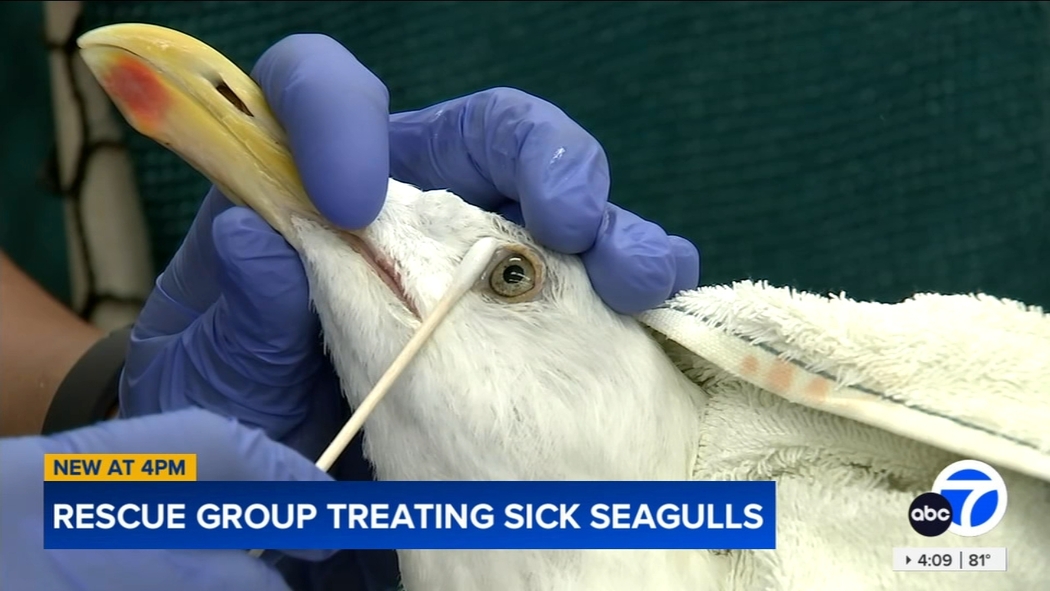
Credit: abc7.com
Frequently Asked Questions
How Do I Know If My Bird Is Sick?
A sick bird often shows signs like lethargy, fluffed feathers, or changes in appetite. You might also notice unusual droppings or breathing difficulties. Early detection is crucial, so consult an avian vet if you observe any of these symptoms to ensure proper care and treatment.
What Should I Feed A Sick Bird?
Offer your sick bird easily digestible foods like soft fruits, cooked rice, or specially formulated bird recovery foods. Ensure fresh water is always available. Consult your vet for dietary recommendations tailored to your bird’s specific needs to support its recovery effectively and ensure proper nutrition.
Can Stress Make My Bird Sick?
Yes, stress can weaken a bird’s immune system, making it more susceptible to illnesses. Factors like environmental changes, poor diet, or lack of social interaction can contribute to stress. Providing a stable environment, proper nutrition, and mental stimulation can help reduce stress and promote your bird’s well-being.
When Should I Take My Bird To The Vet?
If your bird shows persistent symptoms like lethargy, loss of appetite, or breathing issues, seek veterinary care immediately. Early intervention can prevent complications and ensure a better recovery. Regular check-ups are also recommended to catch potential health issues before they become serious.
Conclusion
Caring for a sick bird needs patience and attention. Watch your bird closely for any signs of illness. Provide a quiet, warm place for rest and healing. Offer fresh water and nutritious food regularly. Contact a vet quickly if symptoms worsen or last long.
Early care helps your bird recover faster and stay healthy. Remember, small actions make a big difference in bird care. Stay calm and gentle throughout the treatment process. Your love and care give your bird the best chance to heal.




