
Imagine a small bird hitting a window and falling to the ground. Your heart races as you approach the little creature, hoping it’s not seriously hurt.
It’s a situation that can leave you feeling helpless. But don’t worry; you’re not alone. If you’ve ever found yourself wondering how to treat a bird with a concussion, you’re in the right place. This guide will walk you through simple, effective steps to help your feathered friend recover safely.
You’ll learn how to recognize the signs of a concussion in birds and what immediate actions you can take. By the end of this article, you’ll feel confident in your ability to provide the best care possible. Let’s dive into the essentials so you can make a real difference in a bird’s recovery.
Signs Of A Bird Concussion
A bird concussion happens when a bird hits its head hard. It can cause problems in how the bird acts and moves. Recognizing signs early helps get the bird care fast.
Birds cannot tell us when they are hurt. Watching their behavior and body closely is important. This guide shows common signs of a concussion in birds.
Behavioral Changes
Birds with a concussion often act different than usual. They may seem confused or tired. You might see these changes:
- Less active or weak
- Unusual quietness or no chirping
- Difficulty balancing or flying
- Loss of appetite or not eating
- Sleeping more than normal
Physical Symptoms
Physical signs show how the bird’s body is affected by the concussion. Look for these symptoms to spot a head injury:
| Symptom | Description |
| Swelling | Bulge or bump on the bird’s head |
| Bleeding | Blood around the head or beak area |
| Tilted Head | Head leaning to one side, not straight |
| Closed or Cloudy Eyes | Eyes shut or looking glazed over |
| Seizures | Uncontrolled shaking or twitching |
Immediate First Aid Steps
Birds with a concussion need quick care to avoid more harm. Watch the bird closely and act fast.
Follow these steps to help your bird safely and calmly after a head injury.
Safe Handling Techniques
Hold the bird gently but firmly to stop it from moving too much. Use a soft cloth or towel to wrap the bird if needed.
Support the bird’s body and head carefully to avoid extra injury. Avoid squeezing or holding the bird too tight.
- Use both hands to support the bird
- Wrap the bird in a soft towel if it is struggling
- Keep the bird’s head steady and supported
- Do not shake or jostle the bird
- Move slowly and calmly to avoid stress
Creating A Calm Environment
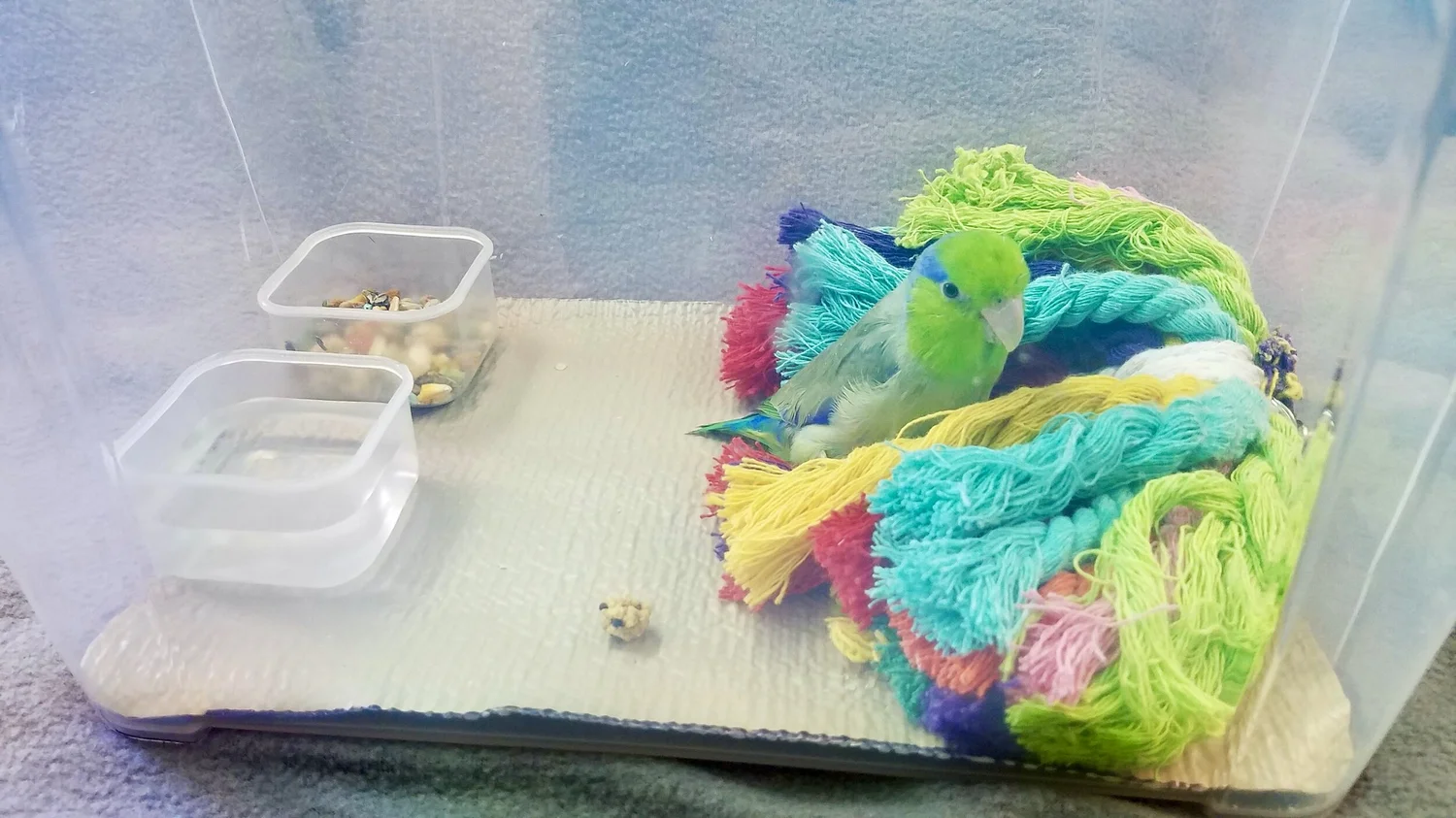
Place the bird in a quiet, warm area away from noise and bright lights. This helps reduce stress and supports healing.
Keep the area dark if possible. Limit handling the bird to only what is necessary for care.
- Use a soft, warm box or cage for the bird
- Keep the room quiet and dim
- Do not expose the bird to loud noises or sudden movements
- Check the bird often but handle it gently and briefly
Medical Care Options
Treating a bird with a concussion needs careful attention. Birds are fragile and need proper care.
Knowing when to see a vet and what tests to expect can help your bird recover well.
When To See A Vet
Take your bird to a vet if it shows signs of a concussion. Early care is very important.
Signs include: trouble balancing, not eating, or unusual behavior like hiding or trembling.
- Loss of coordination or balance
- Weakness or inability to stand
- Bleeding or swelling on the head
- Seizures or shaking
- Unusual quietness or hiding
Diagnostic Procedures
The vet will check the bird’s overall health first. They will look for signs of brain injury.
Common tests include physical exams, X-rays, and sometimes blood tests to check for infection.
- Physical exam to check reflexes and balance
- X-rays to rule out skull fractures
- Blood tests to detect infections or organ problems
- Neurological tests to assess brain function

Credit: birdsupplies.com
Home Care And Recovery
Birds with a concussion need calm and quiet places to heal. Keep them safe from noise and other pets.
Give your bird time to rest. Avoid handling it too much while it recovers at home.
Monitoring Progress
Check your bird often for changes in behavior or health. Look for signs like balance issues or less activity.
Note any problems like bleeding, swelling, or breathing trouble. Contact a vet if symptoms get worse.
- Watch for steady breathing
- Notice if the bird is eating or drinking
- Look for alertness and response to sound
- Check for normal movement and balance
Nutrition And Hydration
Offer fresh water often to keep your bird hydrated. Birds with concussions may drink less than usual.
Provide easy-to-eat foods that your bird likes. Soft fruits, seeds, or pellets work well during recovery.
- Change water daily to keep it clean
- Use shallow dishes for easy access
- Feed small, frequent meals
- Avoid giving new foods during recovery
Preventing Future Injuries
After a bird suffers a concussion, it is important to keep it safe. Preventing more injuries helps the bird heal well. Making changes to its environment can protect it from harm.
Safe housing and avoiding dangers in the bird’s space reduce risks. Careful planning keeps your bird calm and secure.
Safe Housing Tips
Provide a quiet place for your bird to rest. Use a cage that is large enough but not too wide. Avoid sharp edges or loose wires that may hurt the bird.
- Place the cage away from windows and direct sunlight
- Use soft bedding or towels on the cage floor
- Keep the cage in a calm, low-traffic room
- Check the cage daily for any hazards
- Remove toys that are hard or could break easily
Environmental Hazards To Avoid
Some common dangers in a bird’s environment can cause more injuries. Removing these hazards helps keep your bird safe during recovery.
| Hazard | Why Avoid |
| Open windows | Bird may fly into glass or fall out |
| Ceiling fans | Can cause serious head injuries |
| Sharp objects | Can cut or poke the bird |
| Toxic plants | May cause poisoning if eaten |
| Other pets | Can frighten or attack the bird |

Credit: www.reddit.com
Credit: www.exoticvetclinic.com
Frequently Asked Questions
What Are The Signs Of A Bird Concussion?
Signs include disorientation, loss of balance, lethargy, and abnormal eye movements. Birds may also show difficulty flying or eating. Early recognition helps in prompt treatment and recovery.
How To Provide First Aid For A Concussed Bird?
Place the bird in a quiet, warm, and dark environment. Avoid handling it excessively. Offer fresh water and monitor closely for worsening symptoms. Seek veterinary care immediately.
When Should I Take My Bird To The Vet?
If your bird shows persistent disorientation, seizures, bleeding, or difficulty breathing, visit a vet immediately. Early professional care improves recovery chances and prevents complications.
Can A Bird Fully Recover From A Concussion?
Yes, with proper care and veterinary treatment, many birds fully recover. Recovery time varies depending on injury severity and species. Follow vet instructions carefully.
Conclusion
Treating a bird with a concussion needs patience and care. Keep the bird calm in a quiet space. Watch closely for any changes in behavior. Offer fresh water and soft food often. Avoid loud noises and sudden movements. Seek help from a vet for the best advice.
Early attention helps the bird heal faster. Your gentle care makes a big difference. Stay calm and give the bird time to recover. Small steps help your feathered friend get well soon.




