
If your bird is sneezing, has watery eyes, or seems less active than usual, you might be worried it has a cold. Just like you, your feathered friend can catch a cold and feel miserable.
But don’t panic—you can help your bird feel better quickly with the right care. You’ll discover simple, effective steps to treat your bird’s cold at home. Keep reading to learn how to spot the signs, provide comfort, and support your bird’s recovery so it can chirp happily again in no time.

Credit: www.chewy.com
Symptoms Of A Cold In Birds
Birds can catch colds just like humans. Knowing the symptoms helps you care for them quickly. Early detection can prevent serious health problems.
Bird colds show in different ways. Watch closely to spot signs early. This guide explains common symptoms of a cold in birds.
Common Signs To Watch For
Birds with colds often show clear signs. These include sneezing, coughing, and nasal discharge. You may also see watery eyes and difficulty breathing.
- Sneezing and coughing
- Runny or blocked nose
- Watery or swollen eyes
- Labored or noisy breathing
- Decreased appetite
Behavioral Changes
Sick birds act differently from healthy ones. They may hide more and move less. Birds might also stop singing or calling.
Watch for these behavior changes to spot illness early. A cold can make birds feel weak and tired.
- Less active or sleepy
- Hiding or staying in one spot
- Loss of interest in toys or food
- Unusual quietness or lack of calls
Physical Indicators
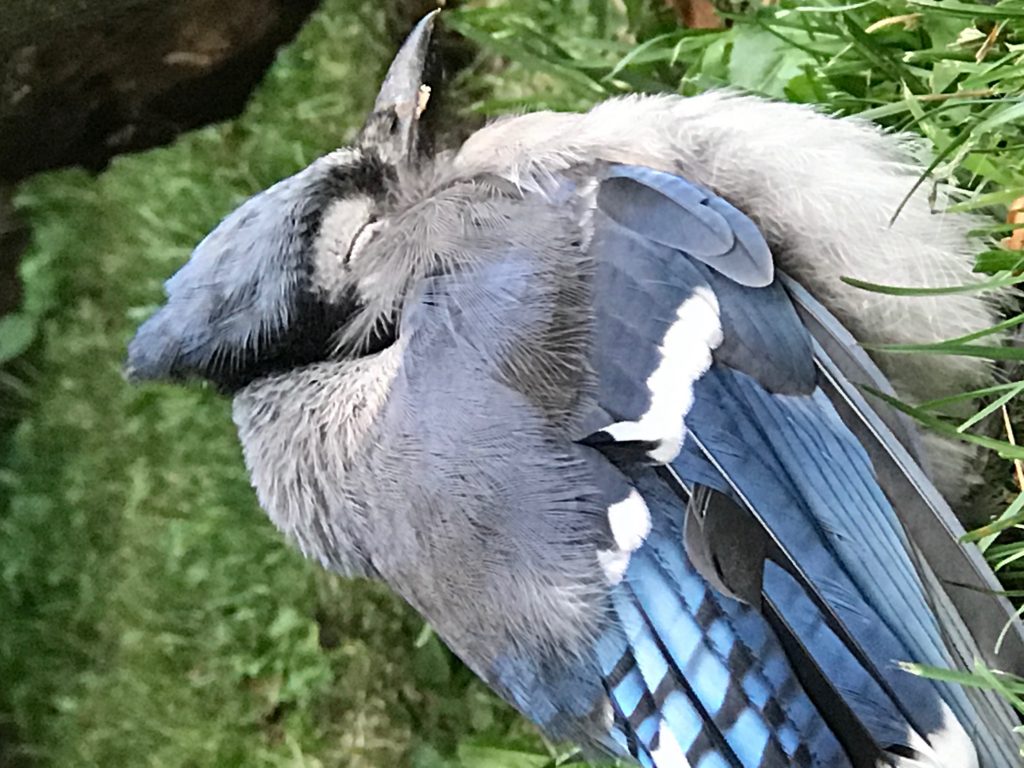
Physical signs help confirm a cold in birds. Look for fluffed feathers and a drooping posture. The bird may also have a swollen face or be breathing through an open beak.
Changes in droppings and weight loss can also show illness. These signs need quick attention to help your bird recover.
- Fluffed up feathers
- Drooping or hunched posture
- Swollen or red eyes and face
- Open-mouth breathing
- Changes in droppings
- Weight loss
Credit: feederwatch.org
Causes Of Bird Colds
Bird colds happen when birds catch infections similar to humans. These infections cause sneezing, runny nose, and breathing trouble.
Understanding what causes bird colds helps keep your pet healthy. Birds can catch colds from many sources around them.
Environmental Factors
Cold or damp places make birds more likely to get colds. Poor cage cleaning can also spread germs fast.
Sudden changes in temperature stress birds and weaken their health.
- Cold drafts or air conditioning
- Dirty cages and food dishes
- High humidity or damp bedding
- Sudden weather changes
Viral And Bacterial Infections
Bird colds often come from viruses like the avian influenza virus. Bacteria can also cause respiratory infections.
These germs spread through contact with other sick birds or contaminated surfaces.
- Viruses: Avian influenza, parrot cold virus
- Bacteria: Mycoplasma, Chlamydia
- Spread by sneezing, shared food, or water
- Infected birds in pet shops or aviaries
Stress And Weak Immunity
Stress lowers a bird’s ability to fight infections. Moving, loud noises, or new pets cause stress.
Young, old, or sick birds have weaker immunity and catch colds easier.
- Changes in environment or routine
- Poor diet and lack of vitamins
- Other illnesses lowering defenses
- Overcrowded cages
Home Care For A Sick Bird
Birds can catch colds just like people. Taking care of a sick bird at home helps it get better fast.
Good home care means giving your bird comfort, food, water, and a clean space.
Creating A Warm And Comfortable Space
Sick birds need warmth to help fight illness. Keep their cage away from drafts and cold air.
Use a soft blanket or towel to make a cozy place. Avoid bright lights and loud noises to reduce stress.
- Place cage in a quiet room
- Keep temperature around 75-80°F (24-27°C)
- Use a heating pad under part of the cage, if needed
Ensuring Proper Hydration And Nutrition
Water is very important for a sick bird. Make sure fresh water is always available and easy to reach.
Offer soft, easy-to-eat foods like cooked rice or mashed fruits. This helps if the bird has a sore throat.
- Change water daily to keep it clean
- Provide favorite fruits or veggies in small pieces
- Consider soaked pellets for easier eating
Maintaining Cleanliness
A clean environment stops germs from spreading. Clean the cage daily while handling the bird gently.
Remove old food and droppings. Wash food and water containers with warm, soapy water every day.
- Replace cage liners daily
- Disinfect perches and toys weekly
- Wash hands before and after care
When To Visit A Veterinarian
Birds can catch colds just like humans. Some signs mean you should see a vet right away.
Knowing when to visit a vet can help your bird get better faster and avoid serious problems.
Signs Of Severe Illness
Watch your bird closely for signs that need urgent care. Severe illness needs quick attention.
These signs include sudden weakness, difficulty breathing, and lack of appetite.
- Labored or noisy breathing
- Swollen eyes or face
- Continuous sneezing or coughing
- Fluffed feathers and shivering
- Not eating or drinking for more than a day
- Drooping wings or inability to perch
- Unusual droppings or diarrhea
Diagnostic Tests
The vet will check your bird to find the exact cause of the cold. Tests help guide treatment.
Common tests include physical exams and samples from the bird’s nose or throat.
- Physical examination to check breathing and posture
- Swab tests to detect bacteria or viruses
- Blood tests to check overall health
- X-rays to look at lungs and air sacs
Possible Treatments
Treatment depends on how sick the bird is and what the vet finds. Rest and care are important.
The vet may give medicine or other help to make the bird feel better.
- Antibiotics for bacterial infections
- Anti-inflammatory medicine to reduce swelling
- Fluids to prevent dehydration
- Warm, quiet environment for rest
- Nutrition support if the bird is not eating
Preventing Future Colds
Birds can catch colds easily. It is important to keep them healthy. You can help your bird avoid future colds.
Good care and simple steps make a big difference. Focus on the bird’s environment, food, and stress levels.
Improving Cage Hygiene
Clean cages help stop germs from spreading. Wash the cage and accessories often. Remove droppings daily.
- Replace cage liners every day
- Disinfect food and water bowls weekly
- Clean perches and toys regularly
- Keep the cage in a dry, well-ventilated area
Balanced Diet And Supplements
A healthy diet strengthens your bird’s immune system. Provide fresh seeds, fruits, and vegetables daily.
| Food Type | Benefits | Examples |
| Seeds | Energy and fats | Sunflower, millet |
| Fruits | Vitamins and hydration | Apple slices, berries |
| Vegetables | Minerals and fiber | Carrots, spinach |
| Supplements | Boost immunity | Vitamin A, calcium |
Minimizing Stress And Exposure
Stress weakens your bird’s health. Keep noise and sudden changes low. Avoid contact with sick birds.
- Place cage in a quiet area
- Keep a regular feeding and cleaning schedule
- Limit visitors near the bird
- Quarantine new birds before adding to the cage
Credit: pethelpful.com
Frequently Asked Questions
What Are The Common Signs Of A Bird With A Cold?
Common signs include sneezing, nasal discharge, watery eyes, and lethargy. You may notice difficulty breathing and reduced appetite. Early detection helps in prompt treatment.
How Can I Safely Treat A Bird With A Cold?
Provide a warm, quiet environment and keep the bird hydrated. Use a humidifier to ease breathing. Consult an avian vet for proper medication.
When Should I Take My Bird To The Vet For A Cold?
Visit a vet if symptoms worsen, persist over three days, or if your bird shows breathing difficulty. Early vet care prevents complications and promotes recovery.
Can Cold Birds Recover Without Medication?
Mild cases may improve with warmth and rest. However, medication speeds recovery and prevents secondary infections. Always monitor your bird’s condition closely.
Conclusion
Caring for a bird with a cold requires patience. Keep its environment warm. Fresh water and food are crucial daily. Monitor symptoms closely. If the bird worsens, seek a vet’s help. A healthy diet boosts recovery. Rest is vital for healing.
Ensure the bird feels safe and comfortable. Love and attention aid its recovery. Regular vet visits prevent future issues. Always prioritize your bird’s well-being. With these steps, your bird can recover swiftly. Remember, a healthy bird is a happy companion.
Stay attentive and informed about its needs. Your care makes a big difference.




