
Are you noticing tiny bugs crawling through your bird’s feathers? Bird lice can cause discomfort and health issues for your feathered friend if left untreated.
But don’t worry—treating bird lice doesn’t have to be complicated. You’ll discover simple, effective ways to get rid of these pests and keep your bird happy and healthy. Keep reading to learn how to protect your bird and make sure those pesky lice don’t come back.
Identifying Bird Lice
Bird lice are small insects that live on birds. They feed on feathers and skin. Knowing how to spot them helps keep birds healthy.
Bird lice can cause discomfort and harm if not treated. Learn the signs and types of these pests to act quickly.
Signs Of Infestation
Birds with lice often show signs that are easy to notice. Watch for these common signs:
- Birds scratch or peck their feathers more than usual
- Feathers look broken, dull, or missing in patches
- Birds may seem restless or irritated
- Small white or gray insects visible on feathers
- Birds lose weight or show poor feather growth
Types Of Bird Lice
Bird lice belong to different groups based on what they eat and how they live. Here are the main types:
| Type | Diet | Location on Bird |
| Feather Lice | Feathers and down | Body feathers |
| Skin Lice | Skin scales and debris | Skin surface |
| Blood Lice | Blood (rare) | Near skin or feathers |
Commonly Affected Birds
Bird lice can infest many bird species. Some birds are more likely to have lice than others.
- Pet birds like parrots and cockatiels
- Wild birds such as pigeons and sparrows
- Domestic birds like chickens and ducks
- Birds in crowded or dirty environments
Causes And Risks
Bird lice are tiny parasites that live on birds. They feed on feathers and skin, causing irritation.
Understanding how lice affect birds helps prevent and treat infestations effectively.
How Birds Contract Lice
Birds get lice by close contact with other birds. Lice move easily from one bird to another.
Wild birds, new birds, or overcrowded cages increase the chance of lice spreading.
- Direct contact with infected birds
- Sharing nesting areas or perches
- Contact with wild birds or contaminated surfaces
Health Impact On Birds
Lice cause itching and discomfort to birds. Birds may scratch and lose feathers.
Severe infestations can lead to skin damage and weaken a bird’s immune system.
- Skin irritation and feather loss
- Stress and restlessness
- Lowered resistance to other diseases
Spread Within Flocks
Lice spread quickly in groups of birds kept close together. Overcrowded spaces help lice thrive.
Shared feeders, waterers, and nests make it easy for lice to move between birds.
- Close living quarters increase lice transfer
- Shared equipment spreads lice
- New birds can introduce lice to the flock
Natural Remedies
Bird lice can cause discomfort and health issues for your birds. Using natural remedies helps treat lice safely. These options avoid harsh chemicals and protect your feathered friends.
Natural treatments focus on essential oils, herbs, and cleaning to keep lice away. This guide explains how to use these remedies effectively.
Essential Oils For Treatment
Essential oils repel and kill bird lice naturally. They also keep the bird’s skin healthy. Use oils carefully to avoid harming your birds.
Common oils for lice treatment include tea tree, neem, and eucalyptus oils. Dilute them before use to protect sensitive skin.
- Mix a few drops of essential oil with water in a spray bottle.
- Spray lightly on feathers and cage areas.
- Repeat treatment every few days for best results.
- Check birds for any skin irritation.
Herbal Solutions
Herbs can help fight lice by acting as natural insect repellents. They are safe and easy to use around birds.
Common herbs to use are lavender, rosemary, and peppermint. These herbs can be added to baths or placed near cages.
- Add dried herbs to bird baths to soothe skin and repel lice.
- Place fresh herb bundles near the bird’s living area.
- Use herbal sprays made from boiled herbs and water.
- Replace herbs regularly to keep them effective.
Home Cleaning Techniques
Cleaning the bird’s home removes lice and their eggs. Regular cleaning helps stop lice from returning.
Focus on cages, perches, and bedding. Use natural cleaning agents to avoid chemicals that could harm your birds.
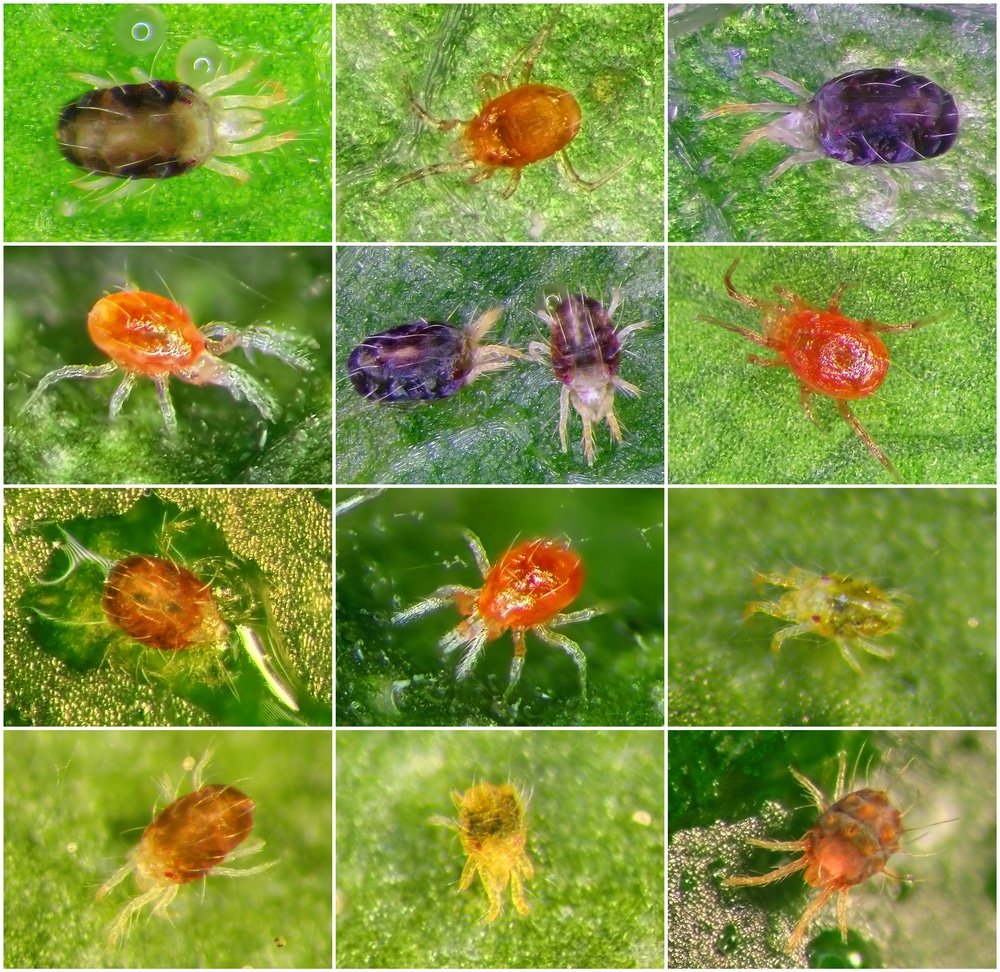
- Remove all bedding and wash it in hot water.
- Clean cage bars and perches with vinegar and water solution.
- Vacuum the area around the cage to pick up lice and eggs.
- Repeat cleaning every week until lice are gone.
Credit: howtopest.com
Chemical Treatments
Bird lice can harm your pet birds if left untreated. Chemical treatments are one way to control lice infestations.
These treatments use insecticides that kill lice quickly and effectively. Always use chemicals safe for birds.
Safe Insecticides For Birds
Only use insecticides that are made for birds. Some chemicals can hurt or even kill your birds.
Common safe insecticides include pyrethrin and permethrin in bird-safe formulas. These kill lice without harming birds.
- Pyrethrin-based sprays and powders
- Permethrin treatments designed for birds
- Natural oils like neem oil as gentle alternatives
Application Methods
Apply insecticides carefully to avoid stressing your birds. Use the right method for the product you choose.
You can spray, dust, or dip your birds, depending on the treatment. Always follow the product instructions closely.
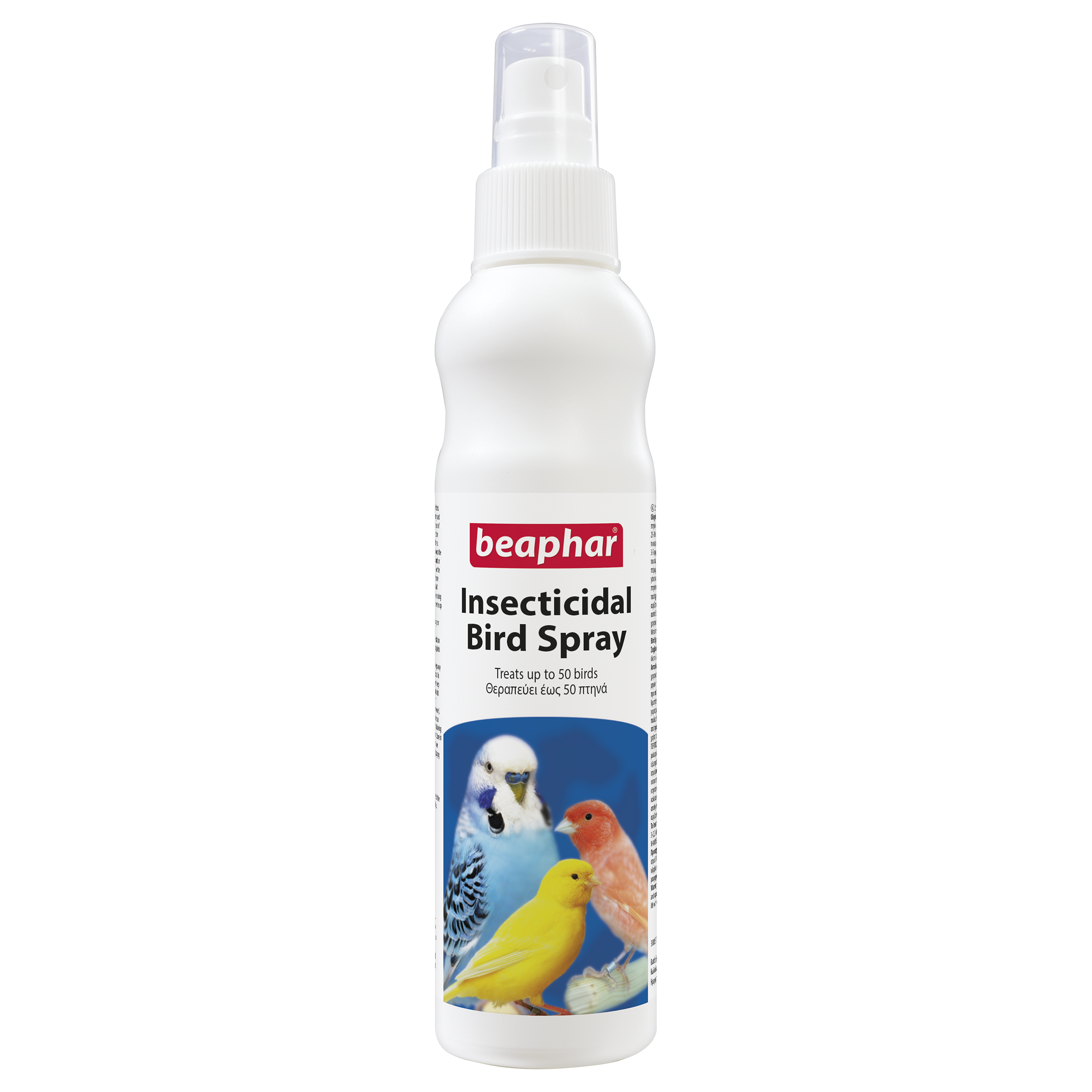
- Spray the bird’s feathers lightly, avoiding eyes and nose
- Use dust powders on feathers and nesting areas
- Dip birds briefly in diluted solutions if recommended
- Clean cages and perches to stop reinfestation
Precautions And Side Effects
Some birds may react badly to chemical treatments. Watch for signs of stress or illness after use.
Do not overuse insecticides. Use only the amount needed to avoid harming your birds or the environment.
- Avoid contact with eyes, nose, and mouth
- Use gloves and work in a well-ventilated area
- Do not treat sick or very young birds without advice
- Stop treatment if birds show unusual behavior or breathing problems
Preventive Measures
Bird lice can cause discomfort and health issues for your pet birds. Preventing lice is easier than treating an infestation. You can protect your birds by following simple habits.
This guide covers key preventive measures to keep your birds safe and healthy.
Regular Cage Cleaning
Cleaning your bird’s cage often removes lice eggs and larvae. This lowers the chance of lice spreading. Use warm water and mild soap to wash all surfaces.
- Remove all toys and perches before cleaning
- Scrub cage bars, trays, and corners carefully
- Replace cage liners or bedding weekly
- Dry the cage completely before returning birds
Quarantine New Birds
New birds may carry lice without visible signs. Keep new birds separate for at least two weeks. This helps you check for lice and avoid spreading them to your other birds.
| Quarantine Actions | Purpose |
| Isolate new birds in a separate room | Prevent lice spread |
| Inspect birds daily for lice or eggs | Early detection |
| Clean quarantine area regularly | Remove lice from environment |
| Consult a vet if lice are found | Effective treatment |
Maintain Bird Hygiene
Keeping your bird clean reduces lice risks. Bathing helps remove lice and their eggs from feathers. Use safe water and mild bird shampoo if needed.
Tips to maintain bird hygiene:
- Provide regular baths or misting
- Keep feathers dry and clean
- Trim nails to avoid skin damage
- Check feathers for lice or eggs weekly
Credit: www.beaphar.com
Monitoring And Follow-up
After treating bird lice, it is important to watch your bird closely. Monitoring helps ensure the treatment worked well. Follow-up care prevents the lice from coming back.
Regular checks and knowing what signs to look for can keep your bird healthy. You should also know when to ask for expert help.
Routine Inspections
Check your bird’s feathers and skin often. Look for any small moving insects or eggs. Pay special attention to areas like under the wings and around the neck.
- Use a bright light to see clearly
- Gently part the feathers to check the skin
- Look for tiny white or brown specks
- Inspect the bird’s living area for lice or debris
- Repeat inspections at least once a week
Signs Of Recurrence
Bird lice may come back after treatment. Watch for itching or constant preening by your bird. You might see lice moving on feathers or find small eggs.
| Sign | What to Look For |
| Itching | Bird scratches or pecks at feathers often |
| Feather Damage | Bald spots or broken feathers |
| Visible Lice | Small insects moving on feathers |
| Eggs | Tiny white dots glued to feathers |
When To Seek Veterinary Help
If lice keep returning or your bird looks weak, get help from a vet. A vet can check for other issues and offer stronger treatments.
- Persistent itching or feather loss
- Bird stops eating or is less active
- Visible lice after several treatments
- Signs of infection on the skin
Credit: howtopest.com
Frequently Asked Questions
What Are The Common Signs Of Bird Lice Infestation?
Bird lice cause itching, feather damage, and restlessness in birds. You may see small white or brown insects on feathers or skin. Birds might scratch frequently or lose feathers due to lice irritation.
How Can I Safely Treat Bird Lice At Home?
Use bird-safe insecticidal sprays or powders specifically for lice. Clean and disinfect bird cages and accessories regularly. Consult a vet before applying any treatment to avoid harming your bird.
Can Bird Lice Spread To Humans Or Other Pets?
Bird lice mainly infest birds and rarely affect humans or other pets. However, close contact may cause temporary skin irritation in humans. Keep good hygiene and isolate infested birds to prevent spread.
How Often Should I Clean A Bird’s Environment To Prevent Lice?
Clean bird cages and accessories at least once a week. Regular cleaning removes lice eggs and prevents reinfestation. Use warm soapy water and disinfectants safe for birds during cleaning.
Conclusion
Bird lice can be a pesky problem for your feathered friends. Regular cleaning helps keep their environment lice-free. Use safe treatments that won’t harm your birds. Consult a vet for the best advice and solutions. Keep your birds healthy with proper care and attention.
Always monitor your birds for signs of lice. Acting early prevents bigger issues later. A clean habitat and regular check-ups are key. Protecting your birds from lice ensures their happiness. Your commitment makes a big difference in their lives. Remember, a healthy bird is a happy bird!




