
Are you worried about bird flu and what happens if you catch it? Understanding how bird flu is treated in humans can help you feel more in control and prepared.
This article will guide you through the key steps doctors take to fight the infection and keep you safe. By learning what treatment looks like, you can spot the signs early and know exactly what to expect. Keep reading to discover how bird flu is handled and how you can protect your health.

Credit: www.youtube.com
Symptoms Of Bird Flu In Humans
Bird flu is a viral infection that can spread from birds to people. It affects the respiratory system and other parts of the body.
Recognizing symptoms early helps in getting quick treatment. Symptoms can range from mild to severe.
Fever And Chills
Most people with bird flu develop a sudden fever. The fever can be high and is often accompanied by chills.
This is one of the first signs that the body is fighting the infection.
Cough And Sore Throat
A dry or sometimes wet cough is common in bird flu. The throat may feel sore or irritated.
The cough usually lasts for several days and can cause discomfort.
Muscle Aches And Fatigue
Bird flu can cause muscle pain and tiredness. These symptoms can make daily activities hard.
Fatigue often lasts for a few weeks even after other symptoms improve.
Difficulty Breathing
Some people with bird flu have trouble breathing. This happens if the infection spreads to the lungs.
Shortness of breath needs immediate medical care to avoid serious problems.
Eye Infections
Bird flu can cause redness and pain in the eyes. Some patients may have watery eyes or swelling.
Eye symptoms often appear with other flu signs.
Gastrointestinal Symptoms
Bird flu may cause stomach pain, nausea, vomiting, or diarrhea. These symptoms are less common but possible.
They happen when the virus affects the digestive system.

Credit: m.economictimes.com
Diagnosis Techniques
Bird flu in humans needs quick and accurate diagnosis. Doctors use several tests to find the virus.
Early diagnosis helps give the right treatment fast. It also stops the virus from spreading.
Clinical Evaluation
Doctors first check symptoms like fever, cough, and body pain. They ask about recent contact with birds.
They also look for signs of breathing problems or severe illness. This helps decide if tests are needed.
Rapid Influenza Diagnostic Tests (ridts)
RIDTs detect flu viruses quickly from nose or throat samples. Results come in 10 to 15 minutes.
These tests cannot always tell bird flu apart from regular flu. They help guide early treatment.
Reverse Transcription Polymerase Chain Reaction (rt-pcr)
RT-PCR tests find bird flu virus genes in patient samples. This test is very accurate and sensitive.
It can confirm bird flu infection and identify the virus type. Results usually take a few hours to days.
Virus Isolation And Culture
Scientists grow the virus from patient samples in a lab. This method helps study the virus closely.
This test takes several days. It is used mainly for research and confirming diagnosis.
Serological Tests
Serological tests check for antibodies in blood. Antibodies show if the person has had bird flu before.
These tests help confirm past infection but are not used for early diagnosis.
Antiviral Medications
Bird flu in humans requires prompt treatment to reduce symptoms and prevent complications. Antiviral medications are the main option doctors use.
These medicines help stop the virus from multiplying inside the body. Early use improves the chance of recovery.
Common Drugs Used
Several antiviral drugs target the bird flu virus. The most common are:
- Oseltamivir (Tamiflu)
- Zanamivir (Relenza)
- Peramivir (Rapivab)
These drugs belong to a group called neuraminidase inhibitors. They block the virus’s ability to spread.
Treatment Duration
| Drug | Typical Treatment Length |
| Oseltamivir | 5 days |
| Zanamivir | 5 days |
| Peramivir | Single dose or 5 days |
Doctors may adjust the length depending on the patient’s response. Starting treatment within 48 hours is best.
Potential Side Effects
Antiviral drugs can cause mild side effects. These usually go away after treatment ends.
- Nausea and vomiting
- Headache
- Diarrhea
- Fatigue
- Rare allergic reactions
Patients should talk to their doctor about any side effects or concerns during treatment.
Supportive Care Approaches
Bird flu in humans requires careful supportive care to help the body fight the infection. Supportive care helps relieve symptoms and prevents complications.
This care includes managing breathing, fluids, and other vital functions until the patient recovers.
Hospitalization Needs
Many patients with bird flu need to stay in the hospital. This allows doctors to watch their health closely.
Hospitalization helps manage severe symptoms and provides quick care if the patient’s condition worsens.
Oxygen Therapy
Bird flu often causes breathing problems. Oxygen therapy helps patients get enough oxygen to their lungs.
Doctors use oxygen masks or tubes to make breathing easier and support lung function.
- Improves oxygen levels in the blood
- Reduces breathlessness
- Supports lung healing
Managing Complications
Bird flu can cause complications like pneumonia or organ failure. Doctors treat these problems quickly to help recovery.
Care may include medicines for infections, fluids to prevent dehydration, and support for affected organs.
- Antibiotics for secondary infections
- IV fluids to maintain hydration
- Medications to support heart and kidney functions
Preventive Measures During Treatment
Treating bird flu in humans requires careful steps to stop the disease from spreading. Following safety rules helps protect patients and others around them.
Doctors and caregivers use special measures to keep the infection contained during treatment. These measures focus on isolation and hygiene.
Isolation Practices
Patients with bird flu should stay in a separate room or area. This helps stop the virus from spreading to healthy people.
Isolation limits contact with others. Visitors and non-essential staff should avoid entering the patient’s space.
- Use a private room with good ventilation
- Limit movement of the patient outside the room
- Healthcare workers wear protective gear
- Keep the door closed except when needed
Hygiene Protocols
Good hygiene is very important during bird flu treatment. It reduces the chance of spreading the virus through touch or droplets.
Everyone involved must wash hands often and clean surfaces regularly. Protective equipment should be used and disposed of safely.
- Wash hands with soap for at least 20 seconds
- Use alcohol-based hand sanitizer if soap is unavailable
- Disinfect surfaces and medical tools daily
- Wear masks, gloves, and gowns when caring for patients
- Properly dispose of used protective gear and waste
Role Of Vaccines
Bird flu can cause serious illness in humans. Vaccines help the body fight the virus. They are an important tool in treatment and prevention.
Scientists work to create vaccines that protect against different bird flu strains. These vaccines support other treatments and reduce the spread of the virus.
Current Vaccine Options
Several vaccines target bird flu viruses. They are made from parts of the virus or weakened forms. Some vaccines focus on specific bird flu strains like H5N1.
- Inactivated vaccines use killed virus to trigger immunity.
- Live attenuated vaccines use weakened virus to create a strong immune response.
- Recombinant vaccines use genetic material to produce viral proteins.
- Universal flu vaccines are in research to cover many flu types.
Effectiveness And Availability
| Vaccine Type | Effectiveness | Availability |
| Inactivated | Moderate to high | Widely available in flu seasons |
| Live Attenuated | High in healthy adults | Limited use, controlled supply |
| Recombinant | Good for specific strains | Available in some countries |
| Universal (Research) | Under study | Not yet available |
Vaccine effectiveness depends on the match with the bird flu strain. Availability varies by region and health policies. Vaccines are one part of a full treatment plan.
Emerging Therapies
Bird flu, also known as avian influenza, can cause serious illness in humans. Treatments are improving with new therapies. Scientists are exploring options to better fight the virus and help patients recover faster.
Emerging therapies focus on stopping the virus, reducing symptoms, and preventing complications. These treatments offer hope for people infected with bird flu.
Antiviral Drugs
Antiviral drugs are the first choice in treating bird flu. New drugs aim to block the virus from multiplying. Some target specific parts of the virus to stop its spread.
- Neuraminidase inhibitors, like oseltamivir, remain important.
- Newer drugs target viral polymerase to stop replication.
- Combination therapies are tested to improve effectiveness.
Monoclonal Antibodies
Monoclonal antibodies are lab-made proteins that fight the virus. They help the immune system find and destroy bird flu viruses. This therapy can lower virus levels quickly.
These antibodies are given through injection or infusion. Researchers are working to make them easier to use and more powerful against different virus strains.
Immune Modulators
Immune modulators help balance the body’s response to infection. Bird flu can cause an overactive immune reaction, which damages tissues. These therapies reduce harmful inflammation.
| Type | Purpose | Examples |
|---|---|---|
| Cytokine blockers | Reduce inflammation | Interleukin inhibitors |
| Immune boosters | Enhance defense | Interferons |
| Steroids | Control immune overreaction | Prednisone |
Gene Therapy
Gene therapy uses genetic material to fight viruses. It can help cells resist infection or boost antiviral responses. This is a new area under study for bird flu treatment.
Scientists are testing ways to deliver these genes safely to patients. This therapy might prevent virus replication inside human cells.
Challenges In Treatment
Treating bird flu in humans is difficult. The virus changes often, making treatment tricky.
Doctors face many problems when trying to help patients recover from bird flu.
Drug Resistance
Bird flu viruses can become resistant to medicines. This makes some drugs less effective or useless.
Resistance happens when the virus changes its structure. This stops drugs from working well.
- Resistance limits treatment options
- New drugs take time to develop
- Doctors must monitor resistance patterns
Access To Care
Many people with bird flu live in remote or poor areas. They may not get medical help quickly.
Limited hospitals and medicines make treatment harder. Delays can increase illness severity.
- Distance from health centers is a barrier
- Shortage of antiviral drugs in some regions
- Lack of trained health workers affects care
Credit: inspection.canada.ca
Frequently Asked Questions
What Are Common Treatments For Bird Flu In Humans?
Antiviral drugs like oseltamivir and zanamivir are commonly used to treat bird flu. Early treatment reduces severity and complications. Supportive care, including hydration and oxygen therapy, is also important to aid recovery.
How Soon Should Bird Flu Treatment Start?
Treatment should begin within 48 hours of symptom onset for best results. Early intervention helps reduce virus replication and improves recovery chances.
Can Antibiotics Cure Bird Flu In Humans?
No, antibiotics do not cure bird flu as it’s caused by a virus. They may be used only if bacterial infections develop alongside the flu.
Is Hospitalization Necessary For Bird Flu Patients?
Hospitalization is often required for severe cases to provide intensive care. Mild cases may be managed at home with close monitoring and antiviral treatment.
Conclusion
Bird flu treatment in humans requires quick medical attention. Antiviral drugs help fight the virus. Rest and fluids support recovery. Vaccines are in development for better prevention. Doctors monitor symptoms and provide personalized care. Early detection improves treatment success. Public awareness can reduce spread.
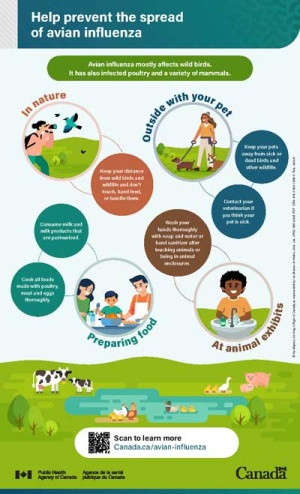
Protect yourself by avoiding contact with infected birds. Maintain good hygiene practices. Stay informed about outbreaks in your area. Understanding these steps can keep you and your loved ones safe. Stay healthy and vigilant.




