
Have you ever looked at a map from above and thought about seeing things from a bird’s eye view? It’s a way to get the big picture, to see everything laid out clearly.
But what if you want the opposite? What if you want to focus on the small details, the things you can’t spot from high up? Understanding the opposite of a bird’s eye view can change how you solve problems and make decisions.
You’ll discover what that opposite perspective is and how it can help you see your world differently. Keep reading to find out how shifting your view can unlock new insights.

Credit: www.bridgemanimages.com
Birds Eye View Basics
A birds eye view shows a scene from above. It looks down like a bird flying in the sky.
This view helps people see the big picture and all parts at once.
Definition And Features
A birds eye view is a top-down look at an area or object. It shows how parts fit together.
Features include a wide view and clear layout. It shows space and position well.
- Seen from high above
- Shows layout and arrangement
- Focuses on space and scale
- Ignores height and depth details
Common Uses And Examples
People use birds eye views in maps, games, and plans. It helps in planning and navigation.
Examples include city maps, video games, and building blueprints.
- City planning maps
- Video game levels
- Architectural drawings
- Event layouts
Ground-level Perspective
The ground-level perspective shows scenes from the viewer’s eye height. It feels natural, like standing on the ground. This view focuses on details visible at normal human height.
This perspective is the opposite of the birds eye view, which looks down from above. Ground-level views help people connect with what is close and immediate.
Key Characteristics
The ground-level perspective has unique features that shape how we see the world around us.
- Shows objects and people at eye height
- Focuses on details and textures nearby
- Creates a sense of presence and immersion
- Limits the field of view compared to aerial views
- Emphasizes vertical elements like walls and trees
How It Differs From Birds Eye View
| Aspect | Ground-Level Perspective | Birds Eye View |
|---|---|---|
| Viewpoint | At human eye height | High above looking down |
| Field of View | Narrower, focused on details | Wide, shows large areas |
| Depth Perception | Strong sense of depth and scale | Flattened or less depth visible |
| Emotional Feel | Intimate and immersive | Objective and detached |
| Use Cases | Walking tours, street scenes | Maps, planning, aerial photos |
Benefits Of Ground-level Perspective
The opposite of a bird’s eye view is a ground-level perspective. This view shows things as if you are standing right there. It lets you see the details that are missed from above.
Looking from the ground helps you focus on one part at a time. You feel more connected to what you see and experience it fully.
Enhanced Detail And Focus
The ground-level view shows small details clearly. You can notice textures, colors, and shapes better. It helps you focus on specific things without distractions.
This perspective is useful when you want to learn or understand something deeply. It keeps your attention on what matters most.
- See textures and patterns closely
- Notice colors and small changes
- Focus on one object or area
- Avoid distractions from a wide view
Emotional And Experiential Impact
Seeing things at ground level creates stronger feelings. You feel part of the scene and can experience it fully. This makes moments more real and memorable.
It helps you connect with people, places, and events on a personal level. This emotional bond is harder to get from a distant view.
- Feel closer to the environment
- Experience emotions deeply
- Build personal connections
- Create lasting memories
Applications In Various Fields
The opposite of a bird’s eye view shows things from a low or ground-level angle. This view helps us see details that a high view might miss.
This perspective is useful in many areas like photography, planning cities, and virtual worlds.
Photography And Film
In photography and film, a low or eye-level view creates a sense of closeness. It shows subjects as if you are standing right beside them.
- It helps highlight facial expressions and emotions.
- It can make characters look stronger or more powerful.
- This view adds drama to scenes by focusing on details.
Urban Planning And Architecture
Planners use ground-level views to understand how people will experience a space. It shows how buildings and streets feel from a person’s viewpoint.
| View Type | Purpose |
| Bird’s Eye View | Shows overall city layout |
| Ground-Level View | Shows human experience and details |
Virtual Reality And Gaming
Games and virtual reality use the opposite of a bird’s eye view to make worlds feel real. This view places players inside the environment.
Key uses include:
- First-person perspective for immersion
- Showing details close to the player
- Creating realistic interactions with objects
Choosing The Right Perspective
Choosing the right perspective helps you show the best view of a scene. Different angles give different information. Understanding when to use each view improves your work.
The opposite of a birds eye view is a ground-level view. Each has a purpose and fits different needs. Let’s explore when to use each type.
When To Use Birds Eye View
A birds eye view shows the scene from above. It gives a broad look and helps see many details at once. Use this view to show how parts fit together.
- To display maps or layouts clearly
- When you want to show scale or size
- For planning or design overviews
- To show relationships between objects or areas
When Ground-level Works Better
A ground-level view shows things from the eye of a person standing nearby. This view helps connect with details and gives a realistic feel.
| Benefit | Use Case |
| Shows detail clearly | Product photos |
| Feels natural and familiar | Storytelling |
| Focuses on specific objects | Portraits or close-ups |
| Captures height and depth | Architecture |
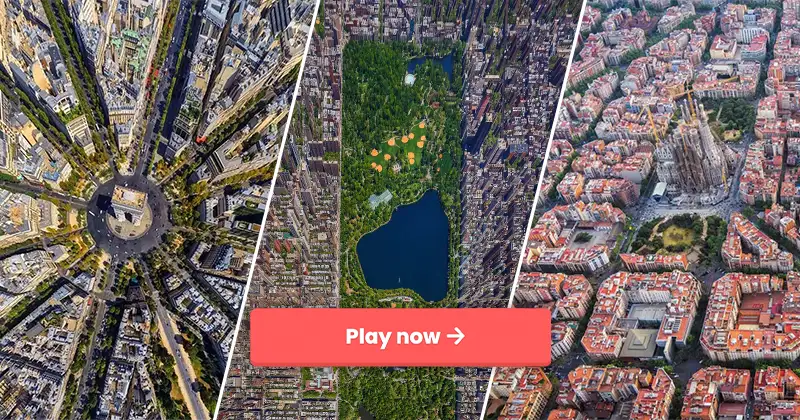
Credit: quizly.co
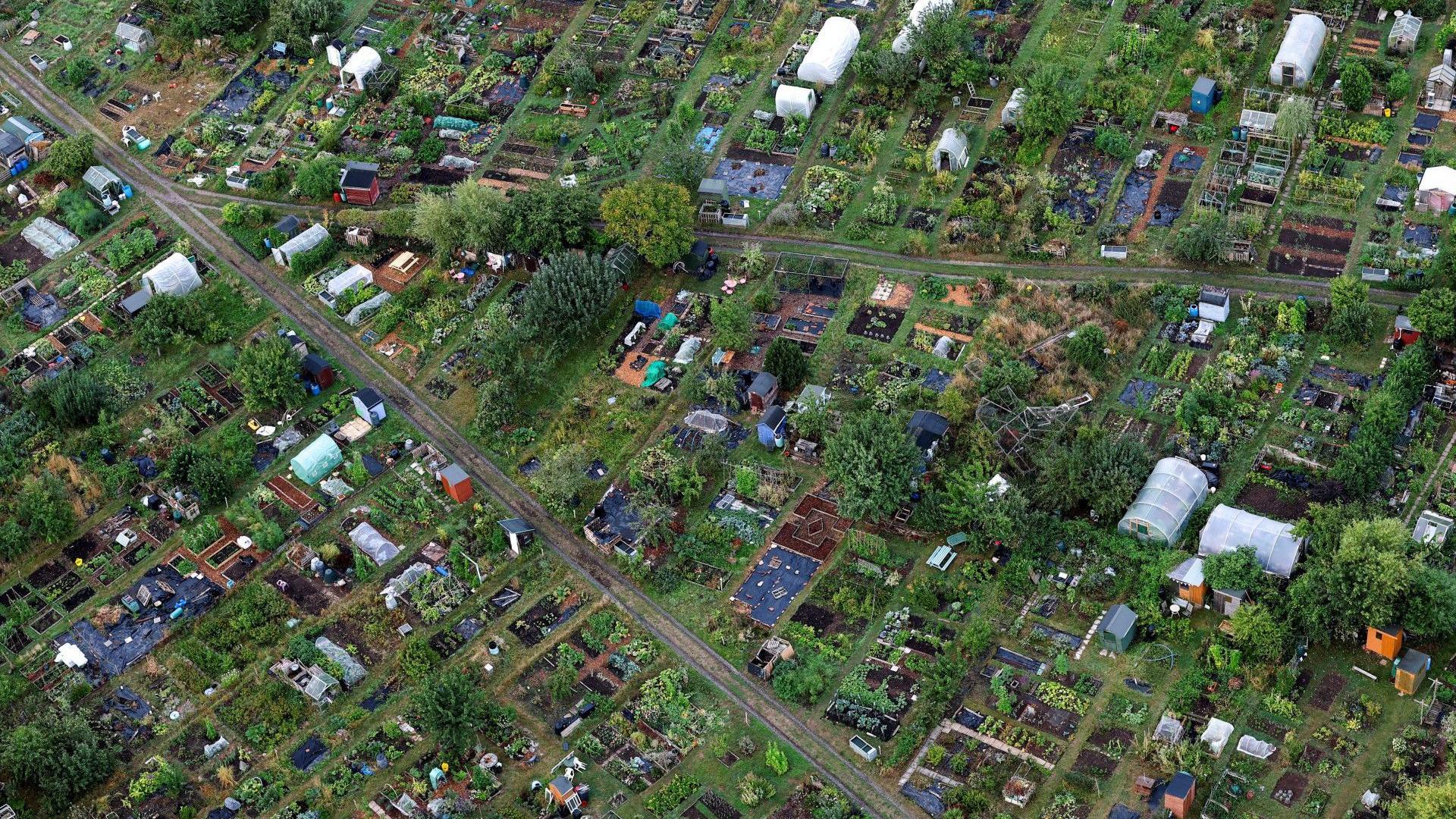
Credit: www.bbc.co.uk
Frequently Asked Questions
What Is The Opposite Of A Bird’s Eye View?
The opposite of a bird’s eye view is a worm’s eye view. It shows a perspective from below, looking up.
How Does Worm’s Eye View Differ From Bird’s Eye View?
Worm’s eye view offers a ground-up angle, emphasizing height. Bird’s eye view looks down, highlighting layout and space.
When Should You Use A Worm’s Eye View?
Use worm’s eye view to emphasize size, power, or height in photography or design. It adds dramatic perspective.
Why Is Bird’s Eye View Commonly Used In Maps?
Bird’s eye view shows an area from above, making it ideal for maps and layouts. It provides clear spatial context.
Conclusion
Understanding different perspectives enriches our view of the world. The opposite of a bird’s eye view offers a closer, detailed look. It provides a deeper connection to the subject. This perspective shows details often missed from above. Use it to gain fresh insights and a new angle.
Each viewpoint brings unique benefits to understanding. Embrace both for a balanced perspective. Next time, explore the world from ground level. Notice the details and stories it reveals. Discover the beauty in the close-up view. Let it enhance your perception of everyday life.
Enjoy the journey of seeing from different angles.




