
Imagine having eyes all around your Chevy, helping you see everything around your car without turning your head. That’s exactly what the Chevy Birds Eye View system offers.
If you’ve ever struggled with parking or navigating tight spaces, this technology can change the way you drive. You’ll discover how the Chevy Birds Eye View works, how it keeps you safer, and why it’s a game-changer for your daily drives.
Keep reading to unlock the full potential of your vehicle’s smart vision.
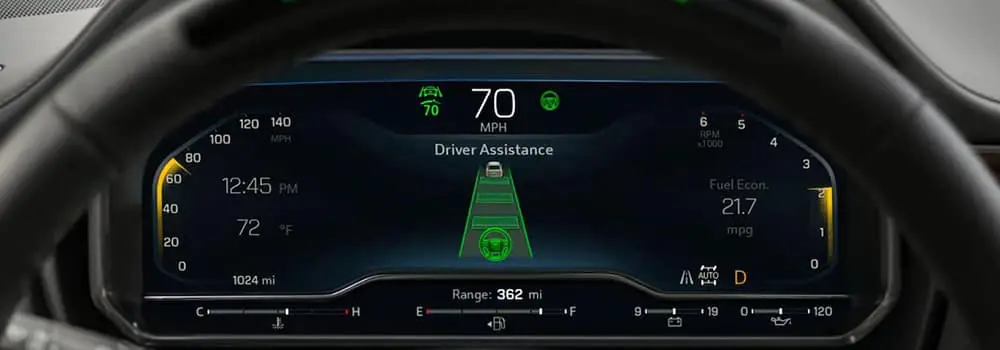
Credit: www.jimellischevrolet.com
Birds Eye View Technology
The Chevy Birds Eye View gives drivers a clear picture of their car’s surroundings. It uses cameras and software to create a top-down view. This helps with parking and tight spots.
The system combines images from several cameras around the vehicle. The result is one seamless view that shows everything around the car.
Camera Placement And Coverage
The Chevy system uses multiple cameras placed in key spots. These include the front, rear, and side mirrors. Each camera covers a specific area around the car.
- Front camera looks ahead of the vehicle
- Rear camera shows what is behind
- Side cameras cover blind spots
- Cameras work together to cover a full 360-degree view
Image Stitching Process
After cameras capture images, the system stitches them together. This creates one wide, bird’s eye view image. The stitching matches edges to avoid gaps or overlaps.
| Camera | Image Area | Purpose |
| Front | Front of car | See obstacles ahead |
| Rear | Behind car | Check for backing safety |
| Left Side | Left blind spot | Avoid side collisions |
| Right Side | Right blind spot | Monitor side traffic |
Real-time Image Processing
The system processes images fast to show real-time views. It adjusts for lighting and movement. This keeps the display clear and accurate.
How real-time processing helps drivers:
- Updates view instantly as the car moves
- Highlights obstacles near the vehicle
- Adapts to changes in light and weather
- Improves safety by reducing blind spots
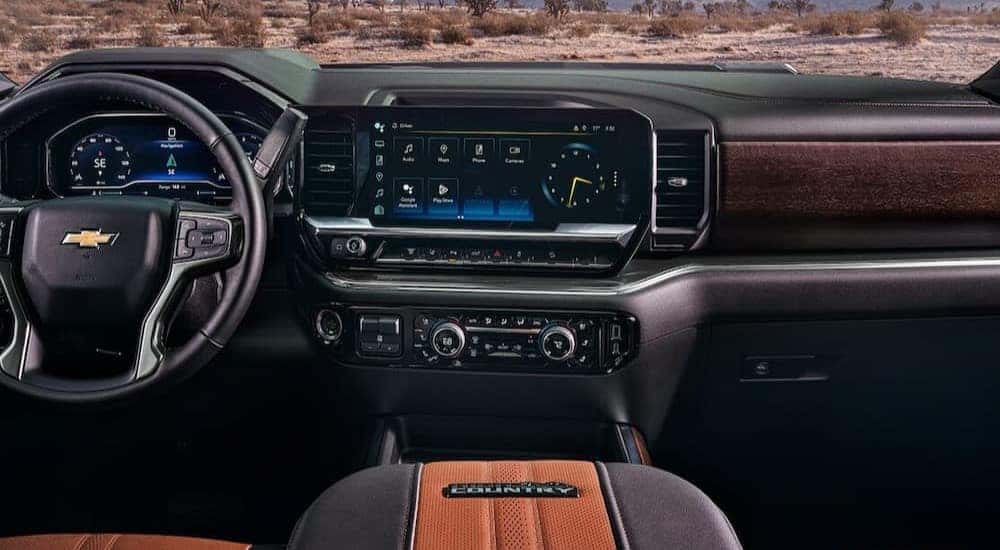
Credit: www.mccluskeychevrolet.com
Benefits For Drivers
The Chevy Birds Eye View system gives drivers a clear view of the area around their vehicle. It uses multiple cameras to create a full image from above. This helps drivers make safer and easier decisions on the road.
With this system, drivers can see obstacles that are normally hidden. It improves awareness and reduces the risk of accidents. The following sections explain the main benefits for drivers.
Enhanced Parking Assistance
The Birds Eye View helps drivers park with more confidence. It shows a complete view of parking spaces and nearby objects. Drivers can avoid hitting curbs, walls, or other cars.
- Easy alignment with parking lines
- Clear view of tight spots
- Helps in parallel parking
- Reduces stress during parking
Improved Safety Around Vehicle
This system increases safety by showing the full area around the vehicle. Drivers can spot children, pets, or objects that are hard to see. It also helps when backing up in crowded places.
| Safety Feature | Benefit |
| 360-degree view | Sees all sides of the vehicle |
| Real-time video | Alerts driver to moving objects |
| Wide camera coverage | Reduces accidents in parking lots |
Eliminating Blind Spots
Blind spots cause many crashes and near misses. The Birds Eye View system shows these hidden areas clearly. Drivers can check for cars, bikes, or pedestrians that are hard to see.
Key ways the system helps with blind spots:
- Shows side and rear views simultaneously
- Highlights moving objects near blind spots
- Improves lane change safety
- Supports safer turns in traffic
Using Birds Eye View In Chevy
The Chevy Birds Eye View gives a 360-degree look around your vehicle. It helps you see obstacles and park safely.
This system uses several cameras to create a top-down view on your screen. It is useful in tight spaces and busy areas.
Activating The System
To turn on the Birds Eye View, put your Chevy in reverse. The system starts automatically in many models.
You can also activate it by pressing the camera button on the dashboard. This shows the view without shifting gears.
Interpreting The Display
The display shows a bird’s eye view of your car and surroundings. It combines images from multiple cameras around the vehicle.
Colored lines help you judge distances. Red means very close, yellow means caution, and green means safe.
- Top-down view shows all sides of your vehicle
- Lines guide your parking path
- Obstacles appear on screen clearly
Customizing View Options
You can change the camera views to suit your needs. Options include front, rear, and side views.
Some Chevy models let you adjust brightness and contrast. This helps you see better in different lighting.
- Select different camera angles on the touchscreen
- Adjust screen brightness for day or night
- Turn parking guidelines on or off
Limitations To Consider
The Chevy Birds Eye View gives drivers a top-down view around their vehicle. It helps with parking and tight spots. Still, the system has some limits that affect its performance.
Understanding these limits is important to use the system safely and correctly. Some factors can reduce how well the view works.
Weather And Lighting Effects
Bad weather can blur the camera lenses. Rain, snow, or fog makes images less clear. Low light or bright sunlight can cause glare or shadows. These changes reduce the system’s accuracy.
- Rain drops or snow on cameras block the view.
- Fog lowers visibility and camera range.
- Strong sunlight can create glare or shadows.
- Nighttime lighting depends on streetlights or headlights.
System Calibration Needs
The system needs regular calibration to work right. Calibration adjusts cameras and sensors for accurate images. If calibration is off, the view may be distorted or misaligned.
| Calibration Issue | Effect on View |
| Misaligned Cameras | Wrong angles and blind spots |
| Sensor Errors | False or missing objects |
| Software Glitches | Image freezing or lagging |
Potential Blind Spots
Birds Eye View covers many angles but can miss some areas. Certain spots may not show well on the display. Drivers should still check mirrors and look around.
- Close objects below camera level might be hidden.
- Small or thin obstacles can be hard to see.
- Camera lens dirt or damage blocks some views.
- Very bright or dark areas can create hidden zones.
Maintenance Tips
The Chevy Birds Eye View helps drivers see their vehicle’s surroundings. To keep this feature working well, regular maintenance is important. Proper care ensures clear images and accurate views.
Below are simple tips on cleaning, updating software, and fixing common problems. These steps keep your system reliable and safe to use.
Cleaning Camera Lenses
Dirty or smudged lenses reduce image quality. Clean the cameras often to keep the view clear. Use a soft cloth and mild cleaner to avoid scratches.
- Use a microfiber cloth to wipe lenses gently
- Avoid harsh chemicals that can damage lenses
- Check lenses after rain or mud for dirt buildup
- Clean lenses before long drives for better visibility
Software Updates
Software updates improve camera performance and fix bugs. Keep your system updated to avoid errors and ensure smooth operation.
| Update Type | Purpose | How Often |
| System Firmware | Fix bugs, improve functions | Check monthly |
| Navigation Software | Update maps and routes | Check quarterly |
| Security Patches | Protect against threats | As released |
Troubleshooting Common Issues
Sometimes, the Birds Eye View may not work correctly. Try these fixes before seeking professional help.
- Restart the vehicle to reset the system
- Check for lens obstructions like snow or dirt
- Make sure cameras are not damaged or loose
- Verify software is up to date
- Consult the vehicle manual for error codes
Future Of Birds Eye View Systems
Birds Eye View systems give drivers a clear image around their car. This helps with parking and avoiding obstacles. The technology is changing fast.
New features and better sensors will make these systems more useful. They will connect with other car technologies to improve safety and comfort.
Integration With Autonomous Driving
Birds Eye View systems will link with self-driving cars. They provide a full 360-degree view for the car’s computer. This helps the car understand its environment better.
The system will guide the car when parking or driving in tight spaces. It will also work with sensors to avoid accidents and detect objects around the vehicle.
Advancements In Image Quality
Future Birds Eye View cameras will have higher resolution. This means clearer images with more details. Night vision and low-light performance will also improve.
Better image quality helps drivers see small obstacles and road signs. It also makes the system easier to use in all weather conditions.
Expanded Sensor Technologies
The next generation of Birds Eye View will use more sensors. These include radar, ultrasonic, and infrared sensors. They work together to give a full picture around the car.
Using different sensors helps detect objects even in bad weather or darkness. This makes the system safer and more reliable.
- Radar detects moving objects at longer distances
- Ultrasonic sensors help with close range obstacles
- Infrared sensors improve vision at night

Credit: www.chevybolt.org
Frequently Asked Questions
What Is Chevy Birds Eye View Technology?
Chevy Birds Eye View uses multiple cameras to create a 360-degree view. It helps drivers see surroundings clearly. This improves parking safety and maneuvering in tight spaces. The system stitches images into one seamless top-down view.
How Does Chevy Birds Eye View Enhance Driving Safety?
It eliminates blind spots by showing a full vehicle perimeter. Drivers can spot obstacles and pedestrians easily. This reduces collision risks during parking and low-speed driving. The system provides real-time visual feedback for safer decisions.
Which Chevy Models Feature Birds Eye View?
Birds Eye View is available on select Chevy SUVs and trucks. Popular models include the Chevrolet Traverse, Tahoe, and Silverado. Availability depends on trim level and optional technology packages. Check your local dealer for specific model options.
Is Chevy Birds Eye View Easy To Use?
Yes, the system activates automatically when reversing or parking. The display shows clear, high-resolution images on the infotainment screen. Controls are intuitive, requiring no special training. It enhances driver confidence in complex driving situations.
Conclusion
The Chevy Birds Eye View helps drivers see all around their car. It uses cameras to show a clear, full view on the screen. This feature makes parking and tight turns safer and easier. Drivers can avoid obstacles and feel more confident on the road.
It works in real time and updates instantly. Understanding how it works can help you use it better. This tool supports safer driving and reduces stress. A simple step toward smarter, safer journeys.




