
If your bird has a broken beak, you might feel worried and unsure about what to do next. Your feathered friend depends on that beak for eating, drinking, and even grooming.
Knowing how to care for a broken beak quickly can make all the difference in your bird’s recovery and comfort. You’ll discover simple steps to help your bird heal and stay healthy. Keep reading—your bird’s well-being depends on it.

Credit: www.reddit.com
Signs Of A Broken Beak
A broken beak can hurt a bird and make it hard to eat. Not all breaks are easy to see. Knowing the signs helps you act fast.
Look carefully for changes in your bird’s beak and behavior. Early care can prevent serious problems.
Common Symptoms
A broken beak often shows clear physical signs. These symptoms tell you the beak is damaged or cracked.
- Visible cracks or chips on the beak
- The beak looks crooked or uneven
- Bleeding near the broken area
- Soft or missing tip of the beak
- Difficulty closing the beak properly
- Swelling around the beak
Behavioral Changes
Birds with a broken beak may act differently. Watch for signs that show your bird is in pain or discomfort.
- Less eating or difficulty eating
- Dropping food from the beak
- More quiet or less active than usual
- Rubbing the beak against surfaces
- Fluffed-up feathers or hiding
- Changes in vocal sounds or silence
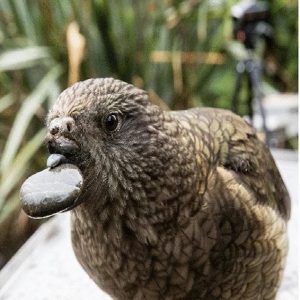
Credit: lafeber.com
Immediate Actions To Take
A broken beak is a serious injury for a bird. Acting quickly can help reduce pain and prevent infection. Knowing what to do first is very important.
This guide covers how to handle the bird safely and how to stop bleeding from the broken beak.
Safe Handling Techniques
Handle the injured bird with care to avoid stress or further injury. Use gentle, slow movements and keep the bird calm.
- Wear soft gloves to protect yourself and the bird.
- Cover the bird’s eyes with a light cloth to reduce stress.
- Hold the bird firmly but gently, supporting its body and head.
- Avoid touching the broken beak directly.
- Place the bird in a quiet, warm, and safe place.
Stopping Bleeding
Bleeding from a broken beak can be serious. Use clean materials to stop the bleeding and keep the area clean.
| Material | Use |
| Clean gauze or cloth | Apply gentle pressure to the bleeding area |
| Styptic powder or cornstarch | Help stop bleeding quickly |
| Saline solution | Clean the wound before applying pressure |
| Bandage tape (optional) | Secure gauze if needed, avoid tight wrapping |
Seeking Veterinary Care
A broken beak is a serious injury for a bird. It can cause pain and affect eating. You should seek veterinary care quickly.
A vet can check the damage and suggest the best treatment. Knowing when to visit a vet and available treatments helps your bird heal well.
When To Visit A Vet
Visit a vet if your bird shows signs of a broken beak. These signs include bleeding, swelling, or difficulty eating.
- The beak is visibly cracked or split.
- The bird is bleeding from the beak.
- The bird stops eating or drinking.
- The bird shows signs of pain or distress.
- The beak is misaligned or bent.
Types Of Treatments Available
The vet will choose a treatment based on the injury’s severity. Treatment helps the beak heal and prevents infection.
| Treatment | Description | Purpose |
| Beak trimming | Shaping broken edges | Prevent further damage |
| Beak bonding | Using glue or resin | Hold broken pieces together |
| Antibiotics | Medicine to fight infection | Prevent or treat infection |
| Beak prosthetics | Artificial beak parts | Restore function if badly damaged |
| Pain relief | Medication to reduce pain | Make the bird comfortable |

Credit: www.reddit.com
Home Care Tips
Taking care of a bird with a broken beak needs gentle and careful attention. You can help your bird heal by making some changes at home.
Focus on feeding and cleanliness to keep your bird comfortable and safe during recovery.
Feeding Adjustments
Birds with broken beaks may find it hard to eat. You can help by offering soft and easy-to-eat foods. Cut food into small pieces or mash it to make eating easier.
- Provide softened pellets or soaked seeds
- Offer fresh fruits and vegetables cut into tiny pieces
- Use shallow dishes to make food more accessible
- Feed by hand if the bird struggles to eat alone
- Keep fresh water available at all times
Maintaining Cleanliness
Cleanliness helps prevent infections, especially around the broken beak. Clean the bird’s cage and feeding area often. Check the beak daily for signs of dirt or swelling.
| Cleaning Task | Frequency | Notes |
| Change water | Daily | Use fresh, clean water |
| Clean food dishes | Daily | Remove old food before adding new |
| Wipe cage bars | Every 2-3 days | Use bird-safe disinfectant |
| Check beak condition | Daily | Look for swelling or discharge |
Preventing Future Injuries
Taking care of a bird with a broken beak is important. You must also prevent new injuries. This helps your bird stay safe and healthy.
Setting up a safe space and checking your bird’s health often can reduce risks. These steps keep your bird comfortable and protected.
Safe Environment Setup
Make your bird’s home safe by removing sharp objects. Avoid small things your bird could hurt itself on. Use soft perches to protect its beak.
Keep the cage clean and free from clutter. Make sure the bird has enough space to move without hitting cage bars or toys.
- Remove sharp or rough toys
- Use soft, wide perches
- Keep cage clean and clear
- Give enough space to move
- Place cage away from hazards
Regular Health Checks
Check your bird’s beak and body daily. Look for cracks, chips, or unusual shapes. Early signs help you act quickly.
Watch your bird’s eating and drinking habits. Changes can show pain or discomfort. Take notes to share with your vet if needed.
- Inspect beak for damage every day
- Observe eating and drinking closely
- Notice changes in behavior or mood
- Keep a health journal for your bird
- Visit the vet regularly for checkups
Frequently Asked Questions
How Can I Tell If A Bird’s Beak Is Broken?
Look for visible cracks, bleeding, or deformities in the beak. Watch for difficulty eating or changes in behavior. A broken beak often causes pain and affects the bird’s ability to groom and feed properly.
What Immediate Steps Should I Take For A Broken Beak?
Gently restrain the bird to prevent further injury. Clean any wounds with a mild antiseptic. Avoid trying to fix the beak yourself and seek veterinary care promptly for proper treatment.
Can A Bird’s Broken Beak Heal Naturally?
Minor cracks may heal with time if kept clean and protected. However, severe breaks usually require professional intervention to prevent infection and ensure proper regrowth or repair.
When Should I See A Vet For A Bird’s Broken Beak?
Seek veterinary care immediately if the beak is bleeding, severely cracked, or causing eating difficulties. Early treatment reduces pain, prevents infection, and increases healing success.
Conclusion
Caring for a bird with a broken beak is crucial. Your gentle attention makes a huge difference. Always consult a vet for professional guidance. Offer soft foods that are easy to eat. Create a safe and quiet space. Patience is key during recovery.
Watch for signs of distress or discomfort. Regularly check the bird’s progress. A broken beak can heal with proper care. Your efforts help the bird regain strength. Enjoy the rewarding process of nursing it back to health. Your compassion and diligence matter greatly.
Keep learning and caring. Your feathered friend will thank you.




