
Have you ever wondered if birds will eat sunflower seeds straight from the plant in your garden? If you’re growing sunflowers and want to attract feathered friends, this question is key.
Knowing how birds interact with sunflower plants can help you protect your garden and enjoy watching wildlife at the same time. You’ll discover exactly what birds prefer and how you can make your sunflowers more inviting. Keep reading to learn the surprising truth about birds and sunflower seeds!
Birds And Sunflower Seeds
Birds and sunflower seeds share a natural connection that often brings lively activity to gardens and feeders. If you’ve ever noticed birds pecking at sunflower heads in your yard, you might wonder which species are the biggest fans and why these seeds are so appealing. Understanding this relationship helps you create a bird-friendly space that attracts a variety of feathered visitors.
Common Birds That Eat Sunflower Seeds
Several bird species enjoy sunflower seeds, making them a favorite at feeders and in the wild. Here are some common visitors you might spot:
- Cardinals:Their strong beaks are perfect for cracking open sunflower seeds.
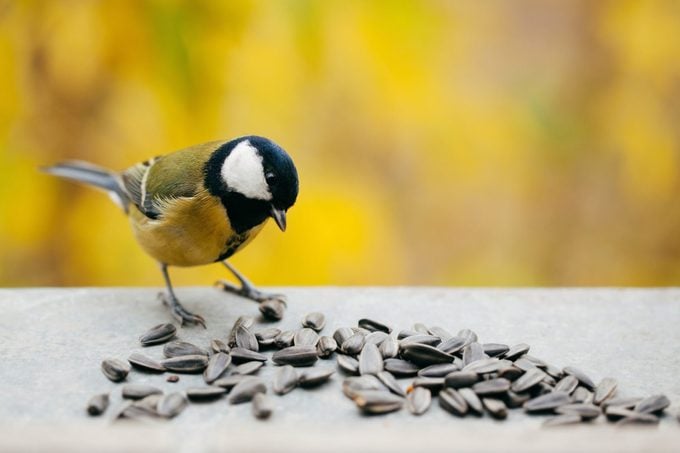
- Chickadees:Small but mighty, chickadees often grab seeds from sunflower heads.
- Goldfinches:These bright yellow birds love sunflower seeds, especially in late summer.
- Blue Jays:Known for their bold behavior, blue jays frequently eat sunflower seeds whole.
- Nuthatches:These agile birds cling to sunflower heads while extracting seeds.
If you want to attract a variety of birds, offering sunflower seeds either in feeders or by letting them grow naturally can be highly effective.
Why Birds Like Sunflower Seeds
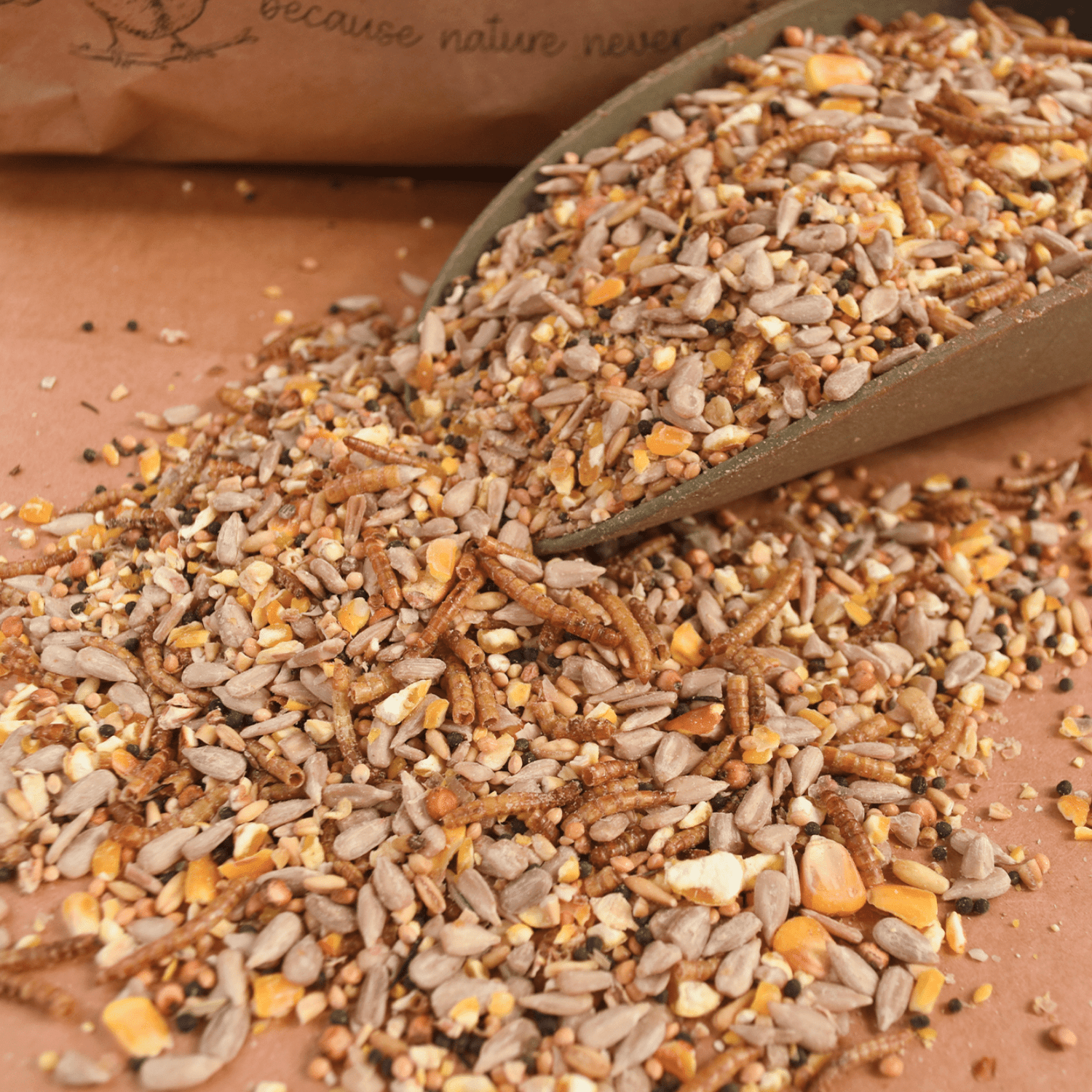
Sunflower seeds provide excellent nutrition for birds, which explains their popularity. They are rich in fats, proteins, and essential nutrients that help birds maintain energy, especially during migration or cold weather.
Additionally, sunflower seeds are easy for birds to handle thanks to their size and shell texture. Birds with strong beaks can crack them open quickly, while smaller birds appreciate the manageable size.
Have you noticed birds returning to the same sunflower patch repeatedly? Their preference might be linked to how accessible and rewarding the seeds are compared to other food sources.
Credit: haiths.com
Eating Seeds On The Plant
Watching birds feast directly on sunflower seeds still attached to the plant is a common sight in many gardens. These birds don’t wait for the seeds to drop or for harvest time; they go straight to the source. Understanding how and when birds eat seeds on the plant can help you manage your garden better and protect your crops.
Do Birds Eat Seeds Before Harvest?
Yes, many birds start feeding on sunflower seeds before you’re ready to harvest. They are attracted to the bright, seed-filled heads as soon as the seeds begin to mature and harden. This early feeding can sometimes reduce your expected yield if you’re growing sunflowers for seeds.
Different bird species have varying preferences. Some prefer partially ripe seeds, while others wait until they are fully mature. Have you noticed birds pecking at the sunflower heads in your garden before the seeds look ready? This behavior is quite normal and shows their ability to sense nutrient-rich seeds early on.
Signs Of Birds Feeding On Sunflowers
Spotting bird damage on your sunflowers is easier than you might think. Look for uneven or missing seeds in the flower head, often clustered in one area. Seeds may appear pecked or cracked, showing clear signs of bird activity.
You might also notice feathers or bird droppings near your plants. Some birds leave behind husks or seed shells on the ground beneath the sunflower heads. These signs can help you identify which birds are visiting and how often they feed on your sunflowers.
Factors Influencing Bird Feeding
Several factors affect whether birds eat sunflower seeds directly from the plant. Birds choose seeds based on how easy they are to reach and how ripe they are. Different bird species also have unique feeding habits that influence their seed preferences. Understanding these factors helps explain bird feeding behavior around sunflower plants.
Seed Ripeness And Accessibility
Birds prefer seeds that are fully ripe because they contain more nutrients. Immature seeds are harder and less tasty, so birds often avoid them. Sunflower heads that are drooping or drying indicate ripe seeds ready for feeding.
Accessibility is key. Seeds must be easy to reach for birds to feed on them. Tall or dense sunflower plants may block some birds from reaching the seeds. Birds often target plants where seeds are exposed or hanging low.
Bird Species And Feeding Habits
Different bird species have different ways of feeding on sunflower seeds. Some birds, like finches and chickadees, are skilled at extracting seeds from the head. Larger birds may peck at the seeds or pull them out with their beaks.
Bird species also vary in their preference for fresh seeds or fallen seeds on the ground. Ground feeders might wait until seeds fall, while others feed directly from the plant. Knowing the species helps predict which birds will eat sunflower seeds from the plant.

Credit: www.reddit.com
Protecting Sunflower Seeds
Protecting sunflower seeds from hungry birds is a challenge many gardeners face. Birds are naturally attracted to the seeds, and without protection, your hard work can go to waste. Taking proactive steps helps ensure your sunflower seeds mature fully, giving you a rewarding harvest to enjoy.
Natural Deterrents To Keep Birds Away
You can use simple, natural methods to discourage birds from feasting on your sunflower seeds. Hanging shiny objects like aluminum foil strips or old CDs near your plants can create reflections that birds dislike. Loud noises or wind chimes may also make the area less inviting for them.
Planting herbs such as lavender or mint nearby can act as a scent barrier. Birds often avoid strong smells, so this can be a gentle way to protect your seeds. Have you ever noticed how your garden smells when these herbs are crushed? That scent can be a useful tool in your bird defense plan.
Physical Barriers And Netting
Using physical barriers is one of the most effective ways to protect sunflower seeds. Covering your plants with bird netting creates a direct shield that birds cannot penetrate. Make sure the netting is secured tightly to prevent birds from slipping underneath.
Another option is building simple cages around your sunflowers using wire mesh. This method allows sunlight and air to reach the plants while keeping birds at bay. Have you tried using stakes and netting to customize the fit around your plants? It can make a big difference in keeping your seeds safe.
Benefits Of Birds Eating Sunflower Seeds
Birds eating sunflower seeds provide many benefits to nature. Their feeding habits help plants grow and spread. This interaction supports healthy environments and wildlife.
Role In Seed Dispersal
Birds carry sunflower seeds away from the plant. They may drop seeds while flying or eating. This spreads seeds to new places for growth.
Some seeds pass through bird digestive systems unharmed. This process helps seeds germinate faster. Birds act as natural gardeners by planting seeds.
Impact On Ecosystem
Sunflower seeds feed many bird species. Birds stay healthy and strong by eating these seeds. Healthy bird populations support balanced ecosystems.
Birds eating seeds also attract predators and other wildlife. This creates a diverse food web. The cycle keeps nature stable and thriving.
Credit: www.familyhandyman.com
Frequently Asked Questions
Will Birds Eat Sunflower Seeds Directly From Plants?
Yes, many birds eat sunflower seeds directly from the plant. They prefer ripe, mature seed heads for easy access. Birds like finches, chickadees, and cardinals often feed on these seeds while they are still attached to the plant.
Which Birds Prefer Sunflower Seeds On Plants?
Finches, chickadees, cardinals, and sparrows prefer sunflower seeds on plants. These birds can cling to seed heads and extract seeds easily. Sunflower seeds provide essential nutrients and are a favorite food source during fall and winter.
Can Sunflower Seeds On Plants Attract More Birds?
Yes, sunflower seeds on plants attract a variety of birds. The visible seed heads act as a natural bird feeder. This encourages birds to visit gardens, increasing biodiversity and helping with pest control.
How To Protect Sunflower Seeds From Birds?
To protect seeds, use bird netting or cover heads with mesh bags. Scare devices or reflective objects can also deter birds. Harvesting seeds early before birds get them is another effective method.
Conclusion
Birds enjoy eating sunflower seeds right from the plant. They find the seeds easy to access and tasty. Growing sunflowers can attract many birds to your garden. You can watch them feed and hear their cheerful sounds. Sunflower seeds also provide good nutrition for birds.
Planting sunflowers helps create a lively outdoor space. It gives birds a natural food source during different seasons. Keep your garden inviting for birds with sunflowers. They will come back again and again for the seeds.




