
Are you worried about your bird’s health and comfort? Feather mites can cause serious irritation and damage to your feathered friend if left unchecked.
But don’t worry—preventing these tiny pests is easier than you might think. You’ll discover simple and effective ways to keep feather mites away and ensure your bird stays happy and healthy. Keep reading to protect your bird and enjoy a stronger bond with your feathered companion.
Causes Of Feather Mites
Feather mites can quickly become a problem for your bird if you don’t understand where they come from. These tiny parasites live on the skin and feathers, feeding off oils and debris. Knowing the causes of feather mites helps you protect your feathered friend more effectively.
Common Sources Of Infestation
Feather mites often hitch a ride from other birds. If your bird interacts with wild birds or new pets, mites can transfer easily.
- Shared cages or perches with infected birds
- Contact with wild birds near open windows or aviaries
- Using second-hand bird supplies without proper cleaning
- Visiting bird shows or pet stores where mites spread quickly
Have you ever brought home a new bird and noticed it started scratching more? That might be the moment mites arrived. Early detection is key to stopping an infestation before it gets serious.
Risk Factors For Birds
Some birds are more vulnerable to feather mites due to their environment or health. Stress and poor nutrition weaken their natural defenses.
- Crowded living spaces that increase mite transmission
- Dirty cages that harbor mites and their eggs
- Birds with weakened immune systems or skin conditions
- Infrequent grooming or molting periods when mites multiply
Think about your bird’s daily routine. Does its habitat stay clean and well-maintained? Are you providing a balanced diet that supports healthy skin and feathers? Addressing these risks can make a big difference in preventing mites.
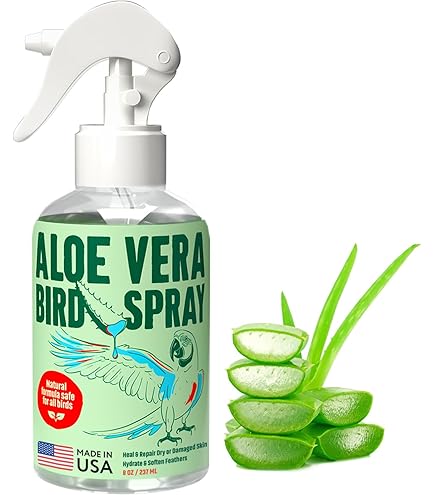
Credit: www.amazon.com
Signs Of Feather Mites
Feather mites can harm your bird’s health and comfort. Early detection is vital for effective treatment. Recognizing signs of feather mites helps protect your bird from serious problems. Watch for changes in behavior and feather condition. These signs reveal the presence of mites before damage worsens.
Behavioral Changes
- Increased scratching or preening of feathers.
- Restlessness or constant movement in the cage.
- Frequent shaking of feathers.
- Loss of appetite or reduced energy.
- Avoidance of social interaction with other birds.
These behaviors show discomfort caused by mites. Birds try to relieve itching and irritation. Notice subtle shifts in activity and mood.
Feather Damage Indicators
- Visible small holes or frayed edges on feathers.
- Feathers appear dull or brittle.
- Patchy feather loss or bald spots.
- Scaly or crusty skin near feather bases.
- Discoloration or unusual feather patterns.
Feather damage points to mite feeding and movement. Check feathers closely for these signs often. Early spotting prevents severe harm to your bird’s feathers and skin.
Regular Cleaning Practices
Regular cleaning practices play a key role in keeping feather mites away. Clean environments stop mites from finding places to hide and breed. Maintaining hygiene also supports your bird’s overall health. Simple daily and weekly routines can make a big difference.
Cage Hygiene Tips
Clean the cage at least once a week. Remove all old food, droppings, and feathers. Use warm water and mild soap to scrub bars, perches, and trays. Rinse thoroughly to remove soap residue. Dry everything before placing it back.
Use a safe disinfectant to kill mites and bacteria. Avoid harsh chemicals that can harm your bird. Replace cage liners frequently. Clean food and water dishes daily to prevent contamination.
Bathing Your Bird
Bathing helps remove mites from feathers and skin. Offer a shallow dish of lukewarm water for your bird to splash in. Some birds enjoy gentle misting with a spray bottle. Avoid cold water to prevent chilling.
Bathing once or twice a week keeps feathers clean and healthy. Never force your bird to bathe; let it choose the time. Dry your bird in a warm, draft-free area after bathing. Clean feathers mean fewer places for mites to live.
Proper Diet And Nutrition
Feeding birds a balanced diet strengthens their immune system against feather mites. Fresh fruits, vegetables, and quality seeds keep feathers healthy and less prone to parasites. Proper nutrition supports overall bird health and helps prevent mite infestations.
Proper diet and nutrition play a vital role in maintaining your bird’s overall health and preventing feather mites. A balanced diet not only strengthens their immune system but also enhances feather quality, making them less susceptible to mites. But what specific foods and supplements can help you achieve this?Foods That Boost Feather Health
Birds thrive on a variety of foods that support feather health. Fresh fruits and vegetables are a must. They provide essential vitamins and antioxidants. Consider offering your bird leafy greens like spinach and kale. These are rich in vitamin A, which is crucial for skin and feather health. Whole grains such as quinoa and brown rice are excellent choices. They supply vital nutrients and keep your bird energetic.Supplements For Resistance
Sometimes, regular food might not suffice in providing all necessary nutrients. This is where supplements come into play. Calcium supplements can fortify your bird’s bones and feathers. Look for those specifically designed for birds to ensure safety and effectiveness. Omega-3 fatty acids are another excellent supplement. They support skin health, which can indirectly prevent mites from taking hold. Have you ever noticed your bird’s feathers looking dull? It might be due to a lack of specific nutrients. Regularly assessing their diet can help you spot these deficiencies early. Adding these foods and supplements to your bird’s diet could make a significant difference. Have you tried any of these with your bird? What changes did you observe? Your insights could be valuable for others.Safe Treatment Options
Choosing safe treatments helps protect birds from harmful chemicals while fighting feather mites. Regular cleaning and natural remedies keep birds healthy and free from mites. Always follow instructions carefully to ensure safety and effectiveness.
Safe treatment options for feather mites in birds are essential. These pests can cause discomfort and harm to your feathered friend. Choosing the right treatment ensures your bird remains healthy and happy. Let’s explore some effective and safe methods to tackle this issue.Natural Remedies
Natural remedies are gentle on birds and the environment. Essential oils like neem and tea tree can deter mites. Mix a few drops with water and spray lightly on feathers. Always check for any allergic reaction on a small area first. Another method is using diatomaceous earth. It’s a natural powder that dehydrates mites. Dust a small amount in the bird’s living area. Ensure the bird does not inhale it directly.Veterinary Medications
Veterinary medications offer a reliable way to combat feather mites. Consult a vet for the best prescription options. Ivermectin is a common choice for treating mites. It’s effective and often administered orally or topically. Another option is selamectin, a topical treatment. It targets mites and prevents further infestations. Always follow the vet’s dosage instructions. Regular vet check-ups ensure the treatment’s success and your bird’s well-being.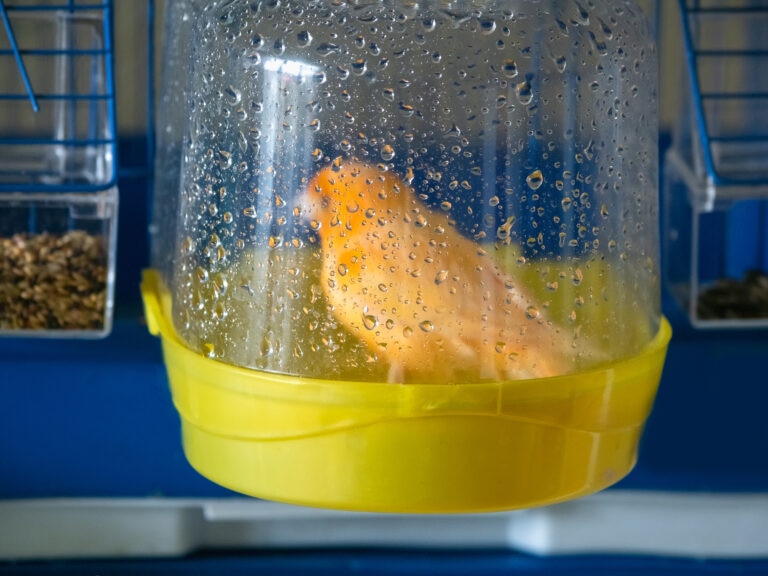
Credit: www.chewy.com
Preventing Cross-contamination
Preventing cross-contamination is key to keeping feather mites away from your birds. These tiny pests can easily travel from one bird to another if you’re not careful. Taking simple but effective steps can drastically reduce the risk of spreading mites within your aviary or home.
Quarantine New Birds
Always isolate new birds before introducing them to your existing flock. A quarantine period of at least two weeks gives you time to spot any signs of mites or other health issues.
During quarantine, observe your new birds closely. Look for excessive scratching, feather damage, or tiny moving dots on feathers. Catching problems early prevents mite infestations from spreading.
Have a separate cage, feeding bowls, and cleaning tools for quarantined birds. This separation helps avoid accidental cross-contamination. Could a quick quarantine save your entire flock from a mite outbreak?
Avoid Sharing Accessories
Feather mites hitch rides on cages, perches, toys, and even feeding dishes. Sharing these accessories between birds can spread mites in no time.
Use dedicated accessories for each bird or thoroughly clean and disinfect items before reuse. A simple wash with warm soapy water followed by a safe disinfectant can kill mites and their eggs.
Remember, it’s better to have extra perches and toys than risk an infestation. Ask yourself: how often do you clean your bird’s accessories? Could increasing that frequency protect your feathered friends?
Creating A Stress-free Environment
Creating a stress-free environment is vital to keep birds healthy and free from feather mites. Stress weakens their immune system and makes them more vulnerable to parasites. A calm and safe space helps birds stay strong and resist infections. Small changes in their surroundings can make a big difference in their well-being.
Reducing Stress Triggers
Keep the bird’s cage away from loud noises and sudden movements. Avoid placing the cage near busy areas or doors. Offer hiding spots inside the cage to help the bird feel secure. Provide toys and activities to prevent boredom. Watch for signs of stress like excessive feather plucking or changes in behavior. Acting early reduces the risk of mite infestations.
Ensuring Proper Rest
Birds need quiet and dark places to sleep well. Cover the cage at night to block out light and noise. Make sure the bird gets 10 to 12 hours of sleep daily. A well-rested bird has a stronger immune system. Avoid disturbing the bird during rest times. Good rest helps the bird fight off mites naturally.

Credit: www.chewy.com
Frequently Asked Questions
What Are Common Signs Of Feather Mites On Birds?
Feather mites cause itching, feather damage, and restlessness in birds. Look for missing feathers, scaly skin, and frequent preening. Early detection helps prevent severe infestations and keeps your bird healthy.
How Can I Naturally Prevent Feather Mites In Birds?
Maintain clean cages and regularly change bedding. Provide a balanced diet and avoid overcrowding. Natural oils and safe mite sprays can also reduce mite risks without harming your bird.
Are Feather Mites Harmful To Bird Health?
Yes, feather mites can cause skin irritation, feather loss, and stress. Severe infestations may lead to infections and weaken the bird’s immune system, affecting overall health and behavior.
How Often Should I Clean My Bird’s Cage To Prevent Mites?
Clean your bird’s cage at least once a week. Remove droppings, old food, and replace bedding regularly to minimize mite breeding and maintain a hygienic environment.
Conclusion
Preventing feather mites keeps your bird healthy and happy. Clean cages and fresh bedding help stop mites. Regularly check your bird’s feathers for signs of mites. Good nutrition strengthens their natural defenses. Quarantine new birds before adding them to your flock.
Treat any infections quickly to avoid spreading mites. Small actions make a big difference in mite control. Keep your bird safe with simple, daily care. Healthy birds mean fewer worries for you. Stay consistent, and your feathered friend will thrive.




