
Have you ever wondered if a simple bird feather could make you sick? It might seem harmless, but those soft, floating feathers can sometimes carry hidden risks.
If you’re someone who loves birds or often finds feathers around, knowing the truth could protect your health. Keep reading to discover what dangers, if any, lie in that delicate plume and how you can stay safe without giving up your feather fascination.

Credit: lafeber.com
Health Risks Of Bird Feathers
Bird feathers might seem harmless, but they can carry health risks you should know about. From allergens to bacteria and parasites, feathers can affect your well-being in unexpected ways. Understanding these risks helps you stay safe while enjoying your feathered friends or feather decorations.
Common Allergens In Feathers
Feathers contain proteins that can trigger allergic reactions in many people. Symptoms often include sneezing, itchy eyes, and skin rashes. If you’ve ever felt uncomfortable around pillows or jackets filled with feathers, allergens are likely the cause.
Feather dust, tiny particles released when feathers break down, can worsen allergies or asthma. You might not see the dust, but your body can react strongly to it. Consider this before bringing feather items into your home if you have sensitivities.
Bacterial And Fungal Contamination
Bird feathers can carry bacteria like Salmonellaand fungi such as Aspergillus. These microbes thrive especially on feathers from wild or sick birds. Handling feathers without washing your hands afterward might expose you to infections.
Fungal spores can cause respiratory issues, particularly in people with weakened immune systems. Have you noticed a musty smell in old feather pillows? That could be a sign of mold growth. Regular cleaning and avoiding feathers from unknown sources reduce these risks.
Parasites And Mites
Some bird feathers harbor parasites like feather lice and mites. These tiny creatures can transfer to humans, causing itching and skin irritation. If you keep birds as pets or find wild feathers, check carefully to avoid bringing parasites into your living space.
Parasites can also spread diseases between birds and humans. Do you inspect feathers before using them for crafts or decor? A quick look can prevent uncomfortable infestations and health problems later on.
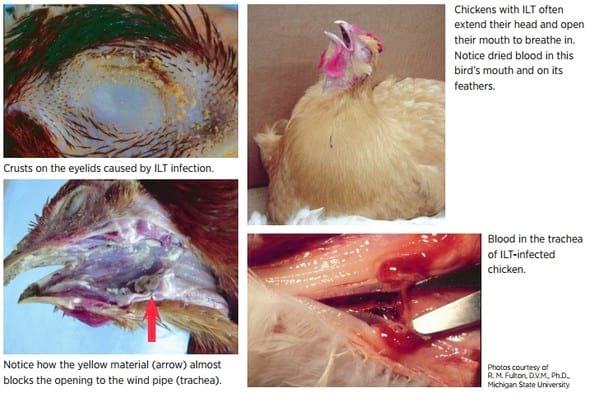
Credit: en.engormix.com
Feather-related Diseases
Bird feathers can carry germs that cause illness in humans. These diseases spread through contact with feathers, bird droppings, or dust around feathers. Knowing about feather-related diseases helps protect health and avoid infection.
Psittacosis And Its Symptoms
Psittacosis is a disease caused by bacteria from birds. It spreads through inhaling dust from feathers or droppings. Symptoms include:
- Fever
- Headache
- Chills
- Muscle pain
- Dry cough
Severe cases may cause pneumonia. Early diagnosis and treatment are important.
Histoplasmosis Linked To Feathers
Histoplasmosis is a fungal infection. It grows in soil mixed with bird droppings and feathers. People breathe in spores from contaminated dust. Symptoms often resemble the flu, including:
- Fever
- Chest pain
- Cough
- Fatigue
Most healthy people recover without treatment, but others may need medicine.
Other Potential Infections
Feathers may carry other germs too. These include:
- Salmonella bacteria causing stomach issues
- Avian influenza viruses, which can affect lungs
- Allergic reactions from feather dust
Handling feathers with care and washing hands reduces risks.
How Feathers Transmit Illness
Bird feathers might seem harmless, but they can carry germs that cause illness. Understanding how feathers transmit illness helps you take smart precautions. Let’s look at the main ways this happens and what you can do to stay safe.
Direct Contact Risks
Touching a bird feather can expose you to bacteria, fungi, or parasites living on it. If you have cuts or open wounds on your skin, these germs can easily enter your body. I once picked up a feather without gloves and ended up with a mild skin infection—something I didn’t expect from just a feather.
Always wash your hands thoroughly after handling feathers. Avoid touching your face until you do, especially your eyes, nose, or mouth.
Inhalation Of Feather Dust
Feathers shed tiny dust particles that float in the air. These particles often contain dried droppings or skin flakes, which can carry harmful microorganisms. Breathing in this dust can irritate your lungs and, in some cases, lead to respiratory infections.
If you clean bird cages or feather collections, wear a mask to prevent inhaling dust. Ventilating the area can also reduce airborne particles.
Cross-contamination Scenarios
Feathers can transfer germs to other surfaces, like furniture or clothes. If you touch these contaminated surfaces and then touch your face, you risk infection. One time, after handling feathers, I absentmindedly rubbed my eyes and caught a mild eye infection.
To avoid this, clean surfaces where feathers are present regularly. Use disinfectants, and don’t forget to wash your hands after touching anything that might have come in contact with feathers.
Preventive Measures
Wearing gloves and washing hands after handling feathers lowers the chance of getting sick. Keeping bird areas clean helps stop germs from spreading. Avoid touching your face after contact with feathers to stay safe.
Preventing illness from bird feathers may not be the first thing on your mind, but it’s essential for anyone who frequently handles them. Whether you’re a bird enthusiast, a feather collector, or just someone who happens upon feathers during nature walks, knowing how to protect yourself can save you from unnecessary health issues. Here, we’ll explore practical preventive measures to keep you safe.Safe Handling Practices
Handling bird feathers requires care to avoid potential health risks. Always wash your hands thoroughly with soap and water after touching feathers. It’s wise to use a dedicated tool like tweezers to pick up feathers instead of using your bare hands. If you’re engaging in a project involving multiple feathers, like creating a feather decoration, consider setting up a designated workspace. This can help contain any dust or particles that might spread, minimizing exposure to your living area.Cleaning And Disinfection Tips
Cleaning feathers before using them is crucial. You can gently rinse them with warm water and a mild detergent, then let them air dry. For disinfection, a light misting of diluted vinegar can help. Vinegar is a natural disinfectant that doesn’t harm feathers, but always ensure they dry completely to avoid mold growth.Protective Gear Recommendations
Wearing protective gear can add an extra layer of safety. Consider using disposable gloves when handling feathers to avoid direct contact with your skin. If you’re dealing with a large number of feathers or suspect they might be particularly dusty, a mask can prevent inhalation of particles. This is especially important if you have allergies or respiratory conditions. Taking these steps not only keeps you safe but allows you to enjoy the beauty and intrigue of bird feathers without worry. Are there other precautionary measures you have found effective? Share your thoughts and experiences to help others stay safe too.When To See A Doctor
Bird feathers can carry dust, bacteria, or fungi. These tiny particles might cause allergies or infections in some people. Most of the time, contact with feathers is safe. But certain signs mean a doctor’s visit is needed. Knowing when to seek medical help can prevent serious problems.
Symptoms To Watch For
- Persistent coughing or wheezing after feather exposure
- Red, itchy, or swollen skin around contact area
- Difficulty breathing or shortness of breath
- Fever or chills following feather contact
- Eye redness, irritation, or discharge
- Unusual fatigue or weakness
Diagnostic Tests
Doctors may use several tests to find the cause of symptoms. Skin tests can check for allergies to bird feathers. Blood tests may detect infections or immune responses. Chest X-rays help examine lung conditions caused by inhaling feather particles. Sputum samples might identify bacteria or fungi if a lung infection is suspected.
Treatment Options
Treatment depends on the diagnosis. Allergies may require antihistamines or corticosteroids. Bacterial infections need antibiotics prescribed by a doctor. Fungal infections call for antifungal medications. Severe breathing problems might need inhalers or oxygen therapy. Avoiding further contact with feathers helps recovery. Follow all doctor instructions carefully for best results.
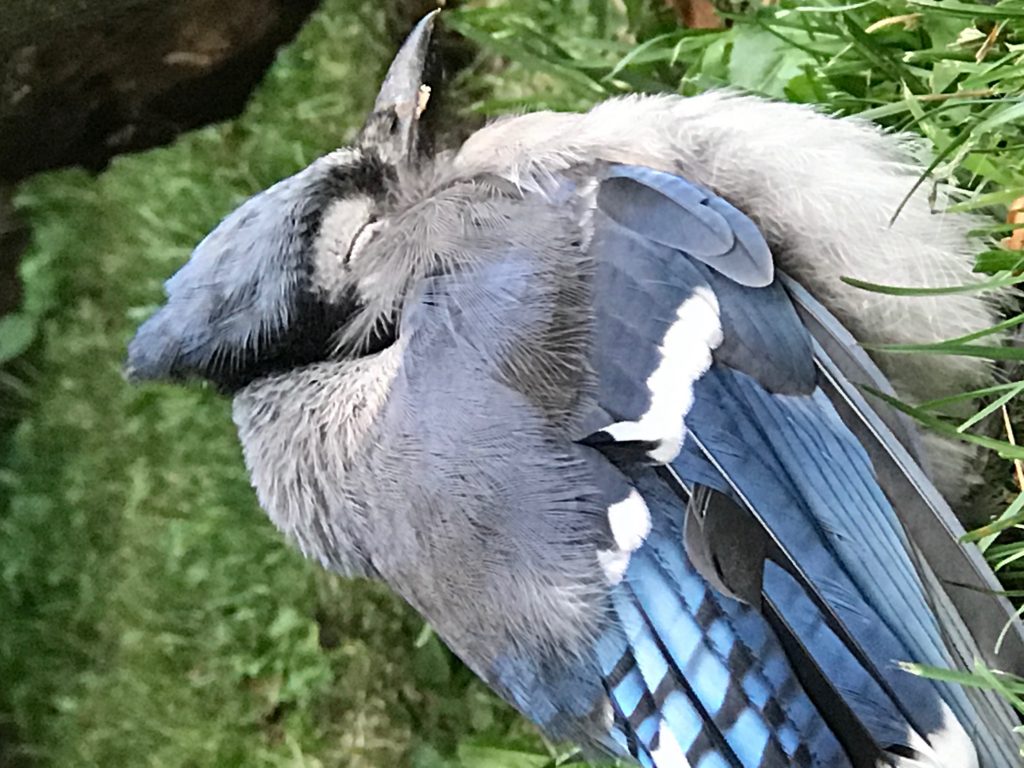
Credit: feederwatch.org
Myths Vs. Facts About Bird Feathers
Bird feathers often spark worries about health risks. You might wonder if touching a feather could make you sick. Let’s separate what’s true from what’s not, so you can handle feathers with confidence.
Common Misconceptions
Many people believe that bird feathers carry dangerous germs or cause serious diseases just by contact. Some think feathers can trigger infections or allergies instantly. Others assume all feathers are dirty and unsafe to touch.
But do these fears hold up under scrutiny? Not always. Most feathers you find, especially from common birds, are harmless if handled properly. The real concern lies in feathers contaminated with droppings or from wild birds in unsanitary environments.
Scientific Evidence
Research shows that bird feathers themselves are rarely a direct source of illness. Feathers don’t naturally carry harmful bacteria or viruses. However, feathers can sometimes harbor mites or fungi if they come from sick or wild birds.
Studies highlight that diseases like psittacosis or avian flu typically spread through droppings or respiratory secretions, not feathers alone. So, simply touching a clean feather is unlikely to make you sick.
Practical Advice
If you find a feather and want to keep it, clean it gently with mild soap and water. Avoid handling feathers found near bird nests or droppings. Always wash your hands after touching feathers, especially if you’re prone to allergies or have a weak immune system.
Ask yourself: are you dealing with feathers indoors or outdoors? Indoors, feathers are less risky if they’ve been kept clean. Outdoors, be cautious about feathers on the ground where contamination is more likely.
These simple habits help you enjoy bird feathers safely without fear. What’s your experience handling feathers? Have you noticed any reactions or concerns?
Frequently Asked Questions
Can Bird Feathers Cause Allergies Or Sickness?
Bird feathers can trigger allergies in sensitive people. They may carry dust, dander, or microbes that irritate the respiratory system. However, healthy individuals rarely get sick directly from feathers unless exposed to contaminated or moldy ones.
Are Bird Feathers Carriers Of Harmful Bacteria?
Yes, bird feathers can carry bacteria like Salmonella or E. coli. These bacteria usually come from bird droppings on feathers. Proper hygiene and avoiding direct contact with dirty feathers reduce the risk of infection.
Can Mold On Bird Feathers Make You Ill?
Moldy bird feathers can cause respiratory issues or allergic reactions. Mold spores can irritate lungs and worsen asthma symptoms. Avoid using or handling feathers stored in damp or moldy conditions.
How To Safely Handle Bird Feathers At Home?
Wash hands thoroughly after touching bird feathers. Avoid inhaling dust or feather fragments. Clean feathers with mild soap if needed, and store them in dry, clean places to prevent mold or bacteria growth.
Conclusion
Bird feathers can carry germs, but getting sick is rare. Most people stay healthy with simple hygiene. Washing hands after touching feathers helps a lot. Avoid rubbing your eyes or mouth after contact. People with weak immune systems should be extra careful.
Enjoy birds safely by keeping clean and cautious. Feathers are beautiful but treat them with respect. Stay aware, stay safe, and keep learning about nature.




