
Have you ever found a bird feather and wondered, “Is it okay to touch this?” You’re not alone. That simple question can lead to surprising answers about your health, the bird’s safety, and even some hidden rules of nature.
Before you reach out and pick up that feather, it’s important to know what you’re getting into. Keep reading, because what you learn might change the way you see those delicate, beautiful feathers forever.
Safety Of Touching Bird Feathers
Touching bird feathers can feel fascinating and connect us with nature. Many wonder if it is safe to handle them. Understanding the safety of touching bird feathers helps protect your health and respect wildlife.
Potential Health Risks
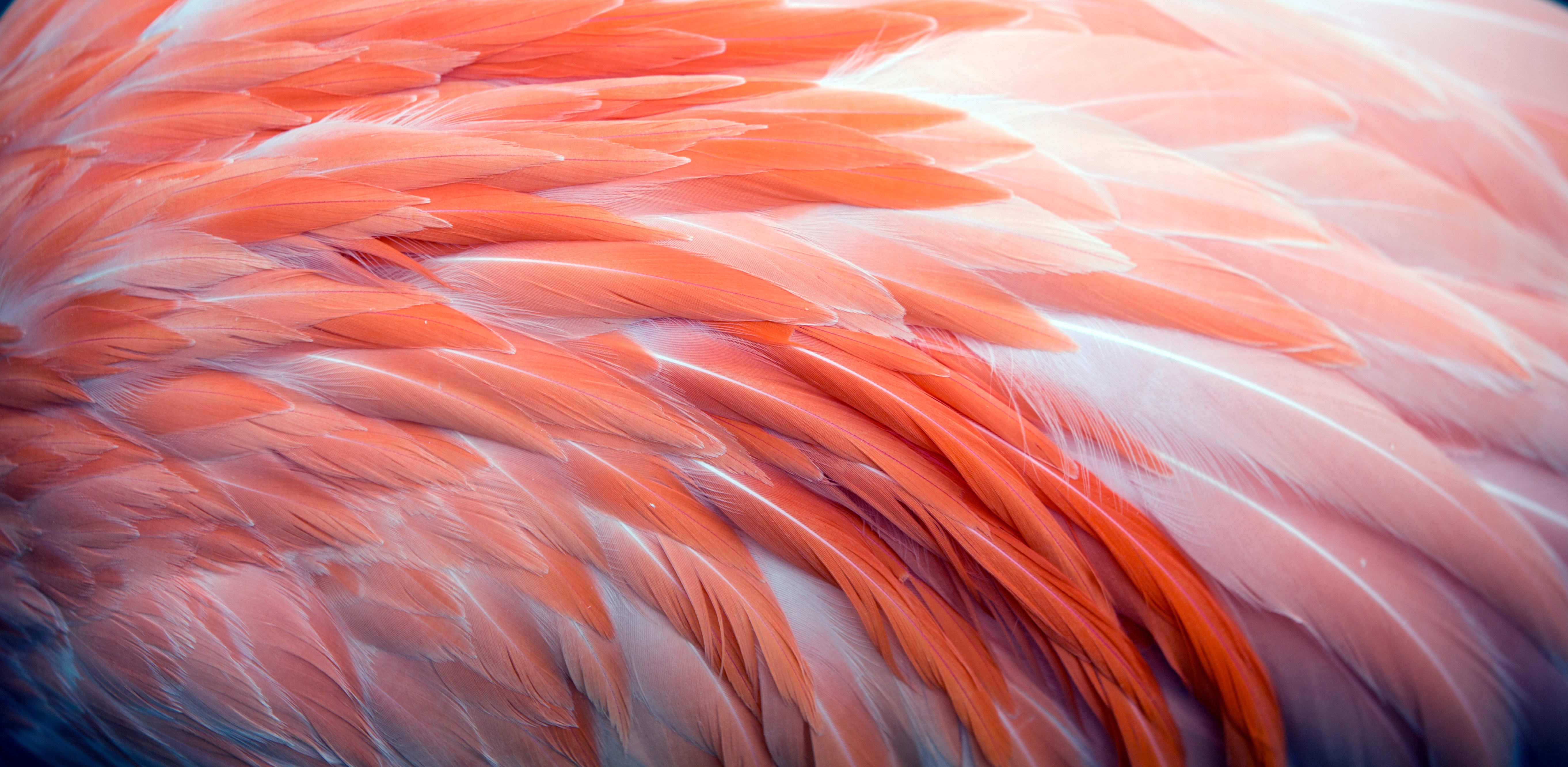
Bird feathers can carry germs and bacteria. These microbes may cause infections or allergic reactions. Some birds carry parasites like mites and lice on their feathers. Handling feathers without washing hands can spread germs. People with weak immune systems should be extra careful. Avoid touching your face after handling feathers to reduce risk.
When Feathers Might Be Unsafe
Feathers found on the ground may be dirty or contaminated. Avoid feathers from sick or dead birds. Feathers collected in polluted areas can carry harmful chemicals. Avoid feathers that look damaged, moldy, or have an unusual smell. Use gloves if you must touch questionable feathers. Always wash hands thoroughly after contact.
Credit: www.petco.com
Bird Feather Structure And Function
Bird feathers are unique structures that serve many purposes. Their design helps birds survive and thrive in different environments. Understanding how feathers grow and their role in bird life reveals why they are so important.
How Feathers Grow
Feathers develop from tiny skin pockets called follicles. Each feather starts as a small bud filled with cells. These cells grow and shape the feather’s parts. As the feather grows, it pushes out of the skin and hardens. The process takes several weeks. Birds replace old feathers by growing new ones in a cycle called molting.
Role In Bird Life
Feathers help birds in many ways. They provide warmth by trapping air close to the body. Feathers also allow birds to fly by creating lift and balance. Brightly colored feathers attract mates and send signals to other birds. Some feathers help birds stay dry in rain. Others protect the skin from sun and injury. Each feather has a special job that helps birds live well.
Handling Feathers Responsibly
Handling feathers responsibly is essential if you want to enjoy their beauty without harming yourself or the environment. Feathers can carry bacteria or parasites, so knowing how to manage them safely protects your health. At the same time, respecting the source of the feather—wild birds—ensures you don’t disturb nature or break wildlife laws.
Proper Hygiene Practices
Always wash your hands before and after touching feathers to prevent the spread of germs. Avoid touching your face or mouth while handling feathers, as they can harbor bacteria or mites. If you find feathers outdoors, consider cleaning them gently with mild soap and water before bringing them inside.
Have you ever noticed a strange smell or texture on a feather? That’s a sign it needs cleaning or should be left alone. Using gloves when handling feathers can add an extra layer of protection, especially if you have cuts or sensitive skin.
Respecting Wildlife
Picking up feathers might seem harmless, but it’s important to know where they come from. Some birds are protected by law, and disturbing their nests or habitats can cause serious harm. If you find feathers on the ground, make sure they are not from an active nest or a protected species.
Think about the bird’s perspective: would you want someone disturbing your home or belongings? Observing birds and their feathers from a distance is safer and more respectful. When in doubt, leave the feather where you found it and enjoy the moment without interference.
Legal And Ethical Considerations
Handling bird feathers involves more than simple curiosity. Legal and ethical rules guide how people should interact with these natural items. Understanding these rules helps protect birds and their habitats. It also ensures respect for wildlife and nature.
Laws Protecting Birds And Feathers
Many countries have laws that protect birds and their feathers. These laws stop people from taking feathers from certain birds, especially protected or endangered species. For example, in the United States, the Migratory Bird Treaty Act makes it illegal to possess feathers from most native birds. Breaking these laws can lead to fines or other penalties.
These laws aim to preserve bird populations and keep ecosystems balanced. They also help prevent illegal trade in bird parts, which can harm wildlife. Knowing and following these laws is essential before touching or collecting feathers.
Ethical Ways To Collect Feathers
Collecting feathers ethically means doing no harm to birds. The best practice is to pick up feathers found naturally on the ground. Avoid taking feathers from nests or birds directly. Never disturb nesting sites or wildlife to get feathers.
- Search for feathers in parks or natural areas without disturbing animals.
- Use gloves to handle feathers to keep them clean and safe.
- Respect local rules and guidelines about wildlife interaction.
Ethical collection helps protect birds and their homes. It also supports conservation efforts and promotes respect for nature.
Benefits Of Interacting With Feathers
Touching a bird feather offers more than just a tactile experience. It connects you to nature, history, and learning in unique ways. Understanding these benefits can deepen your appreciation for the simple things around you.
Educational Uses
Feathers serve as natural tools for learning. When you hold a feather, you can observe its structure closely—how the barbs and barbules fit together to create a smooth surface. This hands-on interaction helps you grasp concepts in biology and physics more clearly.
Teachers often use feathers to explain bird anatomy, flight mechanics, and adaptation. You might notice differences in feather types—like down feathers versus flight feathers—that reveal how birds survive in different environments. Have you ever thought about how a single feather tells a story about a bird’s lifestyle?
Cultural Significance
Feathers carry deep meanings in many cultures around the world. Touching or holding a feather can connect you to centuries-old traditions and rituals. For example, Native American cultures view feathers as symbols of honor, strength, and spiritual connection.
By interacting with feathers, you engage with art, spirituality, and storytelling. They often appear in ceremonies, clothing, and decorations, each feather chosen for its specific symbolism. How might touching a feather change your understanding of cultural heritage?
Credit: birdtricksstore.com

Credit: www.featherfolio.com
Frequently Asked Questions
Is It Safe To Touch A Bird Feather?
Yes, touching a bird feather is generally safe if the feather is clean and dry. Avoid feathers from sick or wild birds to prevent germs.
Can Bird Feathers Carry Diseases To Humans?
Bird feathers can carry bacteria or parasites, but the risk is low if feathers are clean. Always wash hands after handling.
Should I Wash My Hands After Touching Feathers?
Yes, washing hands after touching feathers is recommended to avoid potential bacteria or allergens transferring to your skin.
Can Touching Feathers Harm The Bird?
Touching feathers gently does not harm the bird, but avoid pulling or damaging feathers to protect the bird’s health.
Conclusion
Touching a bird feather can be safe with care and respect. Clean hands reduce any risk of germs or dirt. Avoid touching feathers from wild birds to stay cautious. Birds use feathers for flying and keeping warm. Handle feathers gently to protect their structure and beauty.
Learning about birds helps us appreciate nature more. Enjoy nature’s gifts but always respect wildlife and their homes. Small actions make a big difference in protecting birds. Stay curious and kind towards the natural world around you.




