
If you love watching birds visit your feeder, you know how frustrating it is when squirrels or other critters keep climbing the pole. Greasing your bird feeder pole is a simple trick that can stop those pesky intruders in their tracks.
But what should you use to grease it? Choosing the right grease can make all the difference in keeping your feathered friends safe and your feeder clean. You’ll discover the best options for greasing your bird feeder pole, so you can enjoy peaceful birdwatching without unwanted visitors stealing the show.
Keep reading to find out exactly what works—and what doesn’t.

Credit: www.reddit.com
Why Grease A Bird Feeder Pole
Greasing a bird feeder pole might seem like a small task, but it plays a big role in keeping your bird feeding area peaceful and functional. You might wonder why this step is necessary, especially if you haven’t faced issues with squirrels or damage before. The truth is, applying grease can save you time, money, and frustration by preventing common problems before they start.
Preventing Squirrel Access
Squirrels are notorious for raiding bird feeders, often climbing poles to reach the food. Applying grease creates a slippery barrier that stops squirrels from gaining a foothold. This simple action can keep your feeder filled with seeds for the birds you want to attract, rather than for unwanted visitors.
Think about the last time you saw a squirrel effortlessly leap onto a feeder. Wouldn’t it be great if a thin layer of grease could block their path? Many bird lovers swear by this easy trick, especially during fall when squirrels are most active.
Protecting The Feeder
Greasing the pole also helps protect the bird feeder itself. When squirrels and other critters can’t climb, they won’t scratch or damage the feeder’s surface. This means fewer repairs or replacements, saving you money in the long run.
Damage from animals can be subtle at first but quickly worsen, leading to loose parts or cracks. A well-greased pole helps maintain the feeder’s integrity and keeps your feathered friends safe from sharp edges or broken pieces.
Maintaining Pole Durability
Beyond animal prevention, grease helps maintain the pole’s condition by reducing wear and tear. It prevents rust and corrosion caused by moisture and friction, extending the life of your bird feeder pole. This is especially important if you live in an area with harsh weather conditions.
Have you noticed rust spots or difficulty moving parts on your feeder pole? A regular application of grease can solve these issues, keeping your setup working smoothly season after season. It’s a small step that makes a big difference in durability.
Best Types Of Grease For Bird Feeder Poles
Choosing the right grease for your bird feeder pole is essential to keep squirrels and other critters from reaching the bird food. The ideal grease should be slippery enough to stop pests but safe for birds and the environment. Here’s a breakdown of some of the best options you can use to grease your bird feeder poles effectively.
Petroleum Jelly
Petroleum jelly is a popular choice for greasing bird feeder poles because it creates a thick, slippery barrier that squirrels struggle to climb. It’s easy to apply and widely available in most households.
However, it can attract dirt and dust, which might reduce its effectiveness over time. Reapplying every few weeks during dry weather helps maintain its slippery surface.
Silicone-based Lubricants
Silicone-based lubricants offer a clean, long-lasting solution for greasing poles. They resist water and don’t attract grime, making them ideal for outdoor use in various weather conditions.
Make sure to choose a non-toxic, bird-safe silicone lubricant to avoid harming wildlife. This type of grease remains slippery longer than petroleum jelly, saving you time on maintenance.
Vegetable Oils
Vegetable oils like coconut or canola oil provide a natural alternative for greasing poles. They are safe for birds and the environment but tend to wear off quickly, especially after rain.
If you prefer an eco-friendly option, you might need to reapply vegetable oils more frequently. Consider mixing them with beeswax to improve their durability.
Commercial Squirrel Repellents
Some commercial squirrel repellents come in grease or paste form, designed specifically to deter squirrels from climbing poles. These products often combine slippery textures with scents that squirrels dislike.
Before using, check the ingredients to ensure they won’t harm birds or other wildlife. Using a repellent grease can be a practical choice if you want a targeted solution with minimal reapplication.
How To Apply Grease Correctly
Applying grease correctly on a bird feeder pole helps keep pests away and ensures smooth bird visits. Proper application extends the pole’s life and protects the feeder. Follow clear steps for best results.
Cleaning The Pole
Start by removing dirt and old grease from the pole. Use a cloth and warm soapy water for cleaning. Rinse well and let the pole dry completely. Clean surfaces help grease stick better and last longer.
Applying The Grease Evenly
Use a small brush or cloth to apply the grease. Spread a thin, even layer around the pole’s circumference. Avoid thick clumps to prevent dirt buildup. Cover the area where animals usually climb. Check the layer regularly and reapply as needed.
Safety Tips During Application
- Wear gloves to protect your skin from grease.
- Apply grease in a well-ventilated area.
- Keep grease away from bird feeding areas to avoid contamination.
- Wash your hands thoroughly after application.

Credit: happygardens.com
Alternative Methods To Keep Squirrels Away
Keeping squirrels away from your bird feeder pole can be a real challenge. Greasing the pole is one way, but there are other effective options that might work better depending on your setup. Trying different methods can save you time and frustration, and help protect the birds you want to feed.
Installing Baffles
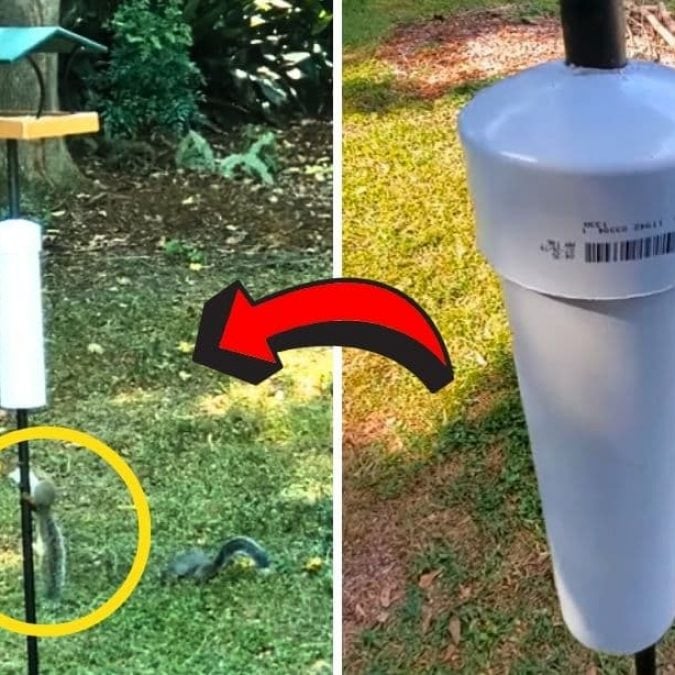
Baffles are physical barriers that stop squirrels from climbing up the feeder pole. These can be dome-shaped or cylindrical and are usually made from metal or plastic. You simply slide the baffle onto the pole below the feeder, and it creates a slippery or obstructed surface that squirrels can’t get past.
I once installed a dome baffle and noticed a huge drop in squirrel visits within days. The birds could still access the feeder easily, but the squirrels gave up trying. It’s a simple solution that doesn’t require any messy grease or chemicals.
Using Squirrel-proof Feeders
Squirrel-proof feeders are designed to frustrate squirrels without stopping birds. Many have weight-sensitive mechanisms that close feeding ports when a heavy animal, like a squirrel, tries to get seed. Others have cages around the feeder that only allow smaller birds to enter.
Choosing the right feeder depends on your local squirrel species and the types of birds you want to attract. Have you noticed which birds visit your feeder? Picking a feeder that fits their size can keep squirrels out while welcoming your feathered friends.
Positioning The Feeder Strategically
Where you place your bird feeder can make a big difference. Squirrels are great jumpers, so placing the feeder at least 10 feet away from trees, fences, or roofs reduces their chances of leaping onto the pole. Also, keep it 5-6 feet off the ground to avoid easy climbing.
Think about the surrounding landscape. Is there a nearby branch or structure squirrels use to launch themselves? Moving your feeder to a more open area might be the simplest way to stop unwanted visitors. Have you tried repositioning your feeder to see if it helps?
Maintenance Tips For Greased Poles
Keeping your bird feeder pole well-greased is essential for preventing pesky squirrels and other critters from climbing up. However, greasing isn’t a one-time job. Regular maintenance ensures the grease stays effective and your feathered visitors remain safe and undisturbed.
Reapplying Grease Regularly
Grease wears down over time, especially with exposure to rain, wind, and sun. Check your pole every couple of weeks to see if the grease looks dry or patchy. Adding a fresh layer before the old one wears off keeps the barrier strong and reliable.
If you notice squirrels or other animals managing to climb up, it’s a clear sign your grease needs refreshing. Don’t wait for the problem to escalate; a quick reapplication can save you from constant frustration.
Checking For Weather Effects
Weather can drastically affect the grease’s performance. Rain can wash it away, and extreme heat might cause it to melt or become too thin. Look for signs like shiny, slick surfaces or areas where the grease has disappeared completely.
Consider the season and recent weather when planning maintenance. After storms or heavy rainfall, inspect the pole to ensure the grease is still intact. You might need to use a more weather-resistant grease during wet seasons.
Cleaning Residue Build-up
Over time, dirt, dust, and old grease can accumulate on the pole, reducing the effectiveness of the fresh grease. Clean the pole thoroughly with a cloth and mild soap before applying new grease. This ensures the new layer sticks properly and performs well.
Don’t ignore sticky residue left by previous applications. It can attract dirt and insects, which might discourage birds from visiting. Taking the time to clean the pole can improve both the appearance and functionality of your feeder setup.
Credit: diyjoy.com
Frequently Asked Questions
What Is The Best Grease For Bird Feeder Poles?
The best grease for bird feeder poles is non-toxic, weather-resistant grease. It prevents squirrels from climbing and resists rain. Use petroleum jelly or specialized squirrel-proof grease for effective results. These options are safe for birds and help keep feeders clean and accessible.
Can I Use Petroleum Jelly On Bird Feeder Poles?
Yes, petroleum jelly is safe and effective on bird feeder poles. It creates a slippery barrier that deters squirrels and other pests. Apply a thin layer regularly to maintain protection. Petroleum jelly is weather-resistant and harmless to birds, making it a popular choice.
How Often Should I Grease A Bird Feeder Pole?
You should grease a bird feeder pole every 2 to 4 weeks. Reapply after heavy rain or snow for best results. Regular maintenance ensures the barrier remains slippery and effective against squirrels and insects. Consistency helps keep your feeder pest-free.
Are Natural Greases Safe For Birds And Wildlife?
Natural greases like beeswax or plant-based oils can be safe for birds if non-toxic. However, they may wear off faster than synthetic options. Always check product labels to ensure they are bird-safe. Using natural greases can be eco-friendly but may require frequent reapplication.
Conclusion
Choosing the right grease for your bird feeder pole keeps squirrels away. Use safe, sticky grease that birds cannot reach. Regularly check and reapply the grease for best results. This simple step helps protect your feeder and feed birds peacefully.
Clean the pole before greasing to make it last longer. Keep your bird feeder safe and enjoy watching birds without pests. Small effort, big difference.




