
Are squirrels turning your peaceful bird feeding spot into their personal playground? If you’ve ever watched them scampering up your bird feeder pole and stealing all the seeds, you know how frustrating it can be.
You want to enjoy watching colorful birds, not chase away pesky squirrels. The good news is, you don’t have to give up on your bird feeder or spend hours trying to outsmart these clever critters. You’ll discover simple and effective ways to stop squirrels from climbing up your bird feeder pole—so you can protect your bird food and enjoy your feathered visitors without hassle.
Keep reading, because the solution is easier than you think!
Why Squirrels Target Bird Feeders
Understanding why squirrels target bird feeders can help you protect your feeder more effectively. These furry visitors are not just random pests; they have specific reasons for climbing up your feeder pole. Knowing what drives their behavior gives you a better chance to outsmart them and enjoy watching birds without interruption.
Squirrel Behavior And Diet
Squirrels are natural climbers with sharp claws designed for gripping poles and trees. They are curious and persistent, often testing multiple routes to reach food. Their diet is varied, including nuts, seeds, fruits, and sometimes birdseed, which makes your feeder a perfect buffet.
Have you noticed how quickly squirrels learn to overcome obstacles? They are intelligent and adapt fast, which means simple barriers often don’t last long. This behavior explains why they keep coming back, even after you try to deter them.
Attraction To Bird Feeders
Bird feeders offer an easy food source that requires less effort than foraging in the wild. The seeds and nuts attract squirrels because they provide high energy, especially in colder months. Your feeder pole acts like a highway leading directly to their next meal.
Think about how appealing a constant food supply is compared to searching for natural food. This convenience motivates squirrels to climb up repeatedly. Wouldn’t you also go for the easiest snack if it were available?
- Birdseed blends often include sunflower seeds, which squirrels love.
- The feeder’s location might be near trees or shrubs, giving squirrels easy access.
- Refilling the feeder regularly signals a reliable food source.
Understanding these points can help you choose better feeder spots and designs that reduce squirrel visits. What changes can you make around your feeder to make it less tempting for squirrels?
Choosing The Right Bird Feeder Pole
Choosing the right bird feeder pole is key to stopping squirrels from climbing up. The pole acts as the main barrier between squirrels and your bird food. Selecting a pole with the right materials and design features can make all the difference. A strong, well-designed pole can keep squirrels at bay and protect your feeder.
Materials That Deter Squirrels
Metal poles are the best choice for squirrel resistance. They are smooth and hard for squirrels to grip. Aluminum and stainless steel are popular because they do not rust easily. Avoid wooden poles as squirrels can climb them with ease. Plastic poles often crack and allow squirrels to chew through.
- Aluminum poles: Smooth and durable
- Stainless steel poles: Rust-resistant and strong
- Powder-coated metal poles: Extra grip control
Pole Design Features
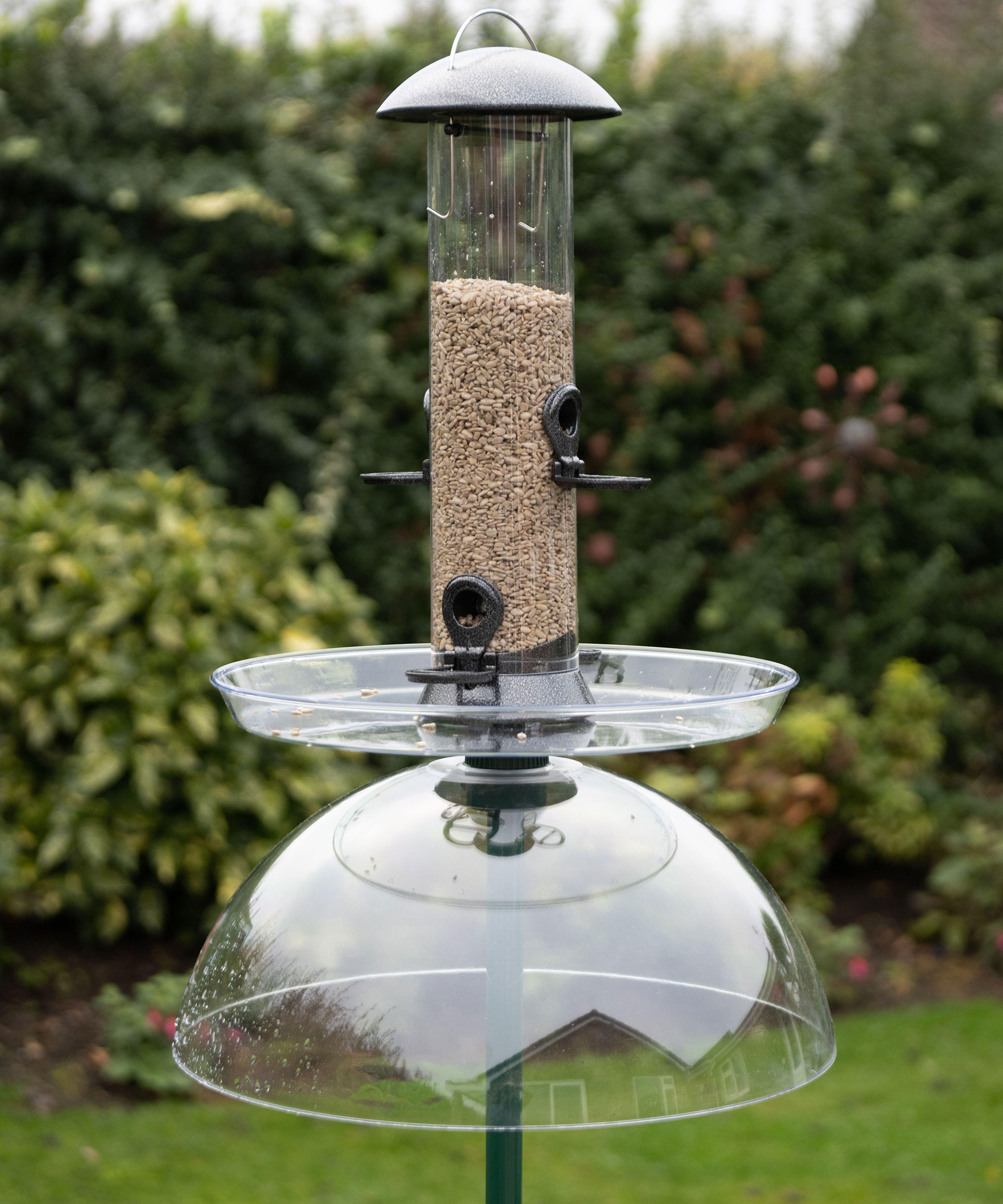
Look for poles with built-in squirrel guards or baffles. A baffle is a dome or cone-shaped shield that blocks squirrels from climbing. Position the baffle at least 4 feet above the ground to stop jumping. Some poles have telescoping sections that adjust height. A wider pole base adds stability and makes climbing harder.
- Integrated squirrel baffles prevent climbing
- Telescoping poles allow height adjustments
- Wide and stable bases reduce pole wobble
Physical Barriers To Block Squirrels
Physical barriers are one of the most effective ways to stop squirrels from climbing up your bird feeder pole. These barriers prevent squirrels from reaching the feeder by blocking their path or making the climb too difficult. You don’t need complicated tools—just the right equipment installed correctly can make a big difference.
Installing Baffles And Guards
Baffles are dome-shaped or cylindrical barriers that you attach to the pole. They slide around the pole and create a slippery or wide surface that squirrels can’t grip or climb over.
Installing a baffle about halfway up the pole or just below the feeder can stop squirrels in their tracks. You can find metal or plastic baffles that are weather-resistant and easy to install.
Make sure the baffle is wide enough—at least 18 inches in diameter—to prevent squirrels from squeezing around it. If you have a pole near a tree or structure, add extra baffles to block those routes as well.
Using Squirrel-proof Feeders
Squirrel-proof feeders come with built-in defenses like weight-sensitive perches or cages that close when a squirrel tries to land. These designs make it hard for squirrels to access the seeds but easy for birds.
Choosing a feeder with a cage around it can physically block squirrels from reaching the food. Some feeders also have springs that shut the feeding ports under a squirrel’s weight, which is a clever solution.
Think about your local squirrel population and their size when selecting these feeders. A feeder that works well in one area might not be as effective in another. Have you noticed which feeders your local squirrels struggle with the most?

Credit: happygardens.com
Natural Deterrents And Repellents
Natural deterrents and repellents offer a safe way to keep squirrels off bird feeder poles. These methods use tastes and smells that squirrels dislike. They cause no harm but discourage squirrels from climbing.
Using natural options protects birds and the environment. It also reduces the need for traps or harmful chemicals. These solutions work well when applied regularly and correctly.
Applying Taste-based Repellents
Taste-based repellents make the pole or feeder unpleasant to squirrels. These repellents often contain bitter or spicy ingredients.
- Use sprays containing hot pepper or bitter substances.
- Apply the repellent on the pole and any nearby surfaces.
- Reapply after rain to keep the effect strong.
- Choose non-toxic products safe for birds and pets.
Squirrels quickly learn to avoid the bad taste. This stops them from climbing and damaging the feeder.
Using Smell-based Deterrents
Squirrels dislike certain smells that signal danger or discomfort. Smell-based deterrents use natural scents to keep squirrels away.
- Sprinkle predator urine near the feeder pole.
- Place cotton balls soaked in essential oils like peppermint or eucalyptus.
- Replace or refresh scents weekly for best results.
- Keep the scents near the base of the pole and feeding area.
Strong smells confuse squirrels and make them avoid the spot. This reduces visits and protects your bird feeder.
Habitat Modification Around Feeders
Modifying the habitat around your bird feeder can make a big difference in stopping squirrels from climbing up the feeder pole. By changing the environment near your feeders, you remove easy access points and make it harder for squirrels to reach their tasty targets. This approach doesn’t rely on traps or chemicals but rather on thoughtful adjustments to your yard’s layout.
Trimming Nearby Trees And Branches
Have you noticed squirrels launching from nearby branches straight onto your feeder pole? Trimming those branches back at least 6 to 8 feet away from the feeder can cut off their highway. This simple action blocks their favorite jumping spots and forces them to find another route, which is often too far for a single leap.
It’s important to regularly check for new growth too. Branches can quickly extend and provide fresh access points. Keeping them trimmed not only protects your feeder but also encourages healthier tree growth by letting in more sunlight.
Clearing Climbing Structures
Squirrels are excellent climbers and use more than just trees to reach your feeder. Look around for fences, trellises, or even tall garden stakes that could serve as ladders. Removing or relocating these structures away from your feeder pole can drastically reduce squirrel traffic.
In my own yard, a simple removal of a nearby wooden trellis stopped squirrels from scaling the feeder pole within days. Sometimes, just moving a plant pot or shifting a garden chair away from the feeder can make a surprising difference. What small changes could you make around your feeder to cut off the squirrel’s climbing routes?
Feeding Alternatives To Distract Squirrels
Offering squirrels their own food away from the bird feeder can keep them busy. Place nuts or seeds on the ground to distract them. This reduces their interest in climbing the feeder pole.
Feeding Alternatives to Distract Squirrels If you find squirrels persistently raiding your bird feeders, consider offering them their own food sources. This not only helps keep them away from your bird feeders but also ensures that these furry creatures get their fair share of nutrition. Let’s explore some practical and engaging alternatives to feed squirrels separately and keep your bird feeders safe.Providing Separate Squirrel Feeders
Invest in squirrel feeders designed to be both entertaining and functional. Squirrel feeders come in various shapes and sizes, some even equipped with fun obstacles or spinning wheels. By providing a dedicated spot for squirrels to eat, you can keep them occupied and less likely to bother your bird feeders. Place these feeders at a distance from your bird feeders. This reduces the chance of squirrels abandoning their own feeder for a quick snack from the birds. Additionally, fill these feeders with squirrel-friendly foods like corn, peanuts, or sunflower seeds.Offering Food Away From Bird Feeders
Strategically placing food sources away from your bird feeders can be a game-changer. The key is to create a diversion that is more appealing to squirrels than your bird feeders. Consider scattering food on the ground or using a ground feeder. This way, squirrels are more likely to stay at ground level, leaving the bird feeders untouched. You could also try placing food near trees or shrubs where squirrels feel safe and are more inclined to eat. Have you ever tried offering squirrels their own food? It could be the simple solution you’ve been searching for to protect your bird feeders.Maintenance Tips To Keep Squirrels Away
Place a smooth metal guard around the pole to block squirrels from climbing. Keep the area clean of spilled seeds to reduce attraction. Regularly check and tighten feeder parts to prevent easy access.
Keeping squirrels away from your bird feeder can be a constant battle, but with some regular maintenance, you can successfully deter these persistent critters. By focusing on the upkeep of your bird feeder and food storage, you not only protect your birdseed but also ensure the safety and comfort of your feathered visitors. Here are some simple yet effective maintenance tips to keep those squirrels at bay.Regular Cleaning Of Feeders
Cleaning your feeders frequently is crucial in maintaining their integrity and effectiveness against squirrels. A dirty feeder can attract not only squirrels but also pests like ants and rodents. Make it a habit to clean your feeders weekly by removing old seed and washing the feeder with mild soapy water. Rinse thoroughly and allow it to dry completely before refilling. This prevents mold and mildew, which can be harmful to birds. Plus, a well-maintained feeder is less appealing to squirrels, who often target neglected ones.Securing Food Storage
Properly storing your birdseed is just as important as maintaining your feeder. Squirrels have a keen sense of smell and can easily find poorly stored seed. Use airtight containers to store your birdseed, ensuring they are kept in a cool, dry place. Consider using metal containers, as squirrels can chew through plastic and cardboard. Securing your food storage not only prevents unwanted squirrel attention but also keeps your seed fresh and safe for birds. Are you tired of seeing your bird feeder raided by squirrels? Implement these maintenance tips and watch the transformation. Your bird visitors will thank you, and your yard will be a haven once more for the little chirpers you love to watch.
Credit: www.reddit.com
Credit: www.homesandgardens.com
Frequently Asked Questions
How Can I Stop Squirrels From Climbing Bird Feeder Poles?
Use squirrel baffles or guards on poles. These create a slippery or obstructed surface squirrels cannot climb. Regularly clean feeders to remove spilled seeds that attract squirrels. Position feeders away from trees or structures squirrels use to jump onto poles.
What Is The Best Squirrel-proof Bird Feeder Pole?
The best poles are metal with smooth surfaces and adjustable squirrel baffles. Look for poles with wide, slippery baffles that prevent squirrels from gaining grip. Avoid wooden poles, as squirrels can easily climb them. Choose durable materials that withstand weather and squirrel attempts.
Are Squirrel Baffles Effective On Bird Feeder Poles?
Yes, squirrel baffles are highly effective when properly installed. They block squirrels from climbing by creating a physical barrier. Place baffles at least 3 feet from the ground to prevent squirrels from jumping over. Regular maintenance ensures continued protection against squirrels.
Can Natural Deterrents Keep Squirrels Off Bird Feeder Poles?
Natural deterrents like cayenne pepper or garlic sprays can help, but their effect is limited. They may discourage squirrels temporarily but are not foolproof. Combining deterrents with physical barriers like baffles provides better long-term control. Always reapply natural sprays after rain.
Conclusion
Stopping squirrels from climbing bird feeder poles takes patience and effort. Use squirrel baffles or slippery materials on poles. Keep feeders away from trees or fences they can jump from. Regularly clean spilled seeds to avoid attracting squirrels. Small changes make a big difference.
Enjoy watching birds without the squirrel troubles. Stay consistent and your bird feeder stays safe. Simple steps help protect your bird feeding area. Keep trying different methods until you find what works best. Your patience will pay off with peaceful bird watching.




