
Have you ever wondered if birds live in the North Pole? It’s a place known for its icy cold and endless snow, so it might surprise you to learn about the creatures that call it home.
If you think the North Pole is too harsh for birds, think again. You’ll discover which birds brave the freezing temperatures and how they survive in such an extreme environment. Keep reading—you might be amazed by the tough little birds that thrive where you least expect them.
Bird Species In The Arctic
The Arctic is a unique environment where only specially adapted creatures can survive. Among them, birds play a fascinating role. Despite the harsh conditions near the North Pole, several bird species make this icy world their home or temporary stopover.
Common Birds Near The North Pole
You might be surprised to learn that birds thrive even in the extreme cold of the Arctic. Some of the most common species you can spot include:
- Arctic Tern:Known for its incredible migration, this bird travels between the Arctic and Antarctic every year.
- Snowy Owl:With striking white feathers, the snowy owl blends perfectly into the snowy landscape.
- Gyrfalcon:The largest falcon species, it is a powerful predator in the Arctic ecosystem.
- Ivory Gull:Found scavenging near polar bears, it survives on leftovers and small prey.
Each of these birds has unique features that help them endure the cold and find food in a challenging habitat.
Migratory Patterns Of Arctic Birds
Have you ever wondered how birds cope with the long, dark Arctic winters? Many Arctic birds are migratory, traveling thousands of miles to avoid the harshest conditions.
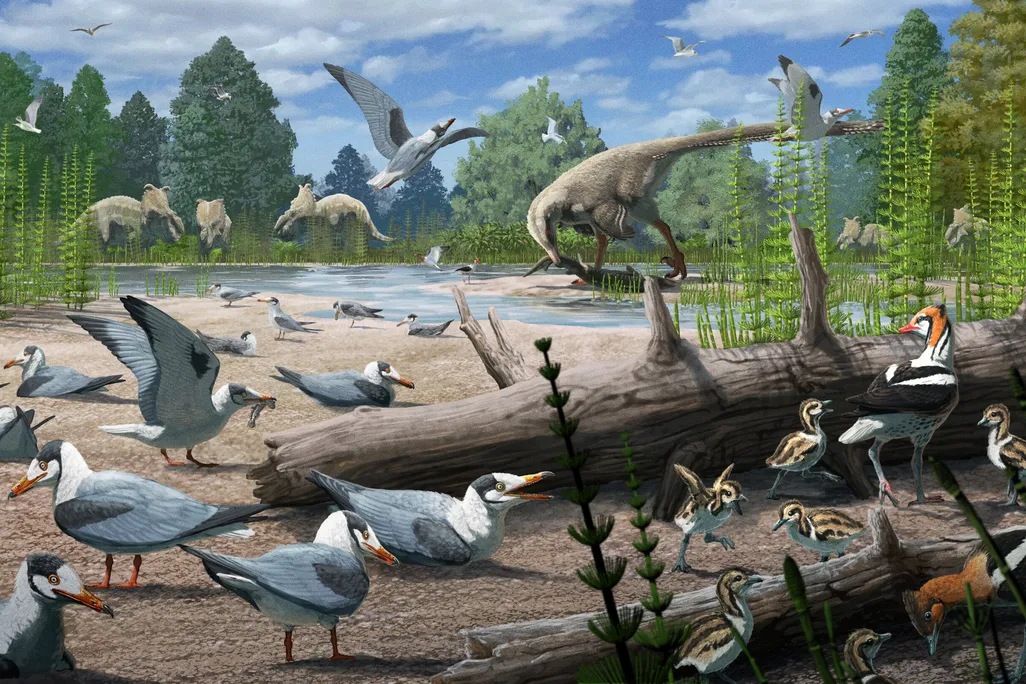
The Arctic Tern holds the record for the longest migration, flying up to 44,000 miles annually. It spends summers in the Arctic to breed and winters in the Antarctic to enjoy warmer climates.
Other birds, like the Snowy Owl, may migrate south in harsher winters but often stay close to their Arctic homes. Understanding these patterns can change how you view the Arctic—not just as a frozen desert, but as a vibrant ecosystem full of life on the move.
Credit: www.smithsonianmag.com
Adapting To Extreme Conditions
Birds living in the North Pole face some of the harshest conditions on Earth. The freezing temperatures, strong winds, and limited food supply challenge their survival daily. Yet, these birds have developed remarkable ways to thrive where few others can.
Survival Strategies Of Arctic Birds
Arctic birds use unique survival strategies to withstand the extreme cold. Many have thick layers of feathers that trap heat, acting like natural insulation. Some species, like the snow bunting, fluff up their feathers to create an air pocket that keeps them warm.
To conserve energy, these birds often reduce their activity during the coldest periods. They also rely on a high-fat diet, feeding on fish, insects, and small marine creatures rich in energy. Have you noticed how some birds migrate to slightly warmer areas during the harshest months? This movement is a clever way to balance survival and comfort.
Nesting And Breeding In The Cold
Nesting in the Arctic means dealing with freezing winds and a very short summer. Birds like the Arctic tern build nests in sheltered spots, such as rocky crevices or under vegetation, to protect their eggs from the cold. The timing of breeding is crucial, often synchronized with the brief period when food is plentiful.
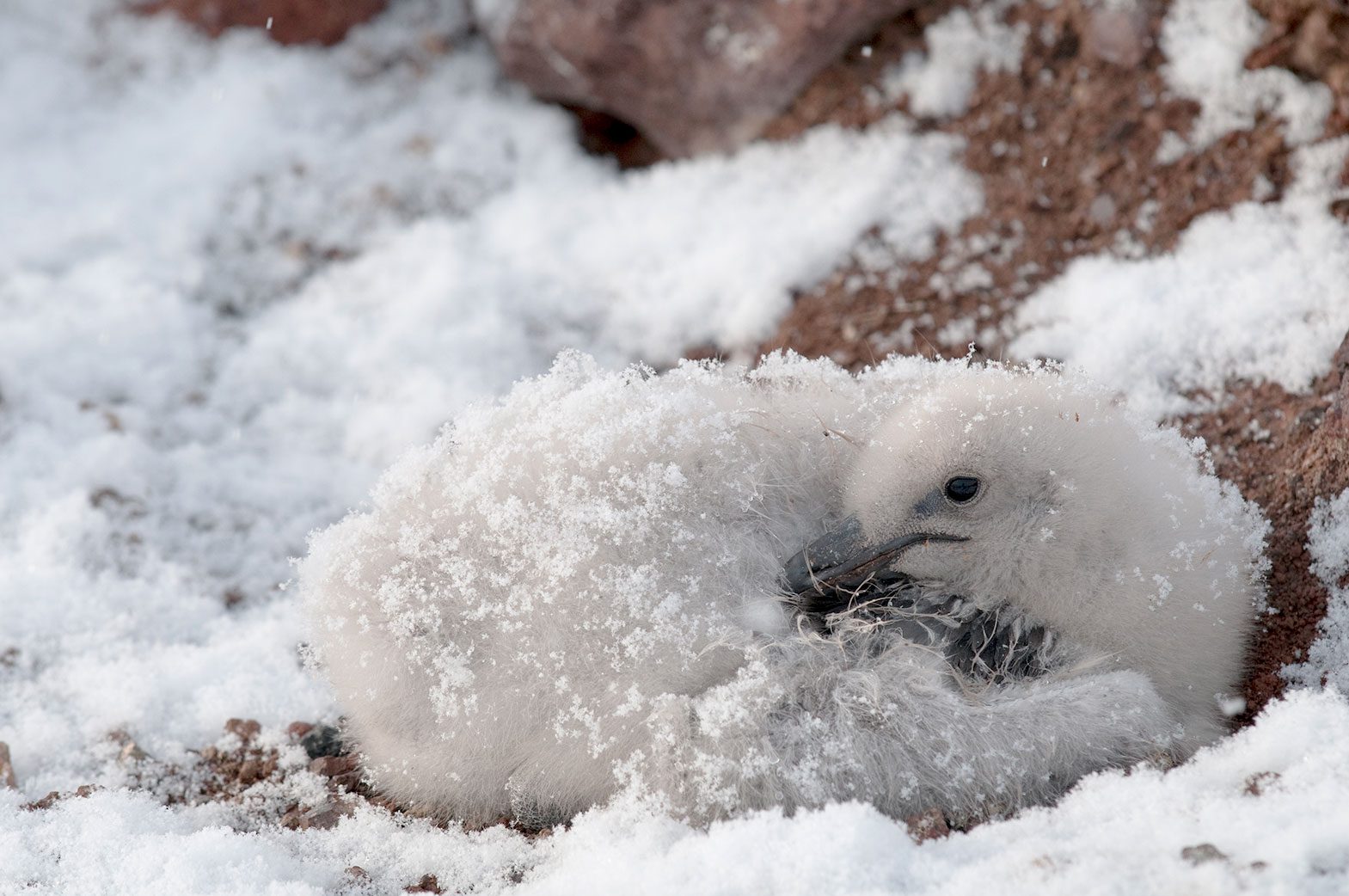
Parents share the responsibility of keeping eggs warm and feeding chicks. The Arctic conditions force birds to be efficient and quick in raising their young. You might wonder how these delicate chicks survive such a tough environment, but their parents’ dedication and the birds’ natural adaptations make it possible.
Role Of Birds In Arctic Ecosystems
Birds play a crucial role in Arctic ecosystems, acting as both participants and indicators of environmental health. Their presence at the North Pole might surprise you, but these birds contribute significantly to the balance and function of this extreme environment. Understanding their role helps you appreciate how interconnected life is, even in the coldest places on Earth.
Food Chain Contributions
Birds are essential links in the Arctic food chain. They feed on fish, insects, and small mammals, helping control populations and maintain ecological balance.
Seabirds, like the Arctic tern, carry nutrients from the ocean to the land through their droppings. This nutrient transfer supports plant growth, which in turn supports herbivores and other wildlife.
Have you ever wondered how energy moves through such a harsh environment? Birds act as both predators and prey, making them vital for energy flow and survival of many species.
Impact On Arctic Biodiversity
Birds contribute to Arctic biodiversity by supporting a wide range of species and habitats. Their nesting activities create microhabitats that benefit insects and plants.
By migrating to and from the Arctic, birds also connect distant ecosystems. This movement helps spread seeds and genetic material, enriching biodiversity far beyond the poles.
Think about your own environment. How might the absence of birds affect the plants and animals you see? In the Arctic, their impact is no less significant.
Credit: www.allaboutbirds.org
Challenges Facing Arctic Birds
Arctic birds face many challenges in their harsh environment. The North Pole is a tough place to live. Birds must survive cold temperatures, scarce food, and long periods of darkness. On top of these natural hardships, new threats make life even harder. These threats come from changes in the climate and human actions. Understanding these challenges helps us see why Arctic birds need protection.
Climate Change Effects
Climate change is warming the Arctic faster than other regions. Melting ice reduces birds’ nesting areas. Food sources are shifting as fish and insects move to cooler waters. Birds must travel farther to find food. This extra effort weakens them and their chicks. Some species may lose their homes entirely. Changing weather patterns cause storms that destroy nests. The timing of seasons shifts, confusing birds’ migration and breeding cycles.
Human Activities And Pollution
Human presence in the Arctic is growing. Oil drilling and shipping increase noise and pollution. Oil spills can poison birds and their food. Plastic waste harms birds that mistake it for food. Chemicals from industry accumulate in the Arctic food chain. These toxins affect birds’ health and reproduction. Disturbances from tourists and researchers can scare birds away from nesting sites. These impacts add stress to already vulnerable bird populations.
Unique Arctic Wildlife Facts
The Arctic is home to many unique animals adapted to survive extreme cold. These creatures have special features to live in ice and snow. The wildlife here is unlike anywhere else on Earth. Some birds and animals appear rarely, adding mystery to the region. Discover fascinating facts about Arctic life and its surprising residents.
Rare Bird Sightings
Birds in the North Pole are few but special. Some species visit only during summer months. These birds migrate thousands of miles to breed and feed. Examples include:
- Snowy Owl – known for its white feathers and silent flight.
- Arctic Tern – famous for the longest migration of any bird.
- Ivory Gull – a scavenger that follows polar bears.
These birds are hard to spot, making sightings rare and exciting. They play key roles in the Arctic ecosystem.
Other Surprising Arctic Animals
The North Pole hosts more than just birds. Unique mammals and sea creatures thrive here. Some notable animals include:
- Polar Bears – top predators of the Arctic ice.
- Arctic Foxes – small mammals with thick fur for warmth.
- Walruses – large marine mammals with distinctive tusks.
- Ringed Seals – important prey for polar bears and hunters.
These animals show incredible adaptation to harsh Arctic conditions. Their survival skills inspire curiosity and respect.

Credit: www.ornitheology.com
Frequently Asked Questions
Are There Any Birds Living At The North Pole?
No birds live exactly at the North Pole due to extreme cold and ice. However, some birds migrate near Arctic regions during summer.
What Types Of Birds Visit The Arctic Near The North Pole?
Arctic terns, snow buntings, and ivory gulls are common birds visiting Arctic areas near the North Pole in warmer months.
How Do Birds Survive The Harsh Arctic Conditions?
Birds adapt by migrating seasonally, growing insulating feathers, and feeding on available fish and insects during Arctic summers.
Do Any Birds Breed In The North Pole Region?
Yes, some species like Arctic terns breed in the Arctic region near the North Pole during summer when conditions are milder.
Conclusion
Birds do live in the North Pole, but only a few types. These birds have special ways to survive cold and ice. They find food in the sea or on land during summer. The North Pole is not empty; it supports life in tough conditions.
Learning about these birds helps us understand nature’s strength. Next time you think of the North Pole, remember its flying visitors. Nature always finds a way to thrive, even in the coldest places.




