
Have you ever noticed small, mud-built structures clinging to the corners of your house? Those tiny nests might seem like a simple decoration, but they tell a fascinating story about the birds living right outside your window.
If you’re curious about which birds choose to build mud nests on houses and why, you’re in the right place. Understanding these clever builders can help you appreciate nature’s handiwork—and maybe even learn how to share your space with them.
Keep reading to uncover the secrets behind these mud masterpieces and the birds who create them.
Credit: www.statesman.com
Common Mud Nest Builders
Many birds choose mud as the key material for building their nests on houses. These nests offer sturdy shelter and protect the young from predators and weather. Recognizing which birds build these mud nests helps you understand their behavior and how to coexist with them around your home.
Barn Swallows
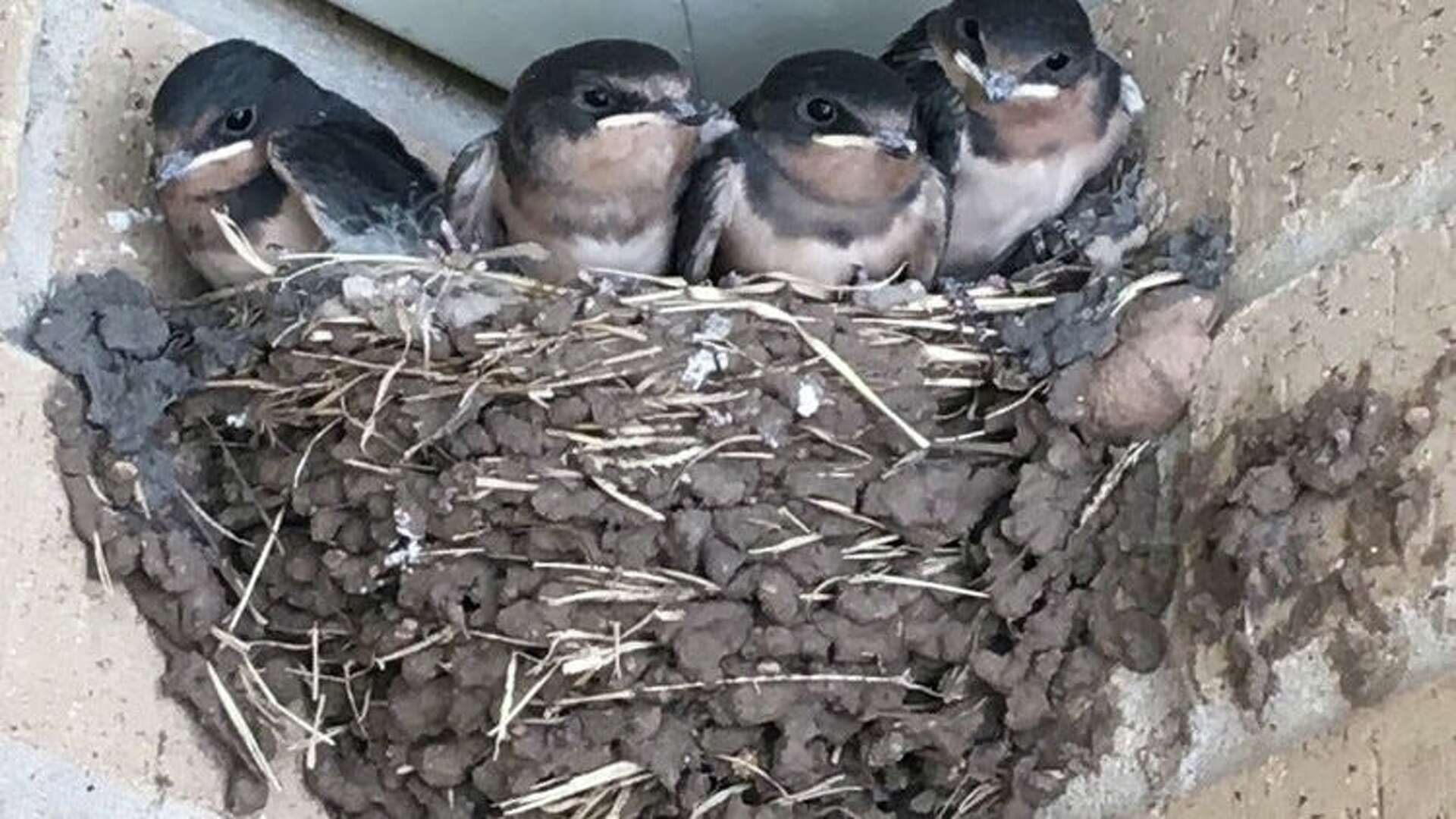
Barn swallows are famous for their classic mud cup nests, often found under eaves or porch roofs. They gather mud from nearby puddles and mix it with grass or feathers for extra strength. Watching barn swallows build their nests can be fascinating—they work tirelessly to create a smooth, bowl-shaped home.
Have you noticed how barn swallows return to the same spot year after year? This loyalty means once you spot one nest, you might expect more in the future.
Cliff Swallows
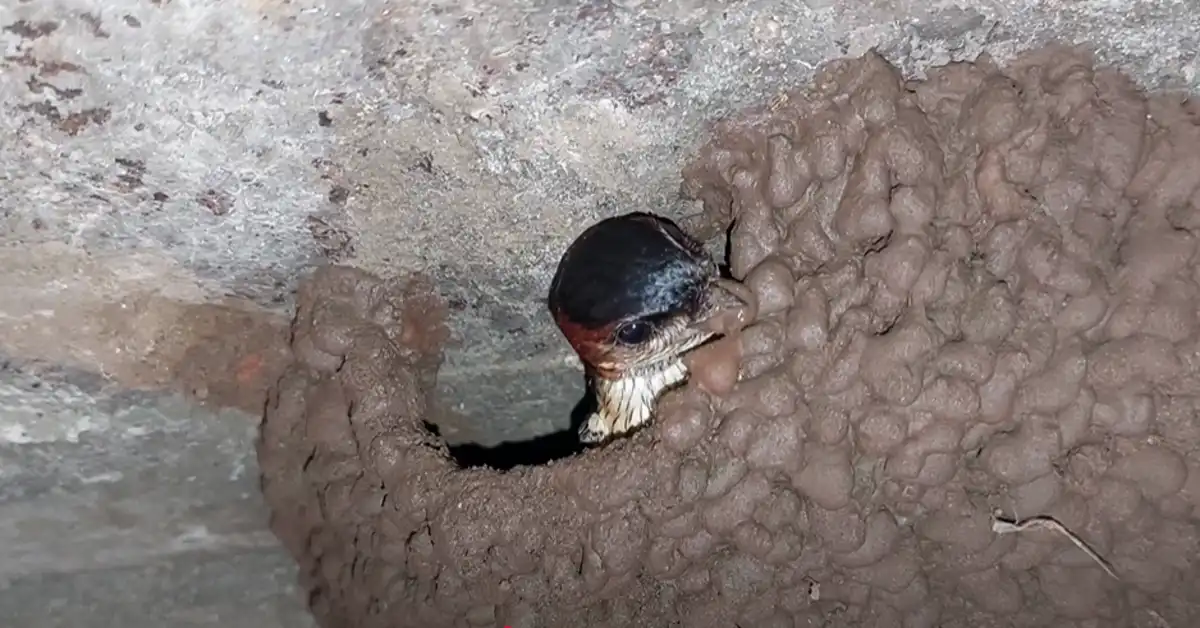
Cliff swallows prefer to build colonies, attaching their mud nests side by side on vertical surfaces. Unlike barn swallows, their nests look like small gourd-shaped structures with a narrow entrance. These birds often choose high walls or bridges, but occasionally, they settle on house walls too.
Seeing dozens of cliff swallow nests clustered together is a reminder of their strong social nature. If you find them on your property, it’s worth considering how their community lifestyle affects their nesting choices.
Purple Martins
Purple martins usually use man-made birdhouses, but some have been known to build mud nests in sheltered spots on buildings. Their mud nests are less common but equally sturdy. These birds value safety and often pick spots hidden from direct sunlight and rain.
Could providing a clean mud source near your home encourage purple martins to settle nearby? Observing their nesting habits might inspire you to support these birds in simple ways.
Credit: www.earthofbirds.com
Unique Nesting Techniques
Birds that build mud nests on houses display some truly unique nesting techniques that adapt perfectly to urban environments. Their skillful use of natural materials and clever construction methods make these nests both strong and comfortable. Understanding these techniques can help you appreciate the intricate work behind these tiny architectural wonders.
Mud Collection And Construction
These birds gather mud from nearby puddles, riverbanks, or damp soil. They often mix it with saliva to make the mud stick better and dry harder. Watching one bird carry multiple trips of mud to its nest shows remarkable determination and patience.
The birds use their beaks to carefully mold and press the mud, building up the nest layer by layer. Each layer is allowed to dry before the next is added, ensuring a sturdy and weather-resistant structure. Have you ever noticed how the mud feels almost like bricks once it’s dried?
Nest Shape And Placement
The shape of these mud nests varies but is often cup-like or gourd-shaped, designed to protect eggs from predators and weather. Placement is strategic—usually under eaves, ledges, or corners of houses where there’s shelter from rain and direct sunlight.
Birds tend to choose spots close to food sources and water, reducing their travel during nesting. Their nests often cling to vertical surfaces, which might surprise you given how heavy mud can be. Isn’t it fascinating how they balance weight and safety?
Materials Mixed With Mud
Besides mud, birds mix in materials like grass, feathers, and small twigs to reinforce their nests. These additions improve insulation and structural integrity. Sometimes, you might spot tiny bits of leaves or even hair within the nest walls.
These extra materials act like natural glue and padding, making the nest more durable and cozy. If you pay close attention, you might discover the variety of materials reflecting the bird’s immediate environment. What other natural resources could you imagine birds using in your area?
Why Birds Choose Houses
Birds that build mud nests on houses don’t choose these spots by accident. They’re drawn to the unique benefits that your home offers. Understanding why birds pick houses can help you appreciate their cleverness—and maybe even manage their nesting spots better.
Protection From Predators
Houses provide birds with a safe place to raise their young. Mud nests built on walls, under eaves, or near windows are harder for predators like snakes and larger birds to reach. You might notice that these nests are often tucked away in tight corners where humans can see them but predators cannot.
I once watched a pair of swallows repeatedly rebuild a nest after a raccoon tried to get to their chicks. The house’s height and overhang gave the birds a defensive advantage they wouldn’t find in open trees.
Shelter From Weather
Buildings shield birds from harsh weather conditions. Mud nests stuck to solid walls are less exposed to wind and rain compared to natural nests in trees. This protection helps eggs and baby birds survive through storms or sudden temperature drops.
Your house’s warmth can also create a microclimate that keeps nests cozy. Have you noticed birds returning to the same spot year after year? It’s often because that location offers reliable shelter.
Proximity To Food Sources
Birds build nests close to where they can easily find food. Houses often attract insects, which become a ready meal for mud-nesting birds like swallows. Gardens, compost piles, and outdoor lights all increase insect activity near homes, making these areas ideal hunting grounds.
Think about your own backyard. How many insects buzz around your porch lights at night? That’s a free buffet for birds raising hungry chicks. By keeping your outdoor space bird-friendly, you might encourage more of these fascinating mud nest builders to settle nearby.
Impact On Homeowners
Birds like swallows and swifts often build mud nests on houses, leading to potential maintenance challenges for homeowners. These nests can cause aesthetic issues and may attract insects or rodents, requiring regular cleaning and preventive measures.
Birds building mud nests on houses can evoke mixed feelings among homeowners. On one hand, these nests can be fascinating displays of nature’s creativity right in your backyard. On the other, they might bring a few challenges that require attention.Benefits Of Bird Nests
Bird nests can offer unexpected advantages. They attract other wildlife, turning your home into a lively ecosystem. Watching birds build and care for their young can be a delightful experience and an educational opportunity for children. Moreover, birds act as natural pest controllers. They feed on insects, helping to reduce the pest population around your home. This natural pest management can save you money on chemical treatments and keep your garden healthy.Common Concerns And Issues
However, having bird nests on your house isn’t always hassle-free. Nests can lead to maintenance issues if built in gutters or other delicate areas. They may obstruct water flow, causing damage during heavy rains. Droppings and nesting materials can also create messes, requiring frequent cleaning. Some homeowners worry about noise, especially if the birds are early risers. Do you find these issues more daunting than the benefits? It’s crucial to weigh the pros and cons.Legal Protections For Nesting Birds
Before you decide to remove or relocate a nest, it’s important to know the legalities. Many birds are protected by law, and disturbing their nests can result in hefty fines. For instance, in the United States, the Migratory Bird Treaty Act protects most bird species. This means you must wait until the birds have left before removing a nest. Knowing your local regulations is key to avoiding legal trouble and respecting wildlife. Would you consider embracing the birds despite the challenges, knowing you’re contributing to biodiversity?Encouraging Nesting Birds Safely
Encouraging birds to build mud nests on your house can bring nature closer. It supports local wildlife and adds charm to your home. Creating a safe environment for nesting is key. Birds need quiet, shelter, and clean spaces to thrive. Providing these elements helps birds settle comfortably and raise their young safely.
Creating Bird-friendly Spaces
Offer sheltered spots protected from wind and rain. Place natural materials like mud, twigs, and leaves nearby. Avoid using chemicals in the garden or on walls. Keep cats and other predators away from nesting areas. Provide fresh water sources for drinking and bathing. Ensure there is enough space for birds to come and go freely.
Using Nesting Aids
Install simple nest platforms or mud trays close to nesting sites. Use small ledges or shelves to support mud nests. Place nesting aids in quiet areas with little human traffic. Clean these aids after each nesting season to prevent disease. Provide soft materials like grass or feathers nearby for lining nests. These aids encourage birds to build and return year after year.
Avoiding Disturbance During Nesting
Keep noise levels low around nesting spots. Avoid touching or moving nests once birds start building. Limit outdoor activities near nests during breeding season. Do not use bright lights near nesting sites at night. Teach family members to respect bird space. Protecting nesting birds helps ensure their safety and success.

Credit: www.reddit.com
Identifying Different Mud Nests
Identifying different mud nests on your house can help you understand which bird species have made your home their nesting site. Each bird builds a distinct style of mud nest, and recognizing these differences can give you clues about the birds’ habits and how to coexist with them. Pay close attention to the nest’s shape, size, placement, and the sounds you hear nearby to make an accurate identification.
Shape And Size Variations
Birds use mud to create nests in unique shapes and sizes. Some nests are small and cup-shaped, just big enough to hold a few eggs, while others are larger and more elaborate with tunnel entrances.
Swallows often build half-cup nests attached to walls or under eaves. Cliff swallows, on the other hand, create gourd-shaped nests with narrow entrances.
Noticing these differences can help you figure out which bird you’re dealing with. Have you ever seen a mud nest that looked like a tiny pot stuck to your wall? That’s probably a swallow’s handiwork.
Location Clues
Where you find the mud nest is a big clue to who built it. Some birds prefer high spots like under roof overhangs, while others choose sheltered corners or even windowsills.
- Barn swallows usually build nests under eaves or beams in open barns.
- Cliff swallows often cluster their nests on vertical surfaces like cliffs or tall walls.
- House martins prefer building under the edges of roofs, close to the house structure.
Look around your home’s exterior. Does the nest sit in a protected nook or an exposed ledge? Your observations can narrow down the species.
Bird Sounds And Behavior
Listening to the birds near the nests can tell you a lot. Different species have distinct calls and flight patterns.
Swallows make a series of chattering or twittering sounds, often heard during morning or evening flights. Their quick, darting flight is also a signature behavior.
Watching how the birds behave around the nest can give you clues. Are they swooping in and out frequently or just visiting occasionally? This can help you identify active nests versus abandoned ones.
Frequently Asked Questions
What Birds Commonly Build Mud Nests On Houses?
Swallows, especially barn swallows and cliff swallows, are known for building mud nests on houses. They use mud pellets to create cup-shaped nests, often under eaves or ledges.
Why Do Birds Choose Houses For Mud Nests?
Houses provide shelter, stability, and safety from predators. The eaves and ledges offer perfect support for mud nests, plus proximity to food and water.
How Do Birds Gather Materials For Mud Nests?
Birds collect mud from wet soil or riverbanks. They mix it with saliva to form sticky pellets, which they use to build strong nests.
Are Mud Nests Harmful To Houses Or Homeowners?
Mud nests usually cause minimal damage but can stain walls or block gutters. They rarely pose health risks but may attract insects.
Conclusion
Birds that build mud nests on houses show nature’s cleverness. These nests protect their eggs and keep chicks safe. Watching them can teach us about wildlife close to home. Knowing which birds build mud nests helps us understand their habits.
It also helps us decide how to live peacefully with them. Mud nests add life and charm to many homes. Respecting these birds keeps nature healthy around us. Watching nests grow feels like a small gift from nature. Simple, yet fascinating.




