
Have you ever wondered if polar bears eat birds? It’s a question that might surprise you.
You probably think of these massive Arctic hunters sticking to seals and fish. But what if there’s more to their diet than you realize? Understanding what polar bears eat can change how you see these powerful animals and their survival skills.
Keep reading to discover the truth about polar bears and birds—and why it matters to your view of the wild.

Credit: medium.com
Polar Bear Diet Basics
Polar bears are powerful hunters adapted to the Arctic environment. Their diet mainly depends on available prey and seasons. Understanding what polar bears eat helps clarify their role in the ecosystem. It also answers common questions about their eating habits, such as whether they eat birds.
Primary Food Sources
Polar bears mainly eat seals. They hunt seals by waiting near breathing holes in the ice. Seals provide high fat and energy, essential for survival in cold climates. Sometimes, polar bears eat walruses, fish, and whale carcasses. These foods are less common but still important. Birds and their eggs are eaten rarely and only when other food is scarce.
Seasonal Diet Changes
Polar bears’ diet changes with the seasons. In winter and spring, seals are easy to catch on the ice. In summer, sea ice melts, and hunting seals becomes harder. Bears then eat plants, berries, and small animals more often. They may also scavenge remains from other animals. These changes show their flexibility and survival skills in a tough environment.
Birds In Polar Bear Diet
Polar bears mainly hunt seals, but birds sometimes appear in their diet. Birds are not the primary food source, yet they add variety. This section explores the types of birds polar bears encounter and how often they eat them.
Types Of Birds Encountered
Polar bears come across several bird species in the Arctic. Common birds include:
- Snowy owls
- Arctic terns
- Gulls
- Snow buntings
- Various waterfowl
These birds often nest on the ground or ice, making them accessible. Polar bears may also prey on eggs and chicks during breeding seasons.
Frequency Of Bird Consumption
Birds make up a small part of the polar bear diet. Their consumption depends on food availability. When seal hunting is difficult, bears may eat birds more often.
Birds and their eggs serve as occasional snacks, not daily meals. Polar bears focus on high-fat prey like seals for survival. Bird eating is opportunistic and rare compared to hunting marine mammals.
Hunting Techniques For Birds
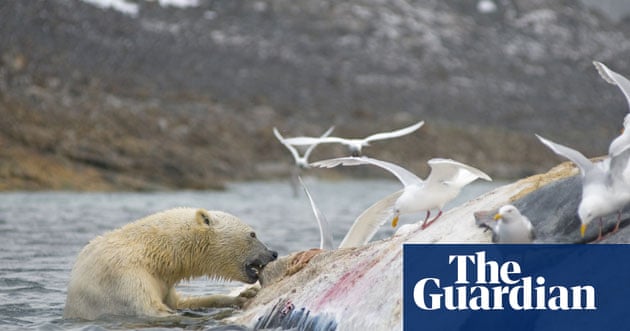
Polar bears are primarily known for hunting seals, but their diet can occasionally include birds. Hunting birds requires a different set of techniques and skills compared to their usual prey. Understanding how polar bears adapt to this challenge reveals surprising details about their behavior and survival strategies.
Adaptations For Bird Hunting
Polar bears use their sharp sense of smell to locate bird nests hidden under snow or in rocky crevices. Their powerful paws help them dig quickly and silently to avoid disturbing the birds before they can escape.
They also exhibit patience, often waiting near nests for the right moment to strike. This hunting style shows how polar bears can adjust their tactics depending on the prey, highlighting their versatility.
Challenges In Catching Birds
Birds are fast and can fly away, making them difficult targets for polar bears. The bears must rely on stealth and timing rather than speed or strength alone.
Another challenge is the unpredictable environment where birds nest, like cliffs or dense vegetation. This forces polar bears to be cautious and inventive, often spending more energy to secure a bird than a seal.
Have you ever considered how a large predator adapts to catch such small, quick prey? It’s a reminder that survival often depends on flexibility and patience, not just power.
Credit: www.theguardian.com
Nutritional Value Of Birds
Birds can be an unexpected but valuable food source for polar bears, especially when their usual prey is scarce. Understanding the nutritional value of birds helps you see why polar bears might choose to eat them. Birds offer a mix of proteins, fats, and other nutrients that can support the bears’ energy needs.
Comparing Birds To Other Prey
Birds generally contain less fat than seals, which are the polar bears’ primary prey. Fat is crucial for polar bears because it fuels their survival in cold environments. However, birds provide a decent amount of protein, which is essential for muscle maintenance and repair.
For example, a seabird like a guillemot has a lower fat content but offers a rich protein source. In contrast, seal blubber delivers high calories due to its fat concentration. Birds might not replace seals in energy value, but they can fill nutritional gaps.
Impact On Polar Bear Health
Eating birds occasionally can help polar bears maintain their strength during lean times. Protein from birds supports muscle health, but a diet low in fat could make it harder for bears to store enough energy for winter. This balance affects their overall health and ability to hunt later.
Have you ever thought about how diet variety impacts an animal’s resilience? For polar bears, relying solely on birds might not be ideal, but it shows their adaptability. Your understanding of this can change how you view wildlife survival strategies in a changing climate.
Uncommon Food Sources
Polar bears mainly feast on seals, but sometimes they surprise us by eating less typical foods. These uncommon food sources show how adaptable polar bears can be when their usual prey is scarce. Understanding these habits can change how you see these Arctic giants and their survival strategies.
Scavenging Behavior
Polar bears don’t always hunt fresh prey. They often scavenge carcasses left behind by other predators or animals that died naturally. This behavior helps them save energy, especially when hunting seals is difficult due to weather or ice conditions.
You might wonder how often they rely on scavenging. While not their first choice, scavenging becomes essential during tough times. It’s a smart way to stay alive when food is limited.
Occasional Prey Items
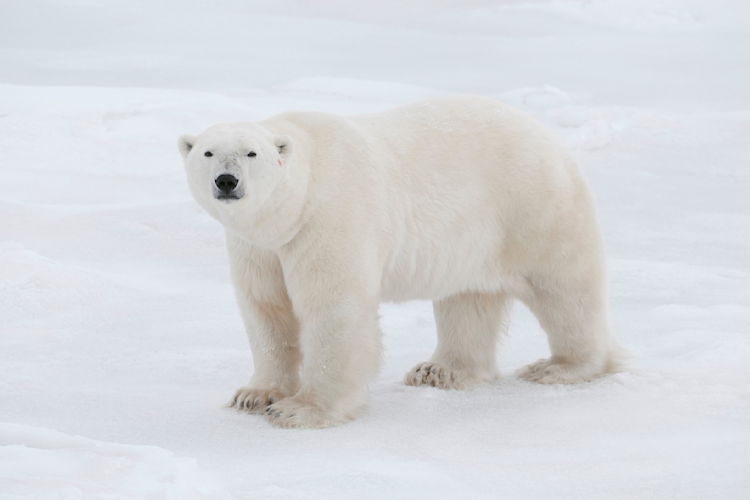
Besides seals, polar bears sometimes eat birds, eggs, and even small mammals like rodents. These items aren’t common in their diet but can provide important nutrients when available. For example, during summer months, polar bears near coastal areas may raid bird nests.
Have you ever thought about how a polar bear’s diet changes with the seasons? Their ability to switch to these occasional prey items shows their flexibility. This survival tactic might be less known but is crucial for their endurance in a changing Arctic.
Credit: polarbearsinternational.org
Environmental Influences On Diet
Polar bears, majestic creatures of the Arctic, have a diet primarily consisting of seals. However, their diet can shift due to environmental influences. Understanding these influences provides insight into how polar bears adapt to their changing habitats. This adaptability is crucial for their survival, especially with the rapid changes in their natural environment.
Climate Change Effects
Climate change is drastically altering the Arctic landscape. Melting ice reduces polar bears’ access to their primary prey, seals. This forces them to look for alternative food sources, including birds. As ice continues to recede, you might wonder if polar bears are becoming more reliant on birds to fill their nutritional needs. Climate change is not just an environmental issue; it directly impacts the feeding habits of these iconic animals.
Habitat And Food Availability
The shrinking ice caps are not the only challenge polar bears face. Their habitats are changing, affecting the availability of traditional prey. You might spot polar bears scavenging for bird eggs or hunting for birds in areas previously covered with ice. This shift in diet is a stark reminder of how interconnected our ecosystems are. When one element changes, it creates a ripple effect impacting all species, including polar bears.
Surprising Polar Bear Facts
Polar bears mainly eat seals, but they sometimes catch birds too. These bears are strong hunters and adapt their diet when food is scarce. Bird eggs and chicks can be an easy snack for them in the Arctic.
Surprising Polar Bear Facts Polar bears are fascinating creatures, often associated with their icy habitats and powerful presence. Yet, there’s much more to them than meets the eye. Did you know that these majestic animals have some unexpected dietary habits?Rare Feeding Habits
While polar bears are primarily known for hunting seals, their diets can be surprisingly diverse. They have been observed eating birds, especially when seal availability is low. Imagine watching a polar bear carefully stalking a bird, demonstrating its adaptability and survival skills. It’s not just about the seals; their opportunistic feeding habits remind us of nature’s unpredictability. Have you ever thought about how animals adapt their diets in changing environments? Next time you see a polar bear documentary, look out for these rare feeding moments.Behavioral Adaptations
Polar bears exhibit remarkable behavioral adaptations to thrive in harsh Arctic conditions. Their incredible sense of smell helps them locate prey from miles away, a skill essential for survival. They also use their powerful swimming abilities to hunt, sometimes traveling vast distances across icy waters. Have you ever considered how these adaptations reflect on our own need to adapt and change? Polar bears teach us the importance of resilience and resourcefulness in challenging times. Reflect on how you adapt to unexpected challenges in your own life.Frequently Asked Questions
Do Polar Bears Eat Birds Regularly?
Polar bears mainly eat seals but can eat birds occasionally. Birds are not a primary food source. They might scavenge eggs or chicks if available.
What Types Of Birds Do Polar Bears Eat?
Polar bears may eat seabirds like gulls or their eggs. They target birds nesting near the ice during breeding season. This provides extra nutrition when seals are scarce.
How Often Do Polar Bears Hunt Birds?
Polar bears rarely hunt birds. They prefer seals but may opportunistically eat birds. Bird hunting happens mostly when other food is limited.
Why Do Polar Bears Sometimes Eat Birds?
Polar bears eat birds to supplement their diet. When seals are hard to catch, birds provide additional nutrients. This helps them survive in harsh Arctic conditions.
Conclusion
Polar bears mainly eat seals and fish for survival. Birds are not their usual food, but they may eat bird eggs or chicks sometimes. This happens when other food is hard to find. Polar bears need a lot of energy, so they prefer bigger animals.
Understanding their diet helps us learn about their life in the Arctic. It shows how animals adapt to their environment. Nature is full of surprises. Polar bears are strong hunters, but they also face many challenges.




