
Have you ever wondered if those big, furry visitors in your backyard are sneaking a snack from your bird feeder? You might be surprised to learn that bears are more interested in bird seed than you think.
If you want to protect your bird food and keep curious bears at bay, understanding their eating habits is key. Keep reading to discover why bears go after bird seed and what you can do to keep both your feathered friends and unexpected guests happy.
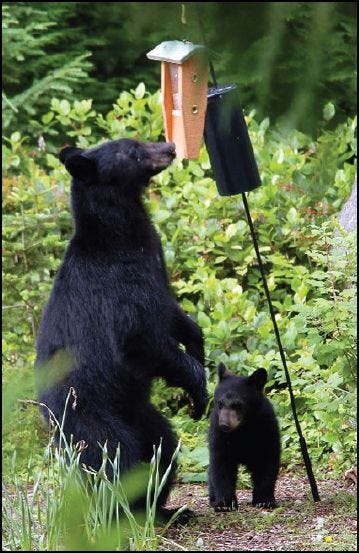
Credit: wdfw.medium.com
Bears And Their Diet
Bears have a varied diet that changes with the seasons and their habitat. They are omnivores and eat both plants and animals. Their eating habits depend on what food sources are available. Understanding what bears eat helps explain their behavior and interactions with humans.
Typical Foods Bears Eat
Bears eat a wide range of foods. Their diet often includes:
- Fruits like berries and apples
- Nuts and seeds from trees and plants
- Insects such as ants and bees
- Small mammals and fish
- Roots and grasses
Each species of bear has preferences based on its environment. For example, polar bears mainly eat seals, while black bears eat more plants and insects.
Seasonal Changes In Diet
Bears adjust their diet according to the season. In spring, they eat fresh plants and insects as they emerge. Summer brings a bounty of fruits, nuts, and small animals. Fall is critical for fat storage. Bears consume large amounts of berries and nuts to prepare for winter. During winter, many bears hibernate and eat little or nothing.
Attraction To Bird Seed
Bears have a keen sense of smell and a strong appetite. Bird seed often attracts them because it offers an easy and rich food source. The mix of nuts, grains, and fats in bird seed is very appealing to bears. This makes bird feeders a common target for hungry bears in many areas.
Understanding why bears are drawn to bird seed helps in managing wildlife and protecting property. Knowing what ingredients attract them can also guide how to store or use bird seed safely.
Why Bird Seed Appeals To Bears
Bears need lots of calories to fuel their large bodies. Bird seed provides high energy in small amounts. The seeds are rich in fats and proteins, which bears find delicious and nutritious.
Bird seed is easy for bears to find and eat. It often falls to the ground, making it simple for bears to access. Bears are opportunistic feeders. They eat whatever food is available and easy to get.
Common Bird Seed Ingredients
- Sunflower seeds – high in fat and protein
- Millet – a small grain rich in carbohydrates
- Cracked corn – provides energy and sweetness
- Safflower seeds – favored by many birds and bears
- Peanuts – a favorite for their fat content
These ingredients combine to make bird seed a tempting snack for bears. The fats and sugars give bears a quick energy boost. This explains why they often raid bird feeders.
Incidents Of Bears Eating Bird Seed
Bears are known for their opportunistic feeding habits, and bird seed often becomes an unexpected target. Reports from homeowners reveal that bears don’t just raid bird feeders for seeds but sometimes consume large quantities directly from feeders or scattered seed on the ground. Understanding these incidents helps you protect your property and keeps bears from developing unwanted habits.
Reported Cases From Homeowners
Many homeowners living near wooded areas share stories of bears visiting their yards, drawn by the scent of bird seed. One resident described waking up to find their bird feeder completely emptied overnight, with seeds scattered across the lawn. Another reported damage to their porch as a bear tried to reach a feeder hanging just out of arm’s length.
These encounters aren’t isolated. Social media groups and local wildlife offices receive frequent calls about bears eating bird seed. Some homeowners have even caught bears on trail cameras, showing them patiently pulling seeds from feeders. Have you ever wondered how much bird seed a bear can consume in one visit? Some reports suggest a single bear can devour several pounds in one night.
Effects On Bear Behavior
When bears find easy food sources like bird seed, they start associating human homes with meals. This can make them less afraid of people and more likely to return repeatedly. Such behavior increases the chance of property damage and can be dangerous for both bears and humans.
Homeowners notice that bears visiting for bird seed often begin to explore trash cans and compost bins as well. This shift in bear habits can lead to dependency on human food and disrupt their natural foraging patterns. What measures can you take to avoid encouraging this behavior and keep bears wild and safe?

Credit: globalnews.ca
Risks Of Feeding Bears Bird Seed
Feeding bears bird seed may seem harmless, but it carries serious risks. Bird seed is not a natural food source for bears and can harm their health. It also creates safety problems for people nearby. Understanding these risks helps protect both bears and humans.
Impact On Bear Health
Bears eating bird seed can develop nutritional problems. Bird seed lacks the vitamins and minerals bears need. Over time, this causes poor health and weakens their immune system. Bears may become dependent on human food, losing their natural foraging skills. This dependency leads to dangerous behaviors as they seek out easy meals.
Safety Concerns For Humans
Bears attracted to bird seed pose a threat to people. They can become aggressive when searching for food near homes. This increases the chance of bear encounters and attacks. Feeding bears also encourages them to linger in residential areas. Wildlife officials may have to remove or euthanize bears that become threats.
Preventing Bears From Accessing Bird Seed
Keeping bears away from your bird seed is more than just a nuisance issue—it’s important for your safety and the bears’ well-being. Bears can become aggressive if they associate humans with easy food sources. Taking steps to prevent them from accessing bird seed protects your local wildlife and keeps your backyard a safe space for birds.
Secure Bird Feeders
Choosing the right bird feeder can make a big difference. Look for feeders with bear-proof features like metal cages or locking mechanisms. These designs make it difficult for bears to reach the seed but still allow birds easy access.
Mount feeders on sturdy poles fitted with baffles that prevent climbing. Position your feeders at least 10 feet away from trees or structures bears could use to jump onto them. Have you noticed how even small changes in feeder placement can reduce unwanted visitors?
Alternative Feeding Strategies
Consider feeding birds only during daylight hours. Bears are usually more active at night, so taking feeders down in the evening removes an easy meal. This simple routine can discourage bears from associating your yard with food.
Another option is to switch to seed types less attractive to bears, such as safflower seeds. These seeds are favorites of many birds but tend to be ignored by bears. Have you tried this with your feeders and noticed a change in bear visits?
Finally, clean up spilled seed regularly. Loose seed on the ground is like an open invitation to bears. Using trays to catch seed spills or spreading seed in smaller amounts can reduce this risk significantly.

Credit: www.cbc.ca
Legal And Wildlife Considerations
Bears often find bird seed an attractive food source, posing challenges for bird enthusiasts. Legal guidelines may restrict feeding to protect wildlife and prevent bears from frequenting residential areas. Understanding local regulations and wildlife behavior is crucial for maintaining a safe environment.
When considering whether bears eat bird seed, it’s essential to keep in mind the legal and wildlife considerations involved. Bears are curious creatures and can be drawn to bird feeders, especially when natural food sources are scarce. While feeding birds can be a delightful hobby, it’s important to understand the potential implications of attracting bears to your backyard.Laws On Feeding Wildlife
Most regions have specific regulations about feeding wildlife, including bears. These laws are in place to protect both animals and humans. Feeding bears, even unintentionally, can lead to bears becoming habituated to human environments, which often results in conflicts. Check with your local wildlife agency to understand specific rules in your area. Some areas impose fines for attracting bears due to negligence. Being informed can help you avoid legal issues and contribute to the safety of your community.Conservation And Coexistence Tips
Creating a bear-friendly environment doesn’t mean you have to give up bird feeding altogether. You can take practical steps to minimize the risk of attracting bears. – Secure Bird Feeders: Use bear-resistant bird feeders or bring them indoors at night. – Clean Up Regularly: Remove spilled seed from the ground to avoid attracting bears. – Consider Alternative Feeders: Opt for feeders that are less appealing to bears, such as those designed for hummingbirds. Have you ever thought about the impact of your bird-feeding habits on local wildlife? By taking simple precautions, you can enjoy bird watching while promoting a harmonious coexistence with all creatures in your environment.Frequently Asked Questions
Do Bears Really Eat Bird Seed?
Yes, bears are attracted to bird seed because it’s high in fat and calories. They often raid feeders for an easy meal, especially in spring and fall when they need more energy.
Why Do Bears Prefer Bird Seed Over Other Food?
Bird seed is an accessible, energy-rich food source for bears. It requires little effort to find and consume, making it an attractive option during times of food scarcity.
How Can I Prevent Bears From Eating Bird Seed?
To prevent bears from eating bird seed, use bear-proof feeders or remove feeders at night. Keeping the area clean and avoiding spillage also helps reduce bear visits.
Is Bird Seed Harmful To Bears?
No, bird seed is not harmful to bears. However, it can encourage bears to frequent human areas, increasing the risk of conflict and potential danger for both bears and people.
Conclusion
Bears often eat bird seed when they find it. They are attracted to the nuts and grains in the seed. This can cause problems for people who feed birds. Keep bird seed in a secure place to avoid visits from bears.
Using bear-proof containers helps protect your seed and your property. Understanding bears’ behavior can keep both you and the animals safe. Always stay aware and take simple steps to prevent unwanted bear visits. Bird seed can feed birds, but it can also feed bears.




