
If you have chickens, you want to give them tasty treats that are safe and healthy. Maybe you’ve noticed wild bird seed sitting around and wondered, “Can my chickens eat this as a treat?” It’s a tempting idea—after all, both love seeds, right?
But before you toss some wild bird seed to your flock, there are important things you need to know. Keep reading, and you’ll discover whether wild bird seed is a good choice, what to watch out for, and how to keep your chickens happy and healthy with the right treats.
Nutritional Content Of Wild Bird Seed
Wild bird seed contains many ingredients that can be a treat for chickens. It is important to understand the nutrients in these seeds. This helps you know if they are good for your chickens.
Chickens need a balanced diet with proteins, fats, and vitamins. Wild bird seed may add variety but should not replace their main food.
Common Ingredients In Wild Bird Seed
Wild bird seed mixes often include sunflower seeds, millet, cracked corn, and safflower seeds. These seeds vary in nutrients and benefits.
- Sunflower seeds provide fats and protein.
- Millet offers carbohydrates and fiber.
- Cracked corn adds energy from starch.
- Safflower seeds contain healthy oils.
Nutrient Value For Chickens
Each ingredient in wild bird seed offers different nutrients. It is useful to see their basic nutrient content to understand how they affect chicken health.
| Ingredient | Protein (%) | Fat (%) | Carbohydrates (%) |
|---|---|---|---|
| Sunflower Seeds | 20 | 50 | 20 |
| Millet | 11 | 4 | 70 |
| Cracked Corn | 9 | 4 | 74 |
| Safflower Seeds | 15 | 30 | 25 |

Credit: silverhomestead.com
Potential Benefits Of Wild Bird Seed For Chickens
Wild bird seed can be a tasty treat for chickens. It adds extra nutrients to their diet. You should know how it helps your flock stay healthy.
Chickens enjoy a mix of foods. Giving them wild bird seed can bring some variety. It can also support their natural behaviors.
Variety In Diet
Wild bird seed contains many types of seeds and grains. This variety gives chickens different flavors and textures. It can add important nutrients they might miss in their main feed.
- Sunflower seeds provide healthy fats and protein
- Milo and millet add carbohydrates and energy
- Flaxseeds offer omega-3 fatty acids for better health
- Safflower seeds contain antioxidants
Natural Foraging Behavior
Chickens love to peck and scratch in the dirt. Wild bird seed encourages this natural foraging. It keeps them active and mentally sharp.
| Benefit | Explanation |
| Physical Activity | Pecking for seeds helps muscles and joints stay strong. |
| Mental Stimulation | Searching for food reduces boredom and stress. |
| Social Interaction | Foraging in groups supports natural chicken behavior. |
Risks Associated With Feeding Wild Bird Seed
Feeding wild bird seed to chickens might seem like a fun treat. It looks like a good snack since birds enjoy it. Still, there are risks involved that chicken owners should know.
Not all seeds in wild bird mixes are safe or healthy for chickens. Some seeds have bad ingredients or can cause health problems. Understanding these risks helps keep your flock safe.
Presence Of Harmful Additives
Wild bird seed often contains additives like preservatives or pesticides. These chemicals help keep the seeds fresh but can harm chickens. Eating these additives may cause digestive issues or poisonings.
Some seeds also have salt or sugar added. Chickens do not need these extras and they can upset their health. It is better to avoid any seed mixes with unknown additives.
Potential For Mold And Contamination
Wild bird seed can easily get moldy if stored wrong. Mold produces toxins that are very dangerous for chickens. These toxins can cause sickness or even death.
Bird seed may also have dirt, bugs, or bacteria. These contaminants can spread disease to your chickens. Always check seed for signs of mold or contamination before feeding.
- Look for moldy or dusty seeds
- Store seed in dry, sealed containers
- Discard seed that smells bad or looks dirty
Imbalance In Chicken Diet
Wild bird seed does not provide all nutrients chickens need. It often lacks vitamins, minerals, and protein. Feeding too much can cause nutrition problems and poor health.
Chickens require a balanced diet made for their needs. Treats like wild bird seed should be given only rarely and in small amounts. Relying on wild bird seed can lead to weak or sick chickens.
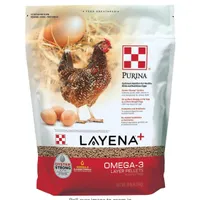
Credit: www.petsradar.com
Comparing Wild Bird Seed To Commercial Chicken Feed
Many chicken owners wonder if wild bird seed is a good treat for their birds. It is easy to find and looks similar to some chicken feeds.
This article compares wild bird seed to commercial chicken feed. It helps you understand their differences and uses.
Nutritional Differences
Commercial chicken feed is made to give chickens all the nutrients they need. It has the right balance of protein, vitamins, and minerals.
Wild bird seed usually contains many types of seeds like sunflower, millet, and cracked corn. It is not made for chickens specifically.
- Chicken feed has more protein for growth and egg production
- Wild bird seed may lack some essential vitamins and minerals
- Wild bird seed often has more fat and filler seeds
- Chicken feed is tested to meet poultry health needs
Suitability For Regular Feeding
Commercial chicken feed is best for daily meals. It supports chicken health and egg quality over time.
Wild bird seed can be used as a treat. It is not balanced enough for regular feeding and may cause nutrition problems.
- Use wild bird seed only occasionally to avoid diet imbalance
- Too much wild bird seed can lead to obesity or vitamin deficiency
- Commercial feed keeps chickens strong and healthy every day
- Treats like wild bird seed add variety but should be limited
Safe Ways To Offer Wild Bird Seed
Giving wild bird seed to chickens can be a fun treat. It adds variety to their diet. But safety is important to keep them healthy.
Knowing how to offer wild bird seed correctly helps avoid problems. This guide covers safe feeding tips for your flock.
Moderation And Frequency
Too much wild bird seed can cause health issues. Seeds often have high fat and low nutrients. Offer them only as an occasional treat.
- Limit treats to once or twice a week.
- Serve small amounts, no more than a handful per chicken.
- Watch for any signs of upset stomach or refusal to eat regular feed.
- Always provide fresh water alongside treats.
Choosing The Right Seed Mix
Select seed mixes without added salt, sugar, or artificial flavors. Avoid mixes with large amounts of sunflower seeds, as these are high in fat.
| Seed Type | Safe for Chickens | Notes |
|---|---|---|
| Millet | Yes | Good source of energy |
| Safflower | Yes | Low fat, easy to digest |
| Sunflower Seeds | In small amounts | High fat, limit quantity |
| Peanuts | No | Can cause allergies |
| Cracked Corn | Yes | Use sparingly |

Credit: grubblyfarms.com
Signs Of Health Issues From Inappropriate Feeding
Feeding chickens wild bird seed as a treat may seem harmless. It can cause health problems if given in excess or if the seed mix is unsuitable.
Watch your chickens for signs of health issues. Early detection helps prevent serious problems.
Digestive Problems
Chickens eating the wrong seeds can get digestive issues. Seeds meant for wild birds may be hard to digest or contain harmful additives.
Signs of digestive problems include diarrhea, bloating, or lack of appetite. These signs mean the chicken’s gut is upset and needs attention.
- Loose or watery droppings
- Swollen belly or gas
- Refusal to eat regular food
- Weight loss or weakness
Changes In Behavior Or Egg Production
Chickens fed inappropriate treats may act differently. They could become less active or show signs of stress.
Egg production can drop if chickens do not get the right nutrition. Eggs may be smaller, misshapen, or fewer in number.
- Less movement or hiding
- Reduced egg laying
- Weak or thin eggshells
- Changes in feather quality
Alternative Treats For Chickens
Chickens enjoy treats as a fun snack outside their regular feed. Giving them healthy options keeps them happy and strong.
Wild bird seed can be a treat but there are other tasty and safe snacks to try. These alternatives add variety and nutrients.
Healthy Snack Options
Offer snacks that boost your chickens’ health. Fresh fruits, vegetables, and grains are great choices. Avoid salty or sugary foods.
- Chopped apples without seeds
- Carrot slices
- Peas and corn kernels
- Oats or cooked rice
- Leafy greens like spinach or kale
Homemade Treat Ideas
Making treats at home lets you control ingredients. Try simple recipes with kitchen staples to keep treats fresh and healthy.
| Treat | Ingredients | Preparation |
| Veggie Muffins | Grated carrots, zucchini, flour, eggs | Mix and bake at 350°F for 20 mins |
| Seed Balls | Sunflower seeds, oats, peanut butter | Mix and form balls, chill before serving |
| Fruit Popsicles | Mixed berries, water | Blend and freeze in molds |
Frequently Asked Questions
Can Chickens Safely Eat Wild Bird Seed Treats?
Yes, chickens can safely eat wild bird seed as a treat. It provides variety but should be given in moderation to avoid digestive issues.
What Nutrients Do Wild Bird Seeds Provide Chickens?
Wild bird seeds offer proteins, fats, and fiber. They help supplement a chicken’s diet but should not replace balanced feed.
How Often Can Chickens Have Wild Bird Seed?
Chickens should have wild bird seed treats only occasionally. Too much can lead to nutritional imbalance and health problems.
Are There Any Risks Feeding Chickens Wild Bird Seed?
Risks include potential mold, toxins, or unsuitable seeds. Always ensure the seed is clean and fresh before feeding chickens.
Conclusion
Chickens can enjoy wild bird seed as an occasional treat. It’s a healthy snack option. Seeds provide nutrients and variety in their diet. Always offer in moderation. Too much can cause health issues. Ensure chickens have access to regular feed.
Balance is key for optimal health. Monitor their behavior and health regularly. Happy and healthy chickens lay better eggs. A little treat now and then keeps them active. It’s simple and rewarding. So, let your chickens peck happily but wisely!




