
Have you ever wondered if the sunflower seeds from your bird seed mix can grow into beautiful sunflowers in your garden? You might be surprised to learn that those tiny seeds have the potential to brighten your outdoor space.
But before you start planting, there are some important things you should know to make sure your efforts don’t go to waste. Keep reading, and you’ll discover how to turn simple bird seed into a blooming sunflower display that you can enjoy all season long.
Choosing The Right Bird Seed
Choosing the right bird seed is key to growing healthy sunflower plants from bird seed. Not all bird seed mixes are suitable for planting. Some contain fillers or treated seeds that will not sprout well. Knowing what to pick helps ensure your planting success.
Types Of Bird Seed With Sunflower Seeds
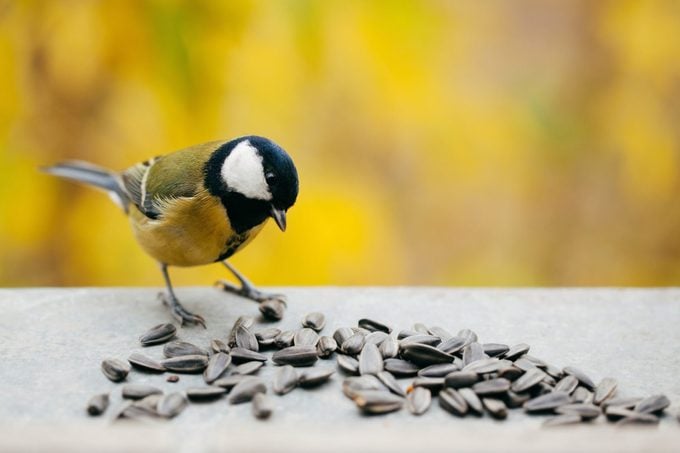
Bird seed blends often include different types of sunflower seeds. Black oil sunflower seeds are common and great for planting. They have thin shells and high germination rates. Striped sunflower seeds also appear in mixes but have thicker shells. They take longer to sprout and may attract fewer birds. Some mixes contain hulled sunflower seeds, which do not grow because the shell is removed. Check the seed type before planting to avoid disappointment.
Quality Factors To Consider
Good seed quality increases the chance of growth. Fresh seeds have higher germination rates. Look for seeds stored in cool, dry places. Avoid seed mixes that look dusty or old. Seeds should be whole, firm, and not broken. High-quality seeds also have fewer fillers like millet or cracked grains. These fillers do not grow and waste space in the soil.
Avoiding Treated Or Coated Seeds
Some bird seeds are treated with chemicals to prevent sprouting or protect birds. These treated seeds will not grow if planted. Avoid seeds with coatings, dyes, or chemicals listed on the package. Organic or untreated seeds are best for planting. Always read the label carefully before buying. Untreated black oil sunflower seeds often come labeled as “raw” or “natural.” These seeds have the best chance to grow into sunflowers.
Germination Potential Of Bird Seed Sunflowers
Sunflower seeds from bird seed mixes often catch the eye of gardeners eager to grow their own bright blooms. But how likely are these seeds to sprout? Understanding the germination potential of bird seed sunflowers can save you time and effort while helping you decide if planting them is worth it.
Viability Of Seeds From Bird Feed
Not all bird seed packs contain seeds that will grow successfully. Many bird seeds are processed or treated to prevent germination, ensuring they remain fresh for birds but not for planting. However, some mixes include raw sunflower seeds that retain their ability to sprout.
If you want to plant sunflower seeds from bird feed, check the seed type on the package. Black oil sunflower seeds typically have better germination potential compared to striped varieties designed for direct consumption by birds.
Factors Affecting Germination Rates
Several conditions influence whether bird seed sunflower seeds will sprout. Age of the seeds plays a crucial role; older seeds tend to lose viability over time. Storage conditions, such as exposure to moisture or extreme temperatures, can also weaken the seed’s ability to germinate.
Another factor is seed coating or treatment, which can inhibit sprouting. Sometimes seeds are chemically treated to prevent growth, so even seeds that look healthy might not germinate. Soil quality, moisture, and temperature when planting also impact success rates.
Testing Seed Viability At Home
Before planting, you can test if your bird seed sunflowers will grow. Take a few seeds and place them on a damp paper towel. Fold the towel over the seeds and keep it in a warm spot.
Check daily for signs of sprouting over 7 to 10 days. If most seeds start to show roots or shoots, you have viable seeds worth planting in your garden. If few or none sprout, it might be better to buy seeds specifically labeled for planting.
Planting Bird Seed Sunflower Seeds
Planting sunflower seeds from bird seed mixes can be a rewarding experience if you know how to give them the right start. These seeds often come pre-packaged for feeding birds, but many are viable for growing sunflowers in your garden. With some care and the right environment, you can enjoy tall, bright sunflowers sprouting from what you might have thought was just bird food.
Preparing Soil For Sunflowers
Sunflowers thrive in well-draining soil that is rich in nutrients. Before planting, loosen the soil to a depth of about 12 inches to allow roots to grow freely. Adding compost or organic matter can improve soil fertility and moisture retention, giving your seeds a better chance to sprout strong.
Check the soil’s pH; sunflowers prefer slightly acidic to neutral soil, around 6.0 to 7.5. If your soil is too compacted or clay-heavy, mix in some sand or perlite to improve drainage. Have you noticed your garden soil drying out quickly or staying soggy? Adjusting soil texture can make a big difference in seedling success.
Optimal Planting Depth And Spacing
Plant bird seed sunflower seeds about 1 to 1.5 inches deep. This depth protects seeds from birds and drying out while still allowing them to break through the soil easily. Shallow planting can lead to poor germination, so be mindful of this small detail.
Space each seed about 6 to 12 inches apart, depending on the sunflower variety you expect to grow. Crowding seeds can stunt growth and increase competition for nutrients. Have you tried spacing seeds differently to see what works best in your garden? Adjusting spacing based on your plant’s growth habit can optimize your sunflower patch.
Watering And Sunlight Requirements
Sunflowers need consistent moisture to germinate but don’t like soggy soil. Water gently after planting and keep the soil moist until you see seedlings emerge. Once established, sunflowers can tolerate dry conditions better, but regular watering will encourage taller, healthier plants.
Sunlight is critical—sunflowers need full sun, at least 6 to 8 hours daily. A spot with morning sun and some afternoon shade may work for hotter climates, but in most cases, more sun means better blooms. How much sun does your chosen location get? This simple factor can determine your success with planting bird seed sunflowers.
Credit: www.familyhandyman.com
Common Challenges And Solutions
Planting bird seed sunflower seeds can be rewarding, but it comes with its own set of challenges. Understanding these common problems and how to address them can save you time and frustration. Let’s look at practical ways to overcome issues you might face while growing sunflowers from bird seed.
Pests And Diseases To Watch For
Bird seed sunflower seeds often attract pests like squirrels, birds, and insects. These visitors might nibble on your seedlings before they have a chance to grow strong.
To protect your plants, try using physical barriers such as garden netting or collars around young stems. Natural remedies like neem oil can help deter insects without harming the plants.
Disease-wise, watch out for powdery mildew and fungal infections, especially in damp conditions. Ensure good air circulation by spacing plants properly and avoid overhead watering to keep leaves dry.
Dealing With Poor Germination
Sometimes, sunflower seeds from bird seed mixes don’t sprout well because they are often treated or old. You might notice fewer seedlings than expected.
To improve germination, soak your seeds in water overnight before planting. This softens the seed coat and encourages sprouting.
Also, plant seeds in warm soil, around 70°F (21°C), and keep the soil consistently moist but not soggy. Have you tried starting seeds indoors for better control over temperature and moisture?
Tips For Healthy Growth
Sunflowers need plenty of sunlight—at least 6 hours a day—to thrive. Make sure your planting spot isn’t shaded by trees or buildings.
Use well-draining soil enriched with compost to provide nutrients. Regularly check for signs of nutrient deficiencies, like yellowing leaves, and add balanced fertilizer if needed.
Support tall sunflower varieties with stakes to prevent them from falling over in wind. Water deeply once or twice a week instead of frequent shallow watering to encourage deep root growth.
Benefits Of Growing Sunflowers From Bird Seed
Growing sunflowers from bird seed offers many benefits for gardeners and nature lovers. This simple method allows you to enjoy beautiful flowers without extra cost or effort. Sunflowers bring life and color to any garden space. They also help support the local environment in several ways.
Cost-effectiveness
Bird seed packets often contain sunflower seeds. These seeds can be planted to grow sunflowers. This saves money because you do not need to buy separate seed packets. It is an easy way to get started with gardening. You get flowers and seeds at a low cost. No special equipment or tools are necessary. Just plant the seeds and watch them grow.
Supporting Local Wildlife
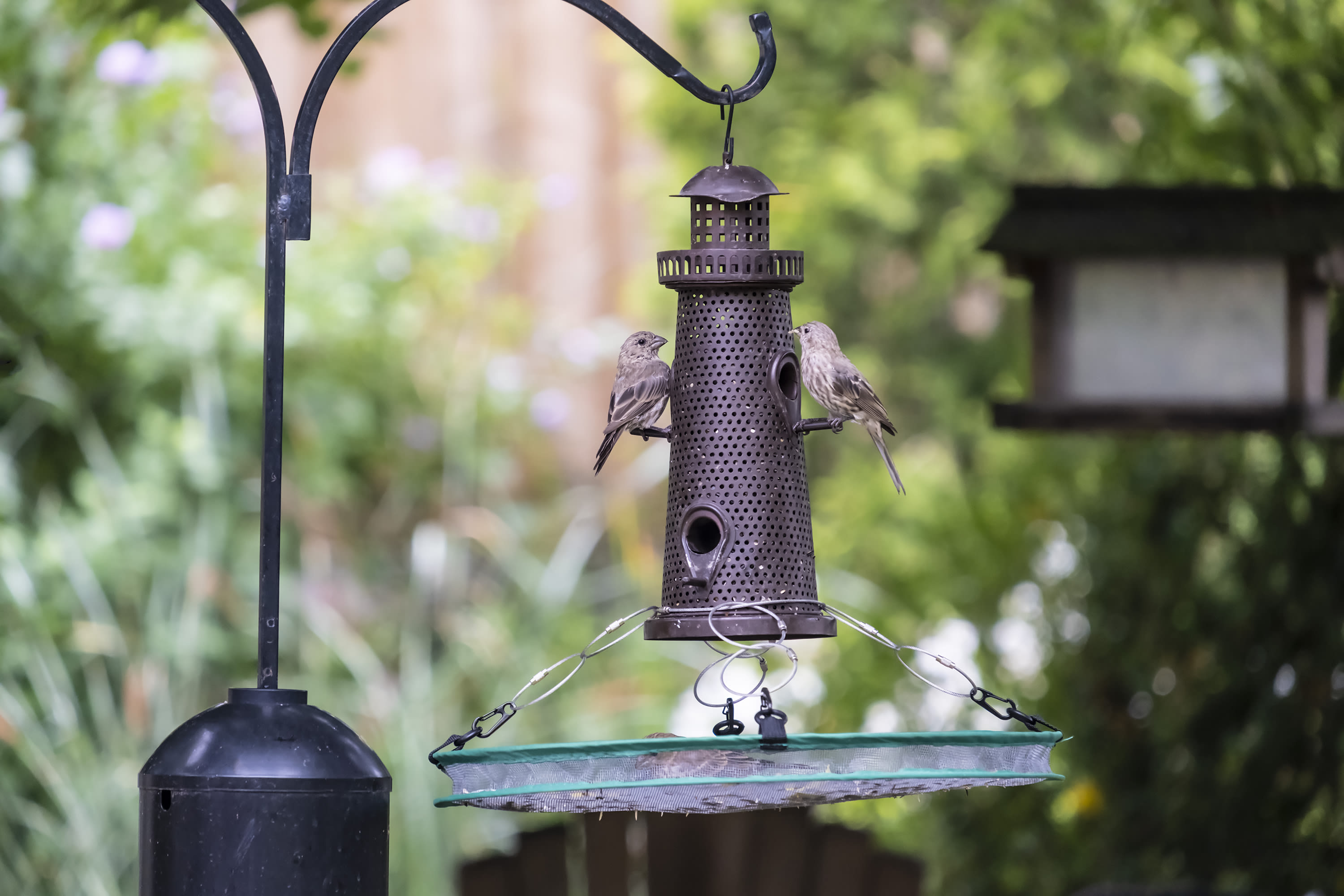
Sunflowers provide food for birds and pollinators. Bees visit the flowers to collect nectar and pollen. Birds enjoy eating sunflower seeds once the flowers mature. By growing sunflowers, you create a natural habitat. This helps local wildlife thrive near your home. Gardens with sunflowers attract more birds and beneficial insects. It supports biodiversity in your area.
Enjoying Homegrown Sunflowers
Homegrown sunflowers brighten your garden with vibrant colors. They grow tall and create a cheerful atmosphere. You can cut fresh flowers for indoor decoration. Watching sunflowers grow gives a sense of satisfaction. Children can learn about plants and nature through sunflower care. Growing your own flowers connects you to the earth. It is a fun and rewarding gardening experience.
Credit: dengarden.com

Credit: www.amazon.com
Frequently Asked Questions
Can You Grow Sunflowers From Bird Seed?
Yes, you can grow sunflowers from bird seed if the seeds are raw and untreated. Avoid seeds with chemical coatings or salt. Plant them in well-drained soil with full sun. Water regularly and expect sprouting in 7-10 days.
Are Bird Seed Sunflower Seeds Good For Planting?
Bird seed sunflower seeds can be good for planting if they are untreated. Seeds meant for birds might be mixed or processed. Check for seed quality and avoid those with additives for successful growth.
How Long Do Bird Seed Sunflowers Take To Grow?
Sunflowers from bird seed usually sprout within 7-10 days. Full bloom happens around 70-100 days after planting. Growth depends on weather, soil, and care. Provide adequate sunlight and water for best results.
What Soil Is Best For Planting Bird Seed Sunflowers?
Sunflowers thrive in well-drained, fertile soil with neutral pH. Loamy or sandy soils are ideal. Avoid waterlogged or heavy clay soils. Adding compost improves nutrient content and drainage for healthy growth.
Conclusion
Planting bird seed sunflower seeds can be a fun and simple way to grow sunflowers. These seeds often sprout well and bring bright flowers to your garden. Choose a sunny spot and water regularly for the best results. Watching sunflowers grow from bird seed adds joy and beauty to any space.
Give it a try and enjoy the natural colors and wildlife it attracts. Gardening with bird seed sunflowers is easy and rewarding for beginners and experts alike.




