
Are you curious about how bird flu is treated and what steps are taken to protect you and your loved ones? You’re not alone.
Bird flu, also known as avian influenza, might sound intimidating, but understanding its treatment can ease your concerns. We’ll unravel the mystery behind how healthcare professionals tackle this virus. You’ll discover the latest treatment methods, preventive measures, and what you can do to stay safe.
So, if you want to be well-informed and prepared, keep reading to find out everything you need to know about treating bird flu effectively.
Credit: sesamecare.com
Symptoms Of Bird Flu
Bird flu is a virus that can infect both birds and people. It spreads quickly among birds and can cause serious illness.
Knowing the symptoms helps in early detection and treatment. Symptoms can vary between humans and birds.
Common Signs In Humans
People with bird flu often have flu-like symptoms. These signs can start a few days after infection.
Signs include fever, cough, and sore throat. Some people may feel tired or have muscle aches.
- High fever
- Cough
- Sore throat
- Muscle pain
- Headache
- Difficulty breathing
- Fatigue
Symptoms In Birds
Birds with bird flu show many signs of illness. The virus spreads fast and can kill birds quickly.
Birds may stop eating and become weak. Some have swollen heads or blue discoloration of skin.
- Sudden death without symptoms
- Swelling of head, neck, or eyes
- Blue or purple discoloration of wattles and comb
- Weakness and lack of energy
- Loss of appetite
- Runny nose or sneezing
- Diarrhea
Credit: www.mypetchicken.com
Diagnosis Procedures
Bird flu, also known as avian influenza, can be serious. Early diagnosis helps doctors treat it correctly.
Doctors use different tests and tools to find out if a person has bird flu. These help confirm the infection and its severity.
Laboratory Tests
Laboratory tests check samples from the patient to detect the bird flu virus. These tests are very important for accurate diagnosis.
Common samples include nasal swabs, throat swabs, or sputum. These samples go to a lab for analysis.
- Rapid antigen tests show quick results but may be less accurate.
- RT-PCR tests detect the virus’s genetic material with high accuracy.
- Virus culture grows the virus from samples to confirm infection.
- Blood tests can check for antibodies that show past infection.
Imaging Techniques
Imaging helps doctors see how bird flu affects the lungs. It shows the extent of infection and damage.
X-rays and CT scans are the main tools. They help identify pneumonia or other lung problems caused by bird flu.
- Chest X-rays show areas of lung infection or fluid buildup.
- CT scans provide detailed images of lung tissue for better assessment.
Antiviral Treatments
Bird flu is a serious illness caused by flu viruses from birds. Doctors use antiviral drugs to help treat it. These medicines stop the virus from growing in the body.
Antiviral treatments work best when given early. They can lower the chance of severe illness and help patients recover faster.
Oseltamivir
Oseltamivir is a common antiviral used to treat bird flu. It blocks the virus from spreading inside the body. Doctors often recommend it for people with bird flu symptoms.
This medicine is taken by mouth as a pill or liquid. It works best if started within two days of symptoms starting.
Zanamivir
Zanamivir is another antiviral option for bird flu. It helps stop the virus from multiplying. This medicine is usually given as an inhaled powder.
People with lung problems should tell their doctor before using zanamivir. It works best when used early in the illness.
Dosage And Duration
Doctors decide the dose based on age and health. Treatment usually lasts five days but can change if needed. Early treatment gives better results.
- Oseltamivir: 75 mg twice daily for five days in adults
- Zanamivir: 10 mg twice daily for five days in adults
- Children get lower doses based on weight
- Doctors may extend treatment for severe cases
Supportive Care
Bird flu treatment mainly focuses on supportive care. This care helps the body fight the infection and recover.
Doctors monitor symptoms closely and provide treatments to ease discomfort and prevent complications.
Hospitalization Needs
Hospitalization may be needed for severe bird flu cases. Patients receive oxygen therapy and fluids to stay hydrated.
- Oxygen support to help with breathing
- Intravenous fluids for hydration
- Medications to reduce fever and pain
- Close monitoring of vital signs
Managing Complications
Complications can happen during bird flu. These include pneumonia and organ failure.
| Complication | Supportive Treatment |
| Pneumonia | Antibiotics and oxygen therapy |
| Organ Failure | Specialized care and monitoring |
| Respiratory Distress | Ventilator support |
Prevention Strategies
Bird flu can spread quickly among birds and humans. Taking steps to prevent it helps keep everyone safe.
Good prevention strategies stop the virus before it causes illness.
Vaccination Options
Vaccines can protect birds from bird flu. Healthy birds are less likely to spread the virus.
Vaccination helps control outbreaks on farms and in wild bird populations.
- Use vaccines approved by health authorities
- Vaccinate birds before flu season starts
- Follow vaccine storage and handling rules
- Keep records of vaccinated birds
Protective Measures For Poultry Workers
Poultry workers face a higher risk of catching bird flu. They must use safety gear at work.
Wearing protective clothes and cleaning hands often reduce the chance of infection.
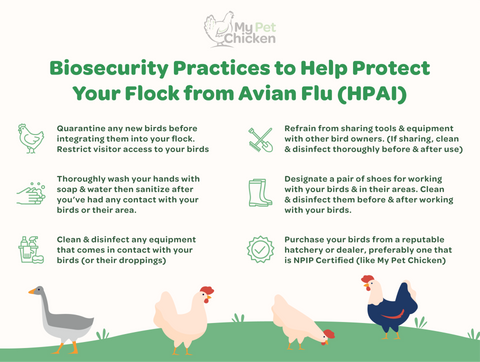
- Wear gloves, masks, and eye protection
- Wash hands with soap after handling birds
- Disinfect tools and equipment regularly
- Avoid touching face during work
- Report any flu symptoms to a doctor quickly
Home Remedies And Myths
Bird flu is a serious illness caused by viruses from birds. People often look for home remedies to treat it. Some ideas are helpful, but others are myths.
This guide explains safe practices at home and clears up common misconceptions about bird flu treatment.
Safe Practices At Home
If you or someone in your home has bird flu, follow these safe practices to reduce the risk of spreading the virus.
- Stay isolated in one room to avoid contact with others.
- Wash hands often with soap and water for at least 20 seconds.
- Wear a mask when near others to block virus droplets.
- Keep surfaces clean using household disinfectants.
- Rest and drink plenty of fluids to support your body.
- Seek medical help if symptoms worsen or breathing is hard.
Common Misconceptions
Many people believe wrong things about treating bird flu at home. These myths can be dangerous and delay proper care.
| Myth | Fact |
| Home remedies alone can cure bird flu | Only doctors can prescribe antiviral medicines that work. |
| Antibiotics kill the bird flu virus | Antibiotics only treat bacterial infections, not viruses. |
| Drinking lots of hot water kills the virus | Hot drinks soothe the throat but do not kill the virus. |
| Bird flu spreads easily like a cold | It spreads mainly through close contact with infected birds or people. |
| Herbs and supplements prevent bird flu | No scientific proof supports herbs as prevention or cure. |
Global Response And Guidelines
Bird flu is a serious disease that affects birds and humans. Countries work together to control its spread. They follow rules from health groups like the World Health Organization (WHO).
These rules help doctors treat patients and stop the virus from spreading. Different governments create policies based on these recommendations.
Who Recommendations
The World Health Organization gives clear advice to manage bird flu cases. They focus on early detection and proper treatment.
- Use antiviral medicines like oseltamivir early in illness.
- Isolate infected patients to avoid spread.
- Wear protective gear when caring for patients.
- Monitor close contacts for symptoms.
- Report cases quickly to health authorities.
Government Policies
Governments create policies to follow WHO guidance. These rules cover treatment, prevention, and public safety.
| Policy Area | Details |
| Treatment | Provide antiviral drugs free in hospitals |
| Quarantine | Isolate patients and monitor contacts |
| Public Awareness | Educate people on bird flu risks and hygiene |
| Surveillance | Track bird flu cases in animals and humans |
| Vaccination | Use vaccines for poultry to reduce spread |

Credit: www.youtube.com
Frequently Asked Questions
What Medicines Are Used To Treat Bird Flu?
Antiviral drugs like oseltamivir and zanamivir treat bird flu effectively. They reduce virus replication and symptoms. Early treatment improves recovery and limits complications.
Can Bird Flu Be Treated At Home?
Mild bird flu cases may be managed at home with rest and fluids. However, medical supervision is essential to monitor symptoms and avoid severe illness.
How Soon Should Bird Flu Treatment Start?
Treatment should begin within 48 hours of symptom onset for best results. Early antiviral use reduces severity and duration of bird flu.
Are Antibiotics Effective Against Bird Flu?
No, antibiotics do not treat bird flu as it’s caused by a virus. Antiviral medications are needed for effective treatment.
Conclusion
Treating bird flu involves quick action and proper care. Doctors often use antiviral medicines to fight the virus. Rest and fluids help the body heal faster. Avoid contact with others to stop the spread. Early treatment improves the chance of full recovery.
Watch symptoms closely and seek medical help if needed. Preventing bird flu is also important—stay away from sick birds and practice good hygiene. Understanding treatment steps can keep you safe and healthy. Stay informed and act fast if bird flu appears.




