
Have you ever wondered what a bird’s beak can tell you about where it lives? That small, often colorful feature holds big clues about a bird’s habitat and lifestyle.
By simply looking at the shape and size of a beak, you can uncover whether the bird thrives in forests, wetlands, deserts, or even your own backyard. Understanding this can make your birdwatching more exciting and help you connect with nature in a whole new way.
Keep reading, and you’ll discover how to decode these natural hints like a pro.
Beak Shapes And Their Functions
Birds’ beaks are like nature’s tools, perfectly shaped for their lifestyle and habitat. By looking closely at a bird’s beak, you can learn a lot about where it lives and what it eats. Each beak shape is a clue to the bird’s daily habits and survival strategies.
Seed Crackers
Seed crackers have short, strong, and thick beaks designed to break open hard seed shells. These birds often live in environments where seeds are abundant, like grasslands or forests.
The finch is a classic example. Its powerful beak lets it crack open tough seeds that other birds can’t. Next time you see a small bird pecking at seeds, notice its sturdy beak—it’s built for this precise job.
Insect Catchers
Birds that catch insects usually have thin, pointed beaks. This shape helps them snatch insects quickly from leaves, bark, or the air.
Think about warblers or flycatchers. Their delicate beaks let them pick insects out of tight spots. If you spot a bird darting around trees or bushes with a sharp beak, it’s likely hunting insects.
Fish Hunters
Birds that eat fish have long, sharp, and sometimes hooked beaks. These beaks help them catch slippery fish and hold onto them firmly.
Herons and kingfishers are good examples. Their pointed beaks pierce the water and grab fish with precision. Spotting a long-beaked bird near water is a strong hint it feeds on fish.
Nectar Feeders
Birds feeding on nectar have long, slender, and curved beaks. This shape fits perfectly into flowers to reach deep nectar.
Hummingbirds are famous for their curved beaks. Their beaks and hovering flight work together to extract nectar efficiently. If you see a bird visiting flowers often, check its beak for this special design.
Scavengers And Predators
Scavengers and predatory birds have strong, hooked beaks to tear flesh. This beak type is essential for feeding on other animals or carrion.
Eagles, hawks, and vultures all have these curved, sharp beaks. They use them to rip meat apart. When you see a bird with a fierce-looking hooked beak, it’s likely a hunter or scavenger in its habitat.
Beak Size And Habitat Clues
Beak size offers valuable clues about where a bird lives and how it survives. Different habitats demand different beak shapes and sizes to help birds find and eat their food efficiently. Understanding these differences lets you guess a bird’s environment just by looking at its beak.
Small Beaks In Dense Forests
Birds living in dense forests often have smaller beaks. These compact beaks help them navigate tight spaces among branches and leaves. Smaller beaks are perfect for picking insects off bark or extracting seeds from tiny pods.
Think about the tiny woodpecker you spotted last autumn. Its small, pointed beak allowed it to tap quickly on tree trunks and catch hidden insects. This shows how small beaks suit forest habitats where precision matters more than strength.
Large Beaks In Open Areas
In contrast, birds in open areas tend to have larger beaks. These beaks help them handle bigger food items like large seeds, fruits, or even small animals. A large beak can also be useful for digging or cracking tough shells.
Imagine a toucan in a tropical open woodland. Its oversized beak isn’t just for show—it helps reach fruit on branches too delicate for the bird to land on. This example highlights how large beaks are an adaptation to open habitats where food can be spread out or harder to access.
Beak Color As A Habitat Indicator
The color of a bird’s beak offers more than just aesthetic appeal; it serves as a vital clue to the bird’s habitat. Different environments influence the pigmentation and shade of beaks, adapting birds for survival and communication within their surroundings. Paying attention to beak color can help you make educated guesses about where a bird lives and thrives.
Camouflage And Environment
Beak color often matches or complements the bird’s habitat, aiding in camouflage. Birds living in dense forests or muddy wetlands tend to have duller, earth-toned beaks like browns and greens. This helps them blend into foliage or muddy waters, making it harder for predators to spot them.
On the other hand, birds in open or rocky areas may have beaks with colors that mirror stones or sand, such as grays or muted yellows. Have you ever noticed how a shorebird’s beak color seems to match the beach? This natural disguise is a smart survival tactic.
Bright Colors And Mating Habits
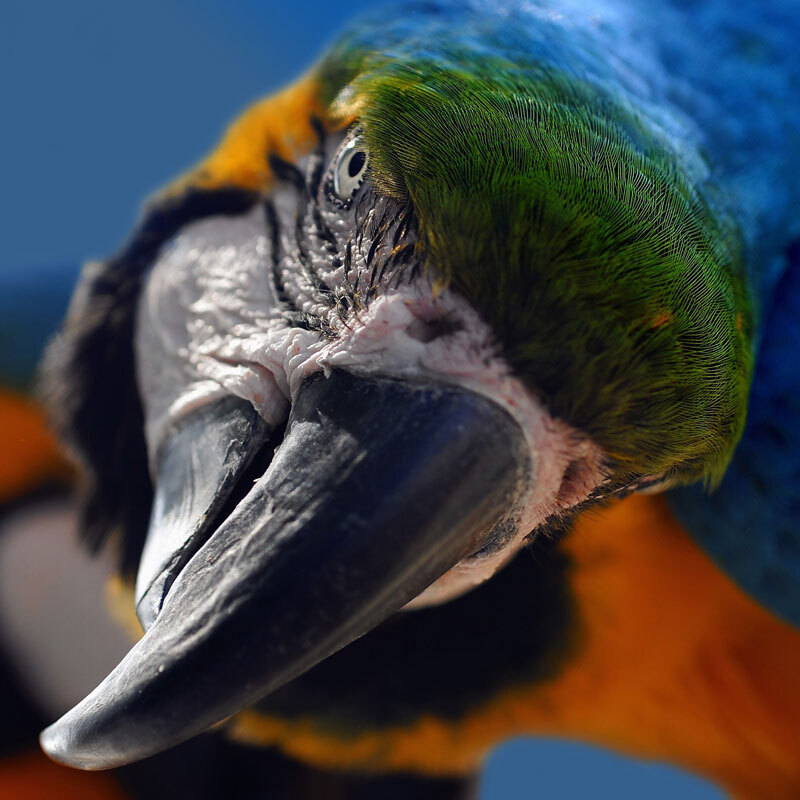
Brightly colored beaks often signal a bird’s health and readiness to mate. In tropical environments, vibrant reds, oranges, and yellows are common and serve as visual signals to attract mates. These bright colors can also indicate the availability of certain pigments in their diet, which ties directly to their habitat.
For instance, flamingos get their pinkish beak tones from carotenoids found in their aquatic food sources. This means a change in beak color can reflect changes in the environment or diet quality. Next time you see a bird with a vivid beak, consider what this might say about its home and lifestyle.
Credit: lafeber.com
Adaptations To Specific Environments
Birds develop beak shapes that fit their environment. These shapes help them find food and survive. Each habitat demands different skills. The beak tells a story about where a bird lives. Adaptations to specific environments show how birds thrive in nature.
Wetland Specialists
Wetland birds often have long, slender beaks. These help them probe mud and shallow water for insects and small fish. Some have wide, flat beaks to filter food from water. Their beaks act like tools to catch prey in soft, wet areas. This helps them feed efficiently in marshes and swamps.
Desert Dwellers
Desert birds have strong, sharp beaks. These allow them to crack seeds and catch insects. Their beaks also help them eat tough plants or fruits. The shape prevents water loss, important in dry areas. A desert bird’s beak is built for tough, dry conditions.
Mountain Birds
Mountain birds have sturdy, pointed beaks. These help them eat insects hiding under bark or snow. Some use their beaks to dig in rocky soil. The beak shape suits cold, harsh climates and rugged land. Mountain bird beaks support survival at high altitudes.
Using Beak Features For Field Identification
Using a bird’s beak features for field identification offers a powerful way to connect what you see with where the bird lives. The shape, size, and texture of a beak often reflect the bird’s diet and environment, giving you clues about its habitat. Paying close attention to these details can turn your birdwatching experience into a fascinating detective game.
Combining Beak And Behavior
Beak features alone tell part of the story, but combining them with behavior reveals much more. For example, a long, slender beak paired with probing motions suggests a bird feeding in mudflats or shallow waters. Watching how a bird uses its beak—whether it’s cracking seeds, catching insects mid-air, or digging into bark—helps you narrow down its habitat.
I once spotted a bird with a thick, conical beak quickly cracking open seeds while hopping among dry bushes. That behavior, combined with the beak shape, confirmed it lived in a dry, scrubby area rather than a lush forest. Observing both traits together sharpens your ability to identify the environment even before checking a guidebook.
Tools For Birdwatchers
Using the right tools enhances your skill in identifying birds by their beaks and habitats. A good pair of binoculars lets you see beak details clearly without disturbing the bird. Field guides with detailed beak illustrations and habitat descriptions help you match what you observe with specific species.
- Carry a notebook to jot down beak shapes and associated behaviors you notice.
- Use mobile apps that allow you to input beak characteristics and get habitat suggestions.
- Practice sketching beaks to train your eye to spot subtle differences.
Have you tried combining these tools with your observations? You’ll find that each bird you identify becomes a puzzle piece in understanding the bigger picture of its ecosystem.

Credit: wildlifenomads.com
Credit: www.newscientist.com
Frequently Asked Questions
How Can A Bird’s Beak Reveal Its Habitat?
A bird’s beak shape and size adapt to its habitat’s food sources. Different beaks suit different environments, like forests, wetlands, or deserts. Observing beak features helps identify where a bird lives and its feeding habits.
Why Do Beak Shapes Vary Among Bird Species?
Beak shapes vary because birds evolve to access specific foods in their habitats. For instance, long, slender beaks suit nectar feeding, while strong, hooked beaks help catch prey. This diversity reflects ecological niches and survival strategies.
Can Beak Size Indicate A Bird’s Diet And Habitat?
Yes, beak size often correlates with diet type and habitat. Larger, stronger beaks crack seeds in dry areas, while thin beaks are common in insect-eating birds in forests. Size helps determine feeding style and environment.
What Beak Features Suggest A Bird Lives Near Water?
Birds near water often have long, pointed or flat beaks for fishing or filtering. Examples include herons with spear-like beaks and ducks with broad, flat bills. These adaptations aid in catching aquatic food.
Conclusion
A bird’s beak shows where it lives and what it eats. Different shapes fit different homes, like forests, deserts, or wetlands. Beak size and form help birds survive in their habitats. Watching beaks gives clues about birds’ daily lives. This simple feature tells a big story.
Knowing this makes birdwatching more fun and meaningful. Next time you see a bird, check its beak. You might guess its habitat right away. Nature’s design is smart and clear.




