
Have you ever stopped to think about what happens when the homes of birds are destroyed? You might be surprised to learn that harming these natural habitats is not just bad for the environment—it could also be against the law.
If you care about protecting wildlife and want to understand your rights and responsibilities, this article is for you. Keep reading to discover whether there are legal protections in place to stop people from damaging the places where birds live and thrive.
Your actions matter more than you think.
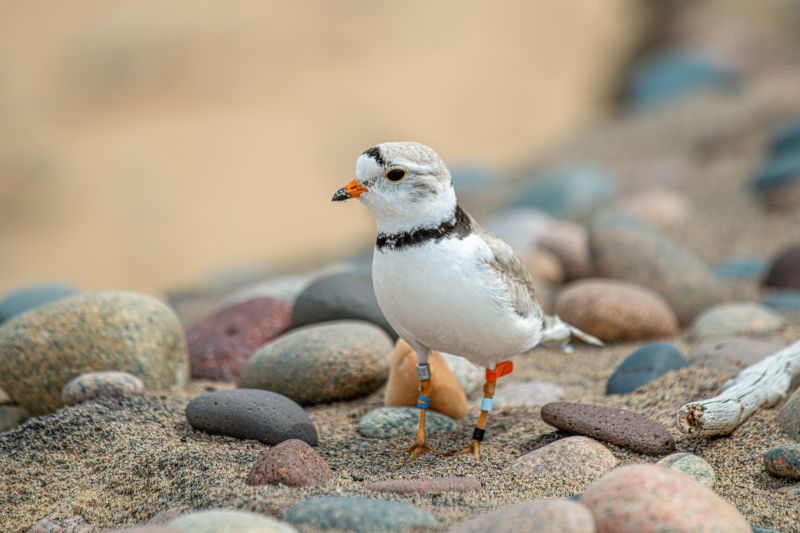
Credit: thenarwhal.ca
Legal Protections For Bird Habitats
Protecting bird habitats is more than just a good idea—it’s often the law. Various legal frameworks exist to prevent damage to the environments birds rely on for survival. Understanding these protections helps you see how seriously governments and organizations treat habitat conservation.
Key Environmental Laws
Several laws in different countries specifically address habitat destruction. In the United States, the Migratory Bird Treaty Act makes it illegal to damage or destroy nests or habitats of migratory birds without a permit. The Endangered Species Act goes further by protecting habitats critical to the survival of threatened or endangered birds.
These laws don’t just protect birds—they safeguard the ecosystems they depend on. If you’re involved in land development or forestry, knowing these laws can help you avoid costly fines or project delays.
International Agreements
Bird habitats don’t stop at borders, and neither do protections. Agreements like the Ramsar Convention focus on preserving wetlands crucial to many bird species worldwide. The Convention on Biological Diversity encourages nations to maintain habitats that support biodiversity, including birds.
Have you ever considered how your actions could impact bird habitats thousands of miles away? These international agreements remind us that habitat protection is a global responsibility.
Local And State Regulations
Beyond national and international laws, local governments often have specific rules about habitat protection. Zoning laws may restrict development in key bird areas, and state wildlife agencies can designate protected habitat zones. These regulations vary widely, so checking local rules before altering land is essential.
Even small changes in your neighborhood can affect bird habitats. By staying informed about local laws, you can play a part in protecting the birds right outside your door.

Credit: www.allaboutbirds.org
Types Of Habitat Damage Covered
Understanding the types of habitat damage covered by laws protecting birds is crucial for anyone interested in conservation or land use. These protections extend beyond just physical destruction and include various ways habitats can be harmed, affecting bird populations deeply. Knowing the specifics can help you recognize and prevent activities that might unintentionally break these laws.
Habitat Destruction
Habitat destruction involves the outright removal or alteration of the natural environment where birds live. This includes cutting down forests, draining wetlands, or converting land for agriculture or urban development.
Such destruction often leaves birds without food, shelter, or breeding grounds. Have you ever noticed how bird populations drop after a large construction project nearby? That’s habitat destruction at work.
Pollution Impact
Pollution damages bird habitats by contaminating water, soil, and air. Chemicals like pesticides, heavy metals, and plastics can poison birds directly or degrade the ecosystems they rely on.
Think about how oil spills affect coastal birds—it’s not just the immediate harm but the long-term damage to their feeding areas. Laws often target these pollution sources to protect bird habitats from being poisoned.
Disturbance And Displacement
Bird habitats can be damaged without physical changes by disturbing or displacing birds from their natural areas. Noise, light pollution, or human presence can stress birds and force them to leave.
Even if the trees remain intact, excessive disturbance can make a habitat unusable. Have you seen how construction noise near nesting sites can cause birds to abandon their eggs? This kind of damage is also covered by habitat protection laws.
Enforcement And Penalties
Enforcement and penalties are crucial to protect bird habitats effectively. Laws alone cannot save these areas without proper monitoring and strict consequences. Authorities must act swiftly against those who harm bird environments. Penalties serve as a warning and help stop future damage.
Government Agencies Involved
Several government agencies oversee habitat protection. The U.S. Fish and Wildlife Service plays a central role. They enforce laws like the Migratory Bird Treaty Act. State wildlife departments also monitor local habitats. Environmental protection agencies ensure compliance with broader regulations. These agencies work together to investigate violations. They conduct site visits and gather evidence. Cooperation between agencies increases enforcement success.
Fines And Legal Consequences
Penalties for damaging bird habitats vary by law and location. Fines can reach thousands of dollars per violation. Criminal charges are possible for severe cases. Offenders may face imprisonment or community service. Courts can order restoration of damaged areas. Repeat offenders usually receive harsher punishments. These measures aim to discourage habitat destruction. They also promote awareness of wildlife protection laws.
Case Examples
- In 2020, a construction company was fined $50,000 for destroying a wetland home to endangered birds.
- A landowner faced legal action after cutting down trees during nesting season, resulting in a $20,000 penalty.
- Illegal dumping in a bird sanctuary led to a court-ordered cleanup and $30,000 fine in 2019.
- In 2021, a developer was prosecuted for ignoring environmental permits, causing habitat loss and paying $75,000 in fines.
These cases highlight the real consequences of harming bird habitats. They show that law enforcement takes habitat protection seriously.

Credit: ca.news.yahoo.com
Rights Of Citizens And Landowners
Understanding the rights of citizens and landowners is key when discussing laws against damaging bird habitats. You might wonder how these rights balance with environmental protections. Knowing your role can help you contribute effectively to bird conservation while respecting property laws.
Public Participation In Conservation
As a citizen, you have the power to get involved in protecting bird habitats. Local conservation groups often welcome volunteers to monitor bird populations or clean up natural areas. Your voice matters when attending community meetings or supporting policies that safeguard wildlife.
Have you ever joined a birdwatching group or helped plant native trees? These small actions create real change. Public awareness campaigns also rely on citizens reporting habitat changes or threats, making your observation skills valuable.
Landowner Responsibilities
Owning land near bird habitats comes with duties. You must avoid activities that destroy nesting sites or disrupt feeding areas. Simple steps like maintaining natural vegetation or creating buffer zones can protect birds without limiting your land use.
Did you know some laws require landowners to get permits before altering certain habitats? Ignorance is not a defense, so staying informed about local regulations is essential. Responsible land stewardship benefits both wildlife and your property’s health.
Reporting Violations
If you notice someone harming bird habitats, you have the right—and perhaps the responsibility—to report it. Contacting local wildlife agencies or environmental hotlines can trigger investigations and enforcement. Your timely report could prevent further damage.
Think about the last time you saw construction near a wetland or heard about illegal logging. Would you speak up? Reporting violations protects the environment and holds offenders accountable. Remember, protecting bird habitats is a shared community effort.
Conservation Efforts And Support
Conservation efforts play a vital role in protecting bird habitats and preventing damage. Many groups work hard to preserve natural spaces where birds live and breed. These efforts help maintain biodiversity and support healthy ecosystems. Support comes from various sources, including communities, nonprofits, and governments. Each one contributes in unique ways to save bird habitats.
Community Programs
Local community programs encourage people to protect bird habitats. They offer education about the importance of birds and their homes. Volunteers plant native trees and clean up parks. These actions create safe spaces for birds to live. Communities also monitor bird populations to track habitat health. Small changes in neighborhoods make a big difference for local wildlife.
Nonprofit Organizations
Nonprofit groups focus on bird conservation through research and advocacy. They work to stop habitat destruction by raising awareness. These organizations often buy land to protect critical bird areas. They provide resources for landowners to create bird-friendly environments. Many nonprofits run birdwatching events to engage the public. Their work helps enforce laws against habitat damage.
Government Incentives
Governments offer incentives to encourage habitat conservation. Landowners may receive tax breaks for preserving natural areas. Grants help fund habitat restoration projects and research. Laws protect endangered bird species and their homes. Public parks and reserves are created for bird protection. These efforts provide legal and financial support to conserve habitats.
Frequently Asked Questions
Is It Illegal To Destroy Bird Habitats?
Yes, many countries have laws protecting bird habitats. Damaging these areas can lead to fines or legal action. Laws aim to preserve biodiversity and prevent species decline.
What Laws Protect Bird Habitats In The Us?
The Migratory Bird Treaty Act prohibits harming birds or their habitats. The Endangered Species Act also protects habitats of threatened birds. Violations can result in penalties and imprisonment.
Can Habitat Destruction Cause Bird Population Decline?
Absolutely. Destroying habitats reduces nesting and feeding sites. This leads to lower reproduction and survival rates, risking bird species extinction.
How Can I Report Illegal Habitat Destruction?
You can contact local wildlife agencies or environmental protection organizations. Many have hotlines or websites for reporting habitat damage. Reporting helps enforce laws and protect birds.
Conclusion
Protecting bird habitats is essential for nature and wildlife. Laws exist to stop damage and keep birds safe. These rules help maintain balance in ecosystems. Everyone can play a part by respecting these laws. Small actions make a big difference for birds’ homes.
Let’s support habitat protection to preserve bird species for future generations. Caring for nature benefits all living things.




