
Imagine stepping outside your door to a backyard alive with colorful birds singing and fluttering all around you. Creating a bird-friendly backyard isn’t just about adding a few feeders—it’s about building a welcoming haven where birds feel safe, find food, and want to stay.
You’ll discover simple, effective ways to transform your outdoor space into a lively bird sanctuary. Ready to attract more feathered friends and enjoy nature up close? Keep reading, and let’s make your backyard a bird magnet!
Credit: dengarden.com
Choosing Native Plants
Choosing native plants is a powerful way to turn your backyard into a thriving habitat for local birds. These plants have evolved with the local environment, offering the food and shelter birds need to survive. By selecting native species, you create a natural ecosystem that supports biodiversity and invites vibrant birdlife right to your window.
Benefits Of Native Species
Native plants provide the right kind of food for local birds, such as seeds, berries, and nectar that they’ve adapted to eat. They also offer shelter and nesting sites that non-native plants often can’t provide. Because these plants are suited to your area’s soil and climate, they usually require less water and care, making your garden easier to maintain.
Have you noticed how certain birds only visit specific plants? That’s because native species produce the insects and fruits those birds rely on. By planting natives, you’re not just adding beauty; you’re creating a bird-friendly environment that supports the entire food chain.
Best Plants For Local Birds
Choosing the right plants depends on your region, but some favorites tend to attract a variety of birds. Consider adding:
- Serviceberry (Amelanchier spp.)– Produces berries loved by thrushes and robins.
- Milkweed (Asclepias spp.)– Supports monarch butterflies and attracts hummingbirds.
- Oak trees (Quercus spp.)– Provide acorns and shelter for many bird species.
- Goldenrod (Solidago spp.)– Attracts insects that birds feed on.
- Sumac (Rhus spp.)– Offers dense cover and berries for winter feeders.
Think about the layers in your garden. Tall trees, mid-level shrubs, and ground cover all add diversity that different birds prefer. Mixing these plants creates a year-round buffet and safe haven for birds.
Credit: dengarden.com
Providing Food Sources
Providing food sources is key to attracting birds to your backyard. Birds need reliable nutrition to visit regularly and thrive. Offering the right kind of food can make your garden a favorite spot for many species.
Natural Vs. Commercial Feeders
Natural food sources like native plants, berries, and seeds create a welcoming environment for birds. They not only provide nourishment but also support local ecosystems. Have you noticed how birds seem more comfortable around natural shrubs and trees?
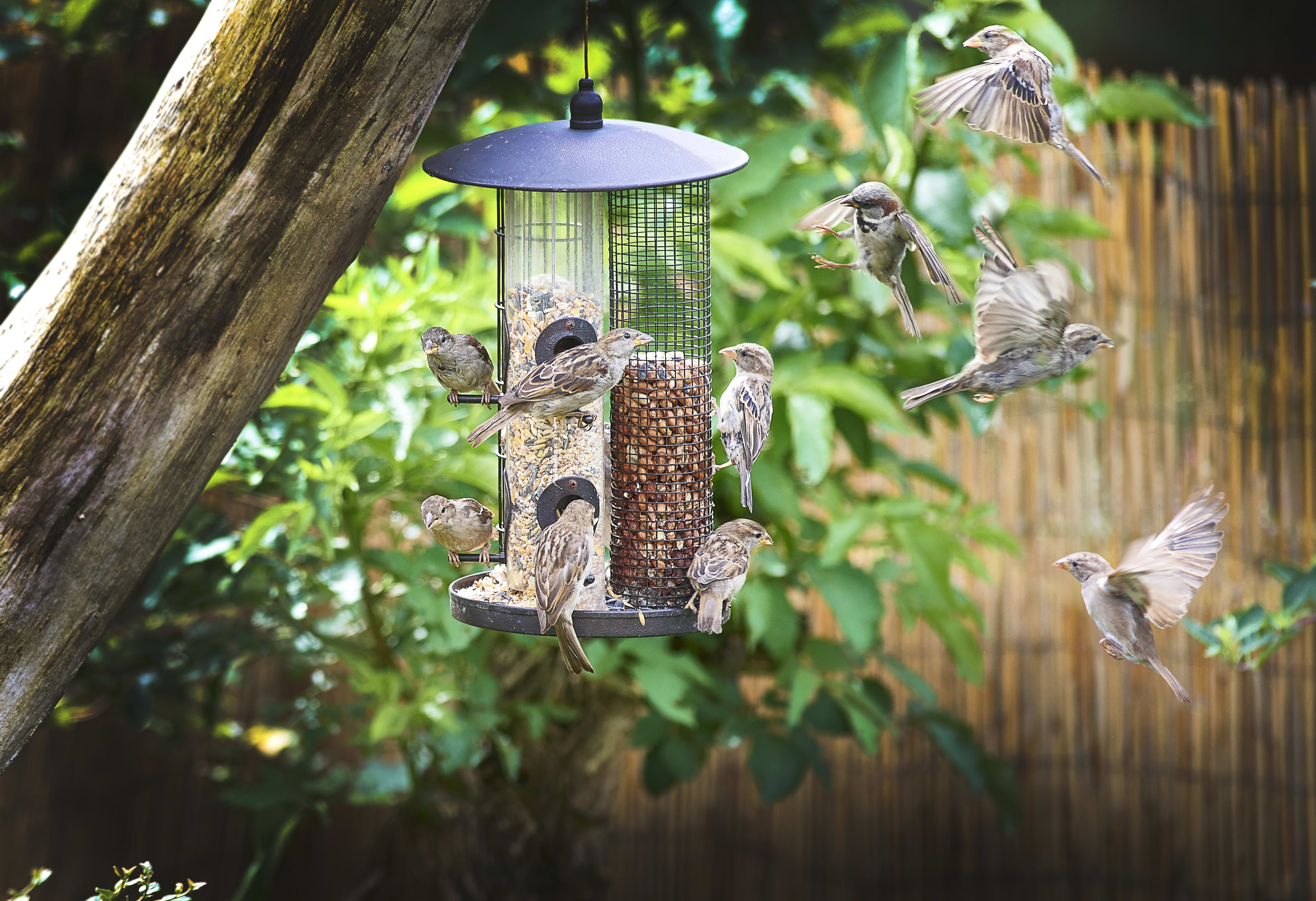
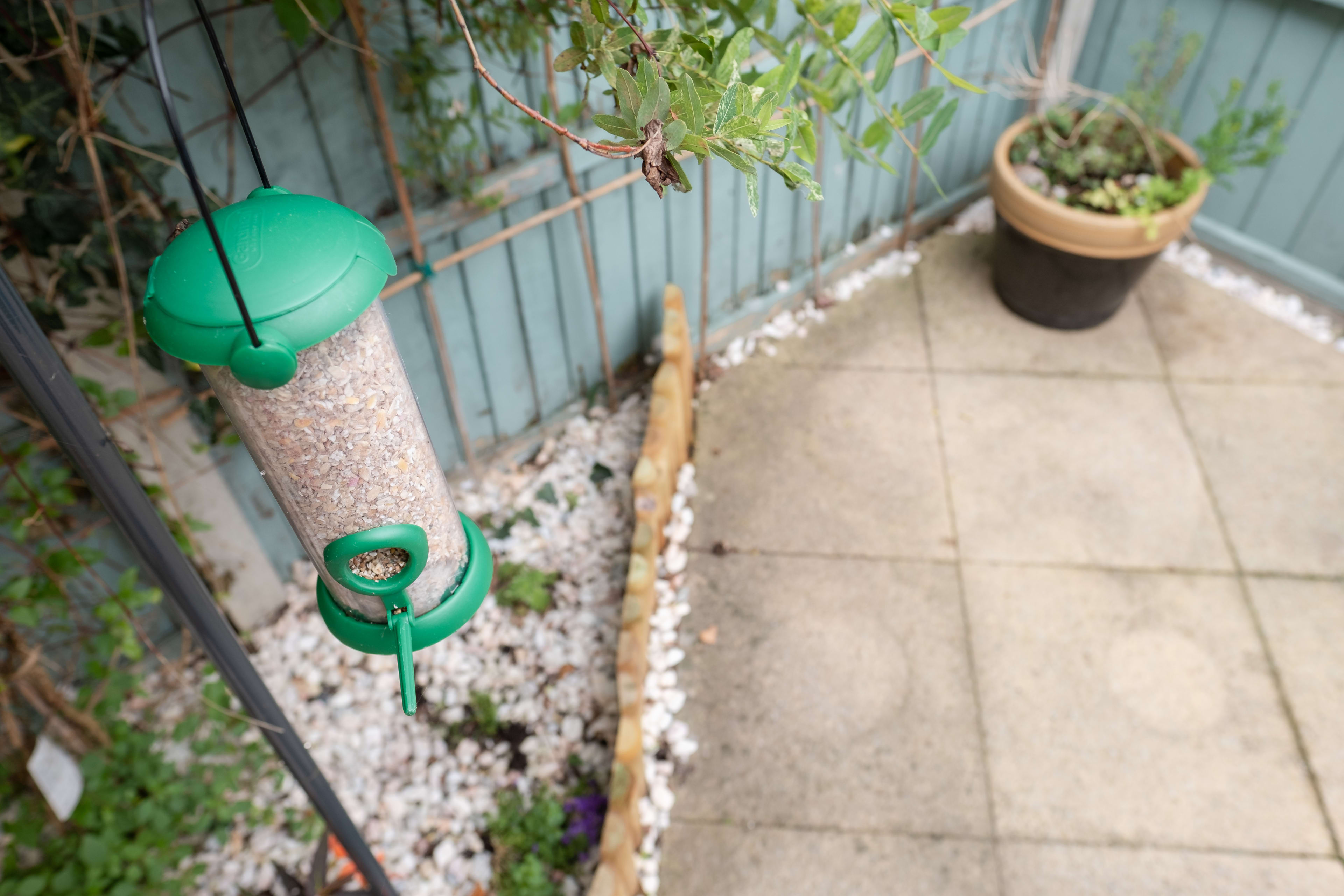
Commercial feeders offer convenience and variety. You can choose from seed feeders, suet cages, nectar feeders, and more. But keep in mind, feeders require regular cleaning to prevent disease. Which type of feeder fits best with your backyard setup?
- Natural food sources:Sunflowers, coneflowers, elderberries
- Commercial feeders:Tube feeders, platform feeders, hummingbird feeders
Seasonal Feeding Tips
Birds’ dietary needs change with the seasons. In spring and summer, insects and nectar become important. You can plant flowering plants or add sugar water feeders to attract hummingbirds and orioles.
During fall and winter, high-energy foods like sunflower seeds and suet help birds survive cold weather. Offering these can keep your backyard lively even in chilly months. Have you tried switching your feed types as seasons change?
| Season | Recommended Foods | Why |
|---|---|---|
| Spring/Summer | Insects, nectar, fruit | Supports breeding and raises young |
| Fall/Winter | Sunflower seeds, suet, nuts | Provides energy and warmth |
Creating Water Features
Adding water features to your backyard instantly attracts birds, giving them a place to drink and bathe. Water also brings life to your garden, creating a peaceful spot for you to enjoy nature. But not all water features are the same—choosing the right type and keeping the water clean makes a big difference in how often birds visit.
Types Of Bird Baths
Bird baths come in many styles, so think about what suits your space and the birds you want to attract. Here are some popular options:
- Shallow Basins:Simple, shallow dishes work well. Keep the water no deeper than 2 inches to keep birds safe and comfortable.
- Pedestal Baths:Elevated on a stand, these keep water away from predators and dirt. They’re easy to clean and look classic in gardens.
- Drippers and Misters:Moving water catches birds’ attention more than still water. A gentle drip or mist can encourage more visits.
- Natural Ponds:If you have space, a small pond with sloping edges lets birds drink and bathe naturally.
Which type do you think fits your backyard best? Sometimes, a simple saucer near flowering plants invites more birds than an elaborate setup.
Maintaining Clean Water
Birds won’t come back if the water is dirty or stagnant. You need to refresh the water regularly—ideally every day or every other day.
Here are some tips to keep water fresh and safe:
- Scrub the bath with a brush to remove algae and dirt.
- Use fresh water instead of stagnant water to prevent mosquito larvae.
- Place baths in shady spots to slow algae growth.
- Consider adding small stones or pebbles for birds to grip and feel secure.
I once noticed birds avoiding my bath after a week of rain because the water was cloudy and full of leaves. After a quick clean and refill, they returned the next day. How often do you check your bird bath?
Building Shelter And Nesting Spots
Create safe, quiet spots using birdhouses or natural materials for birds to rest and raise their young. Placing shelters near trees or shrubs offers protection from weather and predators.
Creating a bird-friendly backyard involves more than just food and water. Birds need safe places to rest and raise their young. Building shelters and nesting spots can attract diverse bird species to your yard. This section provides practical tips to create a welcoming environment for our feathered friends.Safe Nesting Boxes
Nesting boxes are essential for cavity-nesting birds. Choose boxes made from untreated wood. Avoid metal or plastic as they can overheat. Ensure the entrance hole matches the bird species you want to attract. A smaller hole suits chickadees, while larger ones fit bluebirds. Place boxes at least five feet off the ground. This height keeps them safe from predators. Clean the boxes annually to prevent disease and pests.Using Trees And Shrubs
Trees and shrubs provide natural shelter. They offer protection from weather and predators. Opt for native plants that thrive in your region. Dense foliage is ideal for nesting. Consider planting a mix of evergreen and deciduous trees. Evergreens offer year-round cover, while deciduous trees provide summer shade. Add flowering shrubs to attract insects, a vital food source. Maintain the plants to ensure healthy growth. Prune dead branches to encourage new growth.Avoiding Harmful Chemicals
Choosing natural pest control helps keep birds safe and healthy in your yard. Avoid sprays and chemicals that can harm wildlife or damage plants. Creating a chemical-free space encourages birds to visit and thrive.
Creating a bird-friendly backyard is a rewarding endeavor, but it’s crucial to avoid harmful chemicals that can negatively impact the delicate ecosystem. Pesticides and chemical fertilizers can not only harm birds directly, but they also disrupt their food sources. By making conscious choices, you can cultivate a safe haven for your feathered friends.Pesticide Alternatives
Consider natural alternatives to pesticides that won’t harm birds. Neem oil is a great option for controlling pests without toxic effects. You can also introduce beneficial insects like ladybugs and praying mantises to keep pest populations in check. Planting native plants can reduce the need for pesticides, as these plants are often more resistant to local pests. Companion planting, where certain plants are grown together to deter pests, is another effective strategy. For example, marigolds can deter nematodes, and basil can repel flies and mosquitoes.Safe Gardening Practices
You can adopt safe gardening practices to ensure your backyard remains bird-friendly. Start by using compost instead of chemical fertilizers to enrich your soil. Compost not only nourishes plants but also supports a healthy earthworm population, a key food source for many birds. Regularly inspect plants for pest problems to address them early. Hand-picking pests or using a strong spray of water can be effective non-toxic solutions. How often do you consider the impact of your gardening choices on wildlife? Taking small steps to avoid harmful chemicals can make a significant difference in creating a sanctuary for birds. By nurturing a garden that’s safe for them, you’re also fostering a more vibrant and diverse ecosystem in your backyard.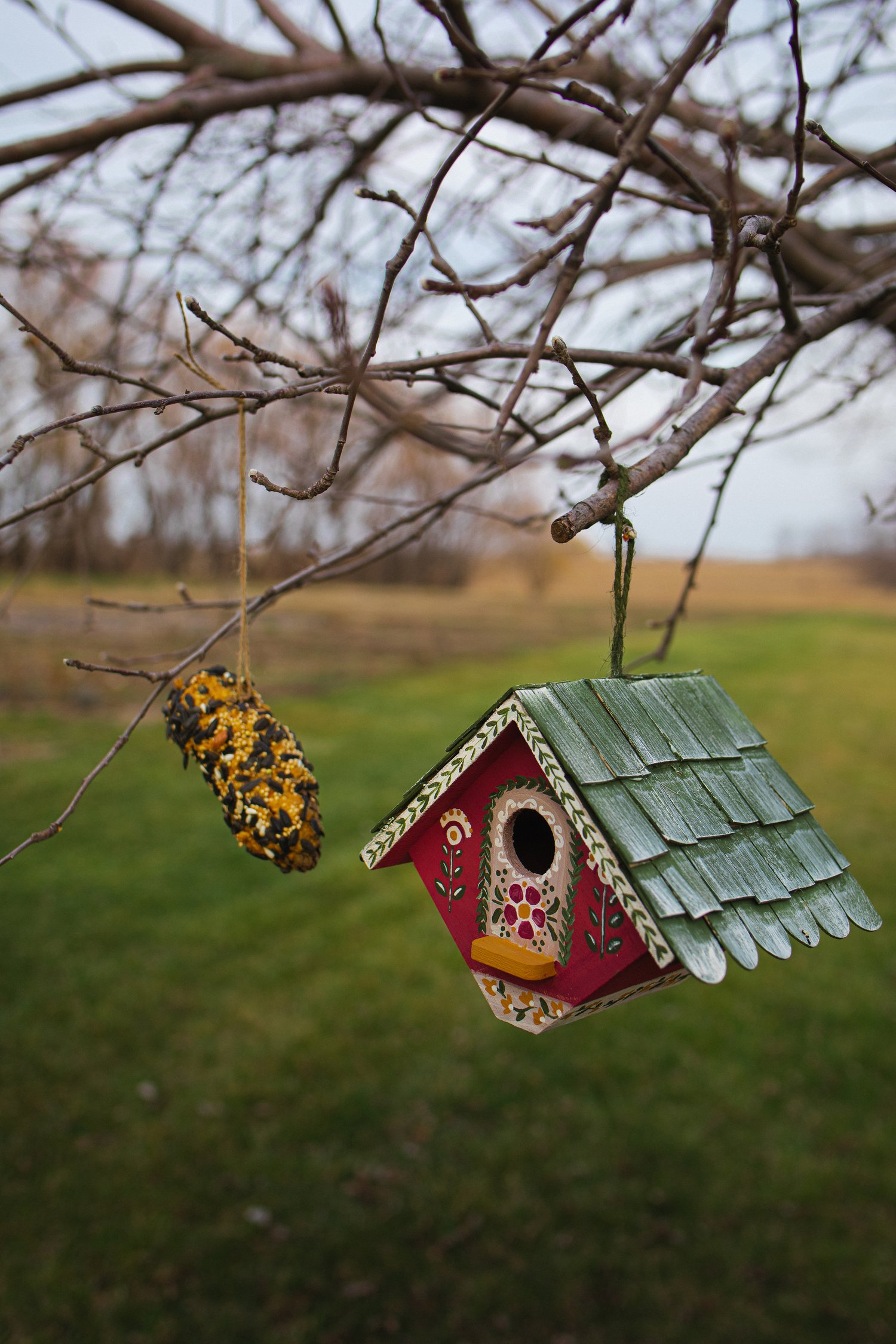
Credit: underatinroof.com
Minimizing Hazards
Creating a safe space for birds means paying close attention to the dangers they face in your backyard. Minimizing hazards not only protects these feathered visitors but also encourages them to return often. By taking simple steps, you can make your outdoor area a much safer haven for birds.
Protecting Birds From Predators
Predators like cats and hawks pose a real threat to backyard birds. To protect your avian friends, keep pet cats indoors or supervise them when outside. Installing dense shrubs or thorny bushes can provide birds with natural hiding spots.
Consider placing bird feeders and baths in open spaces away from places where cats can hide and pounce. Hawks hunt by surprise, so creating a mix of open and sheltered areas will help birds spot danger early. Have you thought about adding a few tall trees or poles where birds can perch safely and watch for predators?
Reducing Window Collisions
Window collisions cause a surprising number of bird injuries and deaths every year. Birds often cannot see glass and may fly right into it. You can reduce this risk by making your windows more visible to birds.
- Use decals, stickers, or tape on the outside of windows to break up reflections.
- Place feeders either very close (within 3 feet) or far away (over 30 feet) from windows to reduce high-speed impacts.
- Install external screens or netting to create a barrier before the glass.
Have you noticed birds hitting your windows? Small changes like these can make a huge difference in keeping them safe and sound.
Encouraging Year-round Visits
Keeping birds visiting your backyard all year can turn your outdoor space into a lively haven. Encouraging year-round visits means understanding what birds need during different seasons and providing those essentials consistently. It’s not just about food; shelter and safety play big roles in making your yard their favorite stop.
Providing Shelter In Winter
Cold weather can be harsh on birds. You can help by adding dense shrubs or evergreen trees where they can hide from wind and predators. Brush piles or woodpiles also offer great protection during snow and ice.
Installing birdhouses insulated against cold temperatures gives birds a warm place to rest. Pay attention to the placement—near shelter but away from heavy human activity. Have you noticed how birds quickly learn to trust areas that keep them safe?
Attracting Migratory Species
Migratory birds travel long distances and need reliable rest stops. Plant native flowering plants and berry-producing shrubs that bloom or fruit at different times of the year. This variety provides food throughout their journey.
Water sources like a small pond or birdbath can attract these travelers. Keep water clean and unfrozen in colder months to maintain their interest. Which migratory birds have you spotted in your area, and what attracted them?
Frequently Asked Questions
What Plants Attract Birds To My Backyard?
Native plants with berries, seeds, and nectar attract birds. Examples include coneflowers, sunflowers, and serviceberry. They provide natural food and shelter.
How Do I Provide Water For Backyard Birds?
Use a clean birdbath with fresh water. Change it daily to prevent mosquitoes. Moving water like a dripper attracts more birds.
Which Bird Feeders Work Best For Backyard Birds?
Tube feeders suit small songbirds. Hopper feeders attract various species. Platform feeders are versatile but need regular cleaning to prevent disease.
How Can I Make My Backyard Safe For Birds?
Avoid pesticides and chemicals. Keep cats indoors or supervised. Provide dense shrubs for shelter and nesting sites to protect birds from predators.
Conclusion
Creating a bird-friendly backyard brings nature close to home. Birds need food, water, and safe places to rest. Plant native trees and shrubs for shelter and food. Clean water sources help birds stay healthy and refreshed. Avoid using chemicals that can harm birds and insects.
Watching birds can bring peace and joy every day. Small changes make a big difference for local wildlife. Start today, and enjoy a lively backyard full of birds.




