
Have you ever wondered how birds find your feeder among all the trees and bushes? It might seem like magic, but there’s a fascinating science behind it.
Understanding how birds locate feeders can help you attract more feathered friends to your yard. You’ll discover the secrets birds use to spot your feeder from afar—and how you can make your feeder impossible to miss. Keep reading to unlock these simple tricks and turn your outdoor space into a bird lover’s paradise.
Birds’ Vision And Navigation
Birds rely on sharp vision and natural navigation skills to find feeders. Their eyes detect colors vividly and spot details far away. Their brain uses memory and natural cues like the sun and Earth’s magnetism. These tools help birds return to food sources accurately and quickly. Understanding these senses reveals why feeders attract birds consistently.
Color Perception And Attraction
Birds see colors better than humans. They can spot ultraviolet light invisible to us. Bright colors like red, yellow, and orange catch their attention easily. Feeders painted in these colors often attract more birds. Birds use color to find ripe fruits and flowers in nature. This natural ability helps them locate feeders quickly.
Use Of Landmarks And Memory
Birds remember landmarks near feeders. Trees, buildings, and unique shapes guide their flight paths. They use these markers to navigate familiar routes. Memory helps them revisit feeders after long flights. Some birds learn the exact location of feeders over time. This skill reduces their search time and energy.
Role Of Sun And Magnetic Fields
Birds use the sun’s position to guide direction during the day. They adjust their flight path based on the sun’s movement. At night or cloudy days, birds sense Earth’s magnetic field. This magnetic sense acts like an internal compass. Together, sun and magnetism ensure birds reach feeders reliably.
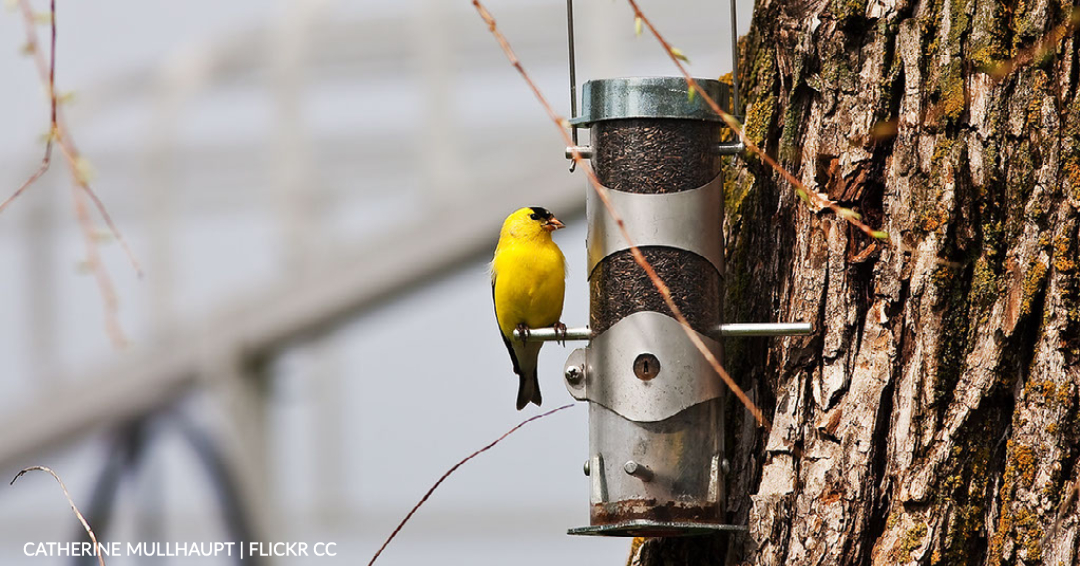
Credit: www.michiganaudubon.org
Feeder Placement Strategies
Choosing the right spot for your bird feeder makes a huge difference in how quickly and often birds find it. Placement is not just about hanging it anywhere outside; it involves understanding birds’ habits and preferences. Let’s look at how you can position your feeder to attract more feathered visitors.
Visibility And Accessibility
Birds rely heavily on sight to locate food sources. Place your feeder where it stands out against the background, such as near open spaces or contrasting colors. Avoid hiding feeders behind dense foliage where birds might miss them.
Accessibility matters too. Ensure birds can easily land and take off from the feeder without obstacles. Clear nearby branches or objects that might block their path or scare them away.
Safe Environment Considerations
Safety is a priority for birds when choosing a feeding spot. Position feeders away from areas with heavy foot traffic or where predators like cats can easily lurk. A spot near shrubs or trees offers quick shelter if danger approaches.
Think about human activity around your feeder. If it’s too close to windows, birds might collide with glass. Adding decals or placing feeders within three feet of a window can reduce this risk.
Seasonal Adjustments
Bird behavior changes with the seasons, so your feeder placement should too. In winter, placing feeders near evergreens provides protection from harsh winds and cold. During spring and summer, shade can keep food fresh and attract species seeking relief from the heat.
Have you noticed birds visiting different spots in your yard throughout the year? Adjusting feeder locations seasonally can keep your garden a favorite stop all year round.
Scent And Sound In Feeder Detection
Birds rely on more than just sight to find feeders. Their sense of smell and ability to detect sounds play important roles in locating food sources. Understanding how these senses work can help you make your feeder more attractive and easier for birds to find.
Olfactory Cues
Birds use their sense of smell to detect food, especially species like vultures and some songbirds. If your feeder has seeds with strong scents or if you add a bit of suet, it can create an aroma that travels through the air. This scent acts like a natural beacon, guiding birds right to your feeder.
Have you noticed certain feeders attracting more birds than others? It might be because of the smell. You can experiment by placing feeders with different seed mixes to see which scents bring more visitors.
Auditory Signals From Feeders
Some feeders produce sounds that birds learn to associate with food. The rustling of seeds or the clinking of a metal feeder can catch their attention from a distance. These noises help birds zero in on the feeder, especially in dense foliage where sight is limited.
Try adding a feeder that makes subtle sounds when birds land or feed. You might find that it draws more birds simply because they hear it and recognize it as a safe feeding spot.
Bird Calls And Social Learning
Birds often communicate about food locations through calls and social behavior. When one bird finds a feeder, its calls can attract others nearby. This social learning means your feeder might become a hotspot as word spreads among local birds.
Next time you watch birds around your feeder, listen closely to their calls. Are they signaling others? Understanding this can help you position feeders where birds are likely to hear and respond to these social cues.
Behavioral Patterns And Habits
Birds have unique behavioral patterns and habits that help them find feeders. Their routines, social interactions, and instincts guide them daily. Understanding these behaviors explains how birds locate food sources efficiently.
Daily Routine And Timing
Birds follow strict daily routines. They often visit feeders early in the morning and late afternoon. These times match their natural feeding habits in the wild. Birds rest during the hottest parts of the day. Returning to feeders fits their energy needs and survival strategies.
Territoriality And Competition
Many birds defend feeding spots from others. Territorial behavior helps secure food access. Stronger birds chase away weaker ones to keep feeders safe. This competition influences which birds visit and when. Some species feed in groups to reduce conflicts.
Learning From Other Birds
Birds watch others to find new feeders. Younger birds learn by following experienced ones. This social learning spreads information quickly. When one bird finds a feeder, others soon join. This habit increases feeder visits and bird diversity around feeders.
Technological Insights And Research
Understanding how birds find feeders has fascinated researchers for years. Thanks to new technologies, scientists can now track bird movements and uncover the secrets behind their navigation. This knowledge helps you improve your feeder setup, making it easier for birds to locate and enjoy your offerings.
Tracking And Monitoring Techniques
Scientists use tiny GPS trackers and radio transmitters attached to birds to follow their flight paths. These devices provide detailed data on how birds move through different environments. With this info, researchers identify the routes birds prefer and how they spot food sources from afar.
Another method involves motion-activated cameras placed near feeders. These cameras record visiting birds and their behaviors, revealing patterns in feeder usage. Combining tracking and video gives a fuller picture of bird navigation and feeding habits.
Recent Discoveries In Bird Navigation
Research shows birds rely on multiple senses to find feeders, including sight, smell, and even the Earth’s magnetic field. Some species use landmarks like trees or buildings as visual guides. Others detect subtle scent cues carried by the wind to zero in on food.
One surprising finding is that birds remember feeder locations and share this information with others. This social learning speeds up feeder discovery in a community. Have you noticed how quickly new feeders attract birds after you put them out?
Implications For Feeder Design
Knowing how birds navigate can help you design feeders that stand out and attract more visitors. Bright colors and reflective surfaces catch birds’ attention from a distance. Placing feeders near natural landmarks or open spaces improves visibility.
Consider adding scent attractants or planting native flowers nearby to create familiar cues. Position feeders at varying heights to cater to different species’ preferences. Simple changes based on research make your feeder a beacon for hungry birds.
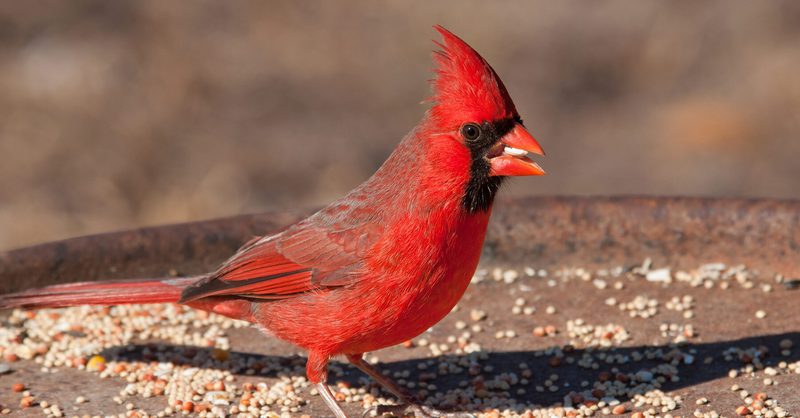
Credit: birdfact.com
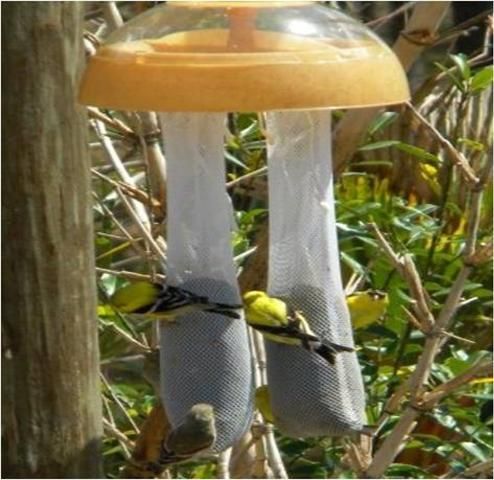
Credit: edis.ifas.ufl.edu
Frequently Asked Questions
How Do Birds Recognize Feeding Spots?
Birds use visual cues like color and shape to identify feeders. Bright colors attract many species. They remember feeder locations through repeated visits, helping them return easily.
Can Birds Locate Feeders By Smell?
Most birds rely more on sight than smell. While some species have a keen sense of smell, feeders are usually found visually from a distance.
Do Birds Use Memory To Find Feeders?
Yes, birds have excellent spatial memory. They remember feeder locations and visit them regularly. This helps them find food quickly and efficiently.
How Far Can Birds See Feeders?
Birds can spot feeders from several hundred meters. Bright colors and open feeder placement improve visibility. Distance varies by bird species and environment.
Conclusion
Birds find feeders using their sharp vision and memory. They spot colors and shapes from far away. Birds also follow sounds or other birds feeding nearby. Placing feeders in visible, quiet spots helps them find food. Understanding these habits makes feeding birds more fun and successful.
Keep feeders clean and filled to attract more visitors. Watching birds at feeders shows nature’s simple wonders every day.




