
Are you tired of birds constantly perching on your Blink cameras, blocking the view and triggering false alerts? It’s frustrating when your security device becomes a favorite spot for birds, making your footage less reliable.
But don’t worry—there are simple, effective ways you can stop this from happening. You’ll discover easy tips to keep birds away from your Blink cameras, so you get clear, uninterrupted security footage every time. Keep reading to protect your investment and enjoy peace of mind.
Why Birds Perch On Blink Cameras
Understanding why birds choose to perch on your Blink cameras is the first step to solving the problem. Birds are naturally drawn to certain spots for resting, scouting, or even nesting. Your camera might seem like just a small device, but to birds, it can be an attractive perch for several reasons.
Attraction Factors
Blink cameras provide an ideal vantage point for birds. They are often placed high up, giving birds a clear view of their surroundings to spot predators or prey. The small ledges and flat surfaces on the camera make comfortable resting spots.
Sometimes, the warmth emitted by the camera’s electronics attracts birds, especially during cooler seasons. Reflective surfaces or the camera’s black or dark color can also mimic natural perches like branches or rocks.
Common Bird Species
Different bird species have different perching habits. Small birds like sparrows, finches, and starlings are frequent Blink camera visitors because they prefer compact, secure spots. Larger birds like pigeons or crows may also perch if your camera is sturdy enough.
Noticing which birds visit your camera can help tailor your approach. For example, sparrows are less deterred by visual scares but dislike sudden loud noises. Knowing the species helps you select the best deterrent.
Impact On Camera Function
Birds perching on your Blink camera can cause more than just an annoyance. Droppings can obscure the lens, reducing video quality and triggering false motion alerts. Nesting materials can block sensors, causing the camera to malfunction.
Repeated bird activity might also damage the camera’s exterior, leading to costly repairs or replacements. Have you ever missed an important security alert because a bird was blocking your camera’s view? That’s a risk worth addressing.

Credit: nesthollow.com
Simple Physical Deterrents
Simple physical deterrents offer effective ways to keep birds from perching on your Blink cameras without damaging the device or harming the birds. These solutions focus on making the camera area uncomfortable or inaccessible for birds, encouraging them to find other spots. You can easily install these deterrents yourself, often with minimal tools and effort.
Using Bird Spikes
Bird spikes are narrow strips with pointed tips that prevent birds from landing. They don’t hurt the birds but make the surface uncomfortable to perch on. Attaching these spikes around the top or edges of your Blink camera creates a physical barrier that birds avoid.
I once installed bird spikes on a ledge near my camera, and within days, the frequent bird visits stopped. They are weather-resistant and easy to cut to size, making them a flexible choice for different camera models.
Installing Bird Wire
Bird wire involves thin, tensioned wires stretched across potential landing spots. Birds find it difficult to balance on these wires, so they avoid the area altogether. This option works well if your camera is mounted on a wider surface or near a ledge where wires can be anchored.
Make sure to space the wires tightly enough to block birds but not so tight that installation becomes tricky. Bird wire is discreet and doesn’t block your camera’s view, which keeps your security clear and effective.
Applying Slippery Surfaces
Adding slippery surfaces, like adhesive gel strips or tapes, makes the area too slick for birds to stand on. These products are transparent and weatherproof, so they won’t affect your camera’s appearance or function. Birds quickly learn to avoid slippery spots after a few failed attempts to perch.
Choose non-toxic options that are easy to apply and replace. I noticed that after applying these strips, the birds stopped landing within a week, giving me peace of mind and clearer camera footage.
Visual And Sound Deterrents
Visual and sound deterrents offer simple ways to keep birds away from your blink cameras. Birds dislike sudden movements, bright reflections, and strange noises. These deterrents create an uncomfortable environment, encouraging birds to find safer spots to perch.
Using visual and sound deterrents can reduce bird activity without harming them. These methods work well around cameras since they don’t block the view or interfere with the device’s function. Here are some effective options to try.
Reflective Objects
Reflective objects scare birds by flashing light and creating movement. Shiny surfaces reflect sunlight and confuse birds, making them avoid the area. Hang small mirrors, aluminum foil strips, or old CDs near your blink camera.
- Move with the wind to catch attention.
- Place at varying heights for better coverage.
- Replace or clean regularly to keep shine.
These objects work best in sunny spots. The quick flashes of light make birds feel unsafe.
Ultrasonic Devices
Ultrasonic devices produce high-frequency sounds that birds find unpleasant. These sounds are usually inaudible to humans. Place the device close to your camera for best results.
- Choose a model designed for bird deterrence.
- Check battery life or power source regularly.
- Test to ensure it does not disrupt other electronics.
Ultrasonic sounds create an invisible barrier. Birds avoid areas with these noises, reducing perching near cameras.
Decoy Predators
Decoy predators trick birds into thinking danger is near. Fake owls, hawks, or snakes can scare birds away. Position these decoys close to your blink camera in visible spots.
- Move the decoys occasionally to keep birds wary.
- Use realistic designs for better effect.
- Combine with other deterrents for stronger results.
Birds naturally avoid predators. Decoys tap into this instinct, making your camera a less attractive perch.
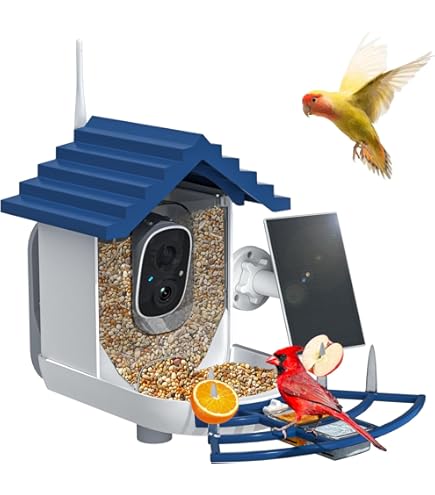
Credit: www.amazon.com
Adjusting Camera Placement
Adjusting the placement of your blink cameras can greatly reduce bird perching. Birds prefer stable, sheltered spots. Placing cameras in less appealing locations helps keep birds away. Thoughtful positioning protects your devices and maintains clear views.
Optimal Mounting Locations
Choose spots with minimal ledges or flat surfaces. Avoid areas near trees or bushes where birds gather. Mount cameras higher on walls or under eaves. Use narrow or angled mounts to prevent birds from landing.
- Place cameras at least 8-10 feet above ground.
- Keep them away from feeding or watering sites.
- Install under sloped roofs or awnings.
- Avoid wide, horizontal surfaces for mounting.
Avoiding Nesting Spots
Birds often build nests on sheltered, quiet structures. Avoid placing cameras near vents, gutters, or rafters. Inspect locations for existing nests before installation. Regularly check cameras and nearby areas for nesting activity.
- Do not mount near sheltered corners or cavities.
- Keep devices away from known bird nesting zones.
- Remove any nests early in the season if safe.
- Choose open, exposed areas with less cover.
Maintenance Tips To Discourage Birds
Keeping birds off your blink cameras needs regular care and attention. Simple maintenance can make your cameras less attractive to birds. These tips help protect your equipment and keep your view clear.
Regular Cleaning
Clean your blink cameras often to remove bird droppings and nests. Dirt and debris attract birds to perch again. Use a soft cloth and mild cleaner. Avoid harsh chemicals that can damage the camera.
Removing Food Sources
Birds gather where food is easy to find. Remove bird feeders or food crumbs near your cameras. Store garbage bins with secure lids. This reduces the chances birds will come close to your equipment.
Trimming Nearby Vegetation
Trim tree branches and bushes near your cameras. Birds use these as resting spots before landing. Keep vegetation short and away from the camera area. This limits places for birds to perch and settle.

Credit: www.amazon.com
When To Seek Professional Help
Persistent bird issues with Blink cameras may need expert advice. Contact a professional if DIY solutions fail.
When birds persistently perch on your Blink cameras, it can become a real headache. DIY solutions might not always work. In some cases, seeking professional help becomes necessary. Here, we explore when to consider reaching out to experts.Persistent Bird Issues
Birds can be relentless. They find the camera a perfect spot. If simple deterrents fail, it’s time to consult experts. Professional help ensures effective long-term solutions. They understand bird behavior and can offer tailored advice. Persistent issues might require advanced deterrents not available in stores.Legal Considerations
Birds are often protected by law. Certain species cannot be harmed or disturbed. It’s crucial to understand local laws before taking action. Professional pest control services are aware of these regulations. They ensure compliance with legal requirements. This prevents potential legal troubles while resolving your bird issues.Hiring Pest Control Services
Professional pest control services offer effective bird management solutions. They use humane and environmentally friendly methods. Hiring experts saves time and effort. It also guarantees better results. Professionals have the right tools and techniques. They assess the situation and implement targeted solutions. This approach minimizes bird-related disruptions effectively.Frequently Asked Questions
How Can I Prevent Birds From Perching On Blink Cameras?
Use bird deterrents like spikes, reflective tape, or ultrasonic devices near your Blink camera. These methods discourage birds without harming them.
Why Do Birds Perch On Blink Cameras Often?
Birds see Blink cameras as safe resting spots. Elevated, stable, and sheltered areas attract them for perching or nesting.
Does Bird Droppings Affect Blink Camera Performance?
Yes, bird droppings can block the lens and sensors, reducing video quality and camera functionality. Regular cleaning is essential.
Are Bird Spikes Safe For Blink Cameras?
Yes, bird spikes are safe and effective. They prevent birds from landing without damaging your Blink camera or harming birds.
Conclusion
Preventing birds from perching on Blink cameras keeps your view clear and safe. Simple steps like using bird spikes or reflective tape work well. Regular cleaning also helps maintain camera performance. Small changes can stop big problems. Keep your camera clean, visible, and free from bird mess.
Enjoy clear footage without interruptions. Protect your investment with easy bird control tips. Your Blink camera will work better and last longer. Try these ideas today for a bird-free camera spot.




