
Have you ever struggled to understand a map because it feels too cluttered or confusing? Looking at a map from a bird’s eye view can change everything.
It helps you see the big picture clearly and find your way faster. You will learn simple tips to master this skill and make your navigation smoother. Ready to unlock the secret to reading maps like a pro? Keep reading, and you’ll never get lost again.

Credit: birdcast.info
Basics Of Bird’s Eye View
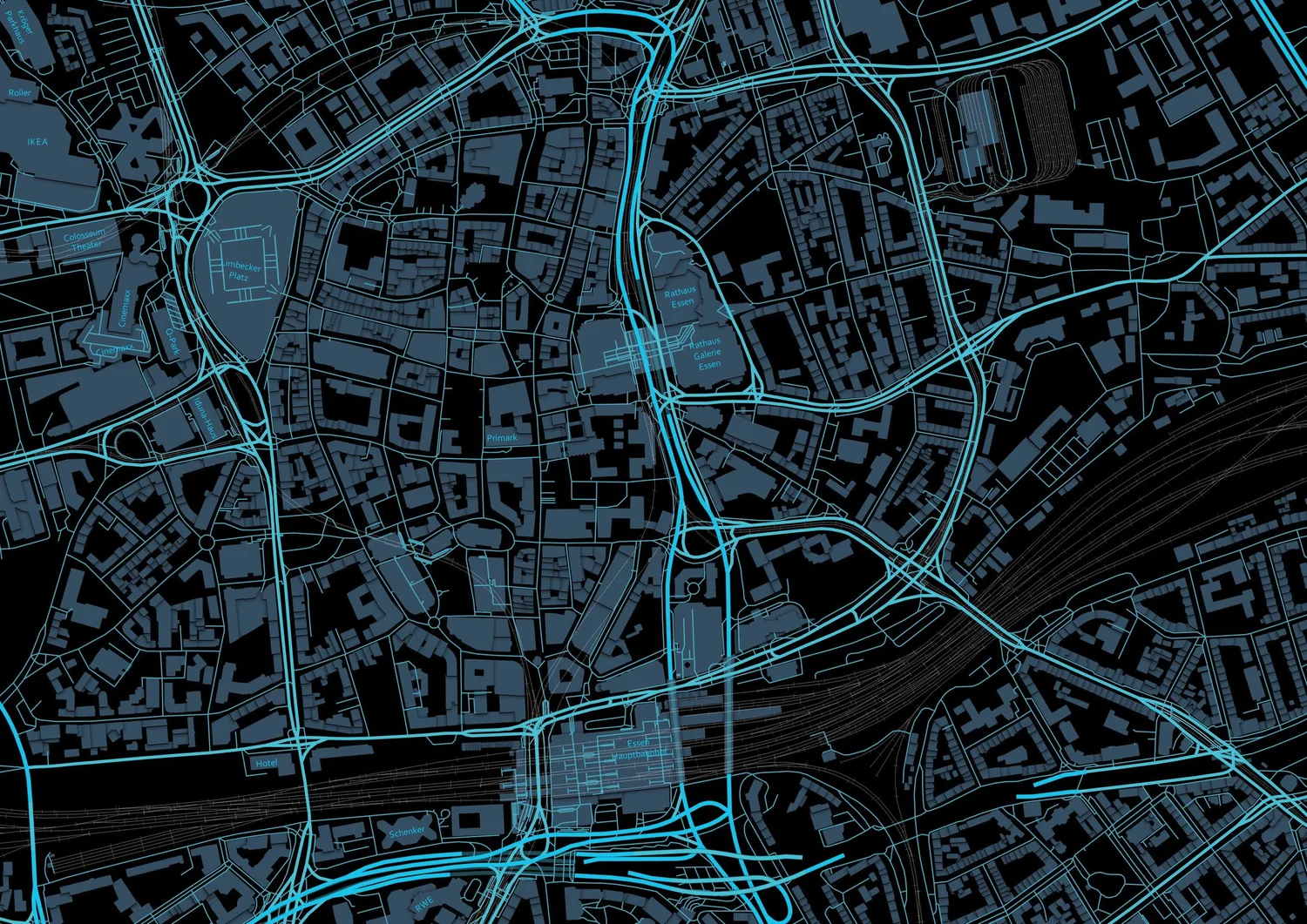
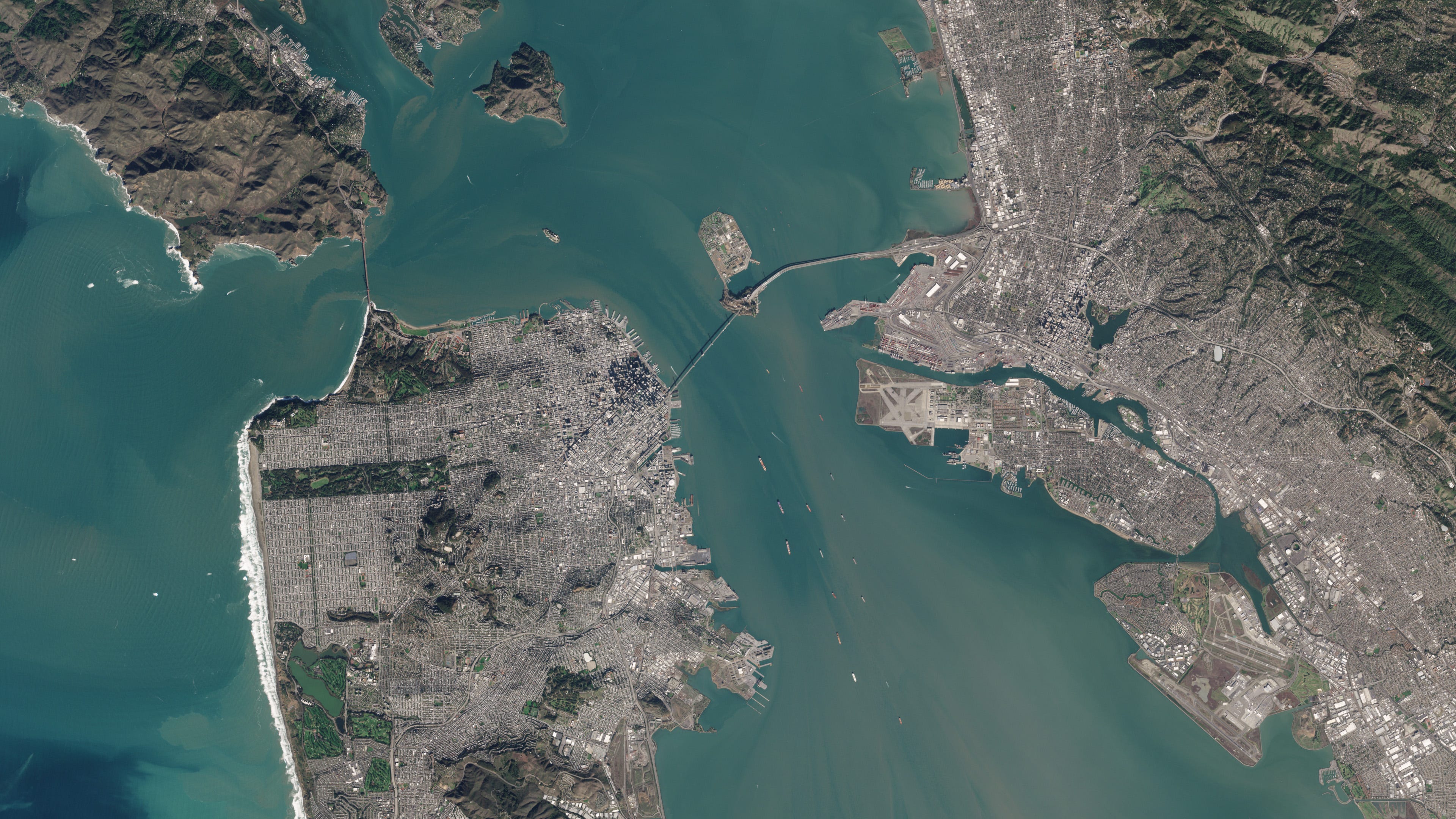
A bird’s eye view shows a map from above. It looks like you are flying over the area.
This view helps people see the layout of places clearly. It shows roads, buildings, and land all at once.
What Is Bird’s Eye View
Bird’s eye view is a way to look at maps from high above. It shows a wide area at the same time.
This view is like looking down from a bird flying in the sky. It helps to see everything in one glance.
Advantages For Navigation
Using a bird’s eye view makes navigation easier. You can find your way without confusion.
This view shows all paths and landmarks clearly. It helps you plan routes and avoid getting lost.
- Shows large areas at once
- Helps find landmarks quickly
- Makes route planning simple
- Reduces chances of wrong turns
Credit: www.birdseyeviewgis.com
Choosing The Right Map
Looking at a map from a bird’s view helps you understand places better. Choosing the right map is key to seeing the whole picture clearly.
This guide explains the differences between digital and paper maps. It also shows what features to check before picking a map.
Digital Vs Paper Maps
Digital maps show locations on screens like phones or computers. Paper maps are printed on sheets you can hold. Each type has its own strengths and limits.
- Digital maps update often with new roads and places.
- Paper maps do not need batteries or internet.
- Digital maps let you zoom in and out easily.
- Paper maps give a full view without screen glare.
- Digital maps can show traffic and weather in real time.
- Paper maps work well in remote areas without signal.
Features To Look For
Good maps have clear signs and details. Look for maps that match your needs and are easy to read from above.
| Feature | Why It Matters |
| Scale | Shows the real distance between places. |
| Legend | Explains symbols used on the map. |
| Clarity | Makes it easy to spot roads and landmarks. |
| Detail Level | Depends on how much you want to see. |
| Updates | Ensures the map shows current information. |
| Portability | How easy it is to carry or access the map. |
Techniques To Master Bird’s Eye Navigation
Looking at a map from a bird’s eye view helps you see the whole area clearly. This view shows the layout of land and features from above.
Using simple techniques can improve how you read and understand maps. These skills help you find places and plan routes easily.
Identifying Landmarks
Landmarks are natural or man-made features that stand out on a map. They help you know where you are and guide your way.
Look for rivers, mountains, buildings, or roads that are easy to spot. These points make navigation simpler and safer.
- Choose tall buildings or towers
- Find rivers or lakes
- Spot bridges or highways
- Look for parks or open spaces
Using Grid Systems
Grid systems divide maps into squares or rectangles. Each square has a code, like letters and numbers, to locate places quickly.
By using grid references, you can pinpoint exact spots. This makes reading large maps easier and faster.
- Find the letter on the side of the map
- Find the number on the top or bottom
- Match both to locate the square
- Look inside the square for details
Recognizing Scale And Distance
The scale shows how much the map is reduced from real life. It helps you measure distances between points.
Use the scale to plan your route and estimate travel time. Understanding distance prevents getting lost or surprised.
- Check the scale bar on the map
- Use a ruler or finger to measure
- Convert map distance to real distance
- Plan your path based on distance
Tools To Enhance Map Reading
Looking at a map from a bird’s view can be tricky without the right tools. These tools help you understand directions and locations better. They give you clear information and improve your map reading skills.
Using technology and simple devices, you can make map reading easier and faster. Below are some useful tools that work well with maps.
Compass Integration
A compass shows directions like north, south, east, and west. It helps you know which way you face on the map. Some modern maps come with built-in compass features for better orientation.
- Helps find true north on any map
- Works without batteries or internet
- Improves accuracy in navigation
- Easy to carry and use outdoors
Gps And Apps
GPS devices and apps use satellites to find your exact location. They show your position on the map and guide you step-by-step. Many apps update maps in real-time for better details.
| Feature | Benefit |
| Real-time location | Know exactly where you are |
| Route planning | Find the best path to your destination |
| Offline maps | Use maps without internet |
| Voice navigation | Get spoken directions |
Augmented Reality Options
Augmented reality (AR) adds map details over your camera view. This tool helps you see buildings, streets, and landmarks in real space. AR makes it easier to connect the map with your surroundings.
Common AR map features include:
- Overlaying street names on live camera feed
- Showing directions with arrows in real view
- Highlighting points of interest nearby
- Interactive guides for walking or driving
Common Challenges And Solutions
Looking at a map from a bird’s eye view can be tricky. You need to understand the layout and details well. Some challenges make this harder.
This guide talks about common problems and easy ways to fix them. It helps you read maps better and faster.
Dealing With Map Orientation
Maps may not always face the direction you expect. This can confuse you about where things are. It is important to know how to adjust.
Use the compass rose or north arrow on the map. Turn the map or your device so that the arrow points north. This helps match the map to the real world.
- Find the north arrow on the map
- Rotate the map to align with north
- Use landmarks to confirm direction
- Check your own position often
Handling Complex Terrain
Some maps show hills, forests, or rivers. These features can be hard to understand from above. They may block your view or change distances.
Look for contour lines and symbols. Contour lines show height changes. Symbols mark trees, water, or roads. This helps you see the real shape of the land.
- Read contour lines for hills and valleys
- Use symbols to spot natural features
- Estimate distance by following paths
- Use layers or filters on digital maps
Overcoming Visual Clutter
Maps often have many lines, colors, and icons. This can make it hard to find what you need. Too much detail can slow you down.
Focus on the most important parts first. Hide or ignore less useful information. Zoom in or out to see more or less detail.
- Zoom in to see details clearly
- Hide layers that are not needed
- Use color codes to group features
- Focus on your route or area of interest
Credit: medium.com
Practical Exercises To Improve Skills
Looking at a map from a bird’s eye view helps you understand the area better. Practice makes it easier to recognize landmarks and plan routes.
This guide offers simple exercises to improve your map reading skills. Use these activities to gain confidence and see the big picture.
Practice With Local Maps
Start with maps of places you know well. Study streets, parks, and buildings from above. Try to match map features with what you see around you.
- Choose a neighborhood or town map.
- Identify key landmarks like schools and stores.
- Trace routes you often walk or drive.
- Visualize how areas connect from the top view.
Simulated Navigation Drills
Practice navigating using a map without leaving your home. Imagine moving from one point to another and plan the best path.
| Scenario | Task | Goal |
| City Park | Find shortest path to playground | Improve route planning |
| Shopping Area | Locate three stores in a row | Enhance landmark recognition |
| Train Station | Plan exit routes to nearby streets | Build spatial awareness |
Group Navigation Activities
Work with others to practice map reading. Share observations and check each other’s routes. Group activities help you learn faster.
- Pick a local map and set a start and end point.
- Each person draws their route on the map.
- Discuss the different paths and reasons for choices.
- Walk or drive the route to test accuracy.
Frequently Asked Questions
What Is A Bird’s Eye View Map?
A bird’s eye view map shows an area from above, like a flying bird’s perspective. It helps users see layouts and relationships clearly. This view aids in navigation, planning, and understanding spatial arrangements quickly and effectively.
How Do I Interpret Bird’s Eye View Maps?
To interpret these maps, focus on landmarks, scale, and orientation. Notice how buildings and roads are depicted from above. Use the map’s legend to identify symbols. Understanding these elements helps you grasp the area’s layout and navigate with ease.
Why Use Bird’s Eye View For Navigation?
Bird’s eye views provide a clear overview of large areas. They reveal routes and landmarks that aren’t obvious in street-level maps. This perspective improves spatial awareness, making it easier to plan paths and understand the environment quickly.
Can Bird’s Eye View Maps Show Real-time Changes?
Some bird’s eye view maps can update in real-time using satellite or drone data. This helps track changes like traffic, construction, or events instantly. Real-time updates improve decision-making during navigation and planning.
Conclusion
Exploring maps from a bird’s view offers new perspectives. It makes navigation easier. Different map tools can enhance your understanding. Practice using these tools regularly. Familiarize yourself with map legends and symbols. This helps in quick interpretation. A bird’s view helps in planning efficient routes.
It saves time in travels. Always double-check your route for accuracy. This ensures you reach your destination smoothly. Keep maps updated for the best results. Enjoy the journey and the sights along the way.




