
Have you ever wondered where the bird seeds you scatter in your garden actually come from? Understanding the origin of bird seeds can change the way you feed your feathered friends.
When you know what goes into those tiny seeds, you can make smarter choices that attract more birds and keep them healthy. Let’s dive into the fascinating world behind your bird seed bag and discover the journey it takes before reaching your backyard.
You’ll never look at bird feeding the same way again.

Credit: birdsupplies.com
Sources Of Bird Seeds
Bird seeds come from various natural and farmed sources. These seeds are carefully collected and processed to feed wild and pet birds. Understanding where bird seeds originate helps us appreciate the variety and quality available in the market. The main sources include wild plants, agricultural farms, and imported seed varieties. Each source offers different types of seeds suitable for many bird species.
Wild Plant Origins
Many bird seeds come from wild plants growing naturally in forests, fields, and meadows. Plants like sunflowers, millet, and thistle produce seeds birds love. These seeds are often gathered from natural habitats during harvest season. Wild seeds tend to be rich in nutrients and attract a wide range of birds. Collecting seeds from wild plants supports bird feeding without heavy farming.
Agricultural Production
Agriculture plays a big role in producing bird seeds. Farmers grow crops such as corn, sorghum, and safflower specifically for bird food. These seeds are harvested in large quantities and cleaned to remove debris. Farming ensures a steady supply of seeds all year round. Seed farms often use safe methods to keep seeds healthy and free from chemicals.
Imported Seed Varieties
Some bird seeds come from other countries with different climates and plants. Imported seeds like nyjer, hemp, and canary seed add variety to bird diets. These seeds are shipped worldwide to meet demand. Importing allows bird lovers to offer rare and nutritious seeds. It also supports biodiversity in bird feeding options.

Credit: www.reddit.com
Common Seeds In Bird Feed
Bird feed is made up of various seeds that attract different species. Knowing the common seeds helps you choose the right mix for your feathered visitors. These seeds come from plants grown in fields, harvested, cleaned, and packaged specifically for bird consumption.
Sunflower Seeds
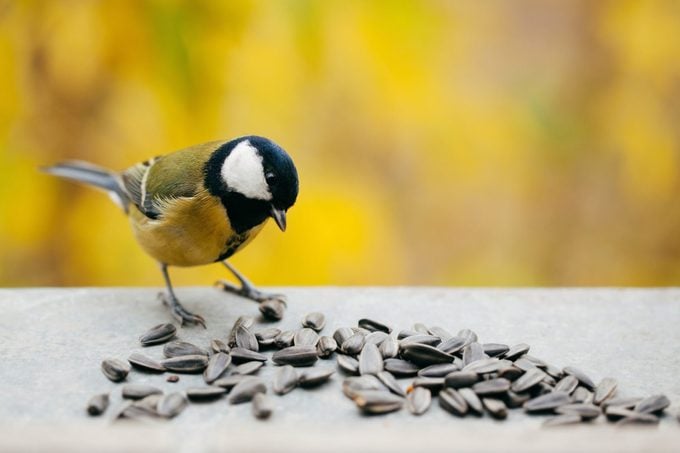
Sunflower seeds are a favorite among many birds. They come in two main types: black oil sunflower seeds and striped sunflower seeds. Black oil seeds have thinner shells, making them easier for small birds to crack open, while striped seeds are larger and tougher, preferred by bigger birds.
You might notice more cardinals and chickadees visiting your feeder when you add sunflower seeds. Their high oil content provides excellent energy, especially during colder months. Have you ever wondered why these seeds attract such a wide variety of birds?
Millet And Sorghum
Millet and sorghum are small, round seeds commonly found in bird mixes. Millet is especially popular with ground-feeding birds like sparrows and doves. Sorghum, also known as milo, attracts larger birds such as pigeons and quail.
These seeds are affordable and easy to store, making them a practical choice for many bird watchers. Including millet and sorghum can diversify the types of birds visiting your yard. Do you want to attract more ground feeders to your garden?
Nyjer And Thistle
Nyjer and thistle seeds are tiny and rich in oil, perfect for finches. Nyjer seeds, often mistakenly called thistle, actually come from a type of plant called Guizotia abyssinica. Thistle seeds come from the milkweed family and have a similar appeal.
These seeds require special feeders with small holes to prevent spillage. If you’ve ever seen a flock of goldfinches or siskins, you know how much they love nyjer. Have you tried adding nyjer to your feeders to see a burst of colorful finches?
Seed Harvesting Methods
Seed harvesting methods play a crucial role in the quality and availability of bird seeds. How these seeds are collected affects their freshness, nutritional value, and even the variety you find at your local store. Understanding these methods helps you appreciate the journey of every seed from field or forest to your bird feeder.
Wild Harvesting Techniques
Wild harvesting involves collecting seeds directly from natural habitats. This method relies on local knowledge of plant cycles and habitat conditions. Harvesters often gather seeds by hand or use simple tools, ensuring minimal disturbance to the environment.
Many wild seeds come from grasses, weeds, and native plants that birds naturally feed on. For example, milkweed pods are carefully picked once they start to dry, releasing fluffy seeds perfect for finches. Have you ever wondered how those tiny sunflower seeds end up in your backyard feeder? They might have been gathered from wild sunflower fields.
Wild harvesting requires patience and timing. Too early, and seeds might be immature; too late, and they can scatter or degrade. This method supports biodiversity but depends heavily on seasonal variations and weather conditions.
Commercial Farming Practices
Commercial farming of bird seeds focuses on growing specific plants in controlled environments. This approach guarantees a steady supply of seeds like millet, sunflower, and safflower. Farmers use machinery to plant, tend, and harvest crops efficiently on large scales.
Harvesting is often done using combines or specialized seed harvesters that separate seeds from stalks in one pass. This method saves time and reduces labor costs but requires investment in technology. After harvesting, seeds go through cleaning and drying processes to enhance quality and shelf life.
Commercial farming allows you to find consistent seed types year-round. It also opens the door for seed blends tailored to attract certain bird species. Could the convenience of commercial seeds outweigh the benefits of wild-collected varieties in your feeding routine?
Credit: www.familyhandyman.com
Processing And Packaging
The journey from raw seeds to the bird seed you buy involves careful processing and packaging to ensure quality and appeal. This stage is crucial because it guarantees that the seeds are safe, clean, and tailored to meet the needs of different bird species. Understanding what happens during processing can help you appreciate the effort behind each bag and make smarter choices for your feathered visitors.
Cleaning And Sorting
Before seeds reach your feeder, they go through a thorough cleaning process. Machines remove dust, dirt, broken shells, and any small stones mixed in with the seeds. This step ensures that the seeds are pure and safe for birds to eat.
Sorting follows cleaning, where seeds are separated by size and type. This is important because birds prefer certain seed sizes, and sorting helps create a consistent mix. Have you ever noticed how some seeds in a mix look fresher or bigger? That’s the sorting at work, keeping the best seeds together.
Blending For Bird Preferences
After cleaning and sorting, seeds are blended into mixes that cater to specific bird species or feeding habits. For example, sunflower seeds appeal to many songbirds, while millet is favored by smaller ground-feeders. Producers often combine different seeds in precise ratios to attract a variety of birds.
This blending is not random; it’s based on research and feedback from bird watchers and experts. Think about your local birds—do you know what seeds they prefer? Choosing a blend that matches their preferences can make your feeding station a favorite spot in your neighborhood.
Sustainability And Ethical Sourcing
Understanding where bird seeds come from goes beyond just identifying their ingredients. It’s equally important to consider how these seeds are grown and harvested. Sustainability and ethical sourcing ensure that the environment and the farmers behind your bird feed are respected and supported.
Environmental Impact
The way bird seeds are produced can either harm or help the planet. Conventional farming often relies on pesticides and heavy water use, which can damage local ecosystems. Choosing seeds from farms that use sustainable practices means less pollution and healthier soil.
Have you ever wondered how your choice of bird seed affects local wildlife? Sustainable farming supports biodiversity by avoiding chemical runoff that harms nearby plants and animals. It’s a small action with a big ripple effect for nature.
Fair Trade And Organic Options
Fair trade bird seeds guarantee that farmers receive fair wages and work in safe conditions. This ethical approach helps improve the lives of communities that depend on agriculture. When you pick fair trade, you support transparency and fairness in the supply chain.
Organic bird seeds are grown without synthetic fertilizers or pesticides. This protects both the environment and the health of the birds you feed. Next time you shop, look for certifications that confirm these standards—your feathered friends and the planet will thank you.
How Seed Origins Affect Bird Health
Understanding the origin of bird seeds is essential for bird health. Seeds sourced from clean, natural environments ensure birds receive high-quality nutrition. Poor quality seeds can harm birds, affecting their well-being. Knowing where seeds come from helps in choosing the best for our feathered friends.
Understanding where bird seeds come from is crucial for ensuring the health and well-being of our feathered friends. The origin of these seeds can significantly impact the nutrition and safety they provide. Let’s dive into how seed origins affect bird health and what you can do to make informed choices.Nutritional Differences
Bird seeds are sourced from various regions, each offering a unique nutritional profile. For instance, seeds grown in mineral-rich soils often contain higher levels of essential nutrients. This can enhance the vitality of birds, supporting their energy levels and overall health. When buying bird seeds, check for origin labels. Seeds from reputable regions are more likely to offer balanced nutrition. Have you noticed a change in birds’ activity after switching to seeds from a different source?Avoiding Contaminants
The origin of bird seeds also plays a role in their safety. Some regions may have higher levels of pesticides and chemicals. These contaminants can be harmful if ingested by birds over time. Choosing organic seeds or those certified free from harmful substances can reduce these risks. Always read packaging labels and choose seeds that prioritize purity. Have you ever thought about the unseen dangers lurking in unregulated bird feed? By understanding the origins of bird seeds, you can make choices that boost the health of the birds visiting your garden. Investing a little time in research can make all the difference for your feathered visitors.Frequently Asked Questions
Where Are Bird Seeds Sourced From?
Bird seeds come from farms growing sunflowers, millet, safflower, and nyjer. These farms harvest and clean seeds specifically for bird feed.
How Are Bird Seeds Processed Before Sale?
After harvesting, seeds are cleaned, sorted, and sometimes roasted. This ensures seeds are safe and attractive for wild birds.
What Types Of Plants Produce Common Bird Seeds?
Sunflowers, millet, sorghum, and thistle plants are common seed sources. Each plant produces seeds favored by different bird species.
Do Bird Seeds Come From Organic Farms?
Yes, some bird seeds are grown on organic farms. These seeds are free from synthetic pesticides and chemicals.
Conclusion
Bird seeds come from many plants grown around the world. Farmers harvest and clean these seeds carefully. Birds enjoy different seeds like sunflower, millet, and safflower. Knowing where seeds come from helps you choose the best for your birds. Feeding birds with natural seeds supports their health and happiness.
Next time you buy bird seed, remember its journey from field to feeder. Simple and natural food makes birds thrive in your garden. Keep offering quality seeds and watch birds visit often.




