
Are you worried about keeping your bird feeders clean and safe for your feathered friends? You might have heard that vinegar is a natural and easy way to clean many things around the house.
But can you use vinegar to clean bird feeders without harming the birds? If you want to protect your backyard visitors and keep your feeders sparkling, this article is for you. Read on to discover the truth about vinegar, how to use it properly, and some expert tips that will make your feeders a healthy hotspot for birds all year round.
Why Clean Bird Feeders Matter
Cleaning bird feeders is essential for a safe and healthy feeding spot. Dirty feeders can harm birds and reduce feeder life. Regular cleaning keeps feeders inviting and safe for wildlife.
Preventing Mold And Bacteria
Mold grows quickly in damp seed. It can spread disease among birds. Bacteria also build up from leftover food and droppings. Cleaning removes these harmful germs. It helps keep the feeder fresh and safe.
Protecting Bird Health
Birds can get sick from dirty feeders. Germs cause infections and illness. Clean feeders reduce risks of disease. Healthy birds visit more often and stay longer. This makes bird watching more enjoyable.
Maintaining Feeder Longevity
Seed oils and dirt damage feeders over time. Mold and bacteria cause materials to break down. Regular cleaning stops damage and rust. It keeps feeders looking good and working well for years.
Vinegar As A Cleaning Agent
Vinegar is a popular choice for cleaning bird feeders, and it’s easy to see why. It’s affordable, widely available, and safe for wildlife when used correctly. Let’s take a closer look at what makes vinegar an effective cleaning agent for your bird feeders.
Natural Disinfectant Properties
Vinegar contains acetic acid, which acts as a natural disinfectant. This acid helps break down dirt, grime, and even some stubborn residues that collect on bird feeders. Using vinegar means you avoid harsh chemicals that could harm birds or leave toxic residues.
Many bird lovers choose vinegar because it cleans without compromising the health of visiting birds. Have you ever wondered if a natural product can really do the job as well as chemical cleaners? Vinegar proves it can.
Types Of Vinegar To Use
Not all vinegars are created equal when it comes to cleaning. White distilled vinegar is the best choice for cleaning bird feeders because it is clear and contains about 5% acetic acid. Avoid using flavored or colored vinegars like apple cider vinegar as they can leave residues or stains.
You only need a simple mixture of white vinegar and water to get your bird feeder sparkling clean. A common recipe is one part vinegar to nine parts water, which is strong enough to disinfect without being too harsh.
How Vinegar Works Against Germs
Vinegar attacks germs by disrupting their cell membranes. This process weakens bacteria and mold, making it easier to wash them away. Unlike bleach, vinegar doesn’t release harmful fumes, making it safer for you and the birds.
When you soak or wipe your feeder with vinegar, you reduce the risk of diseases spreading among your feathered visitors. Keeping your feeders clean means healthier birds and a more enjoyable bird-watching experience. Have you noticed how a clean feeder attracts more birds?
Step-by-step Vinegar Cleaning Process
Cleaning your bird feeder with vinegar is simple, effective, and safe for your feathered visitors. The process helps remove mold, bacteria, and leftover seed oils that can harm birds. Here’s how you can do it step-by-step to keep your feeder fresh and inviting.
Preparing The Vinegar Solution
Start by mixing one part white vinegar with four parts warm water in a container or bucket. This ratio is strong enough to disinfect without damaging the feeder. Use plain white vinegar—avoid flavored or colored varieties, as they might leave residues or scents that deter birds.
Make sure you have enough solution to fully submerge your feeder or to soak the removable parts. This simple mix is a powerful cleaner, yet gentle on your feeder’s materials and safe for wildlife.
Soaking And Scrubbing The Feeder
Place the feeder or its parts in the vinegar solution and let them soak for at least 15 to 30 minutes. Soaking loosens hardened dirt, mold, and seed buildup, making it easier to clean thoroughly.
After soaking, use a soft brush or sponge to scrub every nook and cranny. Pay special attention to feeding ports and crevices where grime tends to accumulate. Have you noticed how often dirt hides in those tiny corners?
Rinsing And Drying Properly
Rinse the feeder thoroughly with clean water to remove all vinegar and loosened debris. Any leftover vinegar can affect the taste or smell of birdseed, so make sure it’s fully washed off.
Finally, dry your feeder completely before refilling it. Leaving it damp can encourage mold growth, undoing all your hard work. Setting it in the sun for a while speeds up drying and ensures it’s ready for your feathered friends.

Credit: valleyfarms.shop
Safety Tips When Using Vinegar
Using vinegar to clean bird feeders is a safe and natural choice. Vinegar kills germs and removes dirt effectively. Still, some safety tips ensure the best results without harming birds or the environment.
These tips help keep your feeder clean and safe for your feathered friends. Follow simple steps to avoid problems and use vinegar properly.
Avoiding Residue Build-up
Rinse the feeder well with water after cleaning with vinegar. Vinegar residue can harm birds if left behind. Use a soft brush to scrub corners and small parts. Make sure no strong vinegar smell remains before refilling the feeder. Let the feeder dry completely in fresh air. This prevents mold and keeps birds safe.
Handling Vinegar Safely
Wear gloves to protect your skin from vinegar’s acidity. Keep vinegar away from your eyes and mouth. Store vinegar out of reach of children and pets. Work in a well-ventilated area to avoid strong fumes. Use plain white vinegar without added scents or chemicals. This type is safest for cleaning bird feeders.
Frequency Of Cleaning
Clean bird feeders every two weeks to stop mold and bacteria. During wet or cold weather, clean more often. Dirty feeders can spread disease among birds. Regular cleaning keeps birds healthy and happy. Use vinegar as a gentle cleaner without harsh chemicals. Maintain a clean feeder for better bird visits.
Alternatives To Vinegar For Cleaning
Vinegar is a popular choice for cleaning bird feeders, but other options work well too. Different cleaners can suit various needs and preferences. Some alternatives offer stronger disinfection, while others focus on natural ingredients.
Bleach Solutions
Bleach is a powerful cleaner that kills bacteria and mold quickly. A common mix uses one part bleach to nine parts water. Soak the feeder for about 10 minutes, then rinse well. Make sure no bleach remains, as it can harm birds. Use gloves and work in a ventilated area for safety.
Commercial Bird Feeder Cleaners
Specialized cleaners are made for bird feeders and safe for wildlife. These products break down dirt and grime effectively. They often contain ingredients that reduce mold and bacteria. Follow the instructions on the label for best results. These cleaners can save time and effort.
Natural Options Beyond Vinegar
Some natural alternatives include baking soda and lemon juice. Baking soda scrubs away grime and freshens the feeder. Mix it with water to create a paste for scrubbing. Lemon juice helps remove stains and adds a fresh scent. Sunlight also helps kill germs when feeders dry outside.
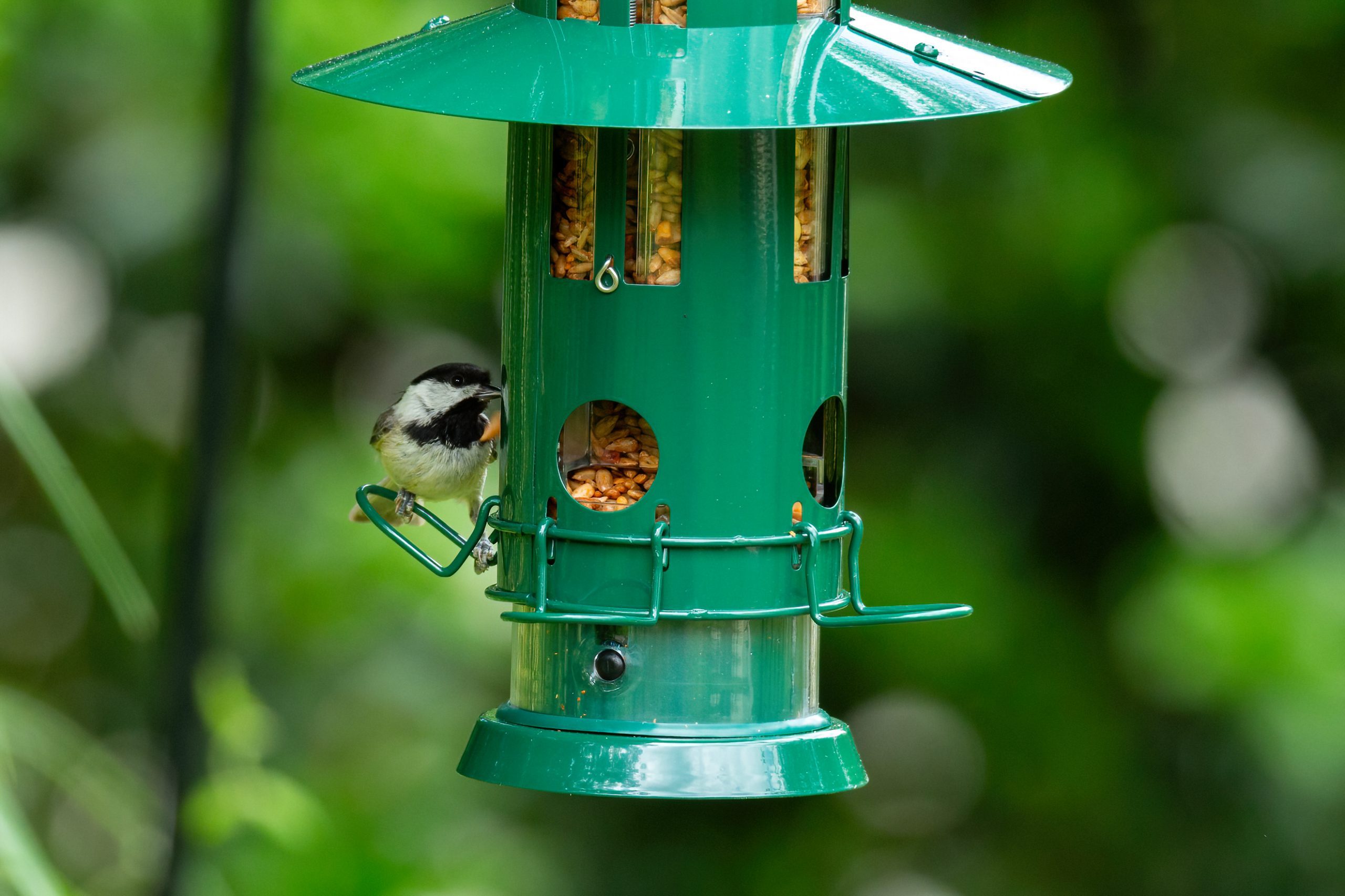
Credit: www.kingsyard.com
Signs Your Feeder Needs Cleaning
Cleaning your bird feeder regularly is essential to prevent the growth of mold and bacteria. Vinegar is a popular choice for cleaning bird feeders due to its antibacterial properties. Mixing equal parts water and white vinegar in the feeder can help loosen debris.
Keeping your bird feeder clean is essential for the health of your feathered visitors. But how do you know when it’s time to give it a thorough cleaning? Understanding the signs your feeder needs attention can help you maintain a safe and inviting space for birds. Here are some clear indicators that your bird feeder is due for a cleaning session.Visible Dirt And Mold
Take a close look at your bird feeder. If you notice visible dirt or mold, it’s definitely time for a cleaning. Mold can be especially harmful to birds, leading to diseases that can spread quickly among your avian guests. Consider the last time you cleaned it. If it’s been a while, dirt buildup is a sign that your feeder needs immediate attention.Unusual Bird Behavior
Have you noticed fewer birds visiting your feeder? Or maybe the birds are acting strangely, such as hesitating before eating? Unusual bird behavior could indicate that something is off. Birds are sensitive to changes in their environment. If your feeder is dirty, it might repel them or make them uncomfortable.Odors And Stale Seed
Take a whiff of your bird feeder. Any unpleasant odors or the presence of stale seed are telltale signs of a dirty feeder. Fresh seeds are crucial for attracting birds and keeping them healthy. Rotting seeds can produce a foul smell, which is a clear signal that the feeder needs a thorough cleaning. Don’t let this go unchecked, as it can create an unwelcoming environment for birds. Have you experienced any of these signs with your bird feeder? Addressing these issues promptly can ensure that your backyard remains a delightful haven for birds.
Credit: green-backyard.com
Frequently Asked Questions
Can Vinegar Effectively Clean Bird Feeders?
Yes, vinegar is an effective natural cleaner for bird feeders. It kills bacteria and removes mold without harsh chemicals. Dilute white vinegar with water in a 1:1 ratio for safe cleaning. Rinse thoroughly before refilling to protect birds’ health.
How Often Should I Clean Bird Feeders With Vinegar?
Clean bird feeders with vinegar every two weeks during peak feeding seasons. Frequent cleaning prevents mold, bacteria, and disease spread among birds. If feeders look dirty or moldy, clean them immediately regardless of schedule.
Is Vinegar Safe For Birds When Cleaning Feeders?
Vinegar is safe when used properly and rinsed well. It leaves no harmful residue if feeders are rinsed thoroughly. Avoid strong vinegar smells by airing feeders before refilling to ensure birds’ safety and comfort.
Can Vinegar Remove Mold From Bird Feeders?
Yes, vinegar effectively removes mold from bird feeders. Its acidity breaks down mold and disinfects surfaces. Use a diluted vinegar solution, scrub feeders well, and rinse thoroughly to prevent mold regrowth and keep birds healthy.
Conclusion
Vinegar works well to clean bird feeders safely and easily. It kills germs and removes dirt without harsh chemicals. Rinse the feeder well after cleaning to keep birds safe. Regular cleaning helps keep birds healthy and happy. Using vinegar is a simple, natural choice for your feeder care.
Clean feeders mean more visits from birds you enjoy watching. Keep it fresh, keep it safe. Your feathered friends will thank you.




