
Have you ever wondered if you can house train a bird just like you do a dog or cat? If you’re tired of cleaning up bird droppings everywhere or want your feathered friend to behave better indoors, this question is probably on your mind.
The good news is, with the right approach, you can teach your bird some amazing habits that make living together much easier. Keep reading to discover simple, effective steps that will help you turn your bird into a well-mannered companion.
Your home—and your patience—will thank you!
Birds As Pets
Birds make fascinating pets, offering vibrant colors and lively personalities that can brighten any home. They bring unique challenges and joys compared to more common pets like cats or dogs. Understanding their needs and behaviors is key to creating a happy life together.
Popular Pet Bird Species
Some bird species are especially popular due to their temperament and ease of care. Parakeets, cockatiels, and lovebirds are common choices for beginners because they are social and relatively easy to train.
African Grey Parrots and Macaws attract bird lovers who want a highly intelligent companion that can mimic speech and interact deeply. However, these larger species require more attention and space.
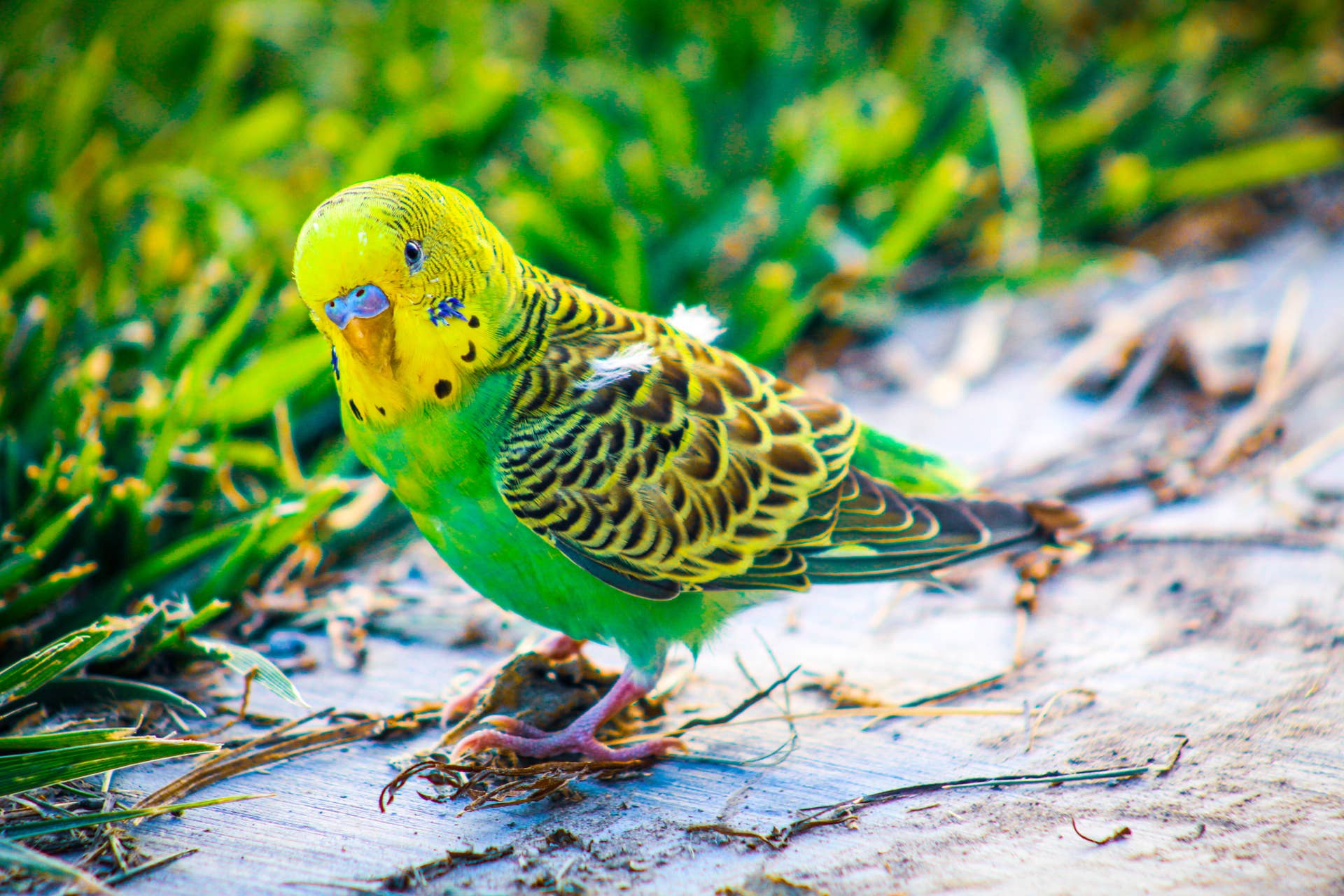
- Budgerigars (Parakeets):Small, playful, and great for first-time bird owners.
- Cockatiels:Known for their friendly nature and whistling abilities.
- Lovebirds:Social and affectionate, but may need more interaction.
- African Grey Parrots:Highly intelligent with excellent talking skills.
- Macaws:Large, colorful, and very social but require a lot of care.
Bird Behavior Basics
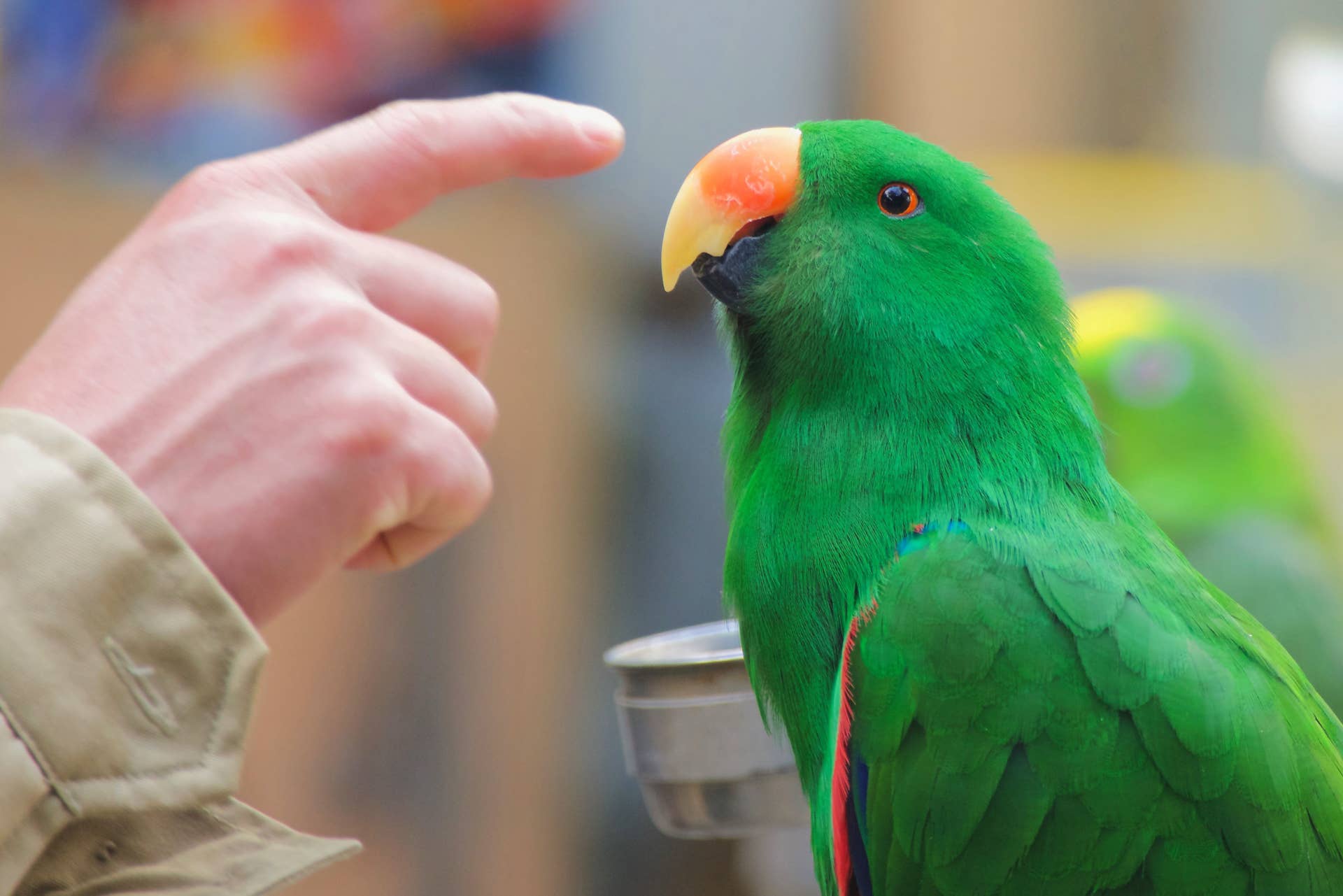
Birds communicate mainly through body language and sounds. You’ll notice they fluff their feathers when relaxed or lean forward to show curiosity.
Understanding these signals helps you respond appropriately to your bird’s needs. For example, a bird that suddenly becomes quiet or fluffs up might be feeling unwell or stressed.
Have you ever watched a bird carefully to catch these subtle cues? Doing so improves your bond and makes training, including house training, more effective.
Credit: pethelpful.com
House Training Basics
House training a bird takes patience and understanding. Birds can learn routines and habits with consistent effort. Training helps keep your home clean and your bird healthy. It also strengthens your bond with your pet. Knowing the basics makes the process smoother and less stressful.
Signs Your Bird Is Ready
Watch your bird’s behavior closely. Look for these signs that show readiness:
- Your bird stays calm when you approach.
- It shows interest in specific areas for bathroom use.
- Your bird responds to simple commands or cues.
- It stays in one spot for a short time without stress.
- Shows curiosity about its surroundings without fear.
Essential Training Tools
Gather tools that make training easier and effective. These include:
- A designated training perch or spot for bathroom breaks.
- Positive reinforcement treats like small seeds or fruits.
- Clicker or gentle sound to mark good behavior.
- Cleaning supplies for quick mess cleanup.
- A consistent schedule to encourage routine habits.
Step-by-step Training
Training a bird to be house trained takes patience and clear steps. Birds can learn routines and where to go for their bathroom needs. This process helps keep your home clean and your bird comfortable.
Follow these steps carefully to guide your bird through the training. Consistency and understanding your bird’s behavior are key to success.
Creating A Schedule
Set specific times for your bird’s bathroom breaks. Birds often need to go after eating, drinking, or waking up. Observe your bird’s habits to find the right timing.
Stick to this schedule every day. A regular routine helps your bird learn when and where to go. Use a calendar or reminders to keep track of the times.
Teaching Bathroom Spots
Choose a spot where you want your bird to go. This can be a cage corner or a specific tray. Place some droppings or a small piece of paper with droppings there to guide your bird.
Bring your bird to this spot during bathroom breaks. Praise your bird when it uses the right place. Repeat this often so your bird associates the spot with bathroom time.
Using Positive Reinforcement
Reward your bird immediately after it uses the bathroom spot. Use treats, gentle words, or petting as rewards. This encourages your bird to repeat the behavior.
Avoid punishment if accidents happen. Instead, clean up and guide your bird back to the spot gently. Positive feedback builds trust and helps training progress faster.

Credit: www.youtube.com
Common Challenges
Training a bird to use a specific spot for bathroom needs is not easy. Many owners face common challenges that test their patience and skills. Understanding these challenges can help prepare for the training journey.
Dealing With Accidents
Accidents happen frequently during bird training. Birds do not understand rules right away. Expect many small messes around the house.
Cleaning accidents quickly is important. Use safe cleaning products to avoid harm to your bird. Stay calm and avoid punishing the bird. Patience helps your bird learn better.
Handling Resistance
Some birds may resist training at first. They can be shy or scared of new routines. Stress or fear slows down learning.
Give your bird time to adjust. Use gentle encouragement and rewards. Avoid forcing the bird into training. Respect their pace for better results.
Adjusting Techniques
Not every bird learns the same way. Some need different training methods or tools. Watch your bird’s reactions closely.
Change your approach if progress stops. Try new cues, treats, or training spots. Small changes often lead to big improvements. Flexibility is key to success.
Maintaining Training
Maintaining training is key to successfully house training a bird. It takes patience and regular effort. Birds learn best when training stays steady and clear. Consistency helps your bird understand what is expected. Small, daily routines build lasting habits. Monitoring progress shows how well your bird adapts. It reveals areas needing more focus. Sometimes, extra help from a professional is needed. Knowing when to seek help prevents frustration for both you and your bird.
Consistency Tips
- Train at the same times every day.
- Use the same commands and signals.
- Keep training sessions short, 5 to 10 minutes.
- Reward good behavior immediately.
- Avoid confusing your bird with mixed messages.
- Make training part of your daily routine.
Monitoring Progress
Track your bird’s behavior during and after training. Notice if it uses the designated spot for bathroom needs. Record how often accidents happen. Celebrate small successes to stay motivated. Note any changes in your bird’s mood or interest. Adjust training steps if progress slows down. Patience is important; some birds learn faster than others.
When To Seek Help
- Training shows no improvement after several weeks.
- Bird shows signs of stress or fear during training.
- Behavior worsens or becomes aggressive.
- You feel unsure about training methods.
- Consult an avian veterinarian or bird trainer.
Credit: pethelpful.com
Frequently Asked Questions
Can Birds Be House Trained Like Dogs Or Cats?
Yes, birds can be house trained to some extent. They learn routines and specific spots for toileting with patience and consistency.
How Long Does Bird House Training Take?
House training a bird usually takes a few weeks. Consistent routines and positive reinforcement speed up the process.
What Methods Work Best For Training Birds Indoors?
Positive reinforcement, patience, and establishing regular toileting spots work best. Using treats and praise encourages desired behaviors effectively.
Are Some Bird Species Easier To House Train?
Yes, parrots and cockatiels are generally easier to house train due to their intelligence and social nature.
Conclusion
House training a bird takes time and patience. Birds learn best with gentle, clear routines. Consistency helps them understand where to go. Small rewards encourage good behavior every day. Remember, each bird has its own pace. Keep training sessions short and positive.
With care, your bird can become cleaner indoors. Enjoy the process and celebrate small wins. Training builds trust between you and your pet. A happy bird makes a happy home.




