
Finding a small bird in need of help can tug at your heart. You want to make sure you do everything right to nurse it back to health.
But where do you start? What steps will give your tiny friend the best chance to recover? You’ll discover simple, effective ways to care for a small bird, even if you’ve never done it before. By the end, you’ll feel confident and ready to give your feathered patient the care it truly deserves.
Keep reading—your quick actions could save a life.

Credit: www.reddit.com
Assessing The Bird’s Condition
Taking care of a small bird requires careful observation. You must check its health to know what it needs.
Look closely for signs of illness or injury. This helps you decide the best care steps.
Identifying Common Symptoms
Birds show many signs when they feel unwell. Knowing these signs helps you act fast.
- Dull feathers or missing feathers
- Swollen eyes or closed eyes
- Difficulty breathing or noisy breathing
- Changes in droppings color or consistency
- Lethargy or lack of movement
- Loss of appetite or refusal to eat
Handling The Bird Safely
Handle the bird gently to avoid stress or injury. Use soft hands and calm movements.
| Handling Tip | Description |
| Use a soft cloth | Wrap the bird gently to keep it calm. |
| Support the body | Hold the bird’s body firmly but softly. |
| Keep the head free | Allow the bird to breathe easily without pressure. |
| Work in a quiet area | Reduce noise to lower stress levels. |
| Limit handling time | Handle only as long as needed to check or treat. |
Setting Up A Recovery Space
To help a small bird heal, you need a calm and safe space. This space should protect the bird from stress and harm. Proper care in this space helps the bird get better faster.
Setting up the right recovery space means paying attention to the environment. You need to control noise, temperature, and light to keep the bird comfortable.
Choosing A Quiet Environment
Small birds get scared by loud sounds and sudden movements. A quiet spot helps them stay calm. Choose a place away from people, pets, and noisy machines.
- Pick a room with low foot traffic
- Keep the area free from loud noises
- Cover the cage with a light cloth to reduce visual stress
- Place the recovery space away from windows with heavy street noise
- Use soft materials inside the cage to absorb sound
Maintaining Proper Temperature And Lighting
Birds need warmth to heal, but too much heat can harm them. Use a thermometer to check the cage temperature. Aim for a steady, warm spot without direct sunlight.
| Temperature | Ideal Range |
| Daytime | 75°F to 85°F (24°C to 29°C) |
| Nighttime | 65°F to 75°F (18°C to 24°C) |
| Lighting | Soft and indirect, avoid bright lights |
Use a small lamp with a low-watt bulb for warmth. Avoid heat sources that dry out the air. Keep lighting low to help the bird rest.
Feeding And Hydration
Caring for a small bird requires careful attention to its food and water. Proper feeding and hydration help the bird recover its strength.
Providing the right nutrients and fluids supports healing and prevents further health problems.
Selecting Nutritious Foods
Choose foods that offer vitamins, minerals, and energy needed for healing. Avoid foods with added sugars or salts.
- Soft fruits like mashed bananas and cooked apples
- Boiled eggs for protein
- Small seeds and grains
- Insect larvae or mealworms for natural protein
- Specialized bird recovery formulas if available
Techniques For Feeding A Weak Bird
Feed the bird gently and slowly to avoid choking or stress. Use tools like syringes or small spoons for better control.
- Warm the food to body temperature before feeding.
- Hold the bird securely but gently to prevent movement.
- Offer small amounts frequently rather than large meals.
- Use a syringe or dropper to place food near the beak.
- Watch for signs of swallowing and stop if the bird coughs.
Ensuring Adequate Water Intake
Water is vital for recovery. A weak bird might not drink by itself, so you may need to help it stay hydrated.
| Method | Description |
|---|---|
| Direct Water Feeding | Use a syringe to gently drip water into the bird’s beak. |
| Wet Food | Mix water into soft food to increase fluid intake. |
| Moistened Cotton Ball | Place near the bird to lick water if it cannot drink normally. |
| Fresh Water Bowl | Always provide clean water in a shallow dish for self-drinking. |
Administering Basic Medical Care
Caring for a small bird requires gentle and careful medical attention. Basic care includes cleaning wounds and giving medicines safely.
Knowing how to handle these tasks can help your bird heal faster and stay comfortable.
Cleaning Wounds And Injuries
First, make sure your hands are clean before touching the bird. Use a soft cloth with warm water to gently clean dirt from the wound. Avoid using harsh chemicals that can hurt the bird’s skin.
- Use saline solution or clean water to rinse wounds.
- Pat the area dry softly with a clean cloth.
- Remove any debris carefully with tweezers if needed.
- Keep the bird in a warm, quiet place while healing.
- Watch for signs of infection like swelling or redness.
Providing Medications Safely
Administering medicine requires patience and care. Use a small syringe or dropper to give liquid medicines. Always follow the vet’s instructions for dosage and frequency.
| Medicine Type | How to Give | Tips |
| Liquid | Use dropper near the side of the beak | Give slowly to avoid choking |
| Powder | Mix with bird food or water | Ensure bird eats all the medicine |
| Topical | Apply gently with a cotton swab | Prevent bird from scratching the area |
Monitoring Progress And Behavior
When nursing a small bird back to health, watching its progress is very important. Careful observation helps you know if the bird is getting better or needs extra help.
Pay close attention to how the bird acts and any changes in its body. This gives clues about its recovery and well-being.
Tracking Physical Improvements
Look for signs that the bird’s body is healing and growing stronger. These signs show that your care is working.
- Check if the bird is eating regularly and finishing its food.
- Notice if it is gaining weight steadily over days.
- Watch for clearer eyes and cleaner feathers.
- See if the bird moves more easily or starts to fly short distances.
- Observe if breathing becomes normal and quiet.
Recognizing Warning Signs
It is important to spot problems early. Some signs need quick action or a vet’s help.
| Warning Sign | What It Means | Action to Take |
|---|---|---|
| Labored or noisy breathing | Possible lung or infection issue | Contact vet immediately |
| Fluffed up feathers for long periods | Bird may be cold or sick | Keep warm and monitor closely |
| Refusing to eat | Loss of appetite, serious illness | Try gentle feeding, seek vet |
| Weakness or inability to perch | Muscle or neurological problem | Limit movement, get vet advice |
| Discharge from eyes or nose | Infection or illness | Clean gently, consult vet |
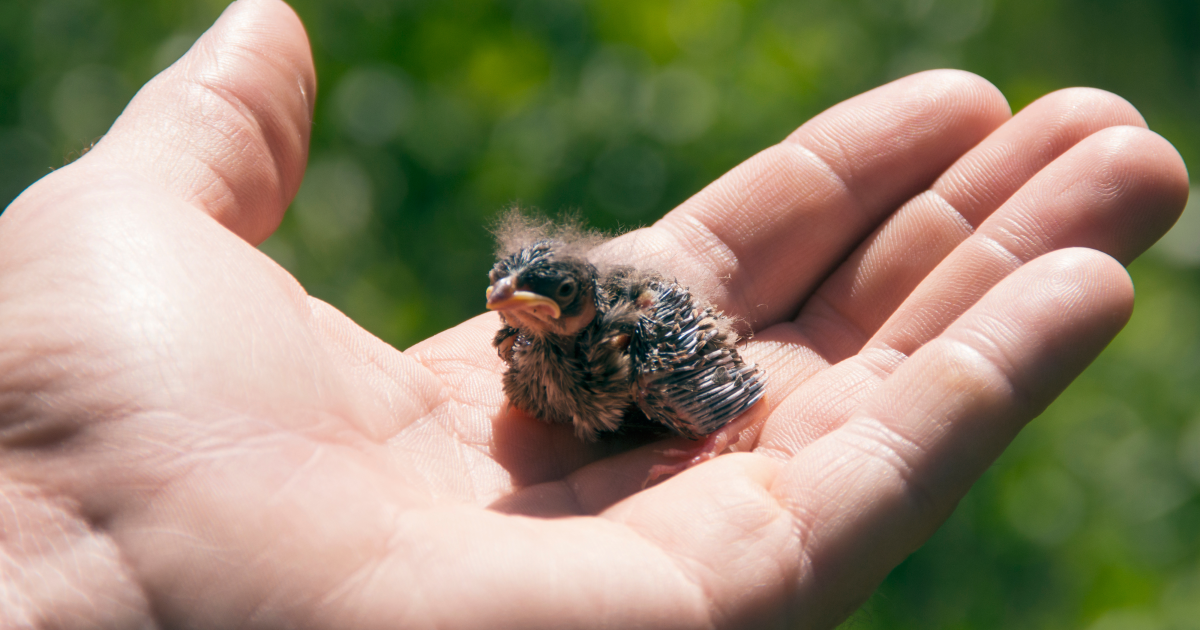
Credit: pethelpful.com
When To Seek Professional Help
Nursing a small bird back to health requires care and attention. Sometimes, professional help is necessary.
Knowing when to reach out to a qualified avian veterinarian can save a bird’s life. Let’s explore key situations where professional help is crucial.
Identifying Emergency Situations
Certain signs indicate a bird needs urgent care. Recognizing these signs is vital for its survival.
- Bleeding that does not stop
- Difficulty breathing or gasping for air
- Inability to stand or move
- Visible wounds or fractures
- Severe lethargy or unconsciousness
Finding A Qualified Avian Veterinarian
Once you identify an emergency, finding the right veterinarian is the next step. Choose one with experience in avian care.
Check the vet’s credentials and read reviews from other bird owners. A skilled vet makes a big difference.
| Criteria | Details |
| Experience | Specializes in birds |
| Availability | Offers emergency services |
| Location | Within a reasonable distance |
Preventing Future Health Issues
Caring for a small bird requires attention and dedication. To ensure their long-term health, preventive measures are essential.
Taking steps to maintain their environment and providing proper nutrition can ward off health problems.
Maintaining A Clean Habitat
A clean habitat is crucial for your bird’s health. Regular cleaning prevents the spread of germs and diseases.
- Change the cage lining daily to keep the environment fresh.
- Wash food and water dishes with soap and water every day.
- Disinfect the cage with bird-safe cleaners weekly.
Providing Proper Nutrition And Enrichment
A balanced diet keeps your bird healthy and active. Enrichment activities prevent boredom and stress.
| Food Item | Frequency |
| Seeds | Daily |
| Fruits | 3-4 times a week |
| Vegetables | Every other day |

Credit: www.reddit.com
Frequently Asked Questions
How Do I Recognize If A Small Bird Is Sick?
Look for signs like lethargy, fluffed feathers, loss of appetite, or unusual droppings. These indicate illness and need care.
What Is The Best Diet For A Recovering Small Bird?
Offer a balanced diet with seeds, fruits, vegetables, and fresh water. Nutrients support healing and boost immunity.
How Can I Create A Safe Recovery Environment?
Keep the bird warm, quiet, and in a clean cage. Avoid drafts and loud noises to reduce stress.
When Should I Consult A Vet For My Bird?
If symptoms persist more than 24-48 hours or worsen, seek professional advice immediately for proper diagnosis and treatment.
Conclusion
Nursing a small bird back to health takes patience and care. Watch the bird closely for signs of improvement or trouble. Keep its environment clean and quiet for better recovery. Feed the bird the right food and fresh water daily.
Give gentle handling to avoid stress or injury. Seek help from a vet if the bird’s condition worsens. Your kindness and attention can save a small bird’s life. Every step matters in helping your feathered friend heal. Keep hope and stay calm throughout the process.




