
Have you ever noticed little masked visitors rummaging through your bird feeder and wondered, “Do raccoons like bird seed?” If you’re tired of finding your carefully placed seeds scattered and wasted, you’re not alone.
Understanding why raccoons are drawn to bird seed can help you protect your feeders and enjoy watching birds without unwanted guests. Keep reading to discover what attracts raccoons to your yard and how you can keep your bird seed safe.

Credit: www.aol.com
Raccoons And Their Diet
Raccoons are curious and adaptable animals. Their diet is diverse and changes with seasons. Understanding what raccoons eat helps explain their interest in bird seed.
Common Foods Raccoons Eat
- Fruits like berries and apples
- Insects such as beetles and grasshoppers
- Small animals like frogs, fish, and mice
- Nuts and seeds found in nature
- Human food scraps and garbage
Raccoons are opportunistic feeders. They eat almost anything they find. This variety helps them survive in many environments.
Nutritional Needs Of Raccoons
Raccoons need proteins for energy and muscle growth. They also require fats to keep warm and store energy. Carbohydrates from fruits and seeds provide quick energy. Vitamins and minerals support their overall health. Their diet must balance these nutrients for survival.
Attraction To Bird Seed
Raccoons are curious and clever creatures, always on the lookout for an easy meal. Bird seed often becomes an unexpected temptation for them. Understanding what draws raccoons to bird seed can help you manage your outdoor feeding areas more effectively.
Which Seeds Do Raccoons Prefer?
Raccoons don’t eat just any seed; they have favorites that appeal to their taste buds. They particularly enjoy:
- Sunflower seeds:Both black oil and striped sunflower seeds are highly attractive.
- Millet:A small, soft seed that’s easy for raccoons to eat.
- Safflower:Although birds like it less, raccoons find it tasty.
If you feed birds with these seeds, expect raccoons to take notice. Have you ever caught a raccoon sneaking bites of your bird feed?
Why Bird Seed Appeals To Raccoons
Bird seed is a high-energy, easy-to-access food source. It offers a mix of fats, proteins, and carbohydrates that raccoons find irresistible.
Unlike foraging in the wild, bird seed requires little effort to find and eat. This convenience makes it a go-to snack, especially during colder months when other food is scarce.
Also, raccoons are nocturnal, and bird feeders often spill seeds on the ground, creating a buffet under the cover of darkness. Have you noticed seed piles beneath your feeders after a night of raccoon visits?
Raccoons Visiting Bird Feeders
Raccoons are curious creatures that often visit bird feeders in search of food. These nighttime visitors are attracted to the easy meal that bird seed offers. Bird feeders provide a rich source of nourishment for raccoons, especially during colder months. They use their nimble paws to grab seeds and snacks with surprising skill. Understanding raccoon behavior around bird feeders can help you protect your bird food and keep these animals at a safe distance.
Behavior Around Feeders
Raccoons are mostly active at night but can visit feeders anytime. They climb poles, trees, or hangers to reach the bird seed. Their sharp claws and strong limbs make it easy to access feeders. Raccoons often knock over feeders or scatter seeds while feeding. They may return repeatedly if the food source is easy to reach. Sometimes, raccoons leave signs like torn bags or empty feeders behind.
Signs Of Raccoon Activity
- Scattered seed on the ground below feeders
- Damaged or tipped-over feeders
- Footprints in soft soil or mud near feeders
- Scratch marks on poles or tree trunks
- Unusual noises at night, such as rustling or chattering
Spotting these signs can help you confirm raccoon visits. Early detection lets you take steps to secure your bird feeders. Simple changes can prevent raccoons from returning and protect the birds you want to feed.
Effects On Bird Feeding
Bird feeding in backyards creates a peaceful spot for watching nature. Raccoons visiting bird feeders can change this experience. Their interest in bird seed affects both the birds and the people who enjoy watching them. Understanding these effects helps maintain a healthy feeding space for birds.
Impact On Birds And Seed Supply
Raccoons eat large amounts of bird seed quickly. This reduces the seed available for birds. Birds may find fewer seeds to eat and become discouraged. Some bird species might avoid feeders often visited by raccoons.
Raccoons can also scare birds away by their noisy and active behavior. This disrupts the calm environment birds need to feed safely. Seed spillage caused by raccoons attracts other pests. This can lead to a messy and unhealthy feeding area.
How Raccoons Affect Backyard Birdwatching
Raccoons visiting feeders change the birdwatching experience. Their presence can reduce the number of birds visiting the feeder. Birdwatchers may see less variety and fewer birds overall. The noise and movement of raccoons can make birdwatching less relaxing.
Raccoons often damage feeders while searching for food. Broken feeders mean less food for birds and more maintenance for owners. This can discourage people from feeding birds or watching them outside.
Preventing Raccoons From Eating Bird Seed
Raccoons love bird seed and often visit feeders. This can cause problems for bird lovers. Seeds get wasted, and raccoons may become a nuisance. Preventing raccoons from eating bird seed protects your feeding area and keeps birds safe. Simple steps and smart tools help keep raccoons away while still feeding birds.
Raccoon-proof Feeder Designs
Choose feeders built to stop raccoons. These feeders have features that make it hard for raccoons to reach the seed.
- Feeders with weight-sensitive perches close the seed ports when heavy animals land.
- Feeders hung from thin wires or poles with baffles prevent raccoons from climbing.
- Seed trays with small holes allow only small birds to eat seed.
- Feeders placed high and away from trees reduce raccoon access.
Raccoon-proof feeders save seed and protect your yard.
Effective Deterrent Methods
Use easy deterrents to discourage raccoons from visiting.
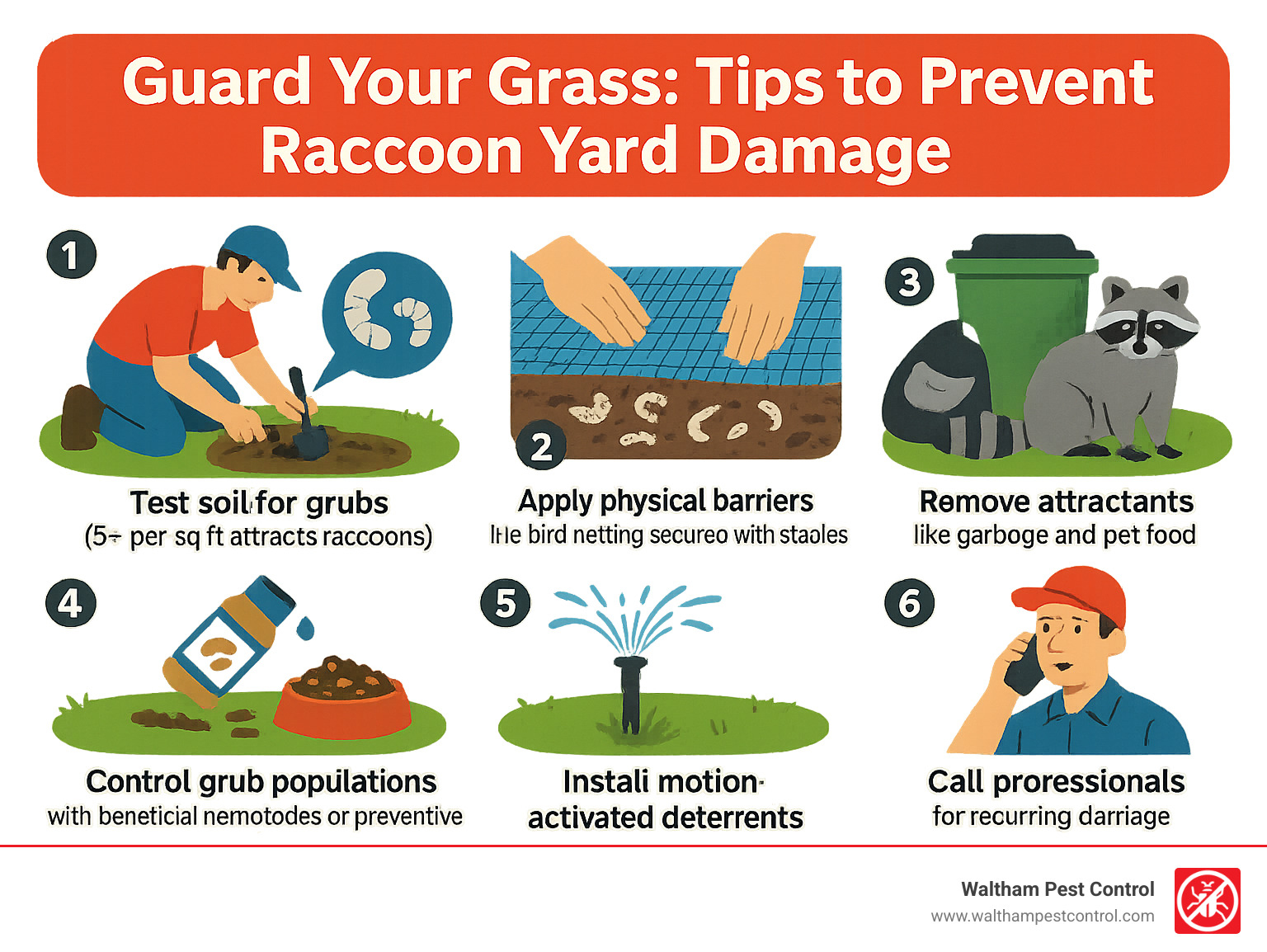
- Place motion-activated lights or sprinklers near feeders.
- Sprinkle cayenne pepper or hot sauce on seed to make it taste bad for raccoons.
- Keep feeders clean and avoid spilling seed on the ground.
- Remove food sources at night when raccoons are most active.
- Use natural repellents like ammonia-soaked rags placed near feeders.
These methods help keep raccoons away without harming birds.
Credit: walthampestcontrol.com
Safety Tips For Homeowners
Homeowners often find raccoons sneaking around their yards, especially near bird feeders. These curious critters enjoy bird seed, which can attract them to your property. While raccoons are generally harmless, it’s important to ensure safety for both your family and the wildlife. Follow these tips to handle raccoon encounters safely and protect your pets and property.
Handling Raccoon Encounters
If you see a raccoon in your yard, stay calm. Do not approach it. Raccoons are wild animals and may feel threatened. Make noise from a safe distance to encourage them to leave. Clapping hands or using a whistle works well. Secure trash cans and remove any food sources. This discourages raccoons from returning.
Protecting Pets And Property
Keep pets indoors at night. Raccoons are nocturnal and most active after dark. Ensure pet food is not left outside. This prevents raccoons from being attracted to your yard. Install motion-activated lights or sprinklers. These can startle raccoons and deter them from approaching.
- Secure bird feeders with raccoon-proof designs.
- Trim tree branches near your roof to prevent access.
- Repair any holes or gaps in attics or basements.
Following these steps can help maintain a raccoon-free environment. By being cautious, you protect your home and the local wildlife. Remember, raccoons are part of nature. Respect their space while ensuring your safety.

Credit: www.aol.com
Frequently Asked Questions
Do Raccoons Eat Bird Seed Regularly?
Yes, raccoons are attracted to bird seed as an easy food source. They often raid feeders, especially at night. Bird seed provides them with fats, proteins, and carbohydrates they need to stay active.
Why Do Raccoons Like Bird Feeders?
Bird feeders offer accessible, nutrient-rich food. Raccoons are opportunistic feeders and find bird seed easy to grab. The feeders attract raccoons looking for a quick meal without much effort.
Can Bird Seed Attract Raccoons To My Yard?
Yes, bird seed can attract raccoons. If feeders are left accessible, raccoons may visit frequently. To avoid this, use raccoon-proof feeders or remove spilled seeds regularly.
What Types Of Bird Seed Do Raccoons Prefer?
Raccoons prefer sunflower seeds, millet, and corn. These seeds are high in calories and easy to eat. Avoid leaving large quantities outside to reduce raccoon visits.
Conclusion
Raccoons do like bird seed and often visit feeders for food. They find seeds tasty and easy to eat. This can cause problems for bird lovers. Protect your bird feeders to keep raccoons away. Use raccoon-proof feeders or place seeds where raccoons cannot reach.
Enjoy watching birds without unwanted visitors. Understanding raccoon behavior helps you manage your garden better. Keep your outdoor space safe and peaceful for all animals.




