
Have you ever wondered if a parakeet is truly a tropical bird? If you’re curious about these colorful little creatures and where they really come from, you’re in the right place.
Understanding whether parakeets belong to the tropical bird family can change how you care for them and appreciate their vibrant nature. Stick with me, and by the end of this article, you’ll know exactly what makes parakeets special—and why that matters to you.
Ready to uncover the truth? Let’s dive in!
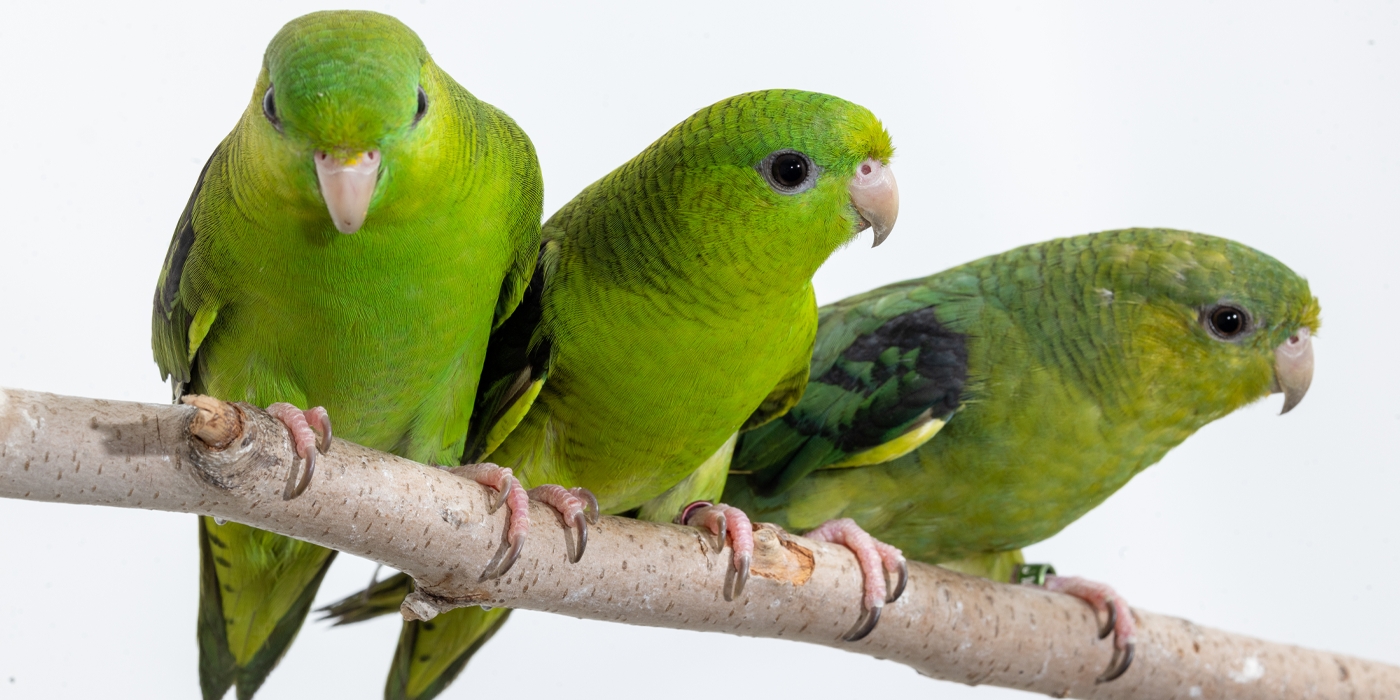
Credit: nationalzoo.si.edu
Parakeet Basics
Parakeets are small, colorful birds popular as pets worldwide. They belong to the parrot family. These birds are known for their playful nature and ability to mimic sounds. Understanding parakeet basics helps in knowing their care needs and natural habitat.
Parakeet Species
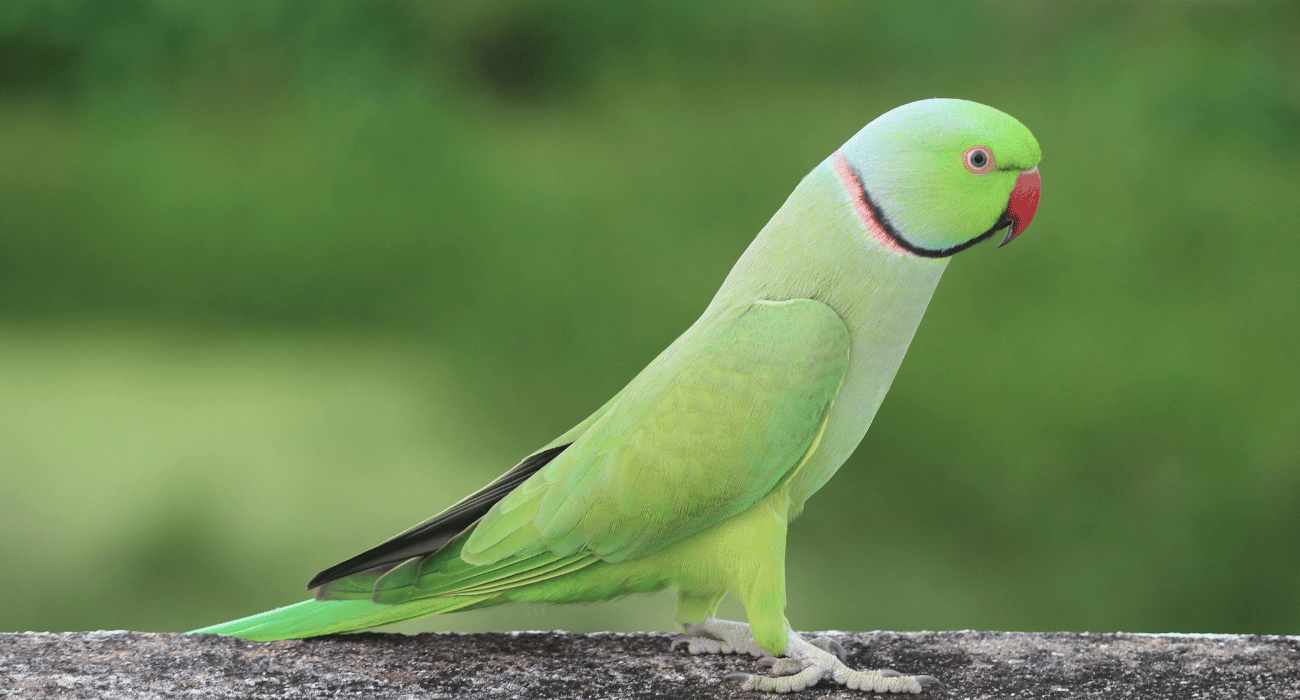
There are many species of parakeets. The most common is the Budgerigar, often called a budgie. Other species include the Indian Ringneck, the Alexandrine, and the Monk Parakeet. Each species has unique traits and colors. Most parakeets come from warm climates, especially tropical and subtropical regions.
Physical Features
Parakeets have long tail feathers and slender bodies. Their size ranges from 7 to 18 inches depending on the species. They show bright colors like green, blue, yellow, and white. Parakeets have strong, curved beaks made for cracking seeds. Their feet have two toes pointing forward and two backward, aiding in climbing.
Natural Habitat
Parakeets thrive in specific natural environments that support their lifestyle and survival. Their natural habitat offers the right food, shelter, and climate conditions they need. Understanding this habitat helps us see if parakeets are tropical birds or not.
Geographical Range
Parakeets mainly live in Australia. They also appear in parts of Asia and Africa. These birds inhabit open woodlands, grasslands, and scrublands. Some species adapt well to urban areas. Their range is wide but mostly stays in warm zones.
Climate Preferences
Parakeets prefer warm climates but not extreme heat. They live in places with moderate rainfall. Tropical and subtropical climates suit many species well. They avoid very cold or dry areas. Their ability to handle different weather varies by species.
Tropical Bird Traits
Tropical birds share unique traits that make them stand out in the bird world. These characteristics help them thrive in warm, lush environments. Understanding these traits can help you figure out if a parakeet fits the tropical bird category.
Common Characteristics
Tropical birds often have bright, colorful feathers that help them attract mates and blend into vibrant surroundings. Their beaks are usually strong and curved, perfect for cracking seeds or eating fruits. Many tropical birds are social and vocal, using calls to communicate in dense forests.
Think about your parakeet’s vivid green and blue feathers and lively chatter. These features are common in tropical species. Does your parakeet’s behavior and appearance remind you of these traits?
Typical Environments
Tropical birds usually live in warm, humid places like rainforests, mangroves, and tropical woodlands. These areas provide plenty of food sources like fruits, seeds, and nectar. The dense canopy offers shelter and protection from predators.
Parakeets, especially those native to Australia and South America, thrive in similar warm climates with ample vegetation. If your parakeet enjoys higher humidity and warm temperatures, this aligns with typical tropical bird habitats. How does your parakeet respond to different temperatures and environments?

Credit: medium.com
Parakeets And Tropical Classification
Parakeets are often linked to tropical regions. Their bright colors and lively nature give this impression. But are they truly tropical birds? Understanding their classification helps clarify this question. It involves looking at their natural homes and behavior.
Habitat Comparison
Most parakeets live in warm climates. Many species come from Australia, South America, and Asia. These places often have tropical or subtropical environments. Rainforests, woodlands, and savannas are common habitats for parakeets.
True tropical birds usually live in areas near the equator. These regions have constant warm weather and high humidity. Some parakeet species fit this description, while others do not. For example, the Budgerigar is native to dry Australian regions, not tropical forests.
Behavioral Aspects
Parakeets show social and active behavior. They often form flocks and communicate with loud calls. This behavior is common among tropical birds. Their diet mainly includes seeds, fruits, and flowers, similar to many tropical species.
Flight patterns and nesting habits also resemble tropical birds. Parakeets build nests in tree hollows or cliffs. These traits help them survive in diverse environments, tropical or not. Overall, parakeets share many features with tropical birds but are not exclusive to tropical zones.
Care Tips For Parakeets
Parakeets are lively and social birds. Caring for them well helps them live happy lives. Knowing their basic needs is key to good care. Two main areas to focus on are housing and diet. Both affect their health and mood.
Housing Needs
Parakeets need a spacious cage for flying and playing. The cage should be wider than it is tall. Use horizontal bars for climbing fun. Place perches of different sizes inside to exercise their feet. Avoid plastic perches; wood is better.
Keep the cage in a quiet spot, away from drafts and direct sunlight. Clean the cage regularly to prevent germs. Provide toys for mental stimulation. Rotate toys often to keep the bird interested.
Diet And Nutrition
Feed parakeets a balanced diet with seeds and pellets. Seeds alone lack important nutrients. Fresh fruits and vegetables add vitamins and minerals. Safe options include apples, carrots, and spinach. Avoid avocado, chocolate, and caffeine; these are toxic.
Offer clean water every day. Change water daily to keep it fresh. Small amounts of cuttlebone or mineral blocks support healthy beaks and bones. Monitor their eating habits to spot health issues early.
Common Myths About Parakeets
Parakeets, with their vibrant plumage and lively personalities, are often misunderstood creatures. Many myths surround these charming birds, leading to confusion among potential bird owners. Let’s debunk some of the most common misconceptions about parakeets to help you better understand these feathered friends.
Tropical Bird Misconception
A widely held belief is that parakeets are strictly tropical birds. While they do thrive in warm climates, not all parakeets hail from tropical regions. Budgerigars, a type of parakeet, are native to the arid regions of Australia.
This myth often leads to the assumption that parakeets can only survive in humid, rainforest-like environments. In reality, parakeets are adaptable and can thrive in a variety of habitats, as long as they have the right care and environment.
Are you providing your parakeet with a suitable habitat? Understanding their origins can help you create a more comfortable home for your pet.
Other Popular Beliefs
Another common belief is that parakeets are low-maintenance pets. While they are easier to care for than some pets, they still require attention and enrichment. Regular interaction and mental stimulation are crucial for their happiness and health.
Some people think parakeets are solitary creatures. In fact, they are social animals that enjoy companionship, either from other birds or humans. If you have a single parakeet, make sure to spend quality time with them daily to prevent loneliness.
Have you ever been surprised by your parakeet’s intelligence? Many owners underestimate their ability to learn tricks and mimic sounds, which can be a delightful discovery.
By dispelling these myths, you can ensure your parakeet leads a fulfilling and enriched life. Embrace the unique qualities of your feathered friend and provide them with the care and companionship they deserve.
Credit: medium.com
Frequently Asked Questions
Are Parakeets Considered Tropical Birds?
Yes, parakeets are tropical birds. They originate from warm, tropical regions like Australia. Their natural habitat includes forests and grasslands in these climates.
What Climate Do Parakeets Thrive In?
Parakeets thrive in warm, humid climates typical of tropical areas. They prefer temperatures between 65°F and 80°F. Avoid exposing them to cold or drafty conditions.
Do Parakeets Need A Tropical Environment At Home?
Parakeets benefit from a warm, stable environment that mimics the tropics. Provide consistent temperature, humidity, and natural light to keep them healthy and active.
Are Parakeets Native To Tropical Regions?
Yes, many parakeet species are native to tropical regions such as Australia, South America, and Asia. Their natural habitats are lush, warm, and humid areas.
Conclusion
Parakeets live in warm, tropical places like Australia and South America. They enjoy sunny weather and need a cozy home. These birds are colorful and full of life. Their natural habitat shows they belong to tropical bird families. Caring for parakeets means understanding their tropical needs.
They bring joy and bright colors to any home. Knowing their background helps you care for them better. Tropical birds, like parakeets, thrive with love and proper care. Simple steps keep them happy and healthy every day.




