
Have you ever wondered if robins visit your bird feeder? You might be surprised to learn how often these charming birds stop by, and what you can do to attract them.
If you want to see robins up close and enjoy their cheerful presence in your yard, this article is just for you. Keep reading to discover simple tips that will bring these beautiful birds right to your feeder. Your backyard birdwatching experience is about to get a lot more exciting!

Credit: www.livingwithbirds.com
Robin Behavior At Feeders
Robins have a unique approach to bird feeders that differs from many other backyard visitors. Understanding their behavior at feeders can help you create an inviting space that suits their needs and encourages regular visits. Paying attention to what they prefer and how they interact with feeders can transform your birdwatching experience.
Feeding Habits Of Robins
Robins tend to feed mostly on the ground, searching for worms and insects. However, they do visit feeders, especially during colder months or when natural food is scarce. Unlike other birds, robins prefer to perch nearby and hop down to feed rather than cling directly to feeders.
If you notice your feeder is busy with sparrows or finches, robins might be nearby waiting for their turn on the ground. They often feed in short bursts and remain cautious, quickly retreating if they sense danger. Have you ever watched a robin patiently waiting its turn? It’s a fascinating display of their careful nature.
Preferred Food Types
Robins are not attracted to typical seed mixes. They favor soft, fruit-based foods and protein-rich items. Mealworms, berries, and chopped fruits like apples or raisins will draw them in more effectively.
Offering moist foods mimics their natural diet and encourages longer visits. You can even try placing small dishes of mashed berries or soaked raisins near your feeder. Would you be surprised to find robins picking at fruit more eagerly than seeds in your yard?
Feeder Designs That Attract Robins
Robins prefer open trays or platform feeders that allow them to land and walk around comfortably. Tube feeders designed for small perching birds rarely attract robins because they can’t easily access the food.
Consider a low platform feeder placed close to natural cover like shrubs or trees. This setup gives robins a sense of security while feeding. Adding a shallow water dish nearby can also increase their visits, as robins are fond of bathing and drinking.
Have you tried customizing your feeder area to suit robins’ habits? Small changes like this can make a big difference in welcoming these charming birds to your backyard.
Seasonal Patterns
Robins show distinct seasonal patterns when it comes to visiting bird feeders. Understanding these patterns can help you attract robins to your yard more effectively. Their visits often depend on weather, food availability, and their natural migration habits.
Robins In Winter
During winter, robins tend to visit feeders less frequently because they usually prefer natural food sources like berries and insects hidden under the snow. However, in milder climates or during harsh winters, robins will come to feeders more often in search of easy food.
If you want to attract robins in winter, try offering fruits like sliced apples or berries along with mealworms. Have you noticed robins lingering near your feeder when temperatures drop?
Spring And Summer Visits
In spring and summer, robins are more active and visible in your yard. They focus on hunting insects, worms, and other invertebrates but will occasionally visit feeders, especially if you provide fruit or suet.
This is also the breeding season, so you might see robins more often as they gather food for their chicks. Adding fresh fruit or mealworms to your feeder can encourage visits during these warmer months.
Migration Impact On Feeder Visits
Migration greatly affects how often robins show up at your feeders. During fall and spring migrations, you might see spikes in robin activity as they stop to rest and refuel.
Robins travel long distances, so your yard could serve as an important pit stop. Do you adjust your feeding routine during migration seasons to support these travelers?
Common Misconceptions
Many people believe robins visit bird feeders often. This idea comes from seeing robins in gardens and parks. People assume robins eat the same seeds as other common birds. This assumption leads to some common misconceptions about robins and feeders.
Understanding these myths helps gardeners create better bird-friendly spaces. It also improves chances of attracting robins the right way. Clearing up these misconceptions is important for anyone interested in bird watching.
Why Robins Are Not Frequent Feeder Visitors
Robins prefer eating insects, worms, and berries over seeds. Their diet needs protein and moisture found in live food. Most bird feeders offer seeds, which robins rarely eat. They visit ground areas more than feeders.
Robins are shy around feeders with many birds. They avoid crowded feeders to stay safe from predators. Their feeding style is different from seed-eating birds. This reduces their visits to typical feeders.
Differences Between Robins And Other Birds At Feeders
- Robins have a round body and a bright red breast.
- They prefer eating food found on the ground.
- Seed-eating birds like sparrows and finches visit feeders often.
- Robins need food with high water content.
- Other birds eat dry seeds, robins do not.
- Robins usually hunt for live insects, unlike seed eaters.
Knowing these differences helps set correct expectations. It guides in choosing the right food and feeder type. This knowledge makes watching robins more rewarding and natural.

Credit: www.cornwalllive.com
Tips To Attract Robins
Attracting robins to your bird feeders can be rewarding and fun. These birds bring life and color to any garden. Simple changes in food, feeder placement, and garden design invite robins to visit often. Understanding their needs makes your yard a robin-friendly spot.
Best Foods To Offer
Robins prefer fresh and natural food. They enjoy:
- Mealworms, live or dried
- Soft fruits like berries and chopped apples
- Insects and small invertebrates
- Cracked unsalted peanuts
- Suet mixed with fruits or insects
Seeds are less popular but can attract other birds nearby.
Ideal Feeder Placement
Place feeders where robins feel safe. Good spots include:
- Near shrubs or low trees for quick shelter
- Open spaces with clear views to spot predators
- Ground or platform feeders, since robins mostly feed on the ground
Keep feeders clean and dry to keep robins healthy.
Creating A Robin-friendly Garden
Make your garden inviting with these tips:
- Plant native berry bushes and fruiting trees
- Provide fresh water in shallow dishes or birdbaths
- Leave leaf litter and mulch for insects
- Offer natural nesting sites with dense shrubs
- Avoid using pesticides that harm food sources
Such a garden supports robins all year round.
Robins And Backyard Ecosystem
Robins play a vital part in the backyard ecosystem. These birds are more than just pretty visitors; they help keep nature balanced. Observing robins can reveal much about your garden’s health and the natural cycles at work.
Role In Pest Control
Robins eat many insects and larvae found in gardens. They target pests that harm plants and crops. This natural pest control reduces the need for chemicals. Robins search the soil and plants, picking off beetles, caterpillars, and spiders. Their presence helps maintain a healthy garden environment.
Interactions With Other Wildlife
Robins share their space with various animals and birds. They compete for food and nesting spots with other species. Sometimes, robins follow squirrels or other birds to find hidden insects. Their calls and movements influence the behavior of nearby wildlife. This interaction creates a dynamic and balanced backyard ecosystem.
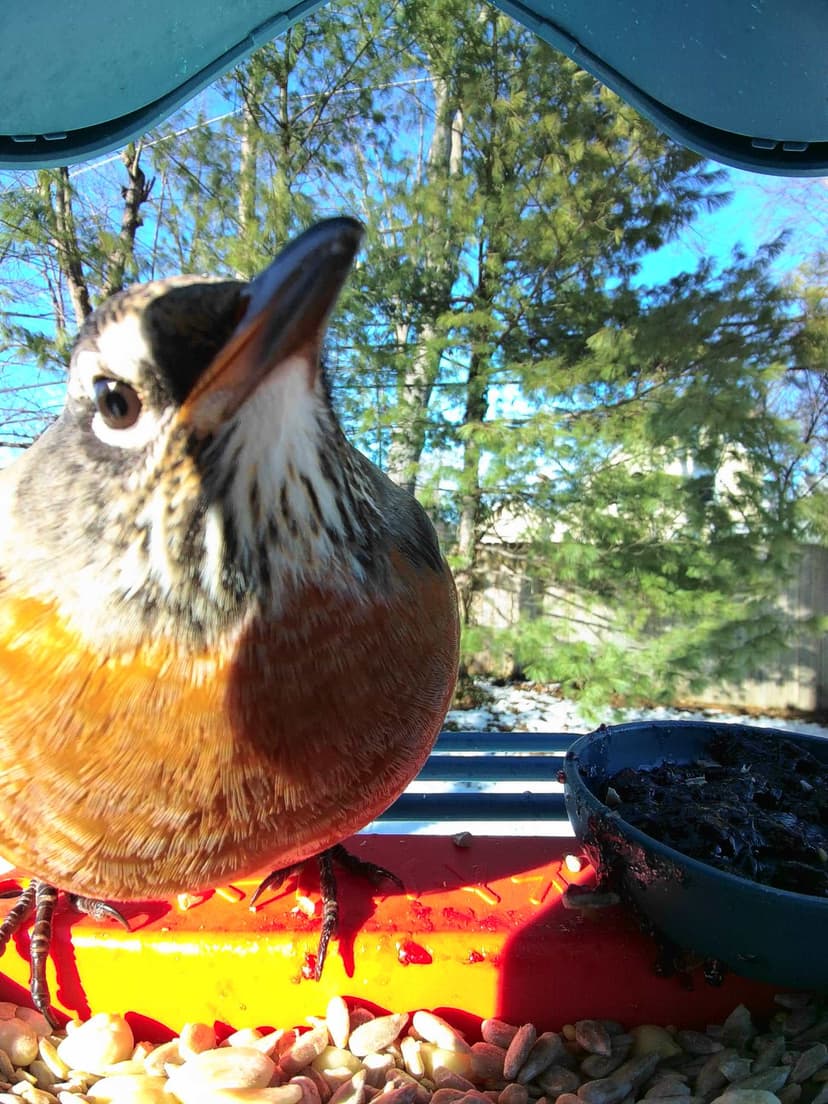
Credit: app.mybirdbuddy.com
Frequently Asked Questions
Do Robins Visit Bird Feeders Often?
Robins may visit bird feeders, but not as frequently as other birds. They prefer ground feeding and fruits. Offering mealworms, berries, or suet attracts robins more effectively than typical seeds.
What Food Attracts Robins To Feeders?
Robins are attracted to mealworms, berries, and suet. They rarely eat seeds. Including fresh fruits and insects in feeders increases the chances of robins visiting your yard.
When Are Robins Most Likely To Visit Feeders?
Robins visit feeders mainly during colder months when natural food is scarce. Spring and summer see fewer visits as they prefer fresh insects and berries in their habitat.
Can Robins Become Regular Visitors To My Feeder?
With the right food and environment, robins can become regular visitors. Providing mealworms, fruits, and a safe ground area encourages robins to return consistently.
Conclusion
Robins do visit bird feeders, but they prefer certain foods. They like fruits, mealworms, and suet more than seeds. Offering these treats can attract robins to your yard. Keep feeders clean and place them in safe spots. Watching robins up close brings joy and helps nature.
Try different foods and see what they enjoy most. Your garden can become a robin-friendly space with small efforts.




