
Have you ever stopped to think about how maps show the world? Most maps look like they are seen from above, as if you were a bird flying high in the sky.
But is every map really made from this bird’s eye view? Understanding this can change how you read maps and use them in your daily life. You’ll discover the truth about map perspectives and why it matters to you. Keep reading to see how maps can show you more than just a simple top-down view.
Credit: www.antiquemapsandprints.com
Different Map Perspectives
Maps can show places from many angles. These views help us understand locations better.
Some maps look straight down, while others show the side or an angle. Each view has its use.
Birds Eye View Maps
Birds eye view maps show a place from directly above. It looks like you are flying over it.
This view helps to see the layout of streets, buildings, and land clearly.
- Shows exact shapes of roads and parks
- Good for city planning and navigation
- Easy to understand for most people
Oblique View Maps
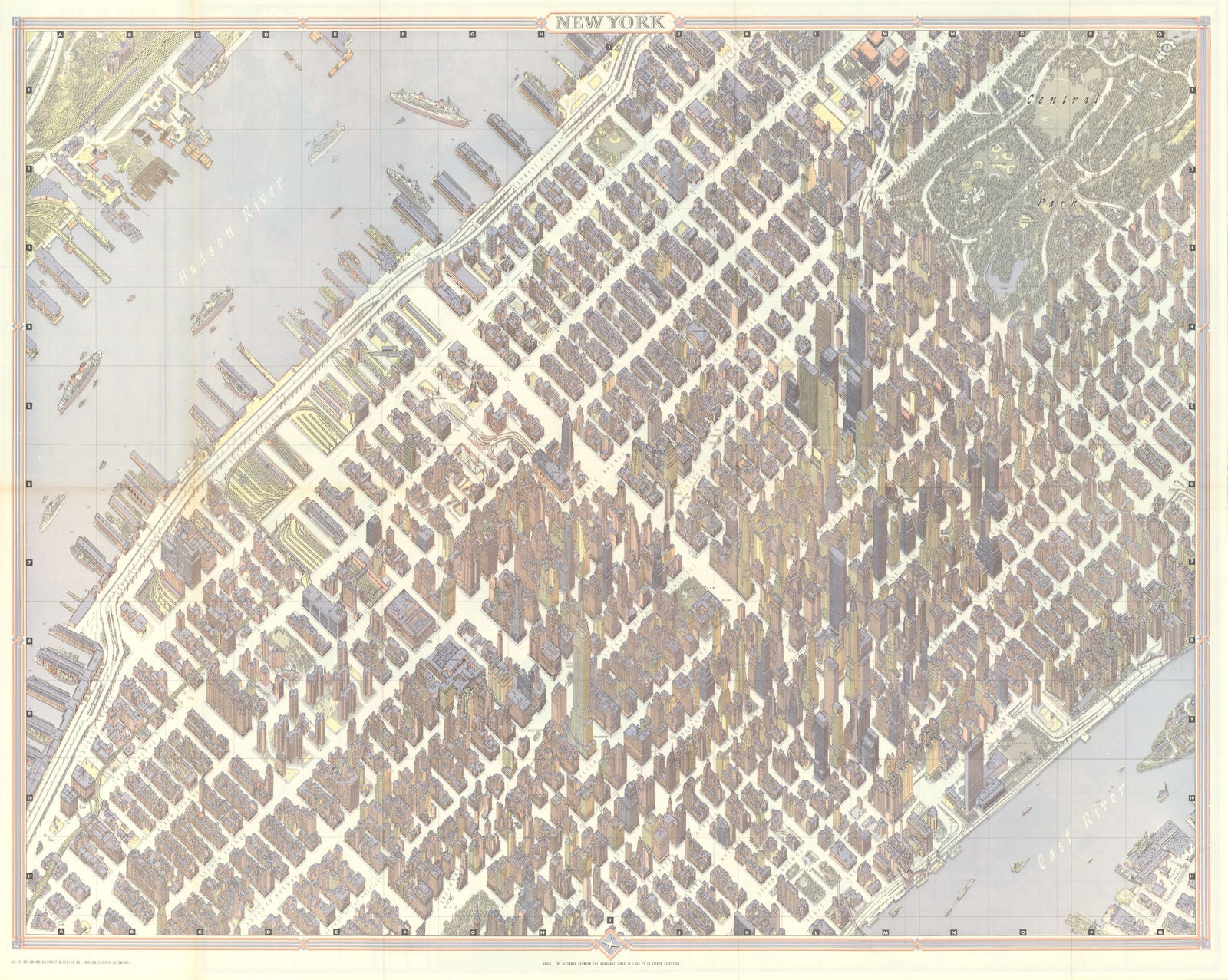
Oblique view maps show places from an angle. You see the tops and sides of objects.
This view gives a 3D feel and helps to see building heights and shapes.
- Shows more detail on tall buildings
- Useful for real estate and tourism
- Offers a realistic sense of space
Side View Maps
Side view maps show places from the side, like looking straight at a wall or mountain.
This view helps to see elevations and profiles of natural or built features.
- Shows heights and slopes clearly
- Used in geography and architecture
- Good for studying terrain and profiles
Purpose Behind Map Perspectives
Maps show the world from different views. One common view is the bird’s eye view. It looks down from above. This helps people see places clearly.
The choice of map perspective depends on its purpose. Different views serve different needs. Bird’s eye view is useful for many reasons.
Navigation And Orientation
Bird’s eye view helps people find places easily. It shows roads, buildings, and landmarks from above. This makes it simple to plan routes.
It helps users understand directions and distances. Seeing the whole area at once improves orientation. Maps with this view guide travelers well.
- Shows clear paths and roads
- Helps locate landmarks quickly
- Supports route planning
- Improves understanding of space
Architectural And Urban Planning
Bird’s eye view is key for architects and city planners. It gives a full look at buildings and streets. This helps design better spaces and layouts.
Planners use these maps to see how new buildings fit with old ones. It helps with zoning and land use decisions. This view shows relationships clearly.
- Displays building shapes and sizes
- Shows street networks and parks
- Helps plan land use and zones
- Supports urban design choices
Artistic And Historical Maps
Bird’s eye maps were popular in history for art. They show cities and landscapes from above with detail. These maps often include drawings and decorations.
Artists use this view to capture the look of places. Historical maps help us see how places looked long ago. They tell stories about the past and culture.
- Shows detailed city views
- Includes artistic elements
- Documents historical layouts
- Tells cultural stories visually
Technological Advances In Mapping
Maps help us understand places and spaces around us. New technology has made maps clearer and more detailed. These advances change how we see the world.
We will look at three key areas: satellite imagery, 3D mapping, and interactive maps. Each shows how technology improves mapping.
Satellite Imagery
Satellite images come from cameras in space. They take pictures of Earth from above. These images help in weather forecasting and land use planning.
- Satellites capture large areas quickly
- Images show changes over time
- Data helps in disaster management
- Used for agriculture and city planning
3d Mapping And Modeling
3D maps show height and depth, not just flat surfaces. They create models of buildings, mountains, and streets. This helps in construction and virtual tours.
| Feature | Use | Benefit |
| Height Data | Urban Planning | Better design of cities |
| 3D Models | Tourism | Virtual visits to places |
| Terrain Mapping | Hiking | Safe route planning |
Interactive And Dynamic Maps
These maps let users zoom, click, and explore. They show live data like traffic or weather. People use them on phones and computers.
- Zoom in and out
- Search locations
- Real-time updates
- Layer options for different views

Credit: www.ebay.com
Common Misconceptions About Maps
Many people think all maps look the same. They believe maps are always drawn from above. Maps can show only real views. They think maps only show geography. These ideas are not always true.
This article explains three common wrong ideas about maps. Understanding these can help you see maps better.
Maps Are Always Top-down
Most maps are drawn from a bird’s eye view. But some maps show different angles. For example, some maps use a side view or 3D view. These maps help people see buildings or landscapes better.
All Maps Show Realistic Views
Maps do not always show real views. Some maps use symbols or colors to show information. For example, a weather map uses colors for temperature. A subway map shows train lines, not real streets.
- Symbol maps use icons for places
- Heat maps use colors to show data
- Transit maps simplify routes
- Fantasy maps show imaginary places
Maps Only Represent Geography
Maps show more than geography. They can display data like population, weather, or traffic. Some maps focus on history or culture. They help people understand many topics using map shapes.
| Map Type | Purpose | Example |
| Political Map | Show countries and borders | World map with countries |
| Thematic Map | Display specific data | Map of rainfall |
| Topographic Map | Show land shapes and heights | Mountain map |
| Historical Map | Show past events or borders | Map of ancient empires |
Choosing The Right Map Perspective
Maps can show places from different views. One common view is the bird’s eye view, which looks straight down from above. Choosing the right map view helps people understand the map better.
Not all maps need to use the bird’s eye view. Sometimes other views work better depending on the goal and the audience.
Purpose And Audience
Think about why you are making the map. What do you want people to learn from it? Also, think about who will use the map. Different people need different views.
For example, a bird’s eye view is good for showing large areas. But a side view may help if you want to show building heights or road slopes.
- Bird’s eye view is good for navigation and overview
- Side views help show elevation and shapes
- Some users prefer 3D views for better understanding
Data Representation Needs
Maps show many types of data like roads, buildings, or forests. The way you show data should match the map’s purpose. Bird’s eye views display wide areas clearly.
Sometimes data layers overlap. You need to choose a view that makes the data easy to read. Bird’s eye view can simplify complex data on flat surfaces.
- Use bird’s eye for large, flat areas
- Choose angled views for height or depth data
- Consider simple views for clear data display
Visual Clarity And Detail
Maps must be easy to read. Bird’s eye views show clear shapes and distances. This makes them good for quick understanding.
Too much detail can make maps confusing. Sometimes less detail with a simple bird’s eye view works best. Other times, details need close-up or 3D views.
- Bird’s eye view shows clear layout and distance
- Remove extra details to avoid clutter
- Use zoom or other views for fine details

Credit: www.vintagecitymaps.com
Frequently Asked Questions
Are All Maps Shown From A Bird’s Eye View?
No, not all maps are from a bird’s eye view. Some use side views or 3D perspectives. Bird’s eye view maps show the terrain from above, offering a clear layout. Other maps focus on specific details using different angles.
What Is A Bird’s Eye View In Mapping?
A bird’s eye view shows a map from directly above. It provides a flat, top-down perspective. This view helps in understanding spatial relationships and geography. It is commonly used in city maps and satellite imagery.
How Do Bird’s Eye View Maps Differ From Other Maps?
Bird’s eye view maps show a flat, top-down angle. Other maps may use side views or 3D models. Bird’s eye views focus on layout, while others emphasize features or elevation. This affects how information is displayed and understood.
Can Bird’s Eye View Maps Show Elevation And Terrain?
Yes, bird’s eye view maps can show elevation using shading or contour lines. They provide a clear layout of terrain features. However, 3D maps better represent height and depth. Bird’s eye views balance detail and simplicity.
Conclusion
Maps offer different perspectives beyond the bird’s eye view. Some maps provide street-level or 3D views. Each type serves a unique purpose. Bird’s eye maps are great for general overviews. Street-level maps help with navigation. 3D maps enhance spatial understanding.
Choosing the right map depends on your needs. Understanding these differences can aid in better decision-making. Whether exploring a city or planning a journey, the right map matters. Keep exploring various map types for a complete picture. This knowledge enriches your travel and navigation experiences.




