
Finding a tiny, injured baby bird can pull at your heartstrings. You want to help, but you might feel unsure about what to do next.
If you act quickly and follow the right steps, you can make a real difference in that little bird’s life. This guide will show you exactly how to nurse a wild baby bird back to health, even if you have no experience.
By the end, you’ll have the confidence to give that fragile creature the care it needs to thrive. Keep reading—your quick actions could save a life.

Credit: www.reddit.com
Identifying Orphaned Or Injured Birds
Finding a wild baby bird can be worrying. It is important to know if the bird really needs help. Some birds that look alone are not orphaned. Knowing the signs helps you decide if you should act.
Birds can get hurt or sick in many ways. Early help can save their lives. Learn to spot the signs of trouble and common injuries to give the right care.
Signs A Bird Needs Help
Not all birds on the ground need help. Some young birds are learning to fly. You should help only if the bird is really in danger or sick.
- The bird is featherless or has very few feathers.
- The bird is cold or shivering.
- It does not try to move or fly away.
- You see blood or injuries on the bird.
- The bird is weak and making unusual sounds.
- It is alone for a long time without parents nearby.
Common Injuries And Conditions
Wild birds can get hurt by falls, predators, or accidents. They can also have infections or dehydration. Knowing common problems helps you give quick care.
- Broken or bent wings or legs.
- Bleeding from cuts or wounds.
- Difficulty breathing or noisy breathing.
- Swollen or closed eyes.
- Weakness or inability to stand.
- Parasites like mites or ticks on feathers.
- Dehydration signs like dry mouth or sunken eyes.
Initial Safety Measures
Nursing a wild baby bird back to health needs care and caution. You must protect yourself and the bird first.
This guide covers how to handle the bird safely and create a temporary nest for it.
Handling The Bird Safely
Always wear gloves to avoid direct contact with the bird. Wild birds may carry germs or bite when scared.
- Approach the bird calmly and quietly.
- Use a soft cloth or towel to gently pick it up.
- Keep the bird away from pets and children.
- Do not try to feed or give water before checking its condition.
- Place the bird in a warm, dark, and quiet place.
Creating A Temporary Nest
A safe temporary nest keeps the baby bird comfortable and reduces stress while you seek help.
| Materials Needed | Purpose |
| Small box or basket | Container for the nest |
| Soft cloth or paper towels | Comfort and warmth |
| Plastic wrap (optional) | Cover the nest to keep heat |
| Rubber bands or tape | Secure the cloth in place |
Line the box with soft cloth. Make sure the cloth fits well and won’t harm the bird.
Keep the nest in a warm area, away from drafts and loud noise. Check the bird often but avoid too much handling.
Setting Up A Recovery Space
Nursing a wild baby bird back to health needs a calm and safe space. This space helps the bird feel secure and rest well.
It is important to prepare the right environment carefully. The right setup supports healing and comfort.
Choosing The Right Environment
Find a quiet place away from pets and loud noises. This will reduce stress for the baby bird. Use a small box or cage with soft bedding.
- Use a ventilated container to allow fresh air
- Line the bottom with soft cloth or paper towels
- Keep the space clean and dry
- Place the container in a low-traffic area
- Avoid direct drafts from windows or fans
Temperature And Lighting Needs
Baby birds cannot keep their body warm. Keep the temperature steady and warm, about 85 to 90 degrees Fahrenheit. Use a heat source safely.
| Time of Day | Temperature (°F) | Lighting |
| Daytime | 85-90 | Soft natural light or a dim lamp |
| Nighttime | 80-85 | Low light or darkness for rest |
Feeding Wild Baby Birds
Nursing a wild baby bird back to health requires care and attention. Feeding is a crucial part of the process. Understanding what to feed and how to feed them can help the bird grow strong.
Young birds need the right nutrition to survive. It is important to provide them with the correct types of food and follow a suitable feeding schedule.
Types Of Food Suitable For Different Species
Different bird species require different types of food. It is important to know what each species eats to ensure they receive proper nutrition.
- Insect-eating birds: Mealworms, crickets
- Seed-eating birds: Soaked seeds, millet
- Nectar-eating birds: Sugar water, diluted nectar
- Omnivorous birds: Soft fruits, berries
Feeding Techniques And Schedules
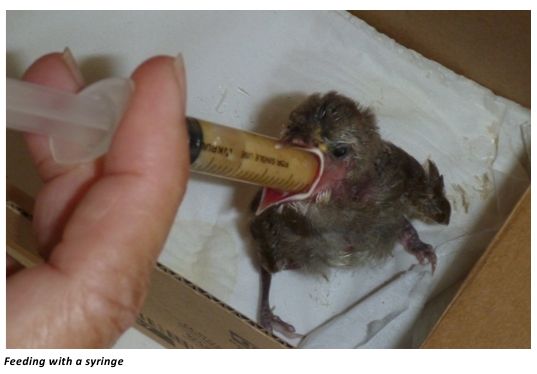
Feeding techniques are essential for the bird’s health. Use a small syringe or dropper to feed the bird. Be gentle to avoid harming the bird.
Feed the bird every 15-20 minutes during the day. As the bird grows, the feeding intervals can be extended. Monitor the bird’s response to adjust the schedule as needed.
Hydration And Health Monitoring
Nursing a wild baby bird needs careful attention to hydration and health. Water and health checks help the bird recover well.
Keep the bird hydrated and watch for any changes in its behavior or growth. These signs show its health status.
Providing Water Safely
Offer water carefully to avoid choking. Use a small dropper or a shallow dish with fresh water.
Do not force the bird to drink. Let it drink on its own to prevent stress and injury.
- Use a clean dropper or spoon to give water
- Place drops near the bird’s beak gently
- Keep water fresh and change it daily
- Avoid deep water dishes to prevent drowning
Tracking Growth And Behavior Changes
Monitor the bird’s weight and size every day. Growth shows it is getting enough food and water.
Watch for changes in activity, alertness, and eating habits. Healthy birds are active and respond well.
- Record weight daily with a small scale
- Note changes in feather growth and size
- Observe if the bird is eating and drinking well
- Look for alertness and normal movements
- Report any unusual behavior to a wildlife expert
When To Seek Professional Help
Nursing a wild baby bird can be tricky. Some signs mean you should get expert help fast. Knowing these signs keeps the bird safe and healthy.
This guide shows when to seek help and how to find the right wildlife center for care.
Signs Of Serious Illness
Look carefully for these signs. They show the bird needs urgent help from a professional.
- The bird is weak and cannot stand or fly.
- It has visible injuries like bleeding or broken wings.
- The bird looks very thin or dehydrated.
- There is unusual behavior like shaking or constant crying.
- The bird has difficulty breathing or makes strange sounds.
- It has swollen eyes or discharge from the nose.
Finding A Wildlife Rehabilitation Center
Wildlife centers have experts who care for sick or injured birds. They know how to treat them properly.
| How to Find | What to Do |
| Search online for local wildlife rehab centers | Call and ask if they accept baby birds |
| Contact animal control or local vets | Get advice and referral to a rehab center |
| Use wildlife rescue hotlines | Report the situation and get help instructions |
| Look for community groups or forums | Ask for recommendations and support |
Preparing For Release
Nursing a wild baby bird back to health is a careful process. Preparing the bird for release takes time and patience.
It is important to make sure the bird is ready to survive on its own. This guide helps you prepare the bird for release.
Assessing Readiness
Check if the bird can feed itself and fly well. The bird must be strong and alert before release.
Look for signs like clean feathers, steady flight, and normal behavior. The bird should act like wild birds of its kind.
- The bird eats on its own without help
- It can fly short distances and land safely
- It shows natural fear of humans
- Feathers are fully grown and clean
- It can perch and move around easily
Releasing Safely Into The Wild
Choose a safe place to release the bird. The area should have food, water, and shelter nearby.
Release the bird close to where you found it. This helps the bird find familiar spots and other birds.
- Pick a quiet, natural area away from predators
- Release during daylight for better visibility
- Place the bird on a branch or soft ground
- Stay calm and avoid sudden movements
- Watch the bird fly away to ensure safety
Credit: besgroup.org
Preventing Future Injuries
Caring for a wild baby bird is important. Preventing future injuries is even more crucial. With the right steps, you can help protect these birds.
Let’s explore ways to keep baby birds safe and healthy in their natural habitats.
Protecting Nesting Areas
Nesting areas need to be safe for birds. It’s vital to minimize risks around these spaces. Making sure their environment is free from dangers can help a lot.
Start by checking for potential threats in your yard or garden. Remove anything that might harm baby birds.
- Keep cats and dogs away from nests
- Trim trees carefully to avoid disturbing nests
- Place nests in sheltered areas
Community Awareness And Education
Teaching your community about bird safety is key. Everyone can help protect wild baby birds. Share simple steps with neighbors and friends.
Organize events or workshops to spread awareness. Educating people can make a big difference in bird safety.
- Host a bird safety talk at local schools
- Create flyers with bird protection tips
- Start a community bird-watching group

Credit: www.backtothewild.org
Frequently Asked Questions
How Do I Safely Handle A Wild Baby Bird?
Always wear gloves and approach gently to avoid stress. Use a soft cloth to pick it up carefully. Avoid loud noises and sudden movements to keep the bird calm and safe during handling.
What Should I Feed A Wild Baby Bird?
Feed age-appropriate food like soaked dog kibble or specialized bird formula. Avoid milk or bread, which can harm the bird. Offer small, frequent meals using a dropper or soft spoon.
When Should I Seek Professional Help For A Baby Bird?
Contact a wildlife rehabilitator if the bird is injured, cold, or weak. Professional care is crucial for serious conditions beyond basic nurturing and feeding. Quick help increases survival chances.
How Do I Create A Safe Environment For The Bird?
Use a small box lined with soft cloth away from pets and noise. Keep the area warm but not overheated. Ensure proper ventilation and minimal disturbance to reduce stress.
Conclusion
Nursing a wild baby bird needs patience and care. Watch the bird closely each day. Give it the right food and a warm place. Keep the environment calm and safe. Small steps help the bird grow strong. Your gentle help makes a big difference.
Remember, every effort counts in saving a life. Stay kind and patient through the process. The bird depends on your care to heal. This experience teaches kindness and respect for nature.




