
Are you tired of crows taking over your bird feeder and scaring away the smaller birds you want to enjoy? You’re not alone.
Crows are smart and persistent, making it tricky to keep them at bay. But don’t worry—there are simple, effective ways you can protect your feeder and bring back the peaceful birdwatching you love. Keep reading to discover easy tips that work, so your backyard can be a safe haven for all your feathered friends.
Why Crows Visit Feeders
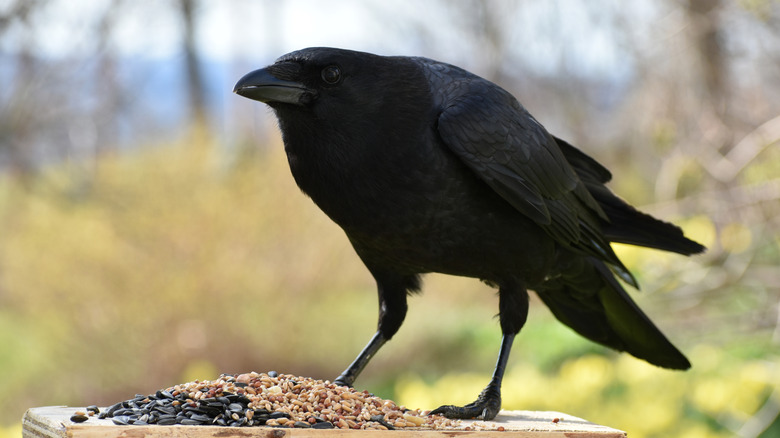
Crows often visit bird feeders because they are smart and curious birds. They seek easy food sources, and feeders offer a convenient spot. Understanding why crows come to feeders helps in managing their visits effectively.
Crow Behavior And Intelligence
Crows are among the smartest birds. They use tools and solve problems quickly. They remember places with food and share this knowledge with other crows. Their social nature means they often visit feeders in groups. This intelligence helps them find food efficiently.
Attraction To Bird Feeders
Bird feeders provide a steady food supply. Crows like seeds, nuts, and suet offered at feeders. Feeders placed in open areas make it easy for crows to spot food. The noise and activity at feeders also attract their curiosity. They learn that feeders are safe and rewarding places to visit.

Credit: www.youtube.com
Choosing The Right Feeder
Choosing the right feeder plays a big role in keeping crows away from your bird feeder. The feeder should invite small birds but not crows. Selecting feeders designed for smaller birds limits access for larger birds like crows. The feeder’s material and shape also matter. Certain designs can discourage crows from landing or feeding.
Selective Feeders For Small Birds
Selective feeders have small openings or perches that fit tiny birds only. These feeders prevent crows from landing or reaching the food. Tube feeders with small ports work well. Hopper feeders with narrow trays also help. These designs suit finches, chickadees, and sparrows.
- Small feeding ports keep crows out.
- Short perches prevent large birds from landing.
- Feeders hung on thin poles limit crow access.
Choosing feeders that cater to small birds reduces crow visits. It keeps your feeder busy with the birds you want.
Materials And Designs That Deter Crows
Materials like metal and hard plastic are tough for crows to damage. Smooth surfaces make it hard for crows to grip. Some feeders have domes or cages around them. These barriers block crows but allow small birds to feed.
- Metal feeders resist crow pecking and damage.
- Cages and domes create physical barriers.
- Rounded or sloped designs prevent crows from perching.
Choosing feeders with these features helps protect your bird food. It keeps crows away while welcoming small birds.
Feeding Strategies
Feeding strategies play a key role in keeping crows away from your bird feeder. Changing the type of seeds and the time you feed birds can reduce unwanted visitors. These simple adjustments help attract smaller birds while discouraging crows.
Using Specific Bird Seeds
Crows prefer larger seeds and nuts. Use smaller seeds like nyjer or sunflower chips. These seeds appeal to finches and smaller birds only. Avoid mixed seed blends that include corn or peanuts. These attract crows and other big birds. Keep seed fresh and dry to avoid waste. Use feeders designed for small seeds to limit access for big birds.
Timing Your Feeding Sessions
Crows are active during the day but less so early morning. Feed birds early in the morning or late afternoon. Crows tend to avoid feeders during these times. Remove food before nightfall to prevent crows from scavenging. Short feeding sessions help reduce crow visits. Watch feeder activity and adjust times if crows appear.

Credit: nginx.iws.edu
Physical Deterrents
Physical deterrents stop crows from landing on bird feeders. They create barriers or distractions that crows avoid. These methods protect your feeder without harming birds. Use physical deterrents to keep crows away while still feeding smaller birds.
Installing Crow Spikes
Crow spikes are narrow strips with sharp points. Place them on feeder perches or nearby surfaces. The spikes stop crows from landing comfortably. They do not hurt birds but make the area hard to sit on. Crow spikes are easy to install and last a long time.
Using Reflective Objects
Reflective items scare crows with sudden light flashes. Hang old CDs, aluminum foil strips, or shiny tape near feeders. Move slightly in the wind, creating reflections and movement. Crows dislike this and avoid the area. Change the position often to keep crows guessing.
Motion-activated Devices
Motion-activated devices startle crows with sudden actions. They might spray water, produce noise, or flash lights. Place these devices near feeders to detect crow movement. The surprise scares crows away quickly. These devices need power or batteries and some maintenance.
Environmental Adjustments
Adjusting the environment around your bird feeder can help keep crows away. Small changes in where and how you place the feeder can make a big difference. Also, managing what attracts crows nearby reduces their interest. These changes create a safer space for smaller birds and discourage crows from visiting.
Location And Placement Tips
- Place feeders away from open spaces where crows like to gather.
- Use trees or shrubs nearby to offer cover for small birds.
- Hang feeders on thin poles crows find hard to land on.
- Keep feeders at least 10 feet from windows to reduce crow visits.
- Rotate feeder locations regularly to prevent crows from settling.
Reducing Nearby Crow Attractants
- Clear fallen seeds or food scraps from under feeders daily.
- Secure trash bins tightly to avoid crow access to food waste.
- Remove or cover compost piles that may attract crows.
- Avoid feeding pets outside where crows can find leftover food.
- Keep gardens tidy by removing rotting fruit and debris.
Natural Repellents
Natural repellents like peppermint oil or garlic spray can gently keep crows away from your bird feeder. Placing shiny objects nearby also helps deter these clever birds without harm.
Finding ways to keep crows off your bird feeder can be challenging, but using natural repellents is a humane and effective approach. These methods ensure your feathered friends can enjoy their meals without disruption. Let’s dive into some practical solutions that can help you manage this common backyard dilemma.Sound Deterrents
Sound can be a powerful tool to keep crows at bay. Try hanging wind chimes around your bird feeder. The gentle tinkling noise can deter crows, who are often startled by unexpected sounds. Another option is to use a radio. Tune it to a talk station and place it near the feeder. The human voices can make crows uneasy, encouraging them to look for food elsewhere.Smell-based Repellents
Crows have a keen sense of smell, so using certain scents can effectively repel them. Mix water with a few drops of peppermint oil in a spray bottle. Lightly spray the area around your feeder. Garlic powder is another natural scent deterrent. Sprinkle it around your feeder area. The strong odor can make crows think twice about approaching. Have you ever noticed how certain smells evoke strong reactions? Use this knowledge to your advantage and create a crow-free zone around your bird feeder.Maintaining A Crow-free Feeder
Keeping your bird feeder free from crows takes ongoing effort. Crows are smart and persistent birds. They quickly learn how to access feeders. This means you must stay alert and active. Maintaining a crow-free feeder ensures small birds can feed safely and comfortably. Regular care and adjustment help keep crows away for good.
Regular Cleaning And Monitoring
Clean your feeder often to remove spilled seeds and debris. Leftover food attracts crows and other pests. Check the feeder daily for signs of crow visits. Look for large seed shells or droppings nearby. Use a mild soap and water to wash the feeder. Dry it well before refilling. Keep the area around the feeder tidy too. Trim nearby branches where crows might perch. A clean, well-maintained feeder discourages crows from returning.
Adapting Methods Over Time
Crows quickly get used to one method. Change your approach regularly to stay ahead. Move the feeder to a new spot every few weeks. Try different feeder types like tube or hopper feeders. Use deterrents that can be moved or altered. Reflective objects or scare devices work best if changed often. Watch how crows react and adjust your tactics. Staying flexible helps keep your feeder crow-free for longer.
Credit: www.outdoorguide.com
Frequently Asked Questions
How Can I Keep Crows Away From My Bird Feeder?
Use feeders with weight-sensitive perches that close for heavy birds. Position feeders in open areas away from crow perches. Regularly clean and avoid spillage to reduce attraction.
What Bird Feeder Types Deter Crows Effectively?
Tube feeders with small ports and caged feeders work well. These designs limit access to larger birds like crows. Avoid platform feeders, as they attract crows easily.
Are Scare Tactics Useful To Keep Crows Off Feeders?
Yes, visual deterrents like reflective tape or fake predators help. Move them often to prevent crow habituation. Combine with other methods for best results.
Does Food Type Affect Crow Visits To Feeders?
Yes, avoid corn, peanuts, and sunflower seeds as crows love them. Opt for nyjer or safflower seeds to attract smaller birds. This reduces crow interest.
Conclusion
Keeping crows away from your bird feeder takes patience and simple steps. Use physical barriers or move the feeder to a quiet spot. Try different foods that crows do not like. Change the feeder’s location often to confuse crows. Small actions can protect your feeder and help smaller birds.
Enjoy watching your favorite birds without crow trouble. Stay consistent, and you will see results soon.




