
Have you ever heard fluttering sounds or seen feathers inside your home and wondered, “How are birds getting into my house?” It can be surprising and even frustrating to find these unexpected visitors where you least expect them. But don’t worry—you’re not alone, and there are simple reasons behind it.
Understanding how birds sneak inside can help you stop it from happening again. Keep reading, and you’ll discover the most common ways birds find their way indoors—and what you can do to keep your home bird-free.
Credit: www.birdbgone.com
Common Entry Points
Birds find many ways to enter houses. They seek shelter, food, or nesting spots inside. Knowing common entry points helps stop them early. These openings often go unnoticed but allow birds easy access.
Open Windows And Doors
Birds fly through open windows and doors. They see light and space inside. Sometimes, pets or noises scare them into entry. Openings without screens invite birds to explore indoors.
Chimneys And Vents
Chimneys and vents serve as hidden bird doors. Birds use them to nest or hide. Uncovered chimneys are especially tempting. Vents with loose or broken covers also attract birds.
Gaps In Roof And Eaves
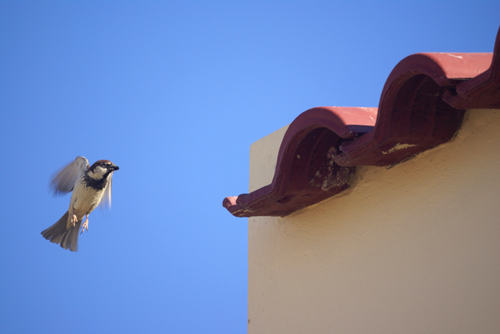
Small gaps in roofs and eaves offer easy entry. Birds squeeze through cracks or holes. These spaces often form from wear or damage. Birds like sheltered spots under eaves for nests.
Damaged Screens And Mesh
Torn or loose screens let birds slip inside. Screens on windows or doors protect homes. Damage to screens weakens this barrier. Birds take advantage of even small tears or holes.
Credit: www.callnorthwest.com
Unusual Access Routes
Birds often find surprising ways to enter homes. They can squeeze through small gaps that go unnoticed. These unusual access routes let birds explore spaces inside your house. Understanding these entry points helps in keeping birds out safely.
Attic And Crawl Space Openings
Attics and crawl spaces often have vents or small openings. Birds use these spots to get inside and build nests. Loose screens or damaged vents make access easier. Check these areas regularly for gaps or holes.
Garage And Sheds
Garages and sheds offer shelter and food sources. Open doors or broken windows invite birds in. Small cracks near the roof or walls also serve as entry points. Keep these spaces closed and secure to prevent bird visits.
Fireplace And Flue
Fireplaces and flues are natural paths for birds. Without proper covers, birds fly down and nest inside. Chimney caps and screens block this route effectively. Regular inspection is key to spotting problems early.
Wall Cavities And Cracks
Walls may hide cracks or cavities birds can enter. These gaps often form near eaves or around pipes. Birds slip through these tiny holes to make nests. Seal cracks with caulk or foam to stop their entry.
Why Birds Choose Your Home
Understanding why birds choose your home as a stopover or permanent spot can help you manage their visits better. Birds are drawn to places that meet their basic needs—shelter, safety, food, and a chance to raise their young. Identifying what attracts them to your house allows you to make informed decisions on how to coexist or discourage their entry.
Shelter And Safety
Birds look for safe places to rest and hide from predators. Your home may offer sheltered spots like eaves, vents, or chimneys that protect them from harsh weather and threats. If you’ve noticed birds repeatedly near specific areas, it’s likely because those spots feel secure to them.
Have you ever found a bird nesting inside your attic or under the porch? That’s a clear sign your home provides the kind of refuge they need. Blocking off these access points can reduce unwanted visits.
Nesting Opportunities
Birds need suitable spaces to build nests and raise their chicks. Your house might have ledges, gaps, or overgrown bushes that create perfect nesting conditions. Even small openings can seem like ideal places to start a family.
One summer, a pair of sparrows nested in my window frame, proving how easily they find cozy spots close to humans. Regularly inspect your home for potential nesting sites and seal them before birds settle in.
Food Sources Nearby
Birds are attracted to homes near plentiful food supplies. Gardens with fruiting plants, bird feeders, or even uncovered trash cans can provide easy meals. You might not realize it, but your backyard could be a buffet for local birds.
Think about whether you leave pet food outside or if your compost pile is accessible. Making these less available can reduce how often birds visit your property.
Signs Of Bird Intrusion
Birds can find their way into homes through small openings or gaps. Detecting signs of bird intrusion helps protect your house early. These signs reveal their presence before damage grows.
Feathers And Droppings
Finding feathers near windows or vents hints at bird visits. Droppings on ledges, floors, or furniture confirm they are inside. Droppings can stain surfaces and cause bad odors.
Nesting Materials
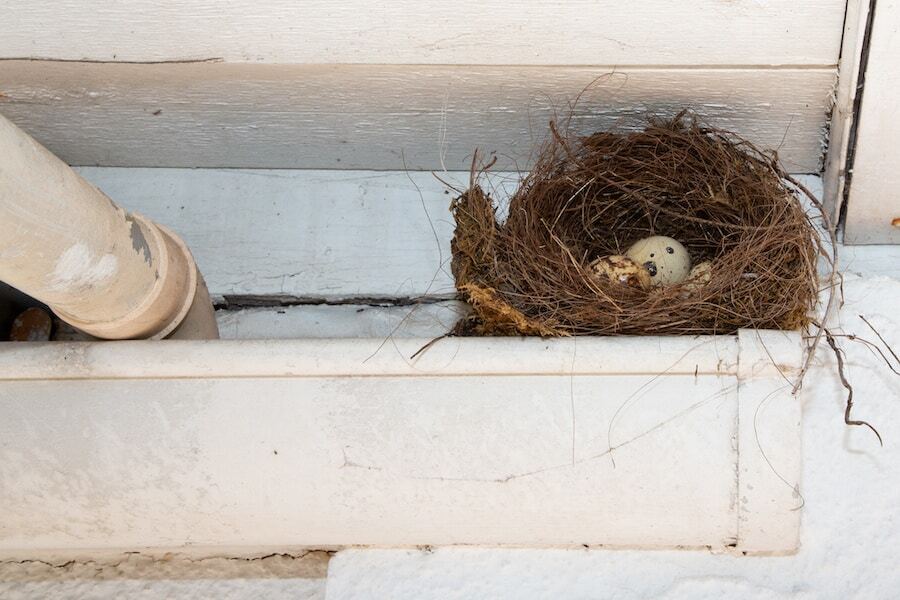
Twirls of grass, twigs, or leaves inside corners show nesting activity. Birds build nests in quiet, hidden places like attics or chimneys. Spotting these materials early stops nests from growing large.
Unusual Noises
Chirping, fluttering, or scratching sounds may come from walls or ceilings. Birds make noise especially during dawn and dusk. Listening for these noises helps identify their hiding spots.
Preventing Bird Entry
Keeping birds out of your home protects your space and peace. Birds find small openings to enter. Stopping them early saves effort and damage. Simple actions can block their way.
Sealing Gaps And Holes
Check walls, roofs, and vents for openings. Use caulk or foam to fill gaps. Seal cracks around pipes and cables. Small holes let birds sneak inside. Regularly inspect your home for new gaps. Proper sealing stops birds from entering.
Installing Bird Screens
Bird screens act as a physical barrier. Fit screens on vents, chimneys, and windows. Choose durable materials like metal or nylon mesh. Screens allow airflow but block birds. Make sure screens fit tightly without gaps. They keep birds outside while letting fresh air in.
Maintaining Doors And Windows
Keep doors and windows closed when not in use. Repair broken locks and seals to avoid gaps. Install weather stripping to block small spaces. Use screens on windows that open often. Check hinges and frames for wear. Proper maintenance prevents bird access points.
Using Deterrents
Deterrents discourage birds from approaching your home. Hang shiny objects like CDs or foil strips near openings. Use bird spikes on ledges and eaves. Install sound devices emitting bird distress calls. Avoid feeding birds close to the house. Deterrents reduce bird visits effectively.

Credit: www.reddit.com
What To Do If Birds Are Inside
Birds often enter homes through open windows, chimneys, or attic vents. Secure these openings to prevent entry. Regularly check for gaps or damaged areas where birds might sneak in.
What should you do if birds find their way into your home? First, stay calm. Birds often enter through open windows or chimneys. They might be frightened and disoriented. The main goal is to guide them out safely. Let’s explore the steps you can take.Safe Removal Techniques
Open all windows and doors in the room. This provides an exit route. Turn off lights and close curtains. The bird will move towards the natural light. Avoid making loud noises. These can scare the bird further. Use a soft towel to gently cover and pick up the bird if needed. Wearing gloves can protect you from scratches.When To Call Professionals
Sometimes, a bird might be hard to catch. It’s best not to stress them too much. Professionals have the right tools and experience. They can handle difficult situations efficiently. If the bird seems injured, contacting wildlife services is wise. They can provide the necessary care.Cleaning And Repairs
After the bird leaves, inspect the area. Birds might leave droppings or feathers. Clean these areas carefully to prevent diseases. Use gloves and disinfectants for safety. Check for any damage caused by the bird. Repair holes in window screens or chimney covers. This prevents future intrusions. Regular maintenance can keep your home bird-free.Frequently Asked Questions
How Do Birds Enter My House Unnoticed?
Birds enter through open doors, windows, or small gaps in walls. They seek shelter, food, or nesting spots. Birds can fit into surprisingly small openings, so sealing cracks is essential to prevent entry.
What Attracts Birds To My Home Interior?
Birds are attracted to warmth, food crumbs, water sources, and indoor plants. Bright lights and reflections can also lure them inside. Maintaining cleanliness and closing entry points helps reduce indoor bird visits.
How Can I Prevent Birds From Nesting Indoors?
Seal all vents, chimneys, and gaps with mesh or screens. Remove indoor plants and food sources to discourage nesting. Regularly inspect your home for new entry points and keep windows and doors closed or screened.
Are There Specific Times When Birds Enter Homes More?
Birds often enter during breeding seasons or harsh weather. Spring and summer see increased nesting activities, while winter drives birds indoors seeking warmth. Being vigilant during these periods can help prevent unwanted visits.
Conclusion
Birds enter homes through small openings or gaps. They seek shelter, food, or nesting spots. Check windows, vents, and doors for easy access points. Seal cracks and install screens to block their entry. Keep your home clean to avoid attracting birds.
Acting quickly helps prevent damage and mess. Understanding why birds come inside helps you stop them. Stay alert and maintain your home regularly. Protect your space and enjoy peace without unwanted bird visitors.




